



Fed Rate Hike 25bps | Working Capital Crisis for E-Commerce Sellers
- First rate increase in 3 years raises borrowing costs 50-150bps; impacts inventory financing, PO funding, and cash flow for 2M+ US sellers
























Overview
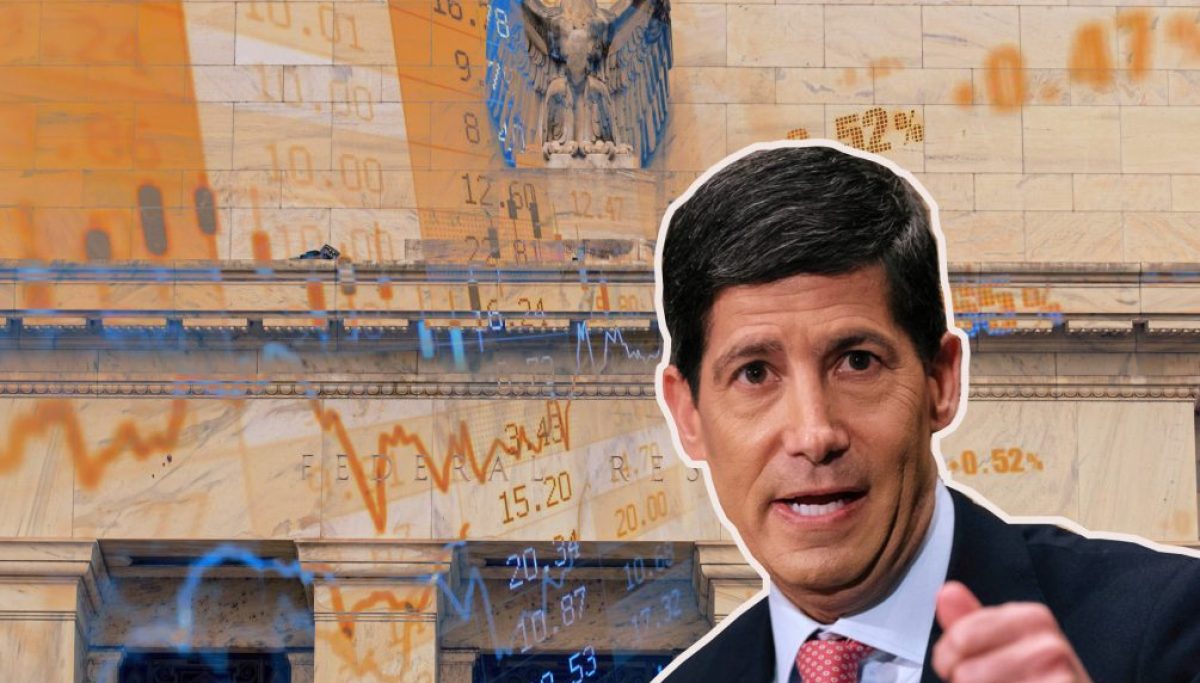
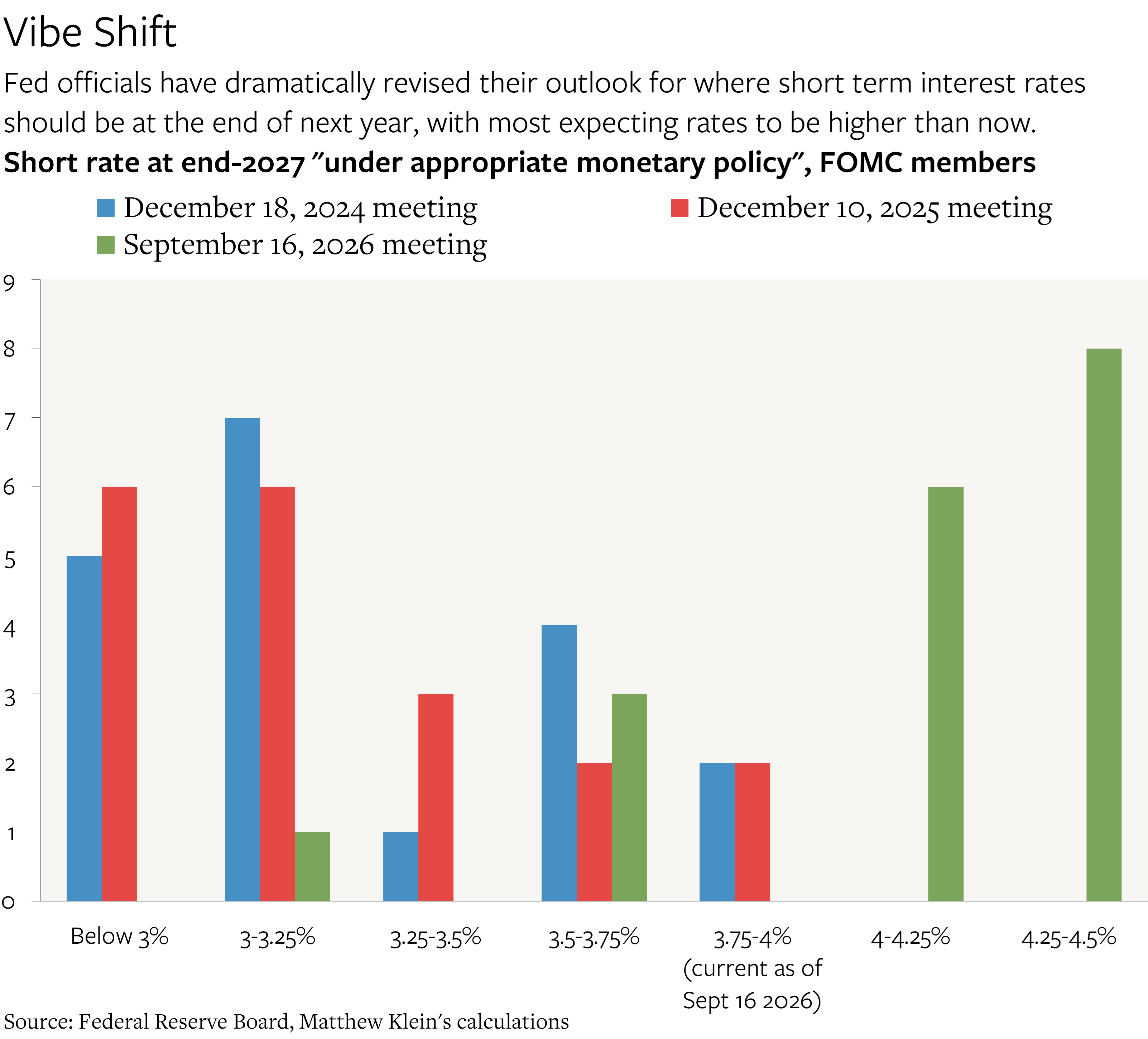
The Federal Reserve's unanimous decision on September 16, 2026, to raise the benchmark federal funds rate by 25 basis points to 3.75-4.0%—the first increase in over three years—creates an immediate financing crisis for e-commerce sellers. This marks a structural shift from the "era of cheap money" that enabled aggressive inventory expansion and working capital financing at historically low rates. For cross-border and domestic sellers, the implications are severe: credit card APRs average 21% (up from 18-20%), auto loans reach 7%, personal loans hit 11.8%, and critically, 10-year Treasury yields topped 5% for the first time since 2007, directly impacting invoice factoring, purchase order financing, and inventory loans that sellers depend on for cash flow management.
Immediate Financing Cost Impact: Sellers relying on variable-rate credit lines, merchant cash advances, and inventory financing face 50-150 basis point increases in borrowing costs. A seller with $500K in outstanding inventory financing at 8% now faces 8.5-9.5% rates on renewal—adding $2,500-$7,500 annually in financing costs. For mid-market sellers ($2-10M revenue), this translates to $15K-$50K in additional annual financing expenses. The news explicitly states that "for e-commerce sellers and businesses broadly, higher borrowing costs impact expansion, investment, and debt refinancing," signaling that traditional working capital sources (bank lines, factoring platforms like Fundbox, BlueVine, and Clearco) will tighten terms and increase rates. Purchase order financing, critical for sellers importing from Asia, becomes 30-50% more expensive as lenders pass through higher cost-of-funds.
Consumer Spending Contraction Risk: The housing affordability crisis documented in the news—median-income households now allocating 44% of income to mortgage payments (vs. 28% in July 2020)—signals reduced discretionary spending on e-commerce categories. Furniture retailers, home goods sellers, and big-ticket electronics face demand compression as consumers redirect cash to housing costs. Credit card rates averaging 21% discourage consumer borrowing for non-essential purchases, directly impacting conversion rates on Amazon, Shopify, and eBay. Sellers in discretionary categories (apparel, electronics, home décor) should expect 10-20% traffic and conversion declines in Q4 2026 as consumers tighten spending. The news notes that "higher mortgage rates cool home sales and big-ticket purchases, affecting homebuilders, furniture retailers, and related businesses"—a direct warning for sellers in these categories.
Strategic Financial Moves for Sellers: Sellers must immediately shift from variable-rate to fixed-rate financing, lock in rates before further increases, and optimize cash conversion cycles. Actionable steps: (1) Refinance existing variable-rate debt to fixed-rate terms within 2 weeks before rates rise further; (2) Shift from merchant cash advances (12-15% APR) to invoice factoring (6-8% APR) or supply chain financing platforms offering better terms; (3) Reduce inventory levels by 15-25% to lower financing needs and free up working capital; (4) Accelerate receivables collection through early payment discounts (2/10 net 30 terms); (5) Evaluate cross-border payment optimization—sellers with multi-currency exposure should lock in FX hedges now as volatility increases with rate uncertainty.
Questions 8
How does the rate hike affect payment processing and cross-border payment costs?
Higher interest rates increase payment processor funding costs, which may translate to 10-25bps increases in processing fees (Stripe, Square, PayPal) over the next 60-90 days. For cross-border sellers, payment processors may tighten FX spreads or increase settlement times to manage liquidity risk. Sellers should audit their payment processing costs now and negotiate fixed-rate agreements with processors before increases take effect. Consider alternative payment methods: ACH transfers (lower cost), international payment platforms (Wise, OFX), and local payment methods in key markets. The news confirms that 'higher borrowing costs impact expansion, investment, and debt refinancing,' affecting all aspects of seller operations including payment infrastructure.
Should I lock in fixed-rate financing now or wait for rates to stabilize?
Lock in fixed-rate financing immediately. The Fed's rate hike signals a shift from the 'era of cheap money' to a sustained higher-rate environment. The news indicates that 'borrowing costs have become slightly more expensive across the economy,' and the 10-year Treasury yield at 5% (highest since 2007) suggests rates will remain elevated. Waiting risks further increases—each additional 25bps Fed hike translates to 50-150bps increases in seller financing costs. Sellers should refinance variable-rate debt and lock in fixed rates for 12-24 months within the next 2 weeks. This is particularly critical for inventory financing, which typically renews quarterly or semi-annually.