




Walmart's AI Pricing Pledge Reshapes Retail Trust & Seller Competitive Dynamics
- Walmart commits to non-personalized pricing across 12,300+ stores; FTC regulatory scrutiny accelerates AI transparency requirements for all retailers by 2026























Overview
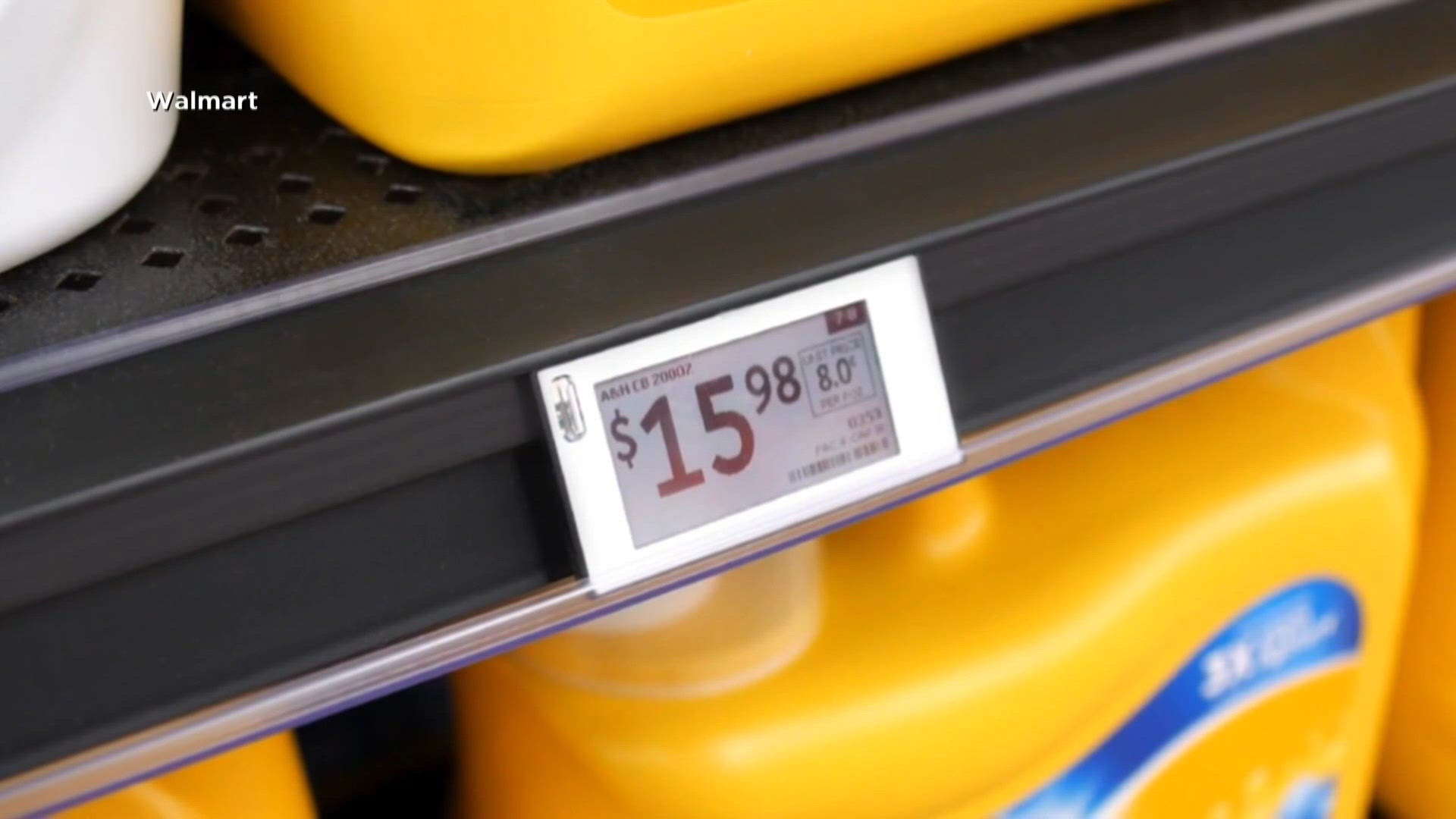
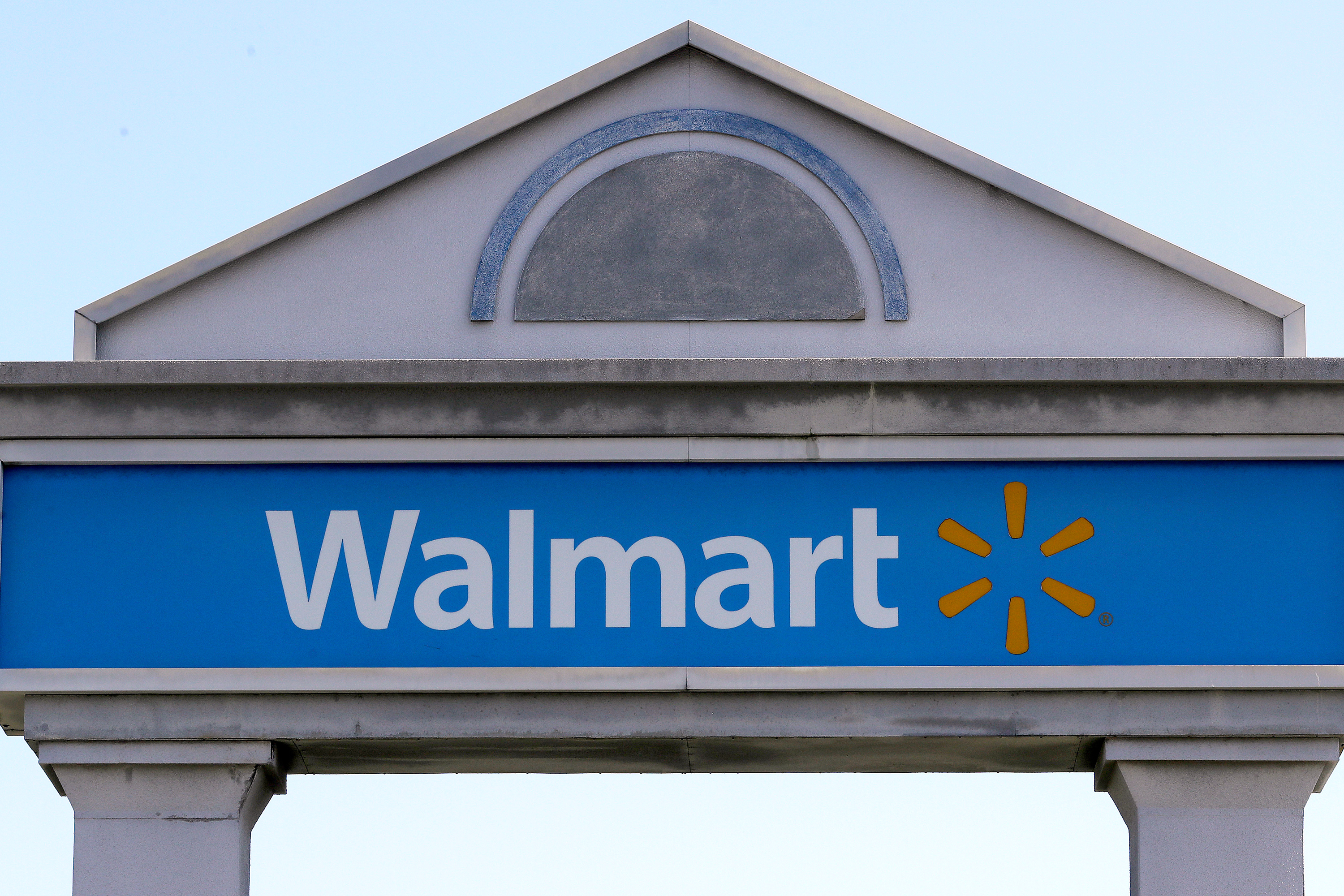
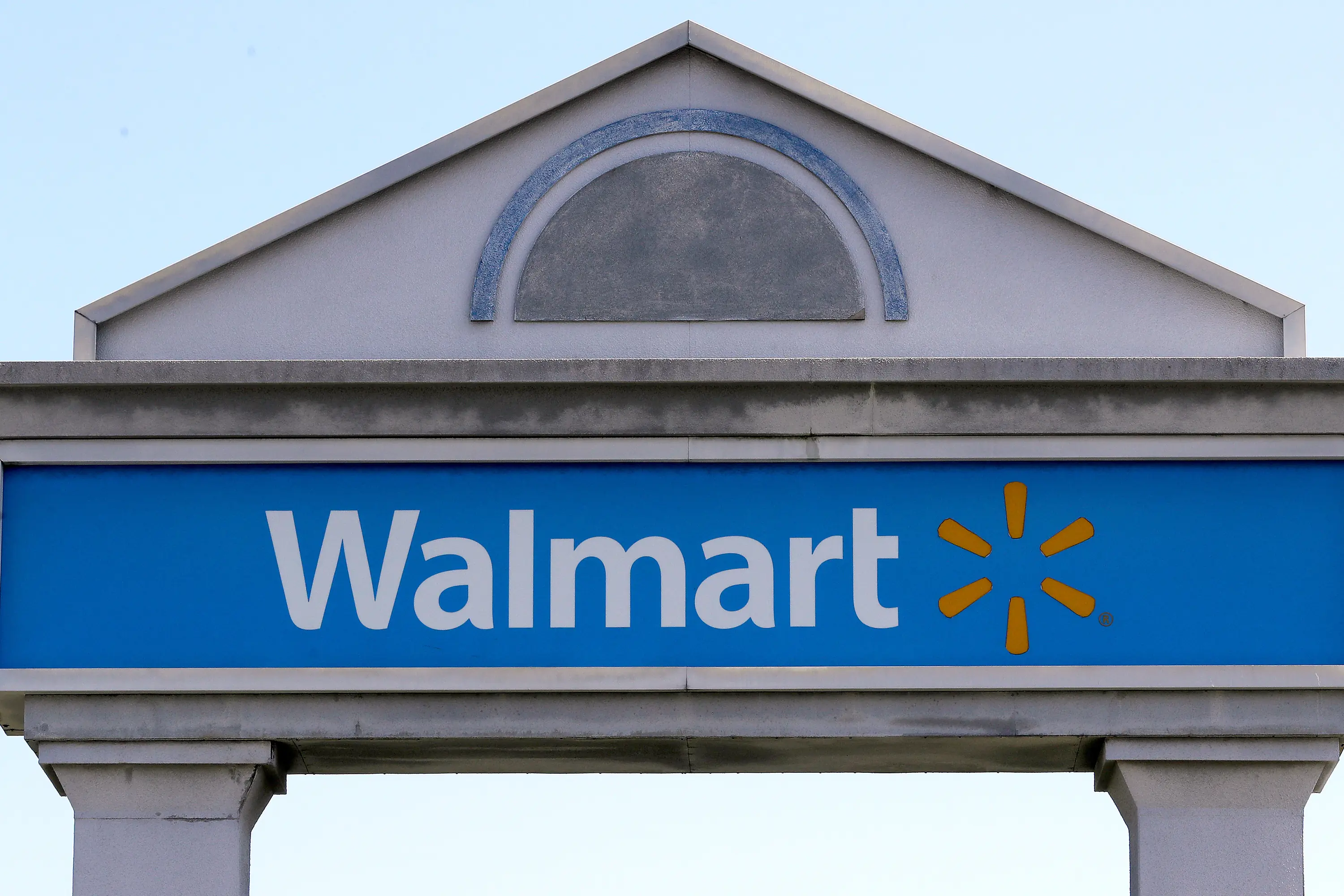
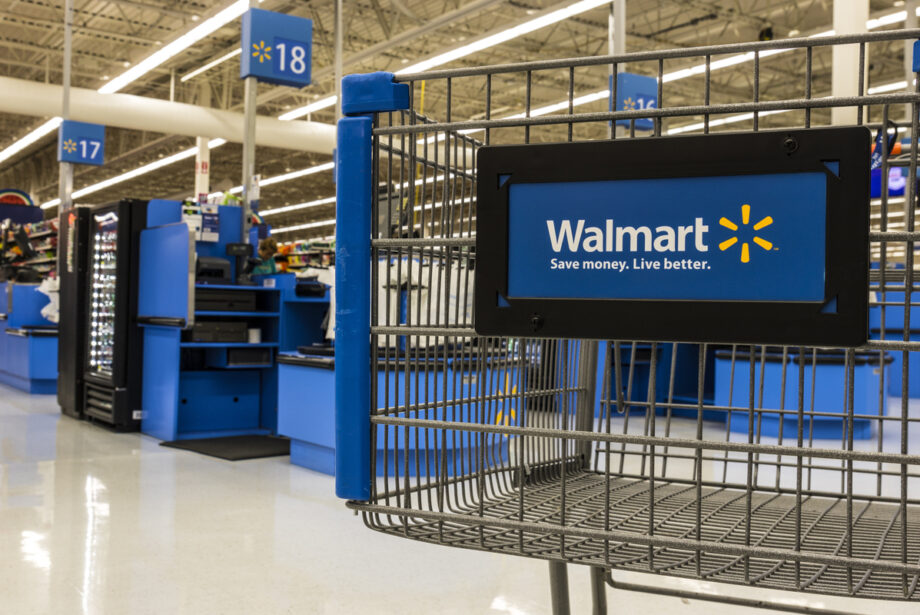
Walmart's September 2026 commitment to non-personalized pricing represents a critical inflection point for AI-driven retail automation and seller competitive strategy. CEO John Furner's formal pledge—"We price the product, not the person"—directly addresses FTC regulatory warnings (August 2026 bulletin) that personalized dynamic pricing may violate consumer protection laws. The retailer operates digital shelf labels (DSLs) in 12,300 U.S. locations with chain-wide implementation expected by year-end 2026, eliminating the manual updating of 120,000+ paper price tags weekly.
For sellers leveraging AI pricing optimization tools, this announcement signals a critical market bifurcation. Walmart's explicit rejection of personalized pricing—despite DSL technology enabling it—creates a competitive moat through consumer trust. The company's AI shopping assistant Sparky will not be used to raise prices or hide lower-cost alternatives, directly contradicting industry assumptions about AI's primary value proposition in retail. This positioning advantage extends to Walmart's supply chain: third-party sellers on Walmart Marketplace must now align pricing strategies with the retailer's transparency commitments, creating compliance pressure across 50,000+ marketplace vendors.
The regulatory environment is tightening rapidly. The FTC bulletin requires companies to disclose how personal information influences pricing, but lacks enforcement authority to ban the practice outright. However, Walmart's public commitment establishes a de facto industry standard that competitors (Amazon, Target, Best Buy) will face pressure to match. Sellers should anticipate that dynamic pricing tools—previously viewed as margin-optimization engines—will face increasing consumer and regulatory scrutiny. The 50-year-old "Every Day Low Price" principle Walmart invokes suggests that trust-based pricing may outperform algorithmic optimization in consumer perception, particularly for high-frequency purchase categories (groceries, essentials).
AI automation opportunities emerge in compliance monitoring and competitive intelligence. Sellers can deploy AI tools to: (1) track competitor pricing transparency commitments across 500+ major retailers, (2) analyze sentiment shifts in consumer reviews mentioning "dynamic pricing" or "personalized prices," (3) automate pricing audits to ensure shelf-to-checkout consistency (Walmart's stated requirement), and (4) monitor FTC enforcement actions and state-level pricing regulations. The time-to-compliance window is 6-12 months before industry-wide DSL adoption accelerates, creating first-mover advantage for sellers who implement transparent pricing infrastructure now.
Questions 8
How does Walmart's pricing pledge affect supplier negotiations and wholesale pricing?
Walmart's commitment to non-personalized retail pricing does not directly affect wholesale pricing negotiations with suppliers, but it signals that the retailer will compete on operational efficiency and consumer trust rather than price discrimination. Suppliers should expect: (1) continued pressure to reduce wholesale costs (Walmart's margin compression strategy), (2) increased demand for real-time inventory and pricing data integration, (3) higher compliance requirements for data sharing (FTC transparency rules), and (4) potential opportunities to differentiate through transparent, ethical supply chain practices. Suppliers can leverage Walmart's transparency commitment as a marketing advantage with consumers, positioning their products as part of a fair-pricing ecosystem. This creates long-term competitive advantage for suppliers who align with Walmart's values.
What AI tools should sellers implement to ensure pricing compliance?
Sellers should deploy: (1) AI pricing audit tools that verify shelf-to-checkout price consistency across all channels, (2) algorithmic bias detection systems that flag pricing decisions that correlate with protected characteristics (income, location, demographics), (3) automated compliance documentation systems that create audit trails for all price changes, (4) sentiment analysis tools that monitor consumer perception of pricing fairness, and (5) competitive intelligence platforms that track competitor transparency commitments. These tools reduce compliance risk, improve operational efficiency (2-4 hours/week saved on manual audits), and provide defensible documentation if regulators investigate. ROI typically ranges from $500-2,000/month in labor savings plus reduced legal/regulatory risk.