





USD/JPY Volatility Surge | Cross-Border Sellers Face 0.4% Yen Swings
- Japan's coordinated yen intervention signals 156-157 trading band; sellers importing to Japan face 2-4% margin compression; US rate expectations drive currency unpredictability






























Overview
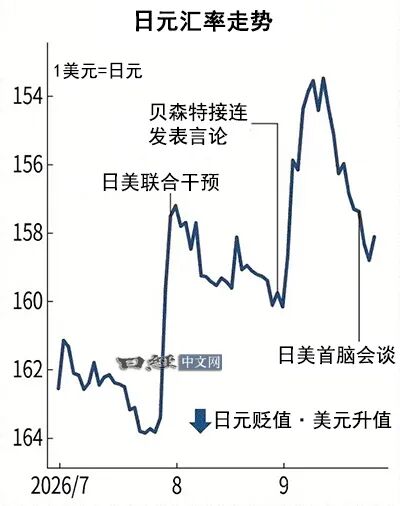
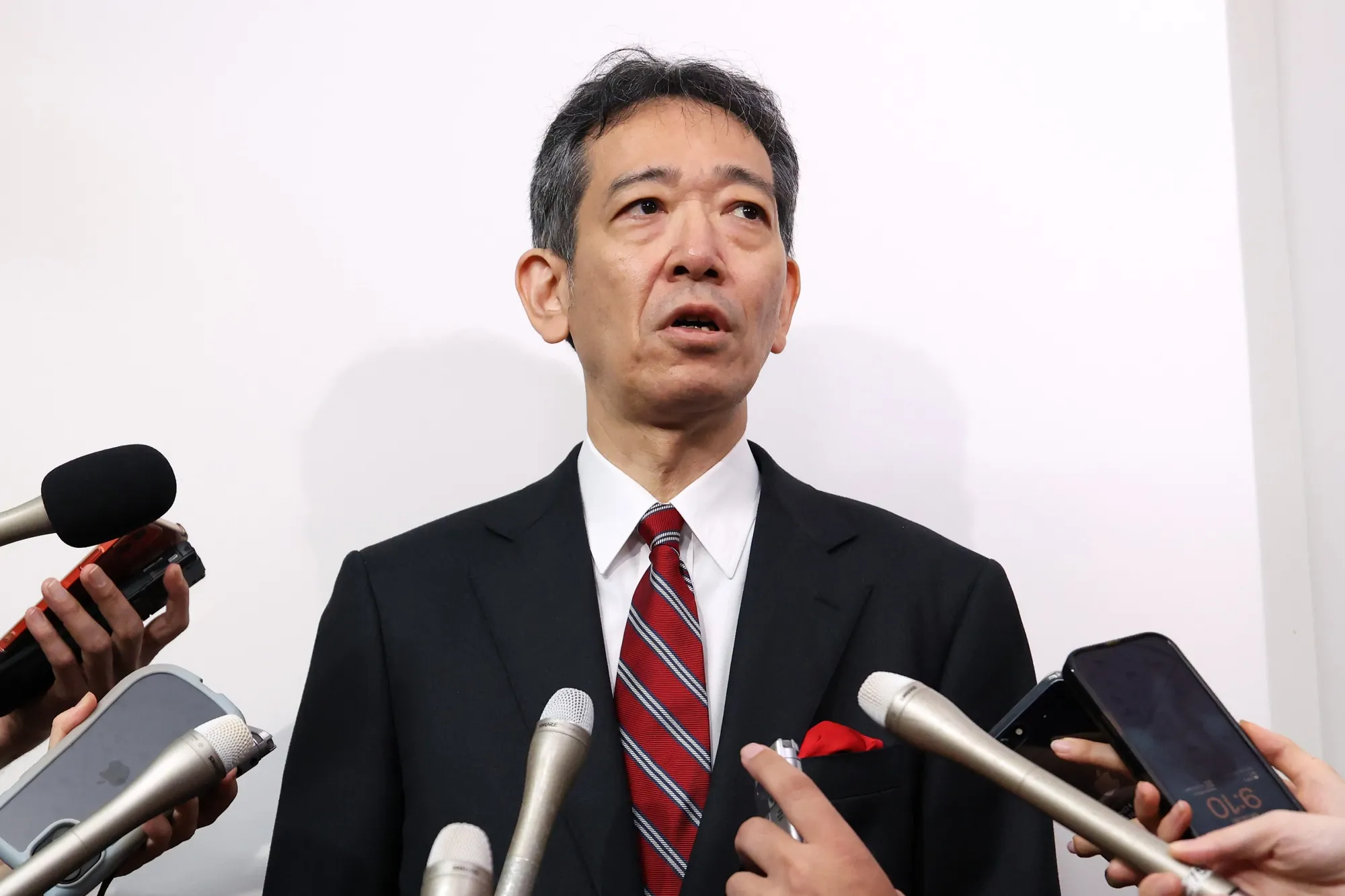
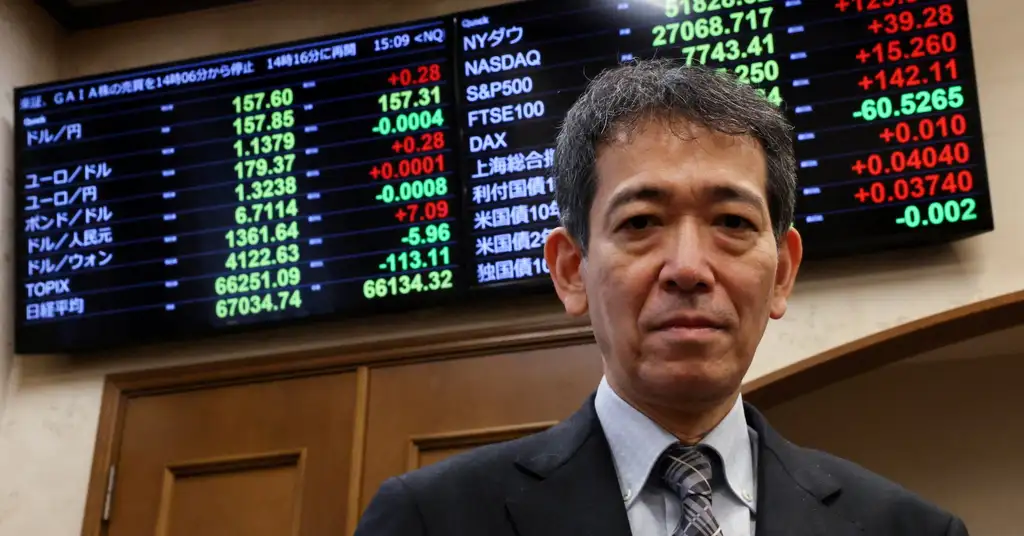
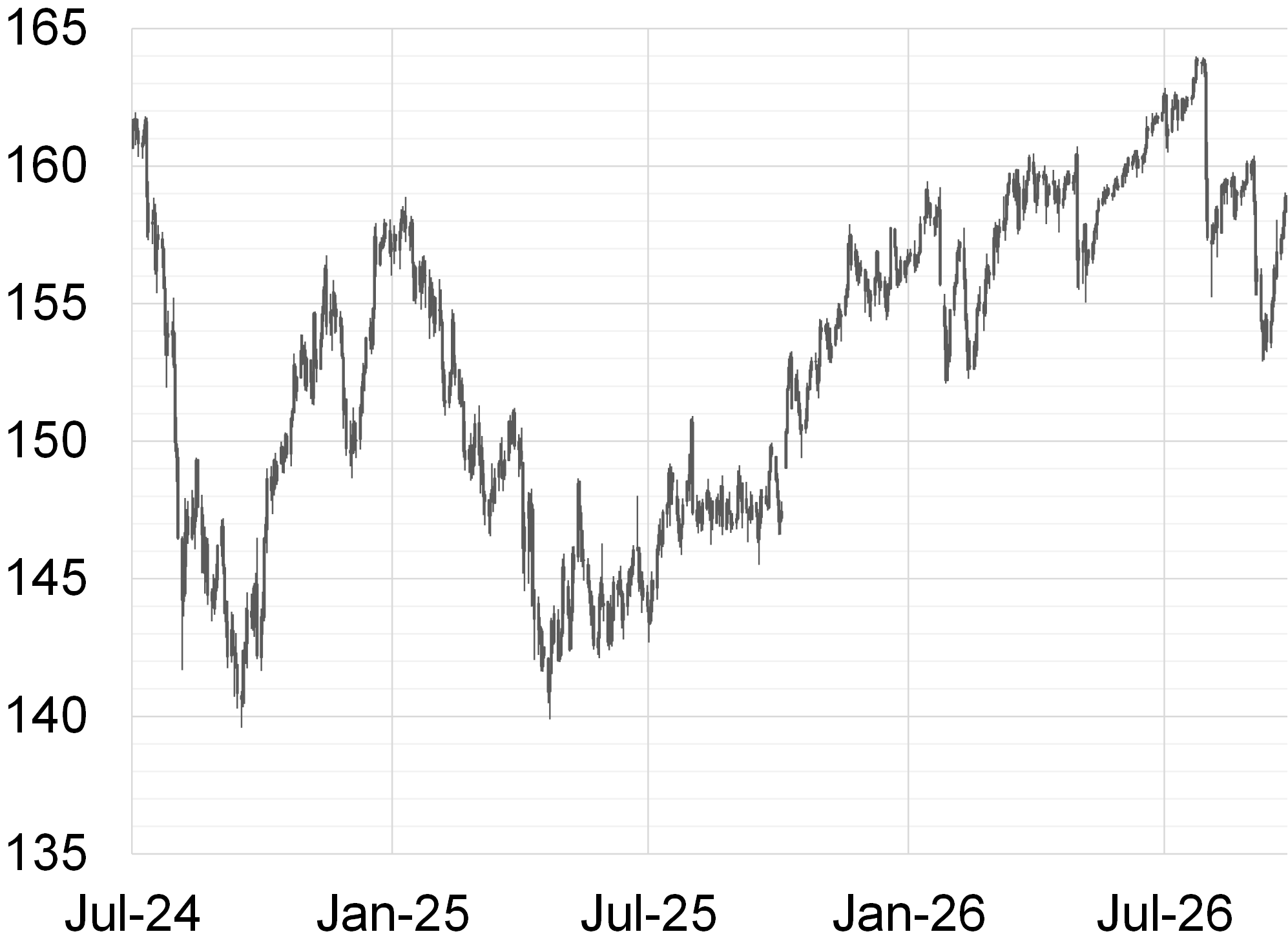
Japan's Vice Finance Minister Atsushi Mimura issued a forceful warning on September 28, 2026, signaling imminent yen intervention after the currency weakened to near 40-year lows. The yen immediately surged 0.4% to 156.51/USD following his Reuters interview, demonstrating acute market sensitivity to official currency guidance. This represents a critical inflection point for cross-border e-commerce sellers with Japan exposure, as coordinated US-Japan intervention (last executed July 31, 2026) typically precedes sustained currency movements of 2-5% within 4-12 weeks.
For sellers importing goods into Japan, a strengthening yen creates immediate cost pressures. The Bank of Japan raised rates to a 31-year high of 1.25% in September, yet the yen remained weak—indicating structural depreciation pressures beyond monetary policy. Sellers currently pricing in USD face margin compression of 2-4% if the yen strengthens to 150-152/USD (a realistic scenario given intervention rhetoric). Specifically: a seller importing $100,000 in electronics from China faces an additional ¥6-8M in yen-denominated costs if USD/JPY moves from 157 to 150. Japanese sellers exporting internationally benefit conversely—a stronger yen improves their USD-denominated margins by 2-3%, making Japanese products more profitable on Amazon US and other global platforms.
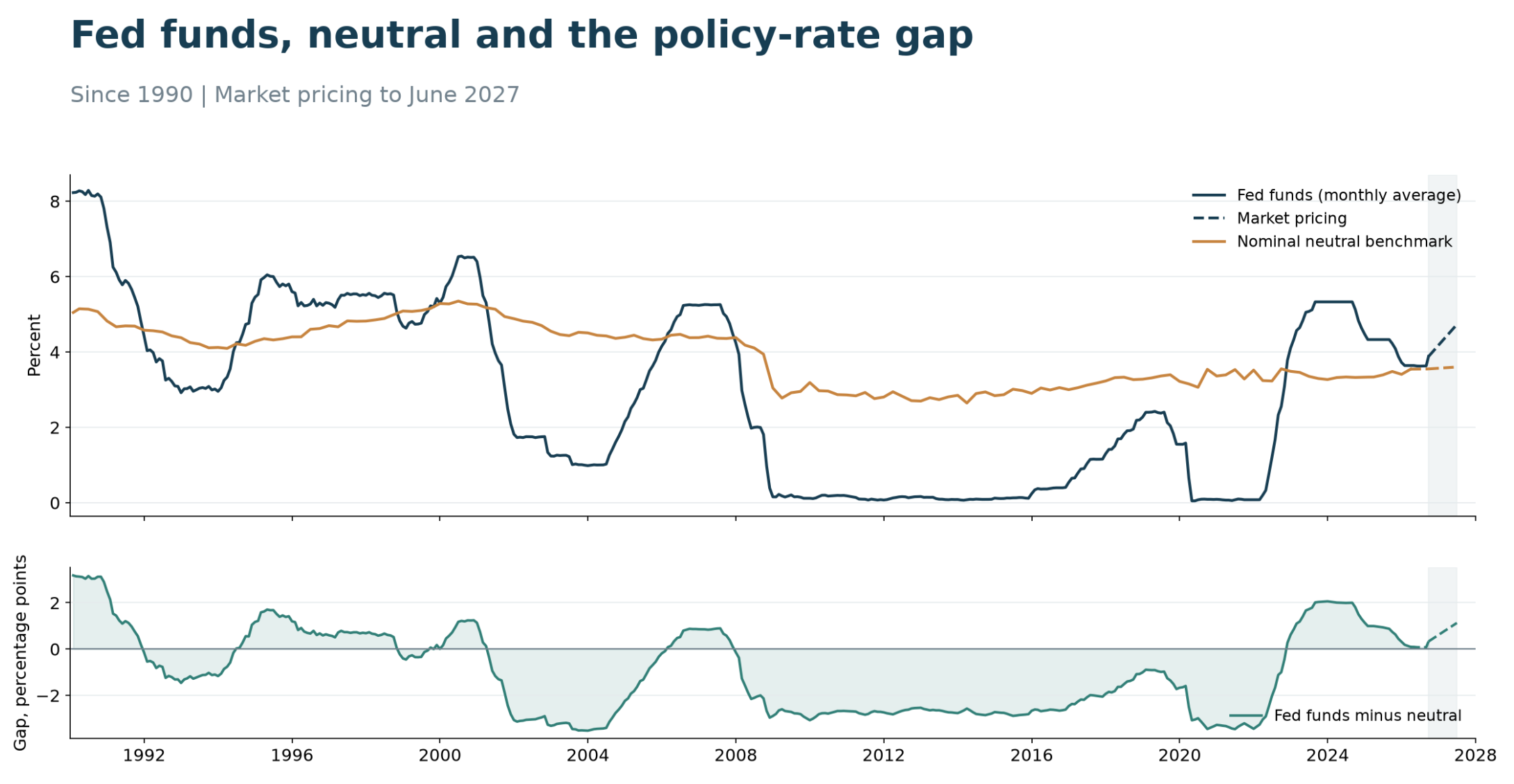
The US-Japan rate differential remains the dominant driver of USD/JPY direction. The Federal Reserve began raising rates in September 2026, while the BOJ continues its hiking cycle. This narrowing rate gap (from 3.5%+ to potentially 2-2.5% by Q4 2026) reduces the carry trade advantage that previously supported USD strength. Upcoming US payroll data will be critical—stronger employment figures reinforce Fed rate expectations, supporting USD appreciation and yen weakness; weaker data could trigger a 1-2% yen rally within days. Sellers should monitor US employment releases (typically first Friday of each month) as leading indicators for USD/JPY direction, with 48-72 hour volatility windows following major economic data.
Intervention rhetoric signals a 156-157 trading band is now a policy floor. Mimura's statement that Japan has "absolutely no concern" about funding constraints indicates willingness to deploy unlimited yen-buying capacity. Historical precedent shows verbal warnings precede actual intervention by 2-4 weeks; when intervention occurs, it typically drives 2-3% currency moves within 24 hours. Sellers should assume the yen will not weaken significantly beyond 157/USD in the near term, making this an optimal window for sellers to lock in USD/JPY rates via forward contracts or currency hedging products.
Questions 8
How should sellers adjust pricing strategies in response to yen intervention signals?
Sellers importing to Japan should increase JPY-denominated prices by 2-3% immediately to lock in current margins before yen strengthens. For example, a seller currently pricing a product at ¥10,000 (equivalent to $63.70 at 157/USD) should increase to ¥10,300 ($65.40 at 157/USD) to maintain margins if the yen strengthens to 150/USD. This 3% price increase is justified by citing 'currency adjustment' in product descriptions and should be implemented within 2 weeks before intervention occurs. Conversely, Japanese sellers exporting to US should maintain or slightly reduce USD prices to capture market share as their yen-denominated costs decline with yen strength—this drives volume growth while maintaining absolute margin dollars. Sellers should use dynamic pricing tools (Repricing Central, Keepa) to adjust prices daily based on USD/JPY movements.
What is the cash flow impact of yen volatility on sellers' working capital cycles?
Yen volatility extends working capital cycles by 5-10 days as sellers must hold larger cash reserves to cover FX losses on unhedged inventory. A seller with $500,000 in monthly Japan imports faces potential ¥2-4M in unrealized losses if the yen strengthens 2-3% unexpectedly, tying up working capital that could otherwise fund inventory growth. Supply chain financing solutions (invoice factoring, PO financing) mitigate this by advancing 80-90% of invoice value in USD immediately, converting a 45-60 day payment cycle into 15-20 days. This unlocks $75,000-150,000 in working capital per month for sellers with $500K monthly imports. Sellers should evaluate supply chain finance providers (Tradeshift, Fintech, Coupa) offering dynamic FX hedging to simultaneously reduce currency risk and accelerate cash conversion.