


AI Infrastructure Costs Hit E-Commerce | $10T Buildout Raises Seller Expenses 2025-2027
- $10 trillion AI infrastructure investment will increase cloud computing, logistics, and AI service costs for sellers by 8-15% through 2027; sellers in emerging markets face competitive disadvantage versus well-funded regions




























Overview
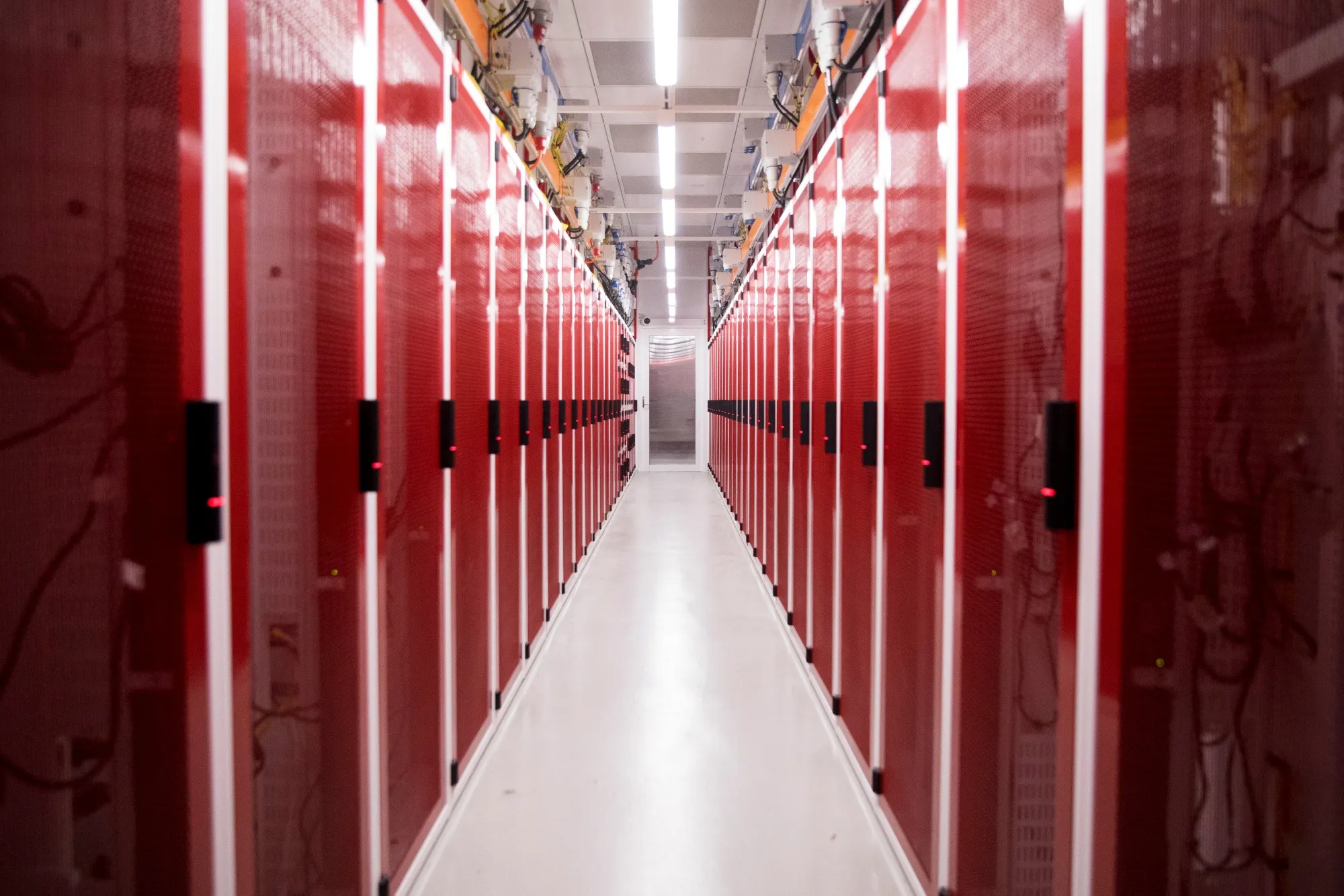
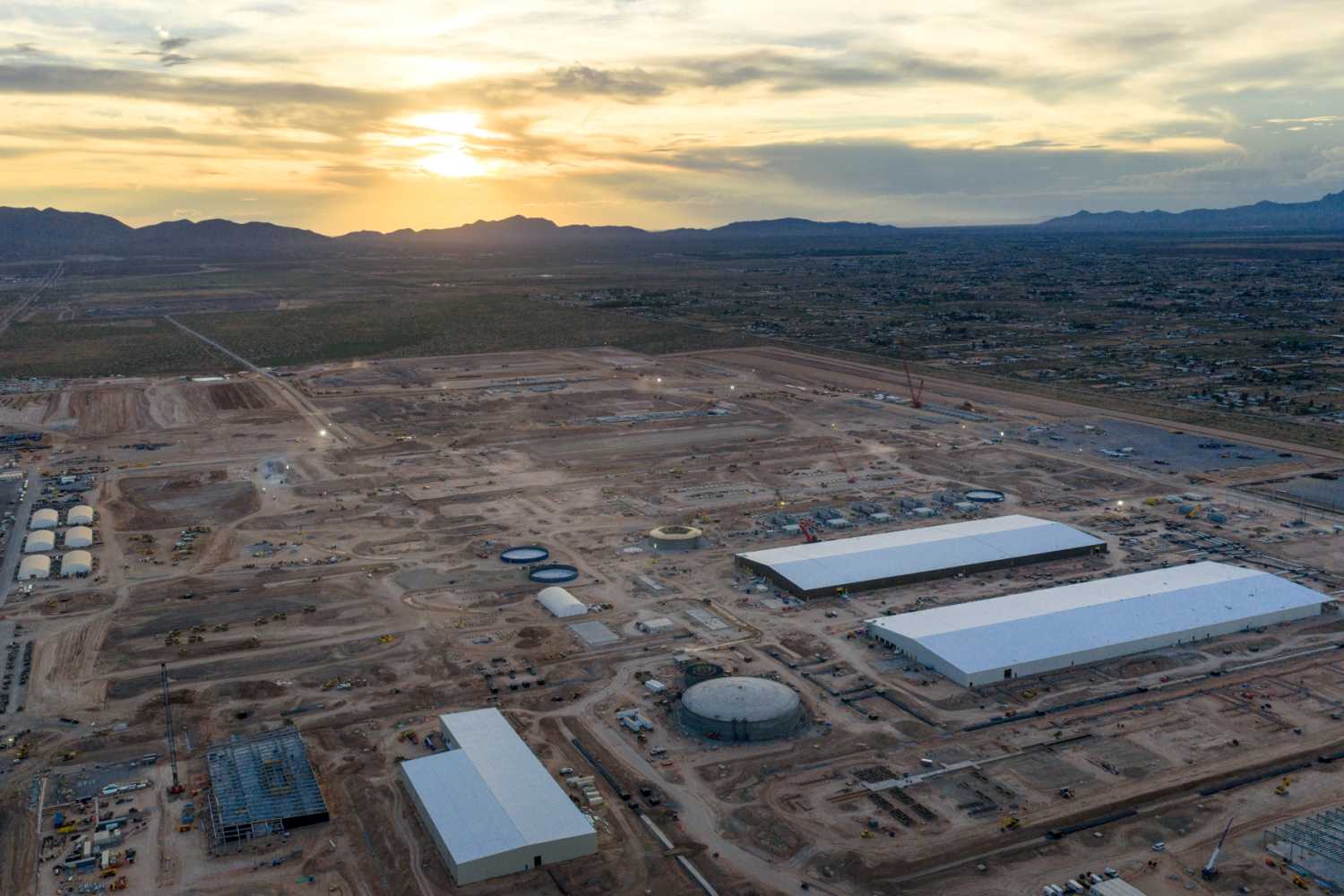
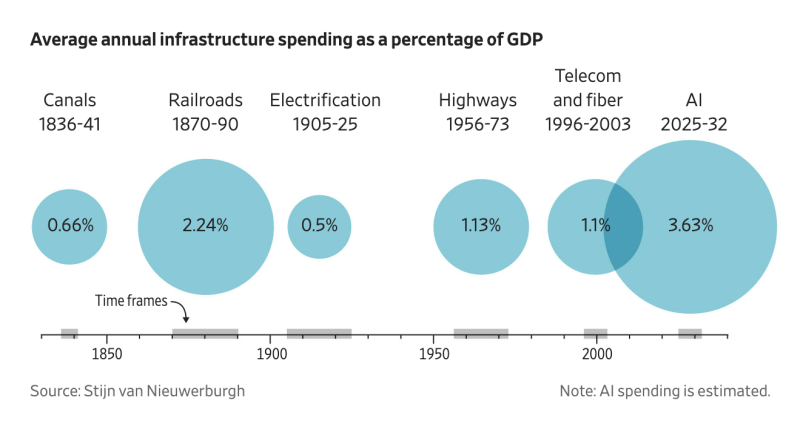
The $10 trillion global AI infrastructure buildout—representing 3.6% of global GDP—will fundamentally reshape e-commerce operating costs over 2025-2027. Major technology companies including Nvidia, Meta, and Microsoft are allocating $50+ billion annually for AI infrastructure expansion, encompassing data center construction, semiconductor manufacturing, power generation, and networking infrastructure. This unprecedented capital allocation directly impacts cross-border sellers through cascading cost increases in cloud computing fees, AI service pricing, and logistics expenses.
Infrastructure costs will translate directly to seller operational expenses. Sellers relying on AI-powered logistics optimization, inventory management systems, and customer service automation will face 8-15% cost increases as cloud providers and AI service vendors pass infrastructure financing costs downstream. Amazon Seller Central users leveraging AI-driven fulfillment recommendations, Shopify sellers using AI inventory tools, and eBay sellers employing automated repricing algorithms will all experience margin compression. The Treasury Department's proposed "notification mechanism" between major economies signals potential regulatory coordination that could further increase compliance costs for cross-border sellers.
Regional disparities in AI infrastructure investment create competitive moats for well-funded markets. The US and China are competing for AI dominance through massive infrastructure investments, while emerging markets face capital constraints. Sellers based in North America and Western Europe with access to well-funded cloud infrastructure will gain cost advantages over sellers in Southeast Asia, Latin America, and Africa. This geographic inequality means sellers in emerging markets may face 12-20% higher AI service costs, compressing margins by 3-5 percentage points compared to competitors in developed markets. Energy costs tied to AI data center expansion could increase logistics expenses globally by 2-4%, particularly affecting sellers using AI-powered 3PL providers and fulfillment networks.
Immediate strategic response is critical. Sellers should audit current AI service dependencies—including Amazon's AI-powered tools, Shopify's AI features, and third-party inventory management platforms—to quantify exposure to cost increases. Historical precedent from internet and telecommunications infrastructure buildouts shows costs distribute across user bases within 18-36 months. Sellers should lock in multi-year contracts with cloud providers and AI service vendors before Q2 2025 to protect against anticipated price increases. Consider shifting 15-25% of AI-dependent operations to alternative platforms or in-house solutions with lower infrastructure dependencies. Monitor Treasury Department coordination announcements for potential regulatory changes affecting cross-border commerce compliance costs.
Questions 8
How can I protect my margins against rising AI infrastructure costs?
Implement a three-part strategy: (1) Lock in multi-year fixed-price contracts with cloud providers and AI vendors before Q2 2025; (2) Diversify AI service providers to reduce dependency on expensive infrastructure-heavy platforms; (3) Shift 15-25% of AI-dependent operations to alternative solutions with lower infrastructure costs. Monitor competitor pricing to identify margin compression opportunities. Consider raising prices 3-5% strategically across your catalog to offset anticipated cost increases. Track infrastructure cost announcements from major cloud providers (AWS, Azure, Google Cloud) quarterly to anticipate price changes.
Will energy costs from AI data centers increase my logistics and shipping expenses?
Yes, energy costs tied to AI infrastructure expansion could increase logistics expenses globally by 2-4%, particularly affecting sellers using AI-powered 3PL providers and fulfillment networks. Data center energy consumption is the primary cost driver for AI infrastructure, and these costs will flow through to logistics providers who use AI route optimization and warehouse automation. Sellers should expect 2-4% increases in 3PL fees and shipping costs through 2027. Evaluate alternative logistics providers with lower AI dependency or negotiate energy-cost caps in 3PL contracts.