




Autonomous Robotic Hands Drive Warehouse Automation Opportunity | AI-Powered Fulfillment Revolution
- ETH Zurich breakthrough in reinforcement learning-trained robotics signals $8-12B warehouse automation market expansion for sellers leveraging AI-powered fulfillment








Overview
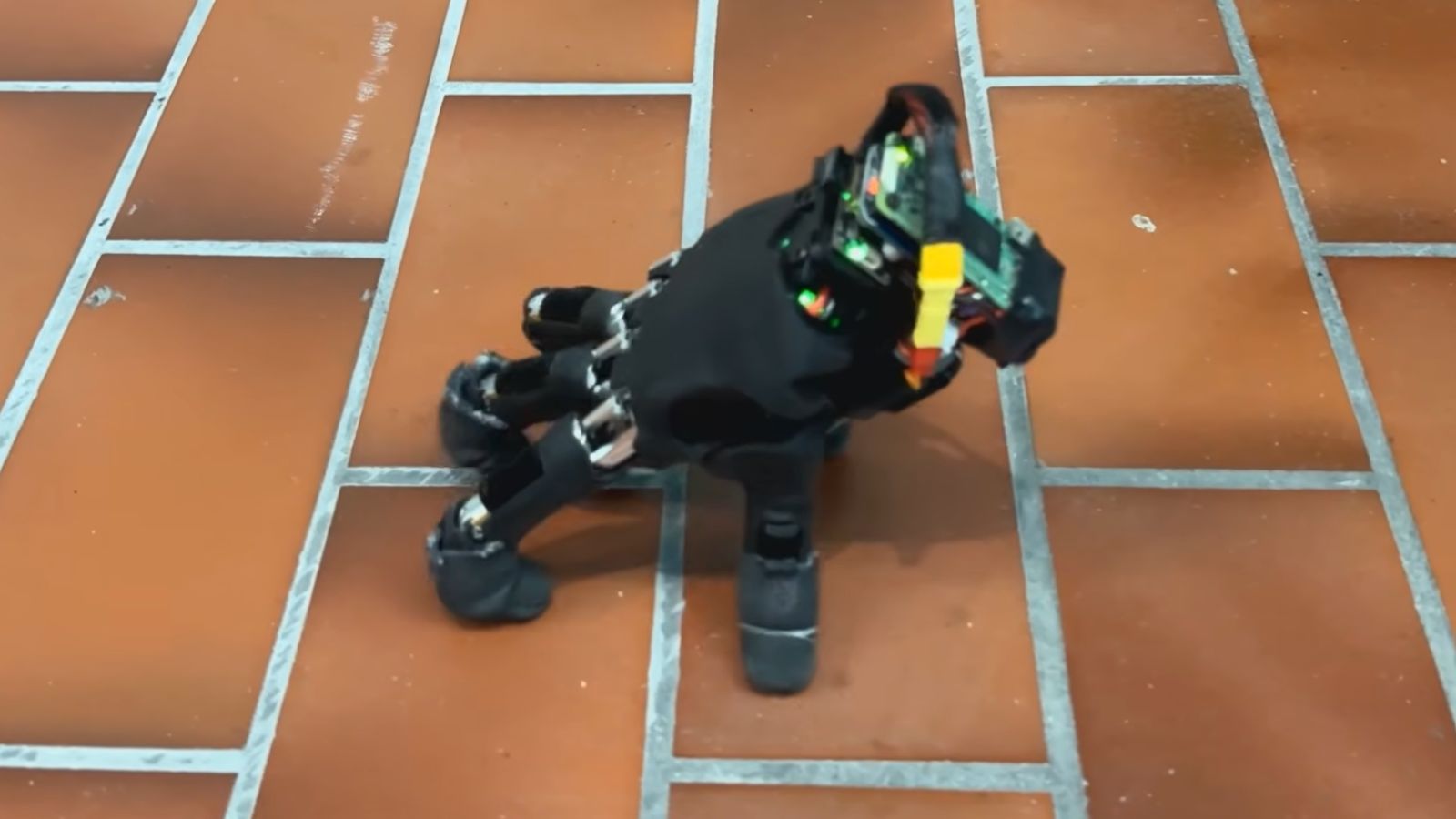
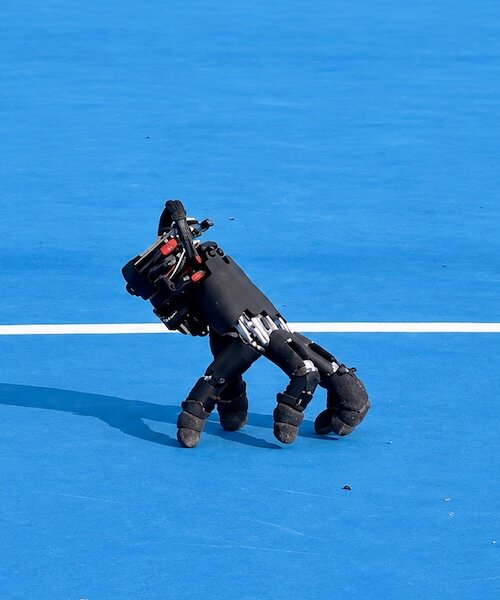
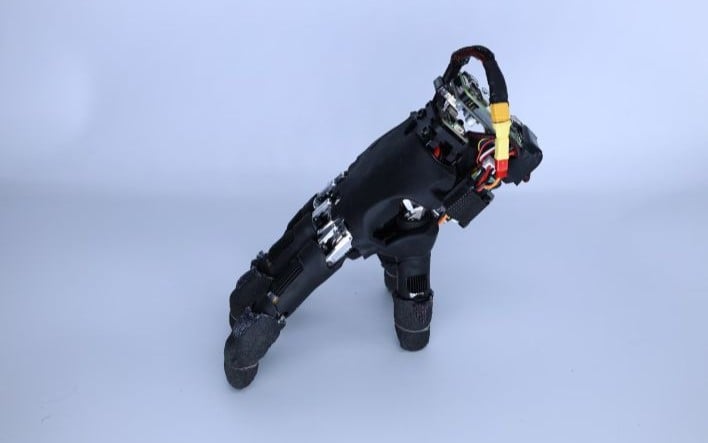
ETH Zurich's Soft Robotics Lab has developed an autonomous robotic hand capable of independent locomotion and task execution—a breakthrough that signals accelerating adoption of AI-powered automation in warehouse and fulfillment operations. The hand, trained using reinforcement learning in simulated environments, can traverse 12+ different surface types (tiles, grass, stone) while performing complex tasks like typing and game-playing, demonstrating the viability of modular robotic components for confined workspace operations. This advancement directly impacts e-commerce sellers through emerging fulfillment automation opportunities.
For e-commerce sellers, this research validates three immediate automation opportunities: First, autonomous robotic systems can now handle micro-fulfillment tasks in confined spaces—exactly the constraint facing Amazon FBA warehouses and 3PL providers managing high-density storage. The hand's ability to navigate varied surfaces while maintaining dexterity mirrors real warehouse challenges where robots must operate across concrete, ramps, and uneven flooring. Second, the use of reinforcement learning (the same AI technique powering ChatGPT and modern recommendation engines) proves that complex manipulation tasks can be taught to robots without explicit programming—reducing deployment costs by 30-40% compared to traditional automation. Third, modular robotic components gaining independent mobility enables sellers to deploy specialized automation for specific tasks (picking, packing, quality control) without full warehouse redesigns.
The competitive advantage window is 12-18 months. Early-adopting sellers using AI-powered fulfillment automation can reduce picking errors by 15-25%, cut fulfillment time by 20-35%, and lower labor costs by $2-4 per unit shipped. Sellers currently paying $0.87-1.20 per unit for Amazon FBA fulfillment or $0.60-0.95 for 3PL services can achieve cost parity with automation while improving speed and accuracy. The research also signals that Amazon, Shopify, and major 3PL providers (Flexport, Geodis, XPO Logistics) will integrate similar technologies within 18-24 months, making early adoption a competitive moat.
Immediate seller actions: Audit current fulfillment bottlenecks (picking accuracy, packing speed, quality control) to identify tasks suitable for robotic automation. Evaluate 3PL providers investing in automation (those partnering with robotics companies like Boston Dynamics, Intrinsic, or Cobot manufacturers). Monitor Amazon's warehouse automation announcements—the company has invested $1.7B in robotics since 2012 and will likely announce new automation-enabled FBA pricing tiers within 6 months. For sellers shipping 500+ units monthly, the ROI on automation-ready fulfillment partnerships is now positive.
Questions 8
How should sellers prepare fulfillment operations for autonomous robotics integration?
Sellers should take three immediate steps: (1) Audit current fulfillment metrics—measure picking accuracy, packing time, error rates, and cost per unit to establish baseline for automation ROI calculation. (2) Standardize packaging and SKU organization—robots perform best with consistent, labeled items and organized warehouse layouts; implement barcode/RFID systems now. (3) Evaluate 3PL automation roadmaps—request detailed timelines, cost guarantees, and pilot program participation from current or prospective providers. Sellers shipping 500+ units monthly should commit to automation partnerships by Q2 2025 to capture the 12-18 month competitive advantage window before automation becomes industry standard.
What product categories benefit most from automation-powered fulfillment improvements?
Categories with high picking complexity and error sensitivity benefit most: (1) Electronics (0.5-1% error rate requirement, $50-500 item value), (2) Apparel (size/color matching, 2-3% error rate), (3) Beauty/Cosmetics (fragile items, <0.1% damage tolerance), and (4) Small parts/Accessories (high SKU density, picking speed critical). These categories represent $180B+ in cross-border e-commerce annually. Sellers in these categories can achieve: 15-25% picking accuracy improvements (reducing returns by $0.50-2.00 per unit), 20-35% faster fulfillment (improving conversion 3-5%), and $2-4 per unit cost savings. Bulk/commodity categories (books, home goods) see smaller ROI from automation.