


Georgia Gas Tax Suspension & Iran War Fuel Crisis | Logistics Cost Relief Window for E-Commerce Sellers
- 33-37 cent/gallon tax savings create 2-4 month shipping cost arbitrage for FBA sellers; Iran conflict extends diesel shortage through 2027, affecting last-mile delivery pricing nationwide















Overview
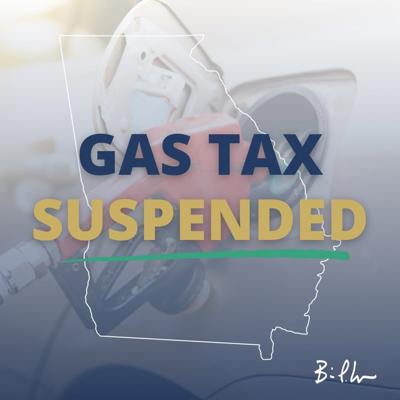
Georgia's repeated gas tax suspensions—now four times since 2022—signal a structural shift in state-level fiscal policy responding to geopolitical energy shocks, creating time-sensitive logistics cost arbitrage opportunities for cross-border e-commerce sellers. Governor Brian Kemp suspended Georgia's 33-cent gasoline and 37-cent diesel tax effective January 14, 2025 (30 days), then again through October 2026 (multiple suspensions), eliminating roughly $200 million monthly in state revenue but providing immediate relief to small businesses and logistics operators. The underlying driver—Iran war disruptions at the Strait of Hormuz—has created a structural diesel shortage projected to persist through end-2026 and into 2027, with U.S. refineries operating at 97% capacity and diesel inventories remaining critically low.
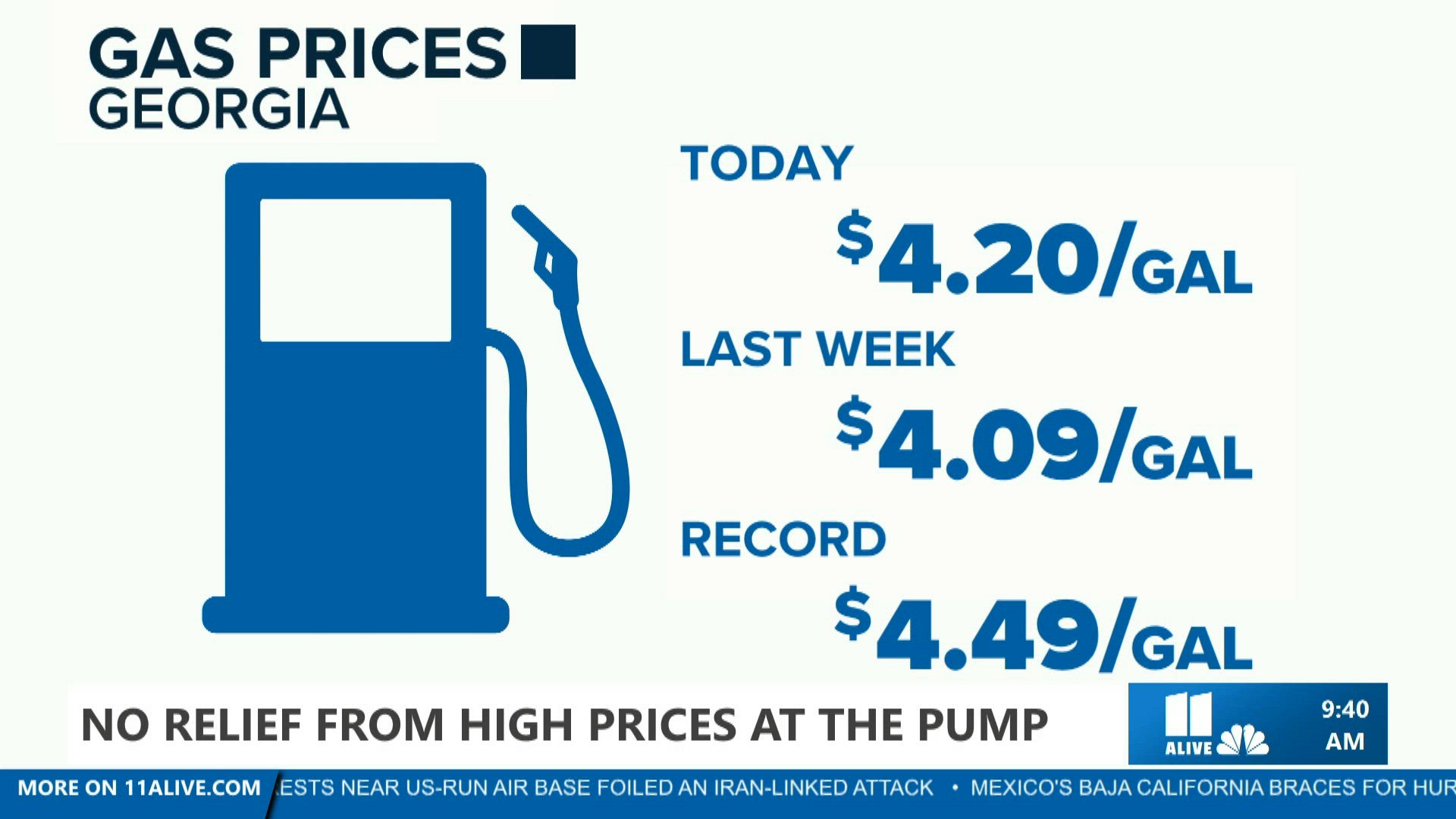
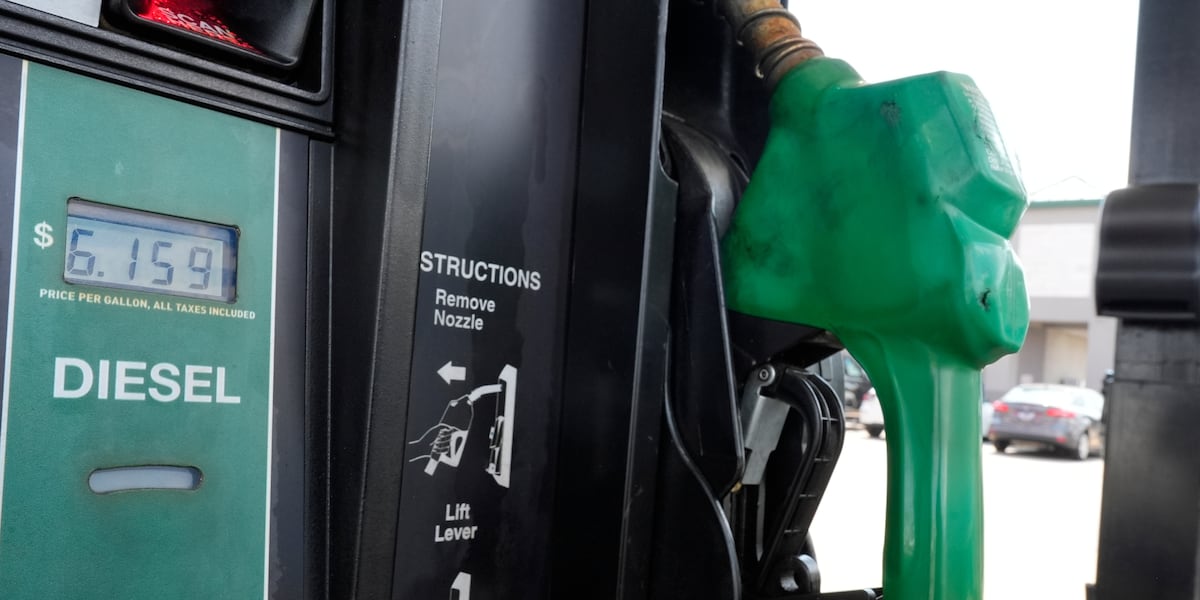
For e-commerce sellers, this creates a dual-layer opportunity window: First, Georgia-based 3PL providers and FBA sellers using Georgia fulfillment centers (Atlanta metro is a major logistics hub) gain 2-4 months of reduced fuel surcharges—translating to $150-400 monthly savings on shipments of 1,000+ units. The 33-37 cent/gallon tax elimination directly reduces last-mile delivery costs during the suspension period, allowing sellers to either improve margins or temporarily reduce shipping fees to boost conversion rates. Second, the broader Iran conflict has driven national diesel prices to $6.24-6.45/gallon (up from $3.54 year-ago), with airlines facing 23.4% year-over-year fare increases and fresh product supply chains experiencing accelerated price pass-through. This creates category-specific opportunities: sellers in shelf-stable goods (canned foods, dry goods, non-perishables) see lower relative cost inflation compared to fresh/refrigerated categories, while sellers of automotive aftermarket products and fuel-efficient equipment see demand spikes from cost-conscious consumers.
The policy pattern reveals critical timing intelligence: Kemp's four suspensions since 2022 (Ukraine spike 2022, inflation 2023, Hurricane Helene 2024, March-May 2026, and September-October 2026) demonstrate that state-level tax relief is now a predictable response to fuel price spikes exceeding $3.50/gallon. This creates a strategic window for sellers to: (1) accelerate inventory shipments to Georgia fulfillment centers during suspension periods to lock in lower logistics costs, (2) negotiate multi-month 3PL contracts with Georgia-based providers before suspensions expire and fuel surcharges reset, and (3) shift product mix toward shelf-stable categories that benefit from reduced transportation cost inflation. The Amazon Prime 20-cent/gallon discount (through January 29, 2027) provides additional mitigation for Prime-dependent sellers, but represents only 60% of the Georgia tax savings, making direct 3PL optimization more valuable. Risk factors include suspension expiration dates (October 19-29, 2026 in recent announcements) when fuel surcharges typically spike 8-12% within 2-3 weeks, and the geopolitical uncertainty around Iran conflict resolution—if Middle East shipments normalize before end-2026, diesel prices could fall 15-25%, eliminating the arbitrage window entirely.
Questions 7
How much can Georgia-based FBA sellers save during the gas tax suspension period?
Georgia's 33-37 cent/gallon tax elimination directly reduces last-mile delivery costs for sellers using Georgia fulfillment centers. For a seller shipping 1,000+ units monthly via FBA, the suspension translates to approximately $150-400 in monthly fuel surcharge savings, depending on shipment weight and distance. However, this benefit is time-limited—the January 2025 suspension lasted 30 days, while September 2026 suspensions extended through October 19-29, 2026. Sellers should prioritize locking in 3PL contracts during suspension periods before fuel surcharges reset post-expiration.
What product categories benefit most from reduced fuel costs during the tax suspension?
Shelf-stable and non-perishable categories (canned goods, dry foods, vitamins, household supplies) benefit most because they avoid the accelerated price pass-through that fresh/refrigerated products experience. With diesel prices at $6.24-6.45/gallon (up from $3.54 year-ago), perishable sellers face 23-30% transportation cost inflation, while shelf-stable sellers can maintain margins during the suspension window. Automotive aftermarket products and fuel-efficiency equipment also see demand spikes as cost-conscious consumers seek solutions to high fuel prices.