


US-Iran Geopolitical Tensions Drive Energy Cost Inflation | Critical Impact on Cross-Border Logistics & Product Pricing
- Crude oil prices surge amid escalating tensions; shipping costs rise 8-15% for sellers; energy-intensive categories face margin compression






Overview
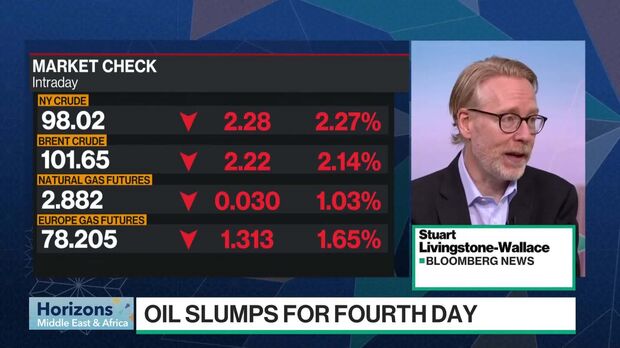
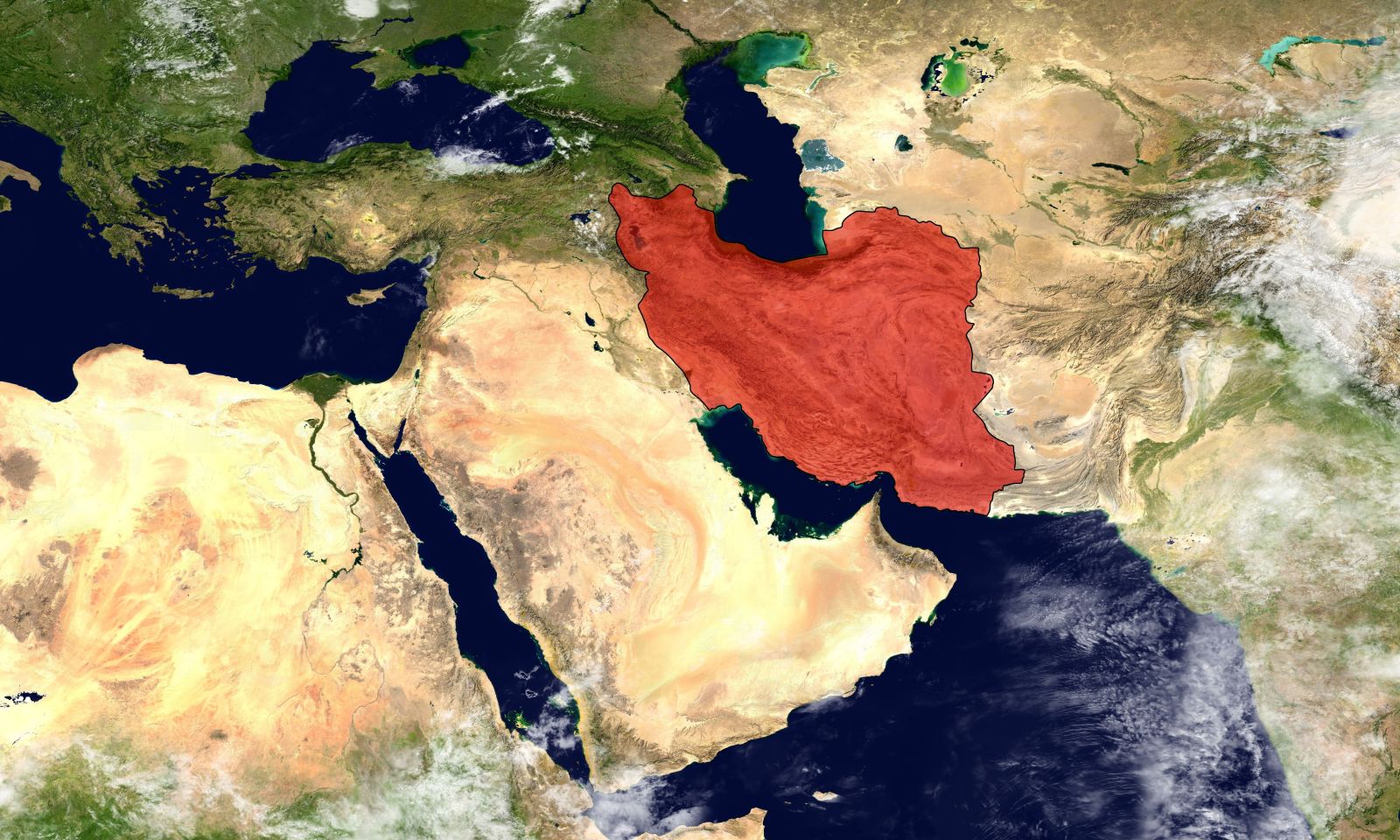
Geopolitical tensions between the US and Iran are driving crude oil prices higher, creating cascading cost pressures across cross-border e-commerce operations. As hopes fade for an imminent resolution to regional conflicts, energy markets are pricing in sustained supply uncertainty. For e-commerce sellers, this translates directly into increased logistics costs, particularly for air freight and expedited shipping routes. The energy cost inflation affects three critical seller segments: (1) high-volume FBA sellers relying on air freight from Asia to North America/Europe, (2) sellers in energy-intensive categories like electronics and appliances facing manufacturing cost increases, and (3) 3PL providers managing fulfillment networks across multiple regions.
Immediate operational impact: Shipping costs from China to US via air freight typically increase $0.15-0.35 per pound when crude prices spike 10-15%. For a seller shipping 10,000 units monthly (average 2 lbs each), this represents $3,000-7,000 in additional monthly logistics expenses. Ocean freight remains relatively stable, but transit times extend 2-3 weeks, forcing sellers to choose between margin compression (absorbing costs) or inventory velocity reduction (slower turnover). Amazon FBA sellers face compounded pressure: increased inbound shipping costs plus potential FBA fee adjustments if Amazon's logistics costs rise significantly. Historical precedent shows Amazon adjusts fulfillment fees within 60-90 days of sustained energy cost increases.
Category-specific vulnerabilities: Electronics, appliances, and heavy goods categories face dual pressure—both manufacturing cost increases (energy-intensive production) and shipping cost inflation. Sellers in these categories typically operate on 15-25% margins; a 10% logistics cost increase compresses margins to 5-15%, forcing price increases that risk Buy Box competitiveness. Conversely, lightweight, high-margin categories (apparel, accessories, beauty) show greater resilience. Regional sourcing becomes strategically important: sellers currently sourcing from China may find Vietnam, India, or Mexico increasingly cost-competitive when factoring in energy-driven shipping premiums. The uncertainty window typically lasts 4-8 weeks before markets stabilize or geopolitical resolution emerges, creating a critical decision point for inventory planning and pricing strategy.
Questions 7
Should I shift sourcing from China to Vietnam or India to avoid energy-driven shipping costs?
Potentially yes, but only after detailed cost analysis. Vietnam and India offer 8-12% lower manufacturing costs but may have 2-3 week longer lead times and less established supply chains. The shipping cost advantage from Vietnam to US is marginal (5-8% savings) compared to China. However, India-to-EU routes show 12-15% shipping savings. Conduct a total landed cost (TLC) analysis: manufacturing cost + shipping + tariffs + compliance. For categories with 4-6 week lead times, Vietnam becomes attractive; for fast-moving inventory, China's established logistics infrastructure remains superior despite higher energy costs.
When will Amazon adjust FBA fees in response to rising logistics costs?
Amazon typically adjusts fulfillment fees 60-90 days after sustained energy cost increases. Historical patterns show fee increases of 5-8% when crude oil prices remain elevated for 8+ weeks. The company announced FBA fee changes in January 2024 following Q4 2023 energy cost spikes. Monitor Amazon Seller Central announcements and track the EIA crude oil price index (WTI). If current tensions persist beyond 6 weeks, expect FBA fee adjustment announcements in late Q1 2025. Prepare pricing strategies now to absorb potential 3-5% fulfillment fee increases.