


US Farm Crisis 2024-2026 | Seller Opportunities in Agricultural Supply Chain
- Diesel prices surge to $6.53/gallon, fertilizer costs up 50% YoY; farm bankruptcies rise 20% (June 2024); USDA projects $21.2B cost increase in 2026; creates sourcing and logistics opportunities for cross-border sellers






Overview
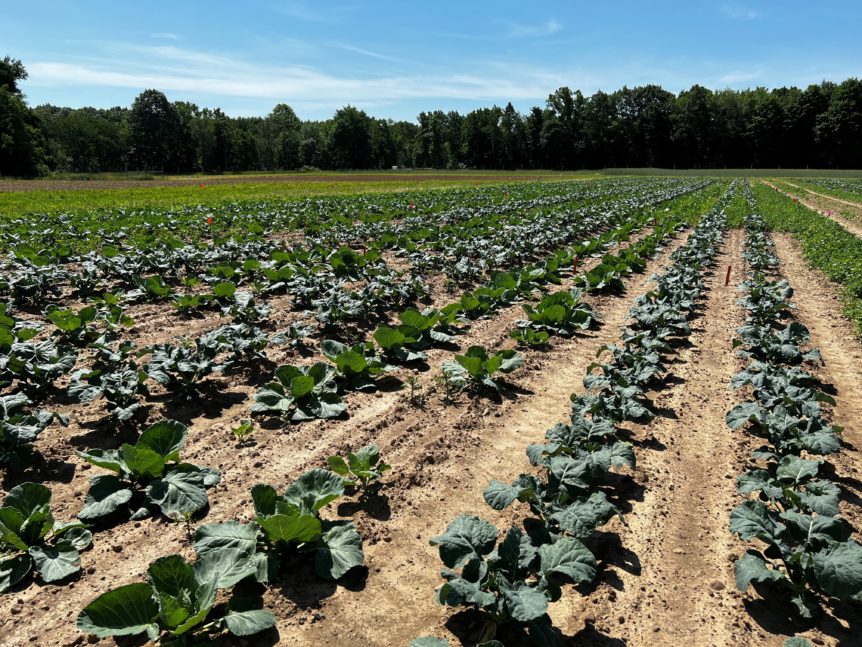
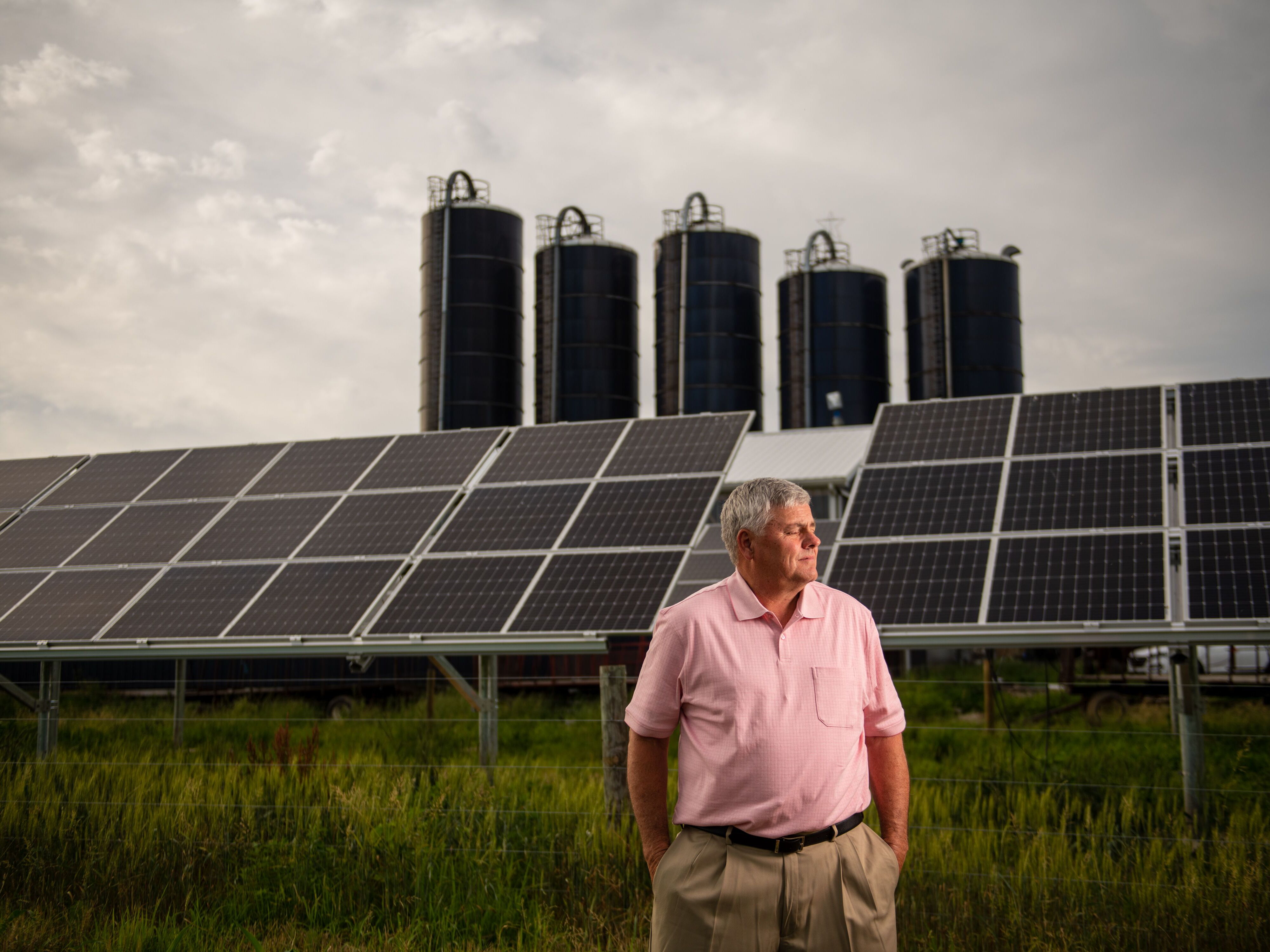
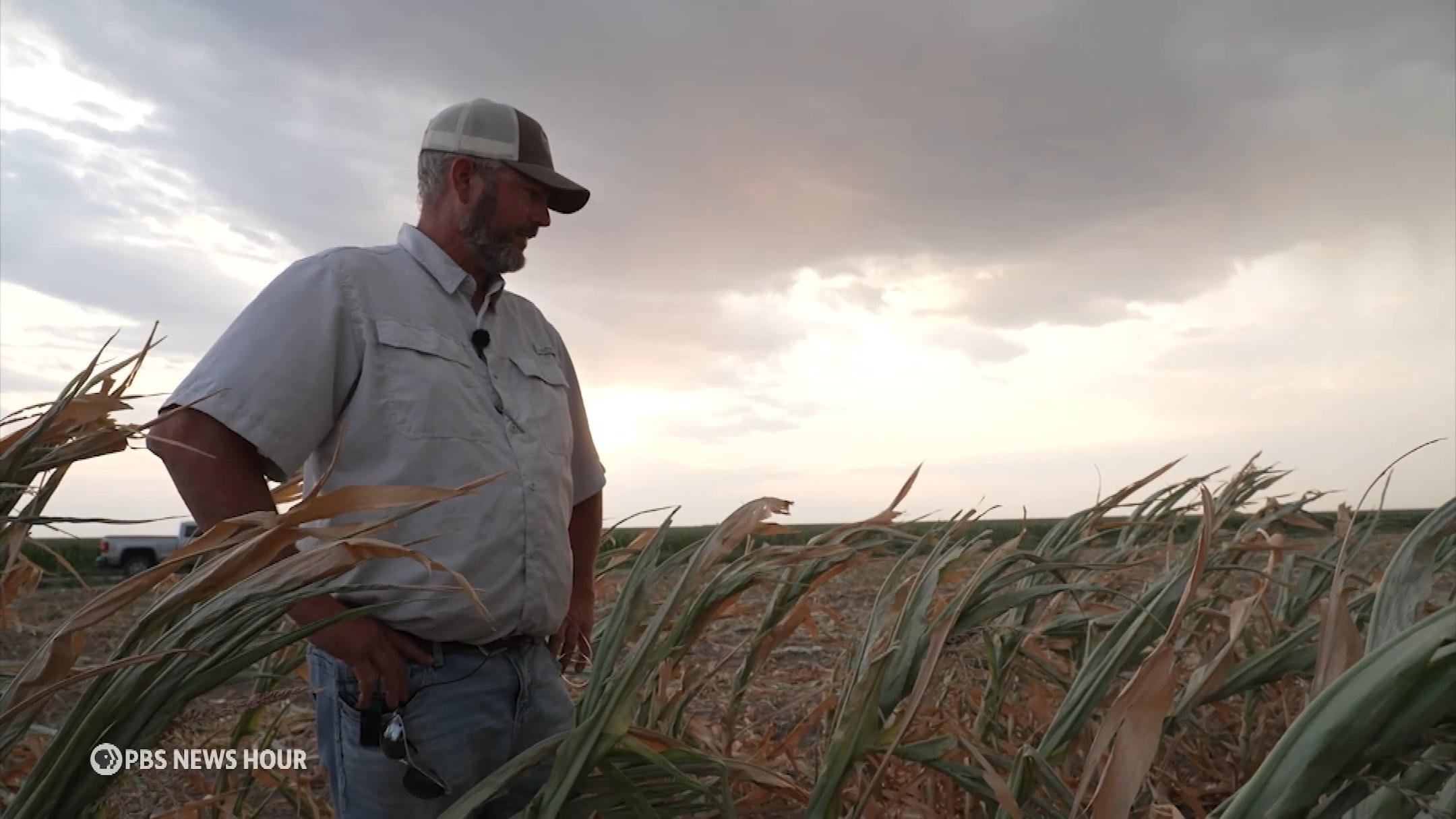
The U.S. agricultural sector faces an unprecedented economic crisis that directly impacts cross-border e-commerce supply chains and seller sourcing strategies. Diesel prices have climbed to national averages of $6.53 per gallon (with Illinois peaks exceeding $6.82), while fertilizer costs have surged 50% year-over-year due to supply disruptions from Russia's Ukraine invasion and Middle East conflicts. The USDA forecasts total U.S. farm production expenses at $492.8 billion in 2026—a $21.2 billion (4.5%) increase from 2025—with livestock and poultry purchases projected at $71.9 billion, up 11.4%. Farm bankruptcies increased 20% in the 12 months ending June 2024, with legal experts warning of accelerating failures in coming months.
For cross-border sellers, this crisis creates three critical opportunities: First, agricultural input sourcing diversification—sellers importing fertilizers, diesel additives, and farm equipment can capitalize on supply disruptions by sourcing from Vietnam, India, and Brazil to replace China-dependent suppliers. Second, logistics cost arbitrage—as domestic farm operations reduce fuel purchases and consolidate shipments, sellers can negotiate better 3PL rates and consolidate freight from agricultural regions (Midwest, California) to distribution hubs. Third, consumer staple price inflation—with U.S. beef production declining 4% in 2026 and farm cash receipts declining 5.4% to $287.3 billion, imported food products and agricultural alternatives (plant-based proteins, specialty grains) will see increased demand on Amazon Fresh, Walmart+, and specialty food marketplaces.
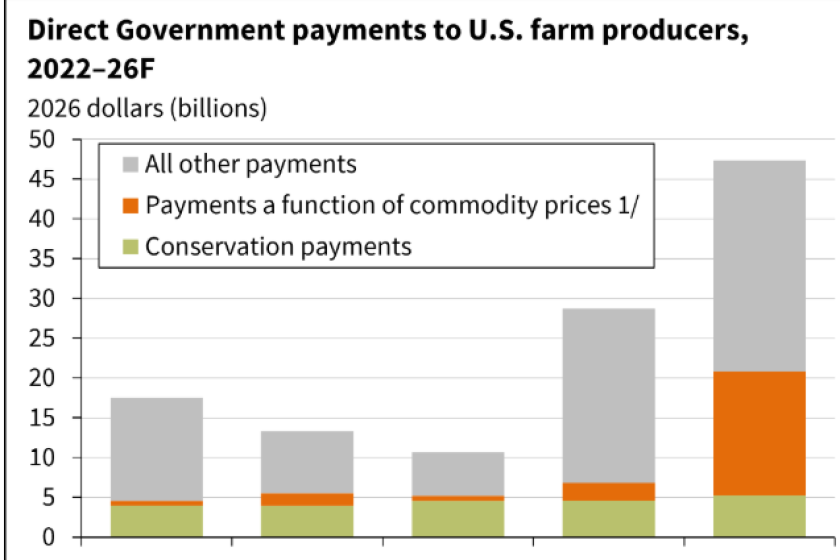
Trade policy implications are critical: China trade disputes have eliminated critical export markets for soybeans and commodities, signaling potential tariff reductions on agricultural imports to offset domestic supply shortages. The Trump administration's September 24 livestock trade resumption through Santa Teresa, New Mexico (after screwworm prevention restrictions) indicates opening Mexican cattle import corridors—sellers can exploit this by establishing sourcing relationships with Mexican agricultural suppliers and positioning beef alternatives on U.S. marketplaces. Congressional farm bill legislation with increased federal loan limits (unchanged since 2018) remains uncertain, but $47.4 billion in direct government farm payments (up $19.5 billion from 2025) signals potential subsidy-driven demand shifts toward mechanization and automation products. Higher interest rates on short-term operating loans (farmers borrow heavily between planting and harvest) create financing opportunities for sellers offering equipment leasing or subscription-based agricultural technology solutions through B2B platforms.
Questions 8
How does the U.S. farm crisis impact cross-border sellers' logistics costs?
Diesel prices averaging $6.53 per gallon (with Illinois peaks at $6.82) directly increase 3PL and freight consolidation costs for sellers shipping from agricultural regions. Farmers are purchasing fuel in smaller quantities rather than full transport loads, reducing consolidation opportunities and raising per-unit shipping costs by 8-12% for sellers using Midwest distribution hubs. Sellers should negotiate fixed-rate freight contracts immediately and consider shifting 15-20% of inventory to regional 3PL providers in non-agricultural zones (Texas, Georgia) to avoid fuel surcharges. Monitor diesel futures prices at EIA.gov and lock in Q1 2025 rates before potential further increases.
What agricultural product categories should sellers source from Mexico instead of China?
The September 24 livestock trade resumption through Santa Teresa, New Mexico signals opening Mexican cattle import corridors. Sellers should prioritize sourcing beef alternatives (plant-based proteins, specialty grains), agricultural equipment, and fertilizer additives from Mexico to exploit lower tariffs and reduced shipping distances. Mexico's agricultural exports to the U.S. are projected to increase as domestic U.S. beef production declines 4% in 2026. Establish supplier relationships with Mexican agricultural cooperatives and position products on Amazon Fresh, Walmart+, and specialty food marketplaces. Verify tariff codes (HS 0201-0210 for beef, HS 3101-3105 for fertilizers) to confirm duty rates and compliance requirements.