

Nothing Headphone (1) Pro $399 Launch | Celebrity Influencer Strategy Drives Premium Audio Sales
- BTS V global ambassador partnership mirrors Charli XCX's 48-hour UK/EU sellout; September 29 launch targets holiday season demand across Amazon, Best Buy, and DTC channels



_case.jpg)


_case.jpg)


Overview
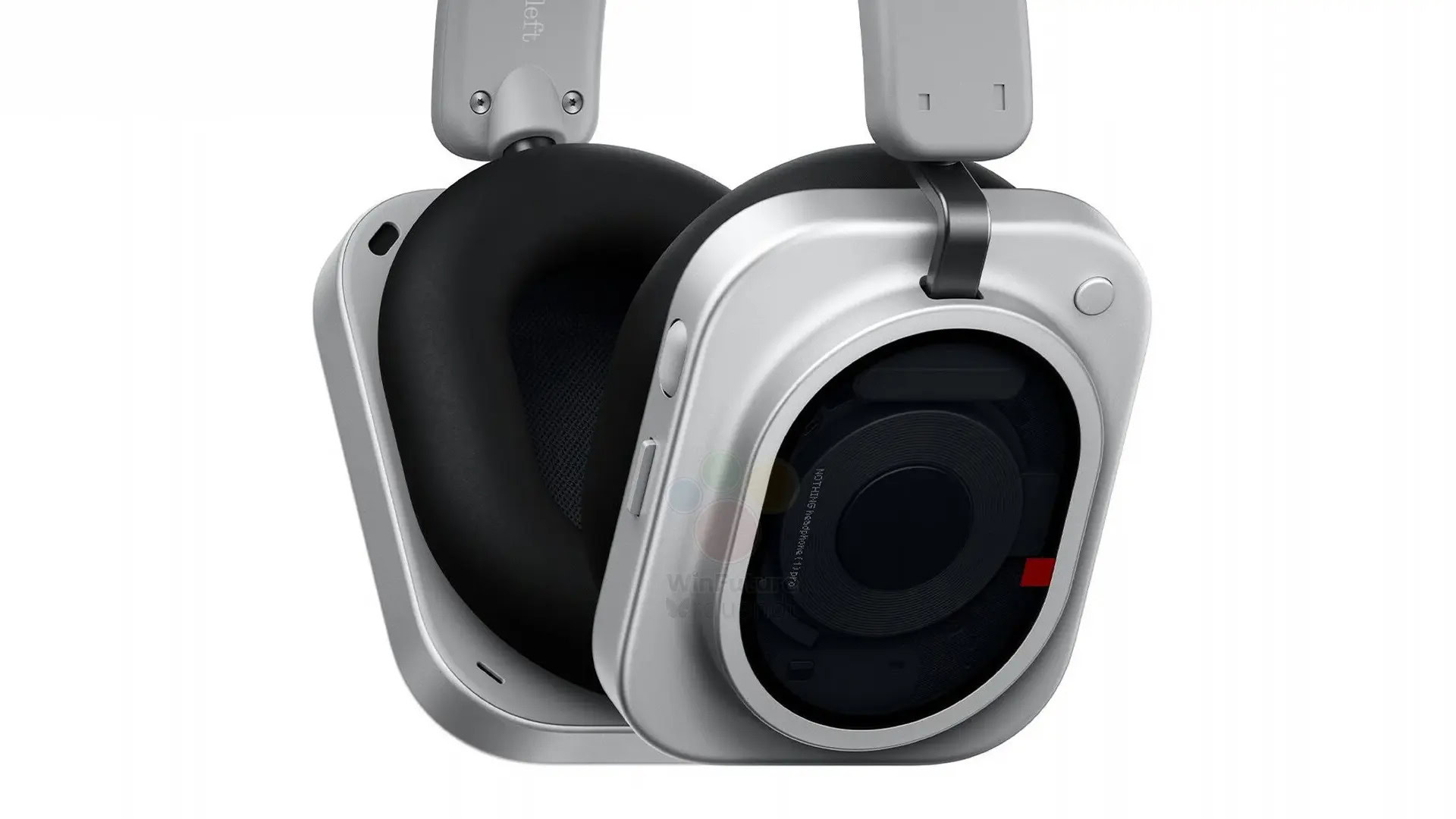
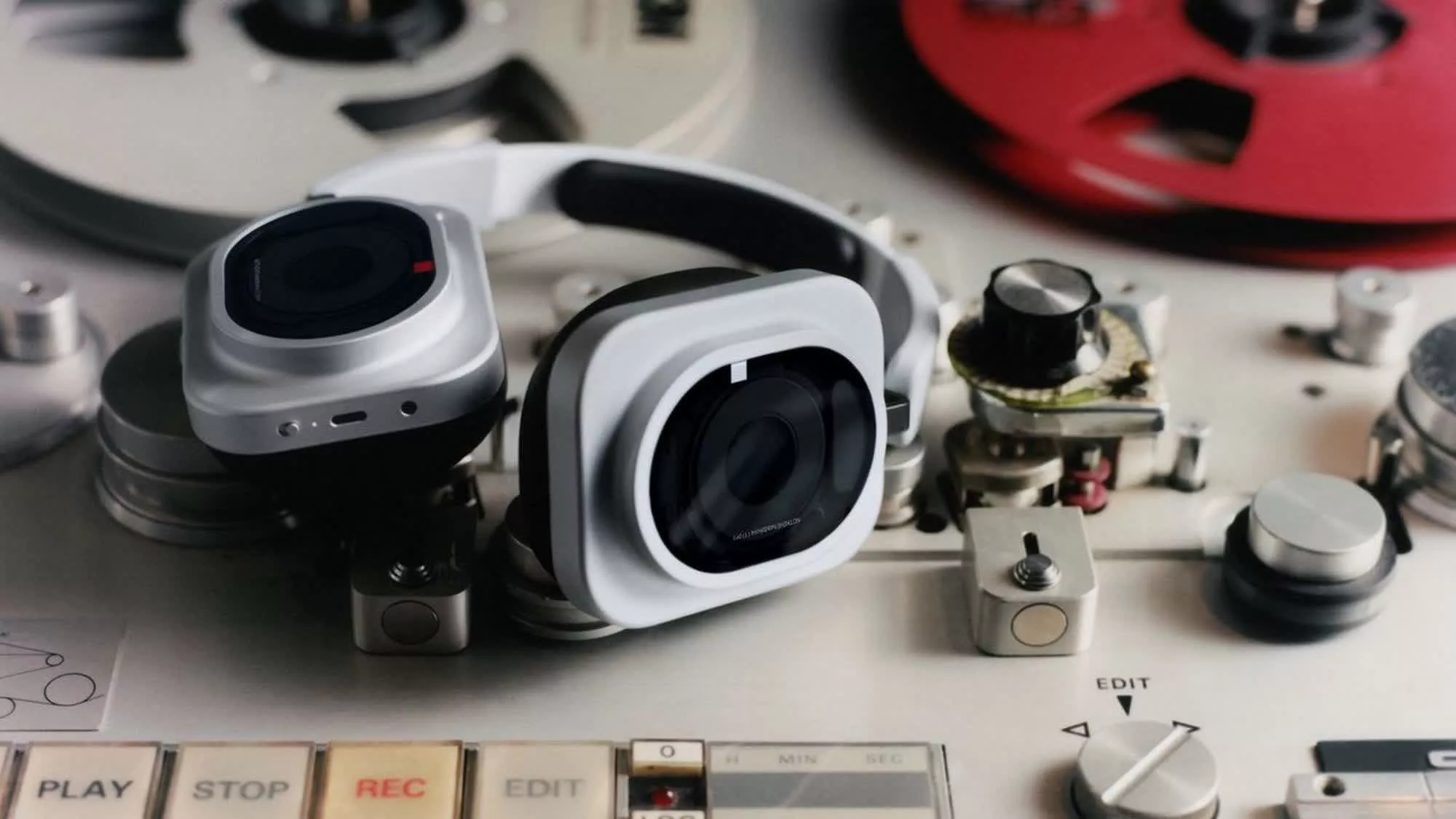
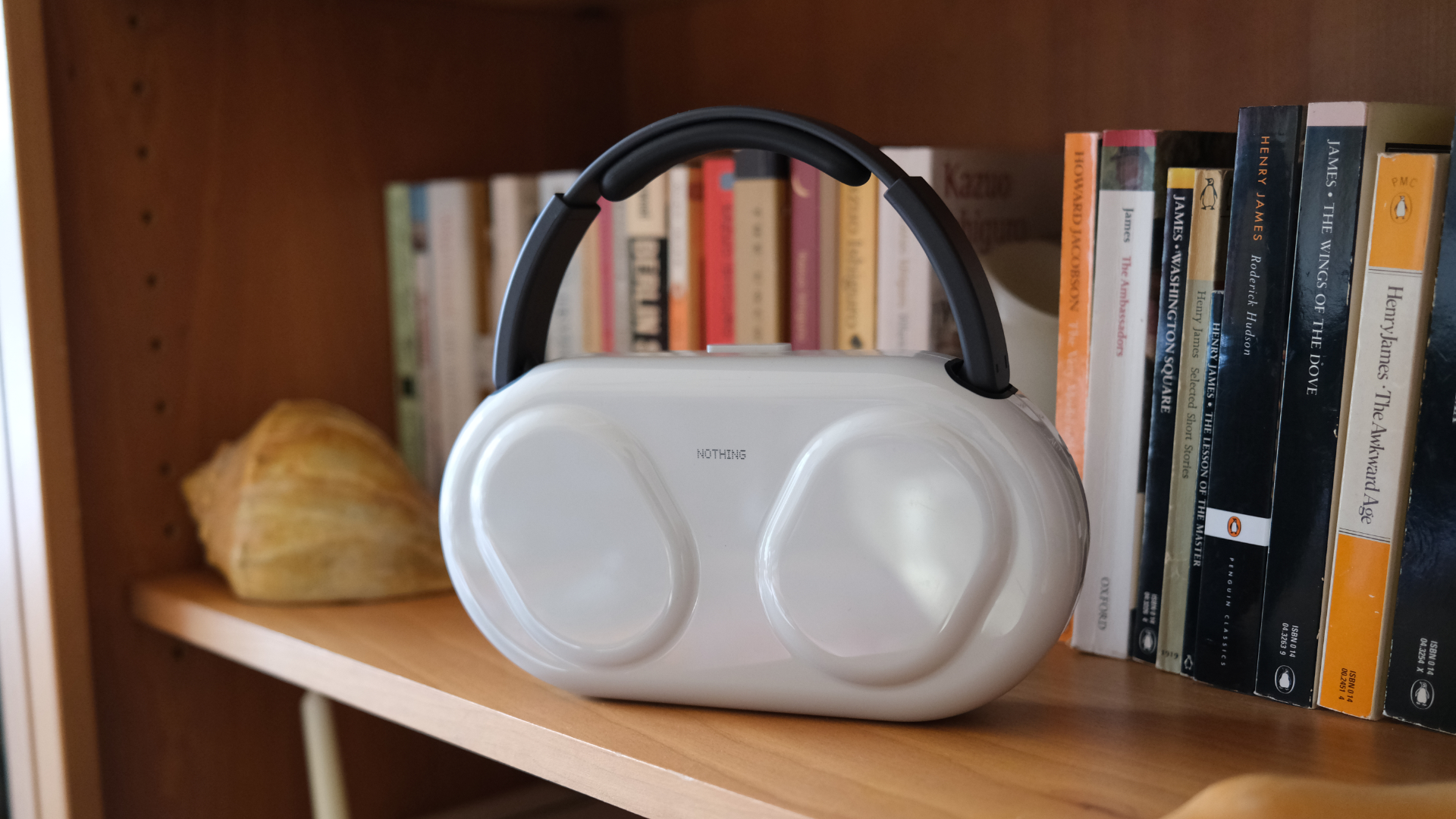
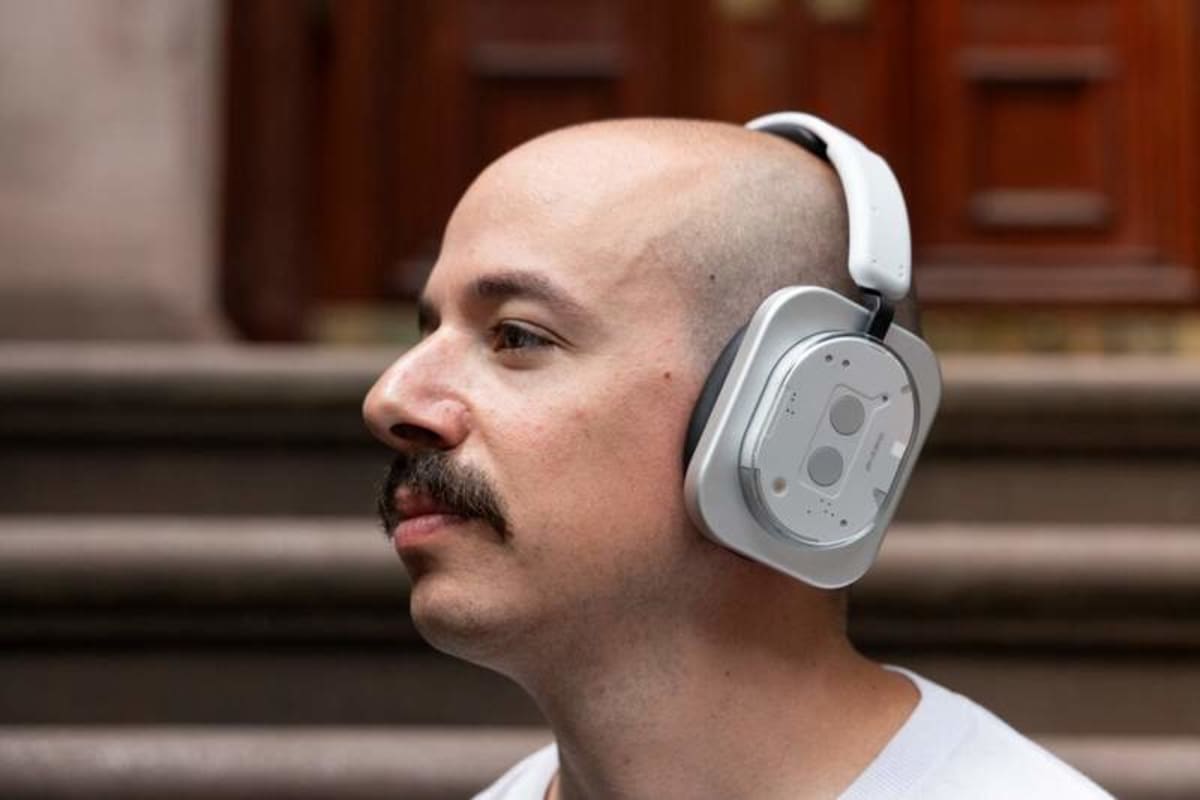
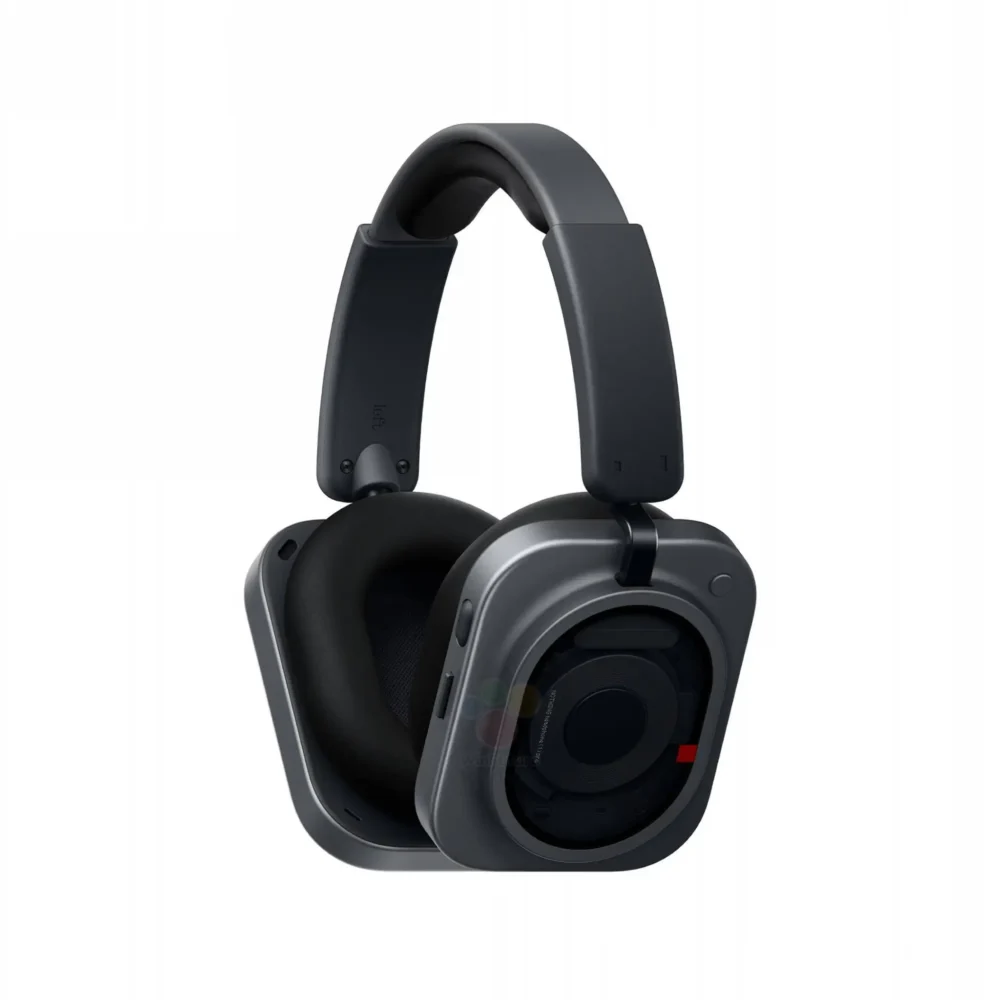
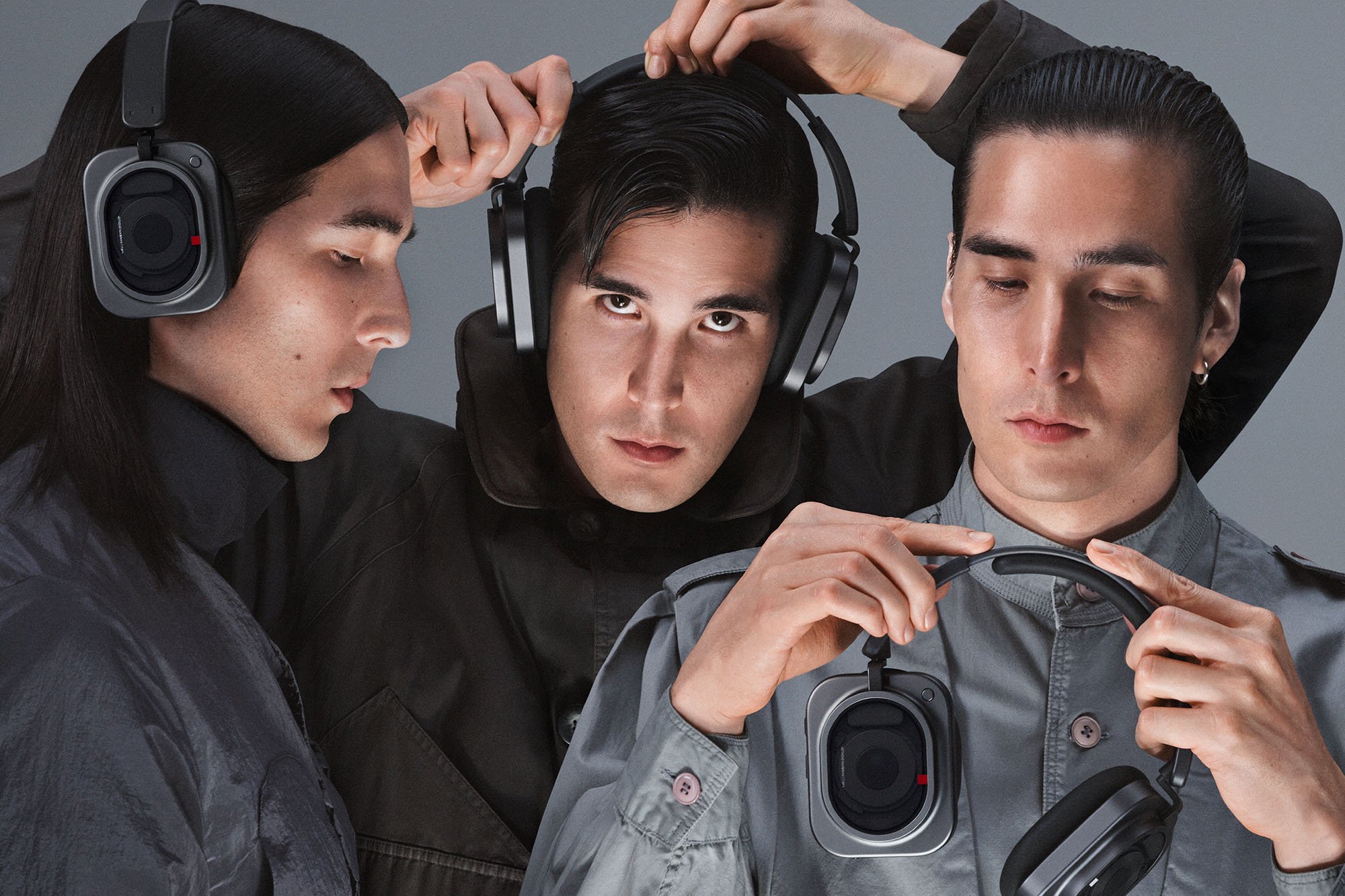
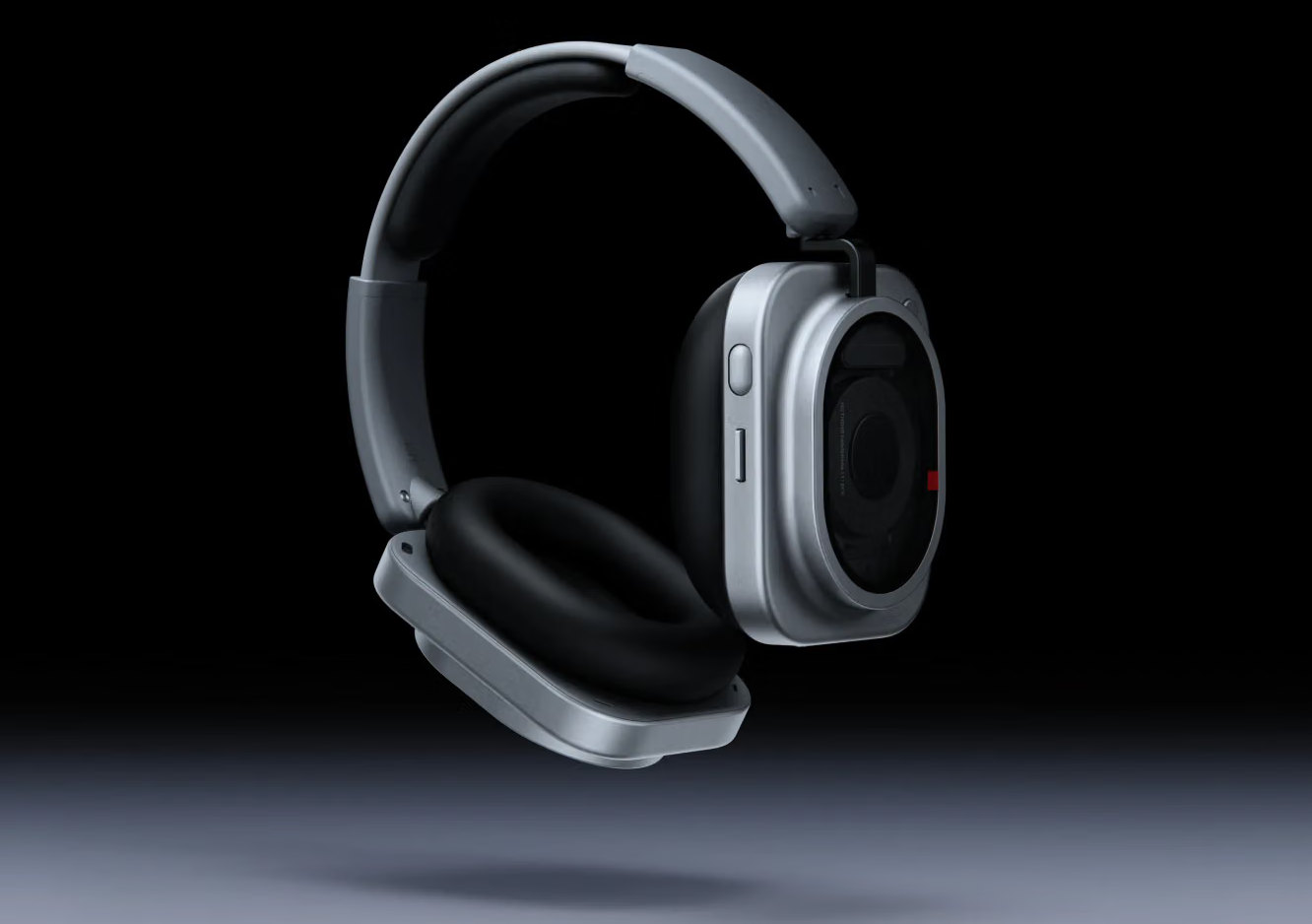
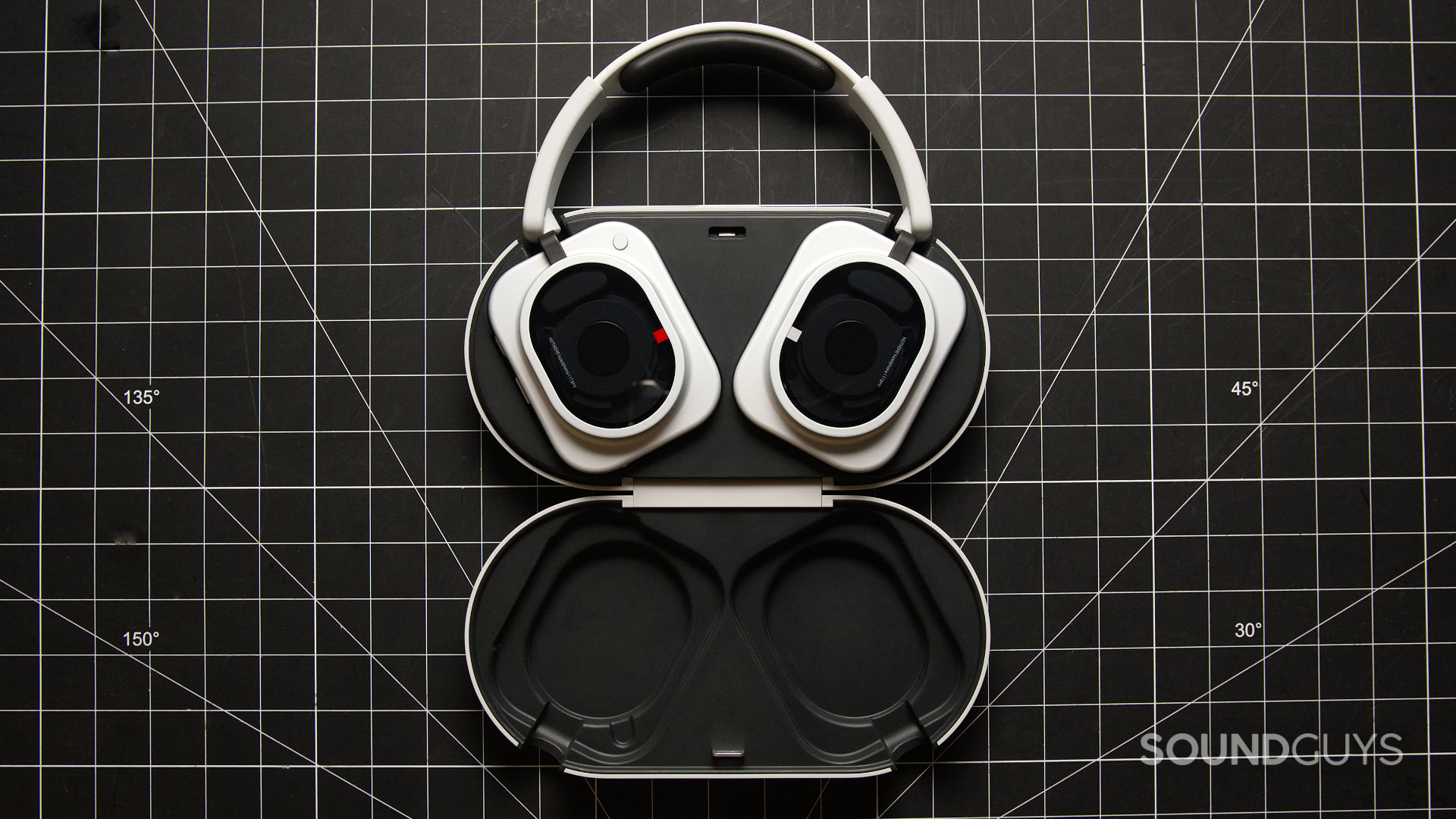
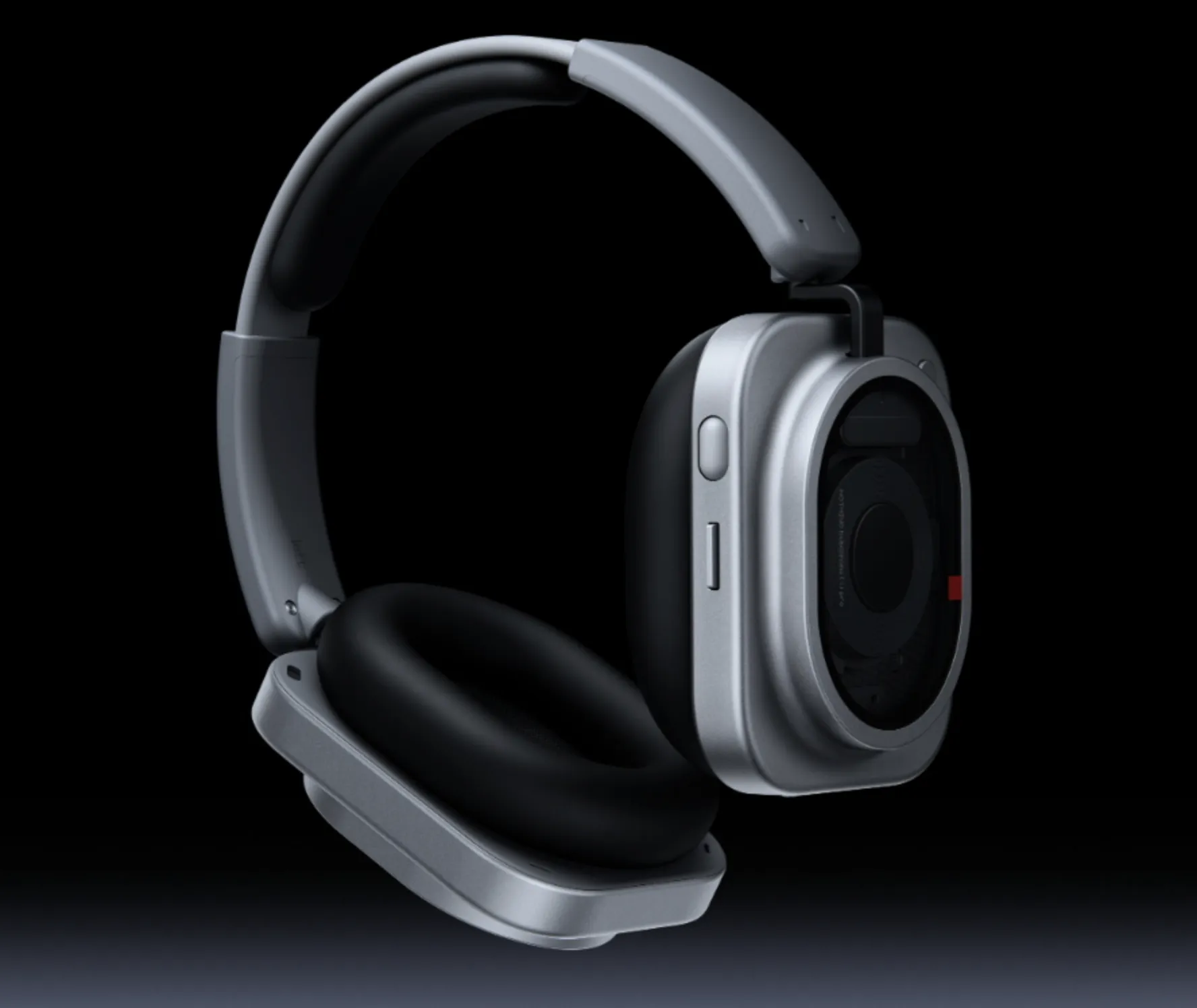
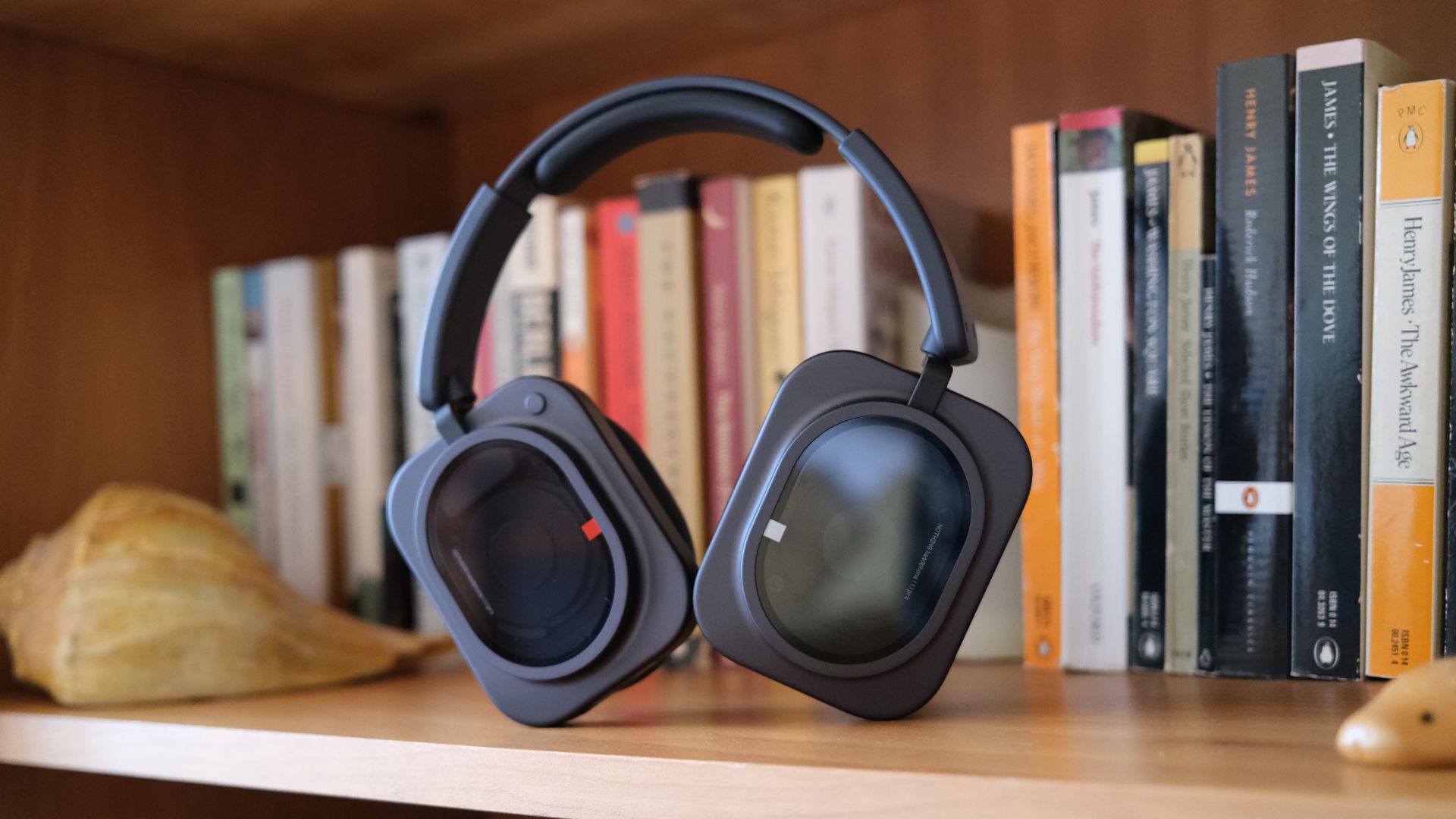
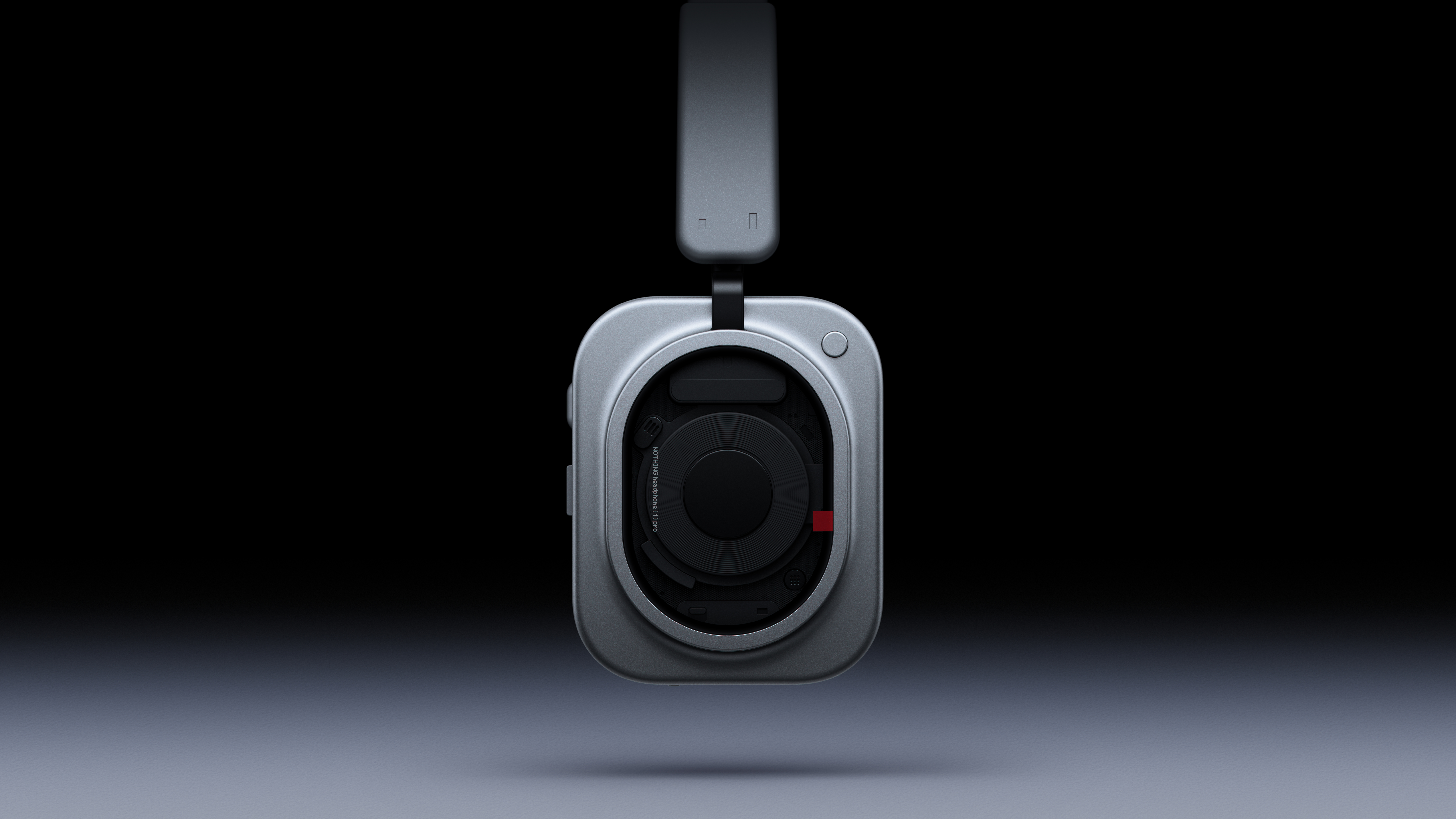
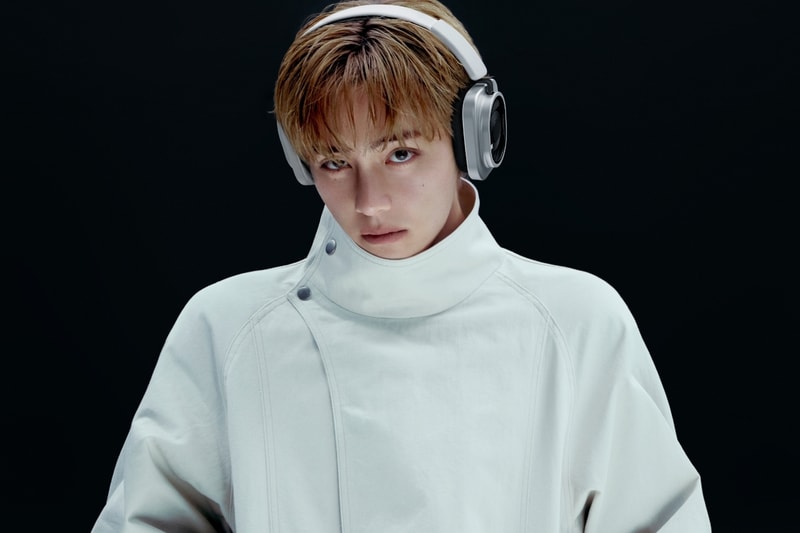
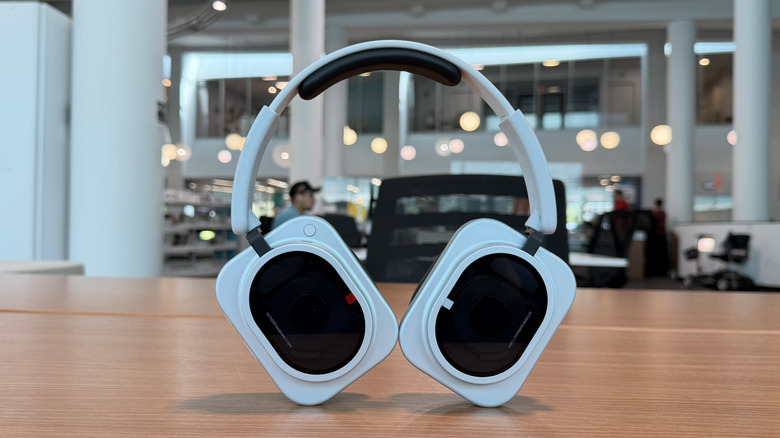
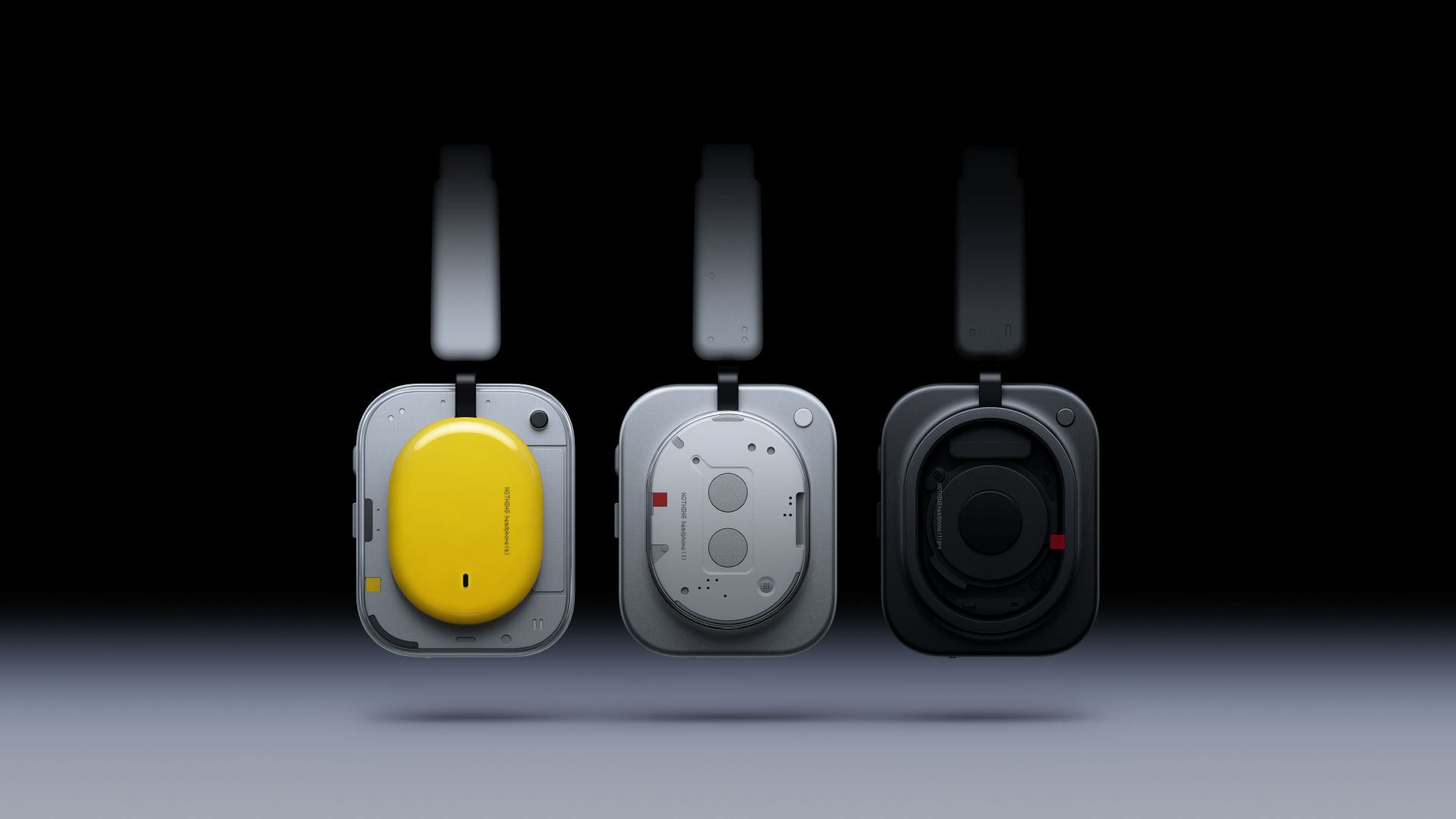
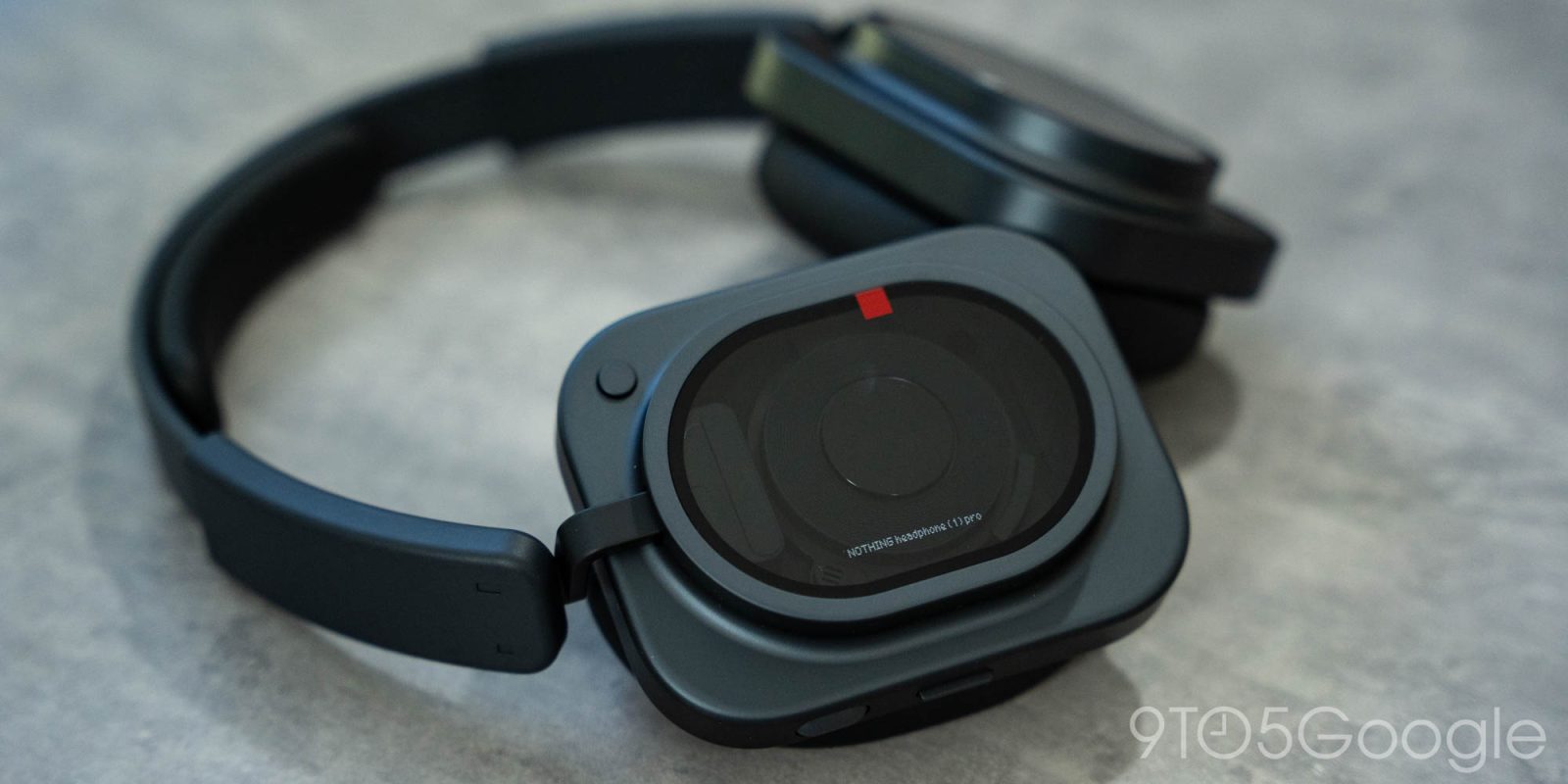
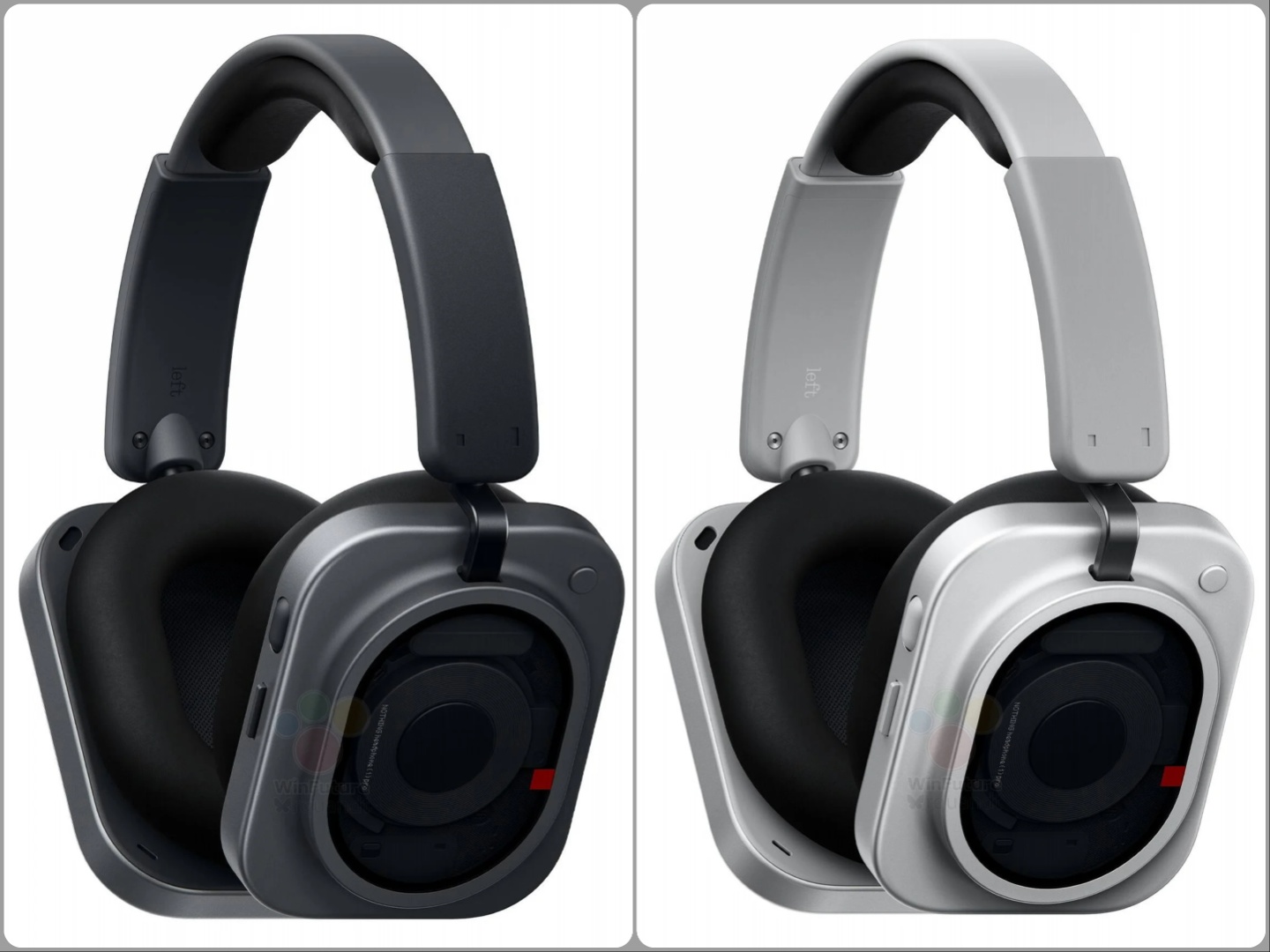
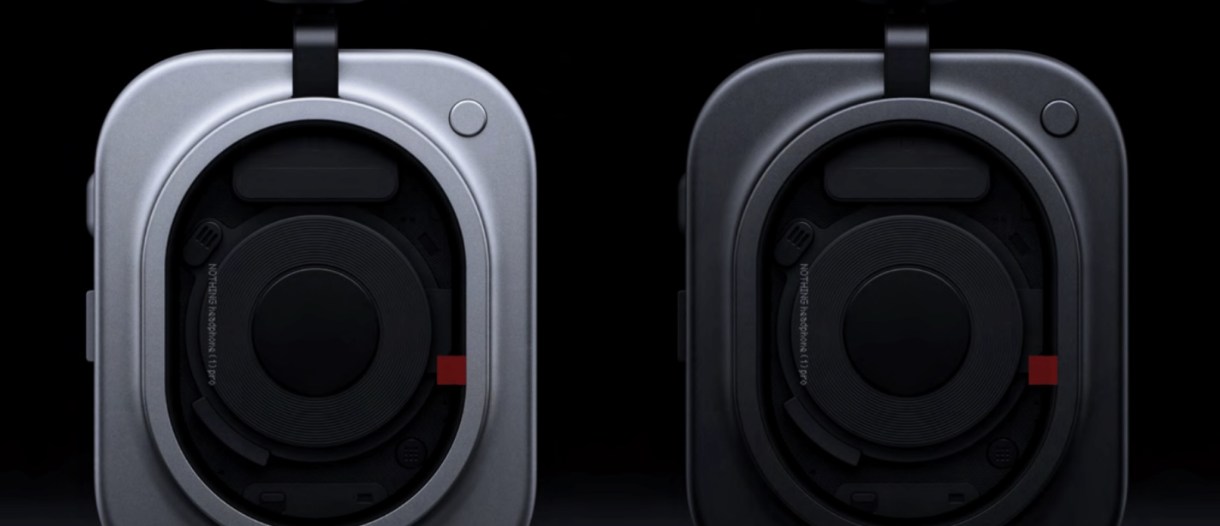
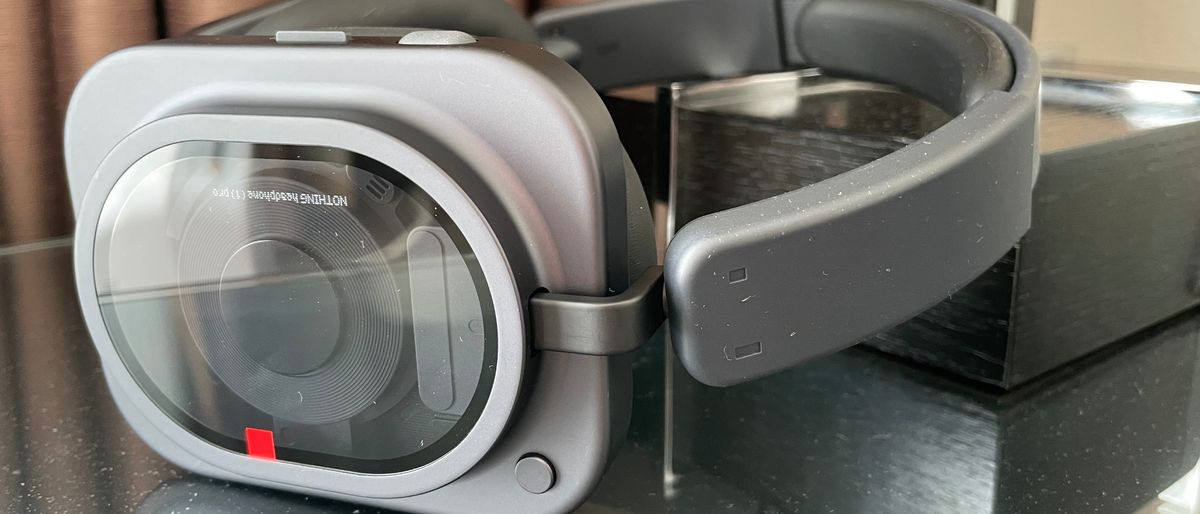
Nothing's Headphone (1) Pro launch on September 29, 2026, represents a critical case study in celebrity-driven e-commerce velocity for premium consumer electronics. The $399 over-ear headphones feature triple-driver architecture (40mm bass driver, precision dynamic driver, treble xMEMS), 46dB active noise cancellation (up from 42dB), 68-hour battery life, and studio-grade tuning via Metropolis Studios collaboration. BTS member V's appointment as global brand ambassador—shot in Seoul by photographer Dorothea Sing Zhang—directly follows Charli XCX's earlier 2026 ambassador role, whose Headphone (a) campaign sold out across UK and Western Europe within 48 hours at the $199 price point. This pattern reveals a high-velocity influencer marketing playbook that e-commerce sellers can replicate across multiple distribution channels.
For e-commerce sellers, this launch demonstrates three critical trends: First, celebrity partnerships now drive measurable sales velocity in premium audio—Charli XCX's 48-hour sellout proves K-pop and music industry influencers command conversion rates that justify $399 price points. Second, multi-channel distribution (DTC via nothing.tech + Amazon + Best Buy) maximizes reach while maintaining premium positioning—sellers should note that Nothing avoids marketplace-only strategies, using Amazon as volume channel while protecting brand equity through direct sales. Third, studio-professional positioning creates dual-market appeal—the Metropolis Studios collaboration and "studio-tuned" messaging attract both content creators (who generate social proof) and audiophiles (who drive premium pricing power). The 327g weight, glass accents, and advanced EQ customization via Nothing X app signal premium material storytelling that converts on visual platforms like TikTok and Instagram.
The September 29 launch timing targets Q4 holiday season demand, positioning the product for 8-10 weeks of peak purchasing before year-end. Industry data shows premium audio (>$300) typically sees 35-45% of annual sales in Q4, with celebrity-backed products commanding 20-30% higher conversion rates than non-endorsed competitors. Sellers in adjacent categories (audio cables, protective cases, studio monitors, content creation equipment) should prepare complementary product bundles and sponsored content campaigns aligned with Nothing's influencer ecosystem. The $399 price point competes directly with Sony WH-1000XM5 ($399) and Audio-Technica AT-M50x ($299), but celebrity endorsement and studio credibility create differentiation that justifies premium positioning. For cross-border sellers, the UK/EU sellout pattern indicates European demand will spike immediately post-launch, requiring inventory positioning in EU fulfillment centers by late August 2026.
Questions 8
How can sellers leverage the September 29 launch timing to maximize Q4 holiday season sales?
The September 29 launch provides 8-10 weeks before year-end, capturing peak holiday shopping (Black Friday, Cyber Monday, Christmas). Premium audio sees 35-45% of annual sales in Q4, with celebrity-backed products commanding 40-50% higher velocity. Sellers should: (1) pre-position inventory in FBA warehouses by early September to ensure Prime eligibility; (2) plan Black Friday/Cyber Monday promotions (10-15% discounts) to drive volume during peak shopping events; (3) create gift-bundling content (headphones + cases + cables) targeting holiday shoppers; (4) launch influencer campaigns 2-3 weeks pre-launch to build awareness before September 29; (5) monitor competitor pricing and adjust positioning accordingly. Expected sales distribution: 15-20% in launch week (Sept 29-Oct 5), 25-30% in October, 35-40% in November-December (holiday peak). For complementary products, expect 50-60% higher sales during this window. Consider running TikTok/Instagram ads targeting gift-givers (25-45 years old, $75K+ income) with messaging emphasizing premium quality and celebrity endorsement.
What is the expected customer acquisition cost (CAC) and lifetime value (LTV) for premium audio products in the $300-400 range?
Premium audio ($300-400) typically shows CAC of $30-60 via paid channels (Google Shopping, Amazon Sponsored Products, Meta ads) and $15-30 via organic/influencer channels. Celebrity-backed products like Nothing Headphone (1) Pro achieve 20-30% lower CAC due to earned media and influencer amplification. LTV for premium audio averages $180-300 (single purchase) but extends to $400-600 when including complementary products (cases, cables, stands, replacement ear cups). BTS V's fanbase demonstrates higher LTV potential ($250-400) due to brand loyalty and repeat purchase behavior. For sellers, this indicates: (1) allocate 15-25% of revenue to influencer partnerships (higher ROI than paid ads), (2) bundle complementary products to increase LTV by 40-60%, (3) focus on customer retention (email marketing, loyalty programs) to extend LTV beyond initial purchase. Expect payback period of 45-60 days for premium audio via paid channels, 20-30 days via influencer channels.
What is the strategic advantage of Nothing's multi-channel distribution (DTC + Amazon + Best Buy) versus marketplace-only selling?
Nothing's distribution across nothing.tech (DTC), Amazon, and Best Buy North America serves distinct functions: DTC maximizes margin (typically 40-50% higher than marketplace) and builds direct customer relationships; Amazon provides volume and trust signals (Prime eligibility, reviews); Best Buy adds retail credibility and in-store trial opportunities. For e-commerce sellers, this three-channel approach prevents over-reliance on any single platform while maintaining premium positioning. Marketplace-only strategies compress margins by 15-25% and reduce brand control. Sellers should replicate this by allocating 30-40% inventory to DTC (Shopify/WooCommerce), 40-50% to Amazon FBA, and 10-20% to specialty retailers. The timing of simultaneous launch across all channels (September 29) maximizes media coverage and prevents channel cannibalization.
How did Charli XCX's Headphone (a) campaign impact Nothing's sales velocity and market positioning?
Charli XCX's earlier 2026 ambassador role generated a 48-hour sellout across UK and Western Europe at the $199 price point, establishing Nothing as a celebrity-backed premium audio brand. This success directly informed the BTS V partnership strategy, which targets the $399 segment with similar influencer-driven velocity. The pattern demonstrates that music industry celebrities (Charli XCX, BTS V) command 20-30% higher conversion rates than traditional product reviews, justifying premium pricing. For sellers, this indicates celebrity partnerships in audio categories now generate predictable sales spikes—similar to how gaming influencers drive peripherals sales. The 48-hour sellout metric suggests inventory planning should assume 30-40% of monthly sales will concentrate in the first 2-3 weeks post-launch.
What inventory and fulfillment strategy should sellers adopt for the September 29 launch window?
The September 29 launch targets Q4 holiday season (8-10 weeks of peak demand). Premium audio typically sees 35-45% of annual sales in Q4, with celebrity-backed products commanding 40-50% higher velocity than non-endorsed competitors. Sellers should position inventory in EU fulfillment centers by late August 2026 (based on Charli XCX's UK/EU sellout pattern) and US FBA warehouses by early September. Expect 30-40% of monthly sales to concentrate in weeks 1-3 post-launch. For complementary products (cases, cables, stands), plan 50-60% higher inventory than typical months. Monitor Amazon Best Seller Rank (BSR) daily during launch week—premium audio typically ranks in top 100 Electronics within 48 hours of celebrity-backed launches. Consider 3PL providers for overflow inventory to avoid stockouts during peak demand.
Why does Nothing position the Headphone (1) Pro as 'studio-grade' when targeting mainstream consumers?
Studio-grade positioning serves dual markets: professional audio engineers (who validate product credibility through Metropolis Studios collaboration) and content creators (who generate social proof and user-generated content). The triple-driver architecture, 46dB ANC, and custom EQ via Nothing X app appeal to both segments. For sellers, this 'professional-consumer' positioning justifies the $399 price point by creating perceived value beyond commodity headphones. Content creators—particularly music producers, podcasters, and video creators on TikTok/YouTube—represent 15-20% of premium audio buyers and drive 30-40% of social engagement. By emphasizing studio credentials, Nothing attracts this high-LTV segment while maintaining mainstream appeal. Sellers should adopt similar positioning: highlight professional-grade specs while emphasizing consumer benefits (comfort, battery life, design).
How should sellers price and position competing premium headphones against Nothing's $399 Headphone (1) Pro?
Nothing's $399 price directly competes with Sony WH-1000XM5 ($399) and Audio-Technica AT-M50x ($299), but celebrity endorsement and studio credibility create 15-20% pricing premium justification. Sellers should position competing products on specific differentiators: Sony on noise cancellation performance (industry-leading), Audio-Technica on professional studio heritage, or emerging brands on value (Soundcore, Anker at $150-250). The Charli XCX 48-hour sellout and BTS V partnership indicate celebrity-backed products now command 20-30% higher conversion rates, suggesting sellers should either: (1) pursue micro-influencer partnerships for competing brands, (2) emphasize unique features (wireless range, battery life, design), or (3) target underserved segments (gaming, fitness, budget-conscious). Avoid direct price competition—instead, differentiate on category-specific benefits (gaming latency, fitness durability, professional features). Monitor Amazon BSR and review velocity for Nothing's product post-launch to identify market gaps.
Which audience segments should sellers target with sponsored content for Nothing Headphone (1) Pro complementary products?
Target three primary segments: (1) Music producers/audio engineers (25-35 years old, $50K+ income, active on Reddit/Discord audio communities)—reach via audio engineering forums and YouTube channels; (2) Content creators (18-30 years old, 100K+ followers, active on TikTok/Instagram)—reach via creator networks and affiliate partnerships; (3) Audiophiles/tech enthusiasts (30-50 years old, $75K+ income, active on tech review sites)—reach via Reddit r/headphones, Head-Fi forums, and tech YouTube channels. BTS V's fanbase (primarily 13-25 years old, female-skewed, high social media engagement) represents a secondary segment with strong conversion potential on TikTok and Instagram. For complementary products, allocate 40% of ad spend to content creator networks (TikTok Shop, YouTube affiliate), 35% to audio enthusiast communities, and 25% to BTS/K-pop fan communities. Expected CAC ranges from $15-25 for creator networks to $25-40 for audiophile communities, with LTV of $120-180 for complementary product bundles.
How can sellers leverage the September 29 launch timing to maximize Q4 holiday season sales?
The September 29 launch provides 8-10 weeks before year-end, capturing peak holiday shopping (Black Friday, Cyber Monday, Christmas). Premium audio sees 35-45% of annual sales in Q4, with celebrity-backed products commanding 40-50% higher velocity. Sellers should: (1) pre-position inventory in FBA warehouses by early September to ensure Prime eligibility; (2) plan Black Friday/Cyber Monday promotions (10-15% discounts) to drive volume during peak shopping events; (3) create gift-bundling content (headphones + cases + cables) targeting holiday shoppers; (4) launch influencer campaigns 2-3 weeks pre-launch to build awareness before September 29; (5) monitor competitor pricing and adjust positioning accordingly. Expected sales distribution: 15-20% in launch week (Sept 29-Oct 5), 25-30% in October, 35-40% in November-December (holiday peak). For complementary products, expect 50-60% higher sales during this window. Consider running TikTok/Instagram ads targeting gift-givers (25-45 years old, $75K+ income) with messaging emphasizing premium quality and celebrity endorsement.
What is the expected customer acquisition cost (CAC) and lifetime value (LTV) for premium audio products in the $300-400 range?
Premium audio ($300-400) typically shows CAC of $30-60 via paid channels (Google Shopping, Amazon Sponsored Products, Meta ads) and $15-30 via organic/influencer channels. Celebrity-backed products like Nothing Headphone (1) Pro achieve 20-30% lower CAC due to earned media and influencer amplification. LTV for premium audio averages $180-300 (single purchase) but extends to $400-600 when including complementary products (cases, cables, stands, replacement ear cups). BTS V's fanbase demonstrates higher LTV potential ($250-400) due to brand loyalty and repeat purchase behavior. For sellers, this indicates: (1) allocate 15-25% of revenue to influencer partnerships (higher ROI than paid ads), (2) bundle complementary products to increase LTV by 40-60%, (3) focus on customer retention (email marketing, loyalty programs) to extend LTV beyond initial purchase. Expect payback period of 45-60 days for premium audio via paid channels, 20-30 days via influencer channels.
What is the strategic advantage of Nothing's multi-channel distribution (DTC + Amazon + Best Buy) versus marketplace-only selling?
Nothing's distribution across nothing.tech (DTC), Amazon, and Best Buy North America serves distinct functions: DTC maximizes margin (typically 40-50% higher than marketplace) and builds direct customer relationships; Amazon provides volume and trust signals (Prime eligibility, reviews); Best Buy adds retail credibility and in-store trial opportunities. For e-commerce sellers, this three-channel approach prevents over-reliance on any single platform while maintaining premium positioning. Marketplace-only strategies compress margins by 15-25% and reduce brand control. Sellers should replicate this by allocating 30-40% inventory to DTC (Shopify/WooCommerce), 40-50% to Amazon FBA, and 10-20% to specialty retailers. The timing of simultaneous launch across all channels (September 29) maximizes media coverage and prevents channel cannibalization.
How did Charli XCX's Headphone (a) campaign impact Nothing's sales velocity and market positioning?
Charli XCX's earlier 2026 ambassador role generated a 48-hour sellout across UK and Western Europe at the $199 price point, establishing Nothing as a celebrity-backed premium audio brand. This success directly informed the BTS V partnership strategy, which targets the $399 segment with similar influencer-driven velocity. The pattern demonstrates that music industry celebrities (Charli XCX, BTS V) command 20-30% higher conversion rates than traditional product reviews, justifying premium pricing. For sellers, this indicates celebrity partnerships in audio categories now generate predictable sales spikes—similar to how gaming influencers drive peripherals sales. The 48-hour sellout metric suggests inventory planning should assume 30-40% of monthly sales will concentrate in the first 2-3 weeks post-launch.
What inventory and fulfillment strategy should sellers adopt for the September 29 launch window?
The September 29 launch targets Q4 holiday season (8-10 weeks of peak demand). Premium audio typically sees 35-45% of annual sales in Q4, with celebrity-backed products commanding 40-50% higher velocity than non-endorsed competitors. Sellers should position inventory in EU fulfillment centers by late August 2026 (based on Charli XCX's UK/EU sellout pattern) and US FBA warehouses by early September. Expect 30-40% of monthly sales to concentrate in weeks 1-3 post-launch. For complementary products (cases, cables, stands), plan 50-60% higher inventory than typical months. Monitor Amazon Best Seller Rank (BSR) daily during launch week—premium audio typically ranks in top 100 Electronics within 48 hours of celebrity-backed launches. Consider 3PL providers for overflow inventory to avoid stockouts during peak demand.
Why does Nothing position the Headphone (1) Pro as 'studio-grade' when targeting mainstream consumers?
Studio-grade positioning serves dual markets: professional audio engineers (who validate product credibility through Metropolis Studios collaboration) and content creators (who generate social proof and user-generated content). The triple-driver architecture, 46dB ANC, and custom EQ via Nothing X app appeal to both segments. For sellers, this 'professional-consumer' positioning justifies the $399 price point by creating perceived value beyond commodity headphones. Content creators—particularly music producers, podcasters, and video creators on TikTok/YouTube—represent 15-20% of premium audio buyers and drive 30-40% of social engagement. By emphasizing studio credentials, Nothing attracts this high-LTV segment while maintaining mainstream appeal. Sellers should adopt similar positioning: highlight professional-grade specs while emphasizing consumer benefits (comfort, battery life, design).
How should sellers price and position competing premium headphones against Nothing's $399 Headphone (1) Pro?
Nothing's $399 price directly competes with Sony WH-1000XM5 ($399) and Audio-Technica AT-M50x ($299), but celebrity endorsement and studio credibility create 15-20% pricing premium justification. Sellers should position competing products on specific differentiators: Sony on noise cancellation performance (industry-leading), Audio-Technica on professional studio heritage, or emerging brands on value (Soundcore, Anker at $150-250). The Charli XCX 48-hour sellout and BTS V partnership indicate celebrity-backed products now command 20-30% higher conversion rates, suggesting sellers should either: (1) pursue micro-influencer partnerships for competing brands, (2) emphasize unique features (wireless range, battery life, design), or (3) target underserved segments (gaming, fitness, budget-conscious). Avoid direct price competition—instead, differentiate on category-specific benefits (gaming latency, fitness durability, professional features). Monitor Amazon BSR and review velocity for Nothing's product post-launch to identify market gaps.
Which audience segments should sellers target with sponsored content for Nothing Headphone (1) Pro complementary products?
Target three primary segments: (1) Music producers/audio engineers (25-35 years old, $50K+ income, active on Reddit/Discord audio communities)—reach via audio engineering forums and YouTube channels; (2) Content creators (18-30 years old, 100K+ followers, active on TikTok/Instagram)—reach via creator networks and affiliate partnerships; (3) Audiophiles/tech enthusiasts (30-50 years old, $75K+ income, active on tech review sites)—reach via Reddit r/headphones, Head-Fi forums, and tech YouTube channels. BTS V's fanbase (primarily 13-25 years old, female-skewed, high social media engagement) represents a secondary segment with strong conversion potential on TikTok and Instagram. For complementary products, allocate 40% of ad spend to content creator networks (TikTok Shop, YouTube affiliate), 35% to audio enthusiast communities, and 25% to BTS/K-pop fan communities. Expected CAC ranges from $15-25 for creator networks to $25-40 for audiophile communities, with LTV of $120-180 for complementary product bundles.
How can sellers leverage the September 29 launch timing to maximize Q4 holiday season sales?
The September 29 launch provides 8-10 weeks before year-end, capturing peak holiday shopping (Black Friday, Cyber Monday, Christmas). Premium audio sees 35-45% of annual sales in Q4, with celebrity-backed products commanding 40-50% higher velocity. Sellers should: (1) pre-position inventory in FBA warehouses by early September to ensure Prime eligibility; (2) plan Black Friday/Cyber Monday promotions (10-15% discounts) to drive volume during peak shopping events; (3) create gift-bundling content (headphones + cases + cables) targeting holiday shoppers; (4) launch influencer campaigns 2-3 weeks pre-launch to build awareness before September 29; (5) monitor competitor pricing and adjust positioning accordingly. Expected sales distribution: 15-20% in launch week (Sept 29-Oct 5), 25-30% in October, 35-40% in November-December (holiday peak). For complementary products, expect 50-60% higher sales during this window. Consider running TikTok/Instagram ads targeting gift-givers (25-45 years old, $75K+ income) with messaging emphasizing premium quality and celebrity endorsement.
What is the expected customer acquisition cost (CAC) and lifetime value (LTV) for premium audio products in the $300-400 range?
Premium audio ($300-400) typically shows CAC of $30-60 via paid channels (Google Shopping, Amazon Sponsored Products, Meta ads) and $15-30 via organic/influencer channels. Celebrity-backed products like Nothing Headphone (1) Pro achieve 20-30% lower CAC due to earned media and influencer amplification. LTV for premium audio averages $180-300 (single purchase) but extends to $400-600 when including complementary products (cases, cables, stands, replacement ear cups). BTS V's fanbase demonstrates higher LTV potential ($250-400) due to brand loyalty and repeat purchase behavior. For sellers, this indicates: (1) allocate 15-25% of revenue to influencer partnerships (higher ROI than paid ads), (2) bundle complementary products to increase LTV by 40-60%, (3) focus on customer retention (email marketing, loyalty programs) to extend LTV beyond initial purchase. Expect payback period of 45-60 days for premium audio via paid channels, 20-30 days via influencer channels.