


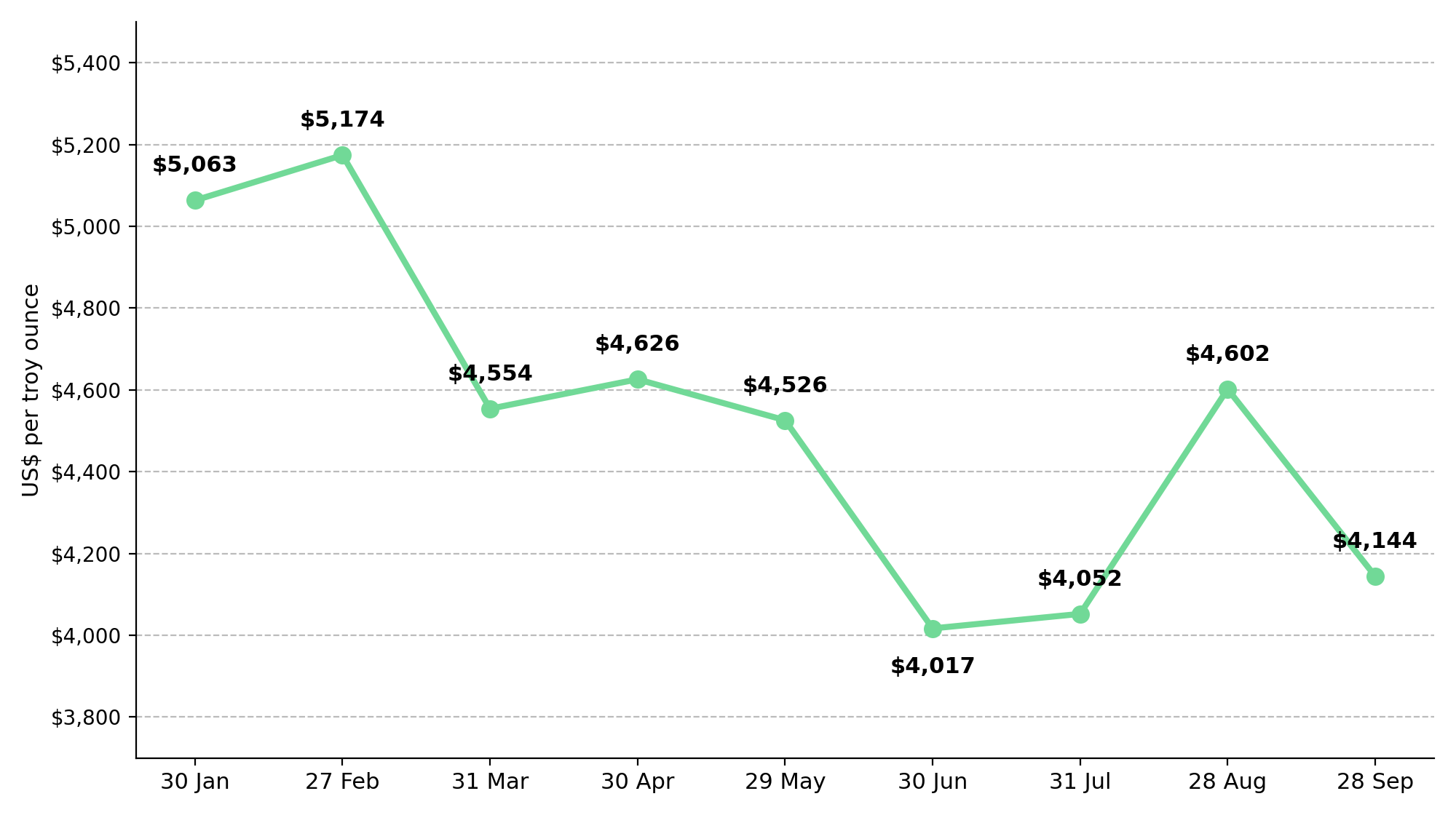


Fed Rate Hikes & Hormuz Crisis Crash Gold Prices 3-4% | Cross-Border Seller Impact
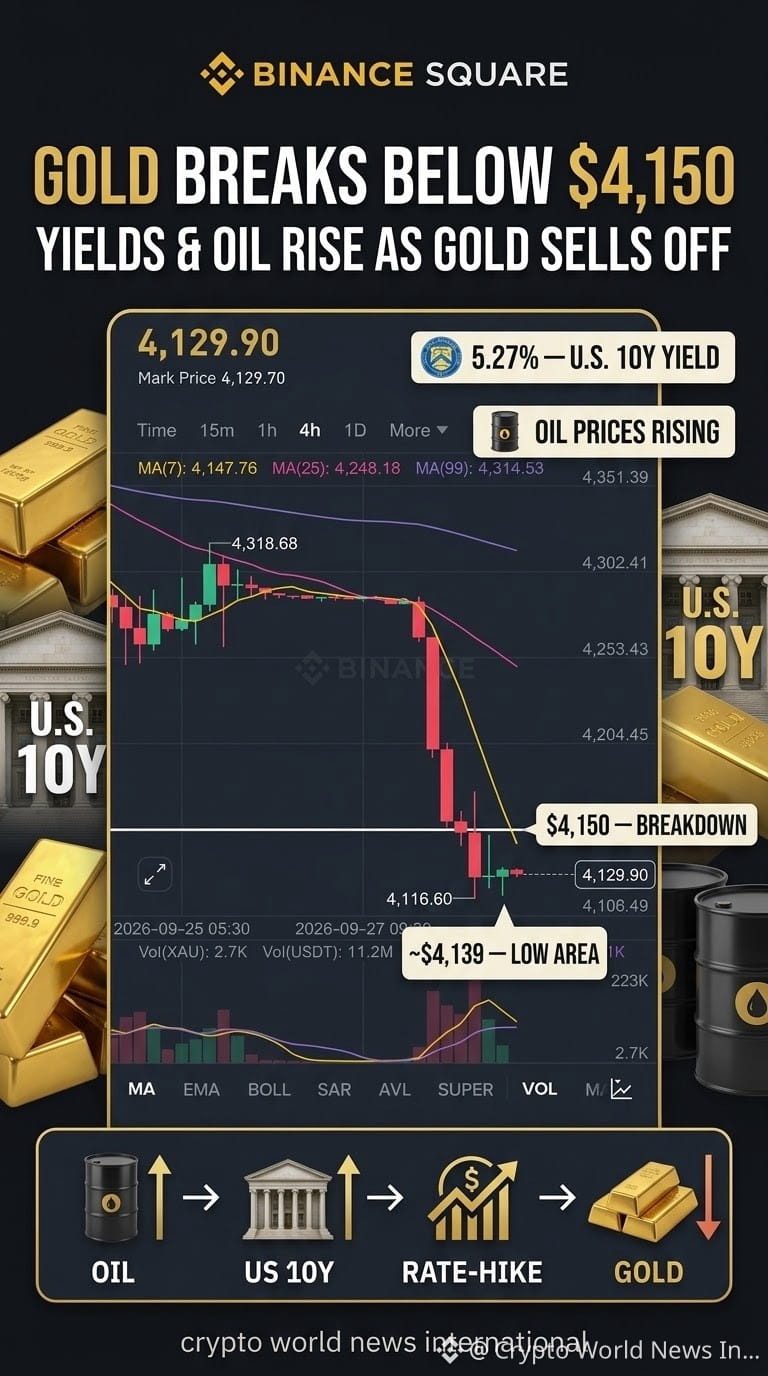
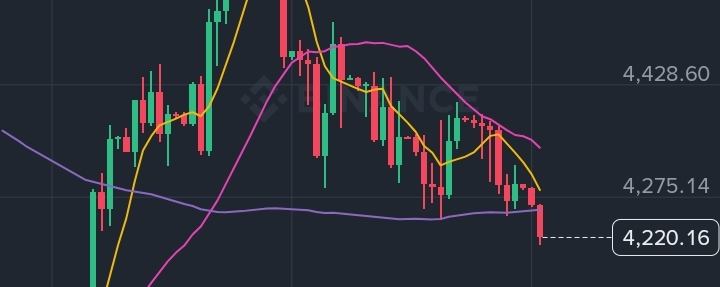
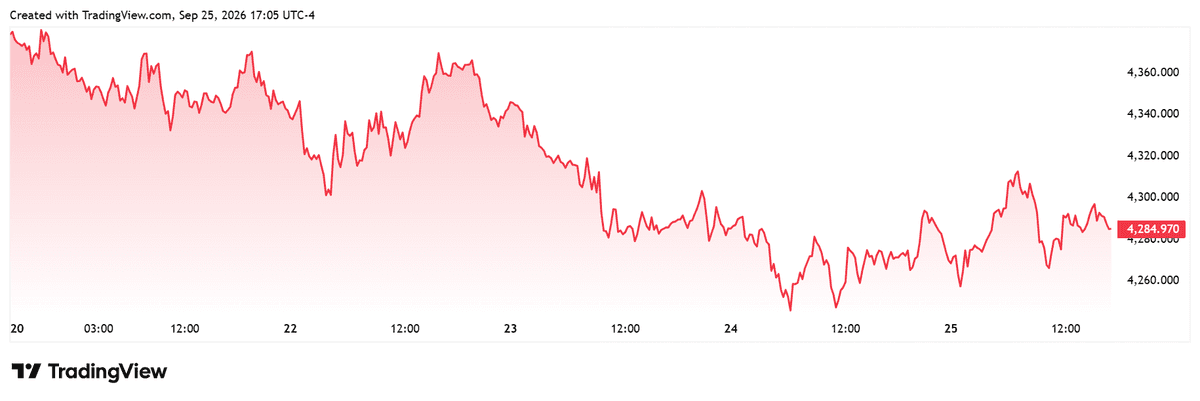
- Gold plummets to $4,111/oz (lowest since Aug 5) as 70% probability of October rate hike crushes precious metals demand; shipping costs surge 3% from elevated oil; jewelry sellers face margin compression in India/China markets










































Overview
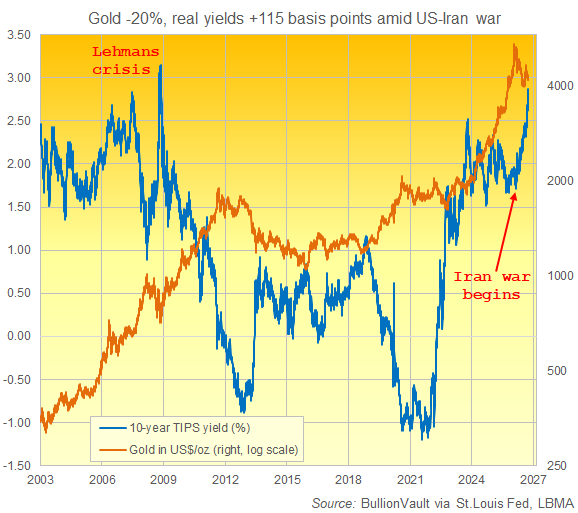
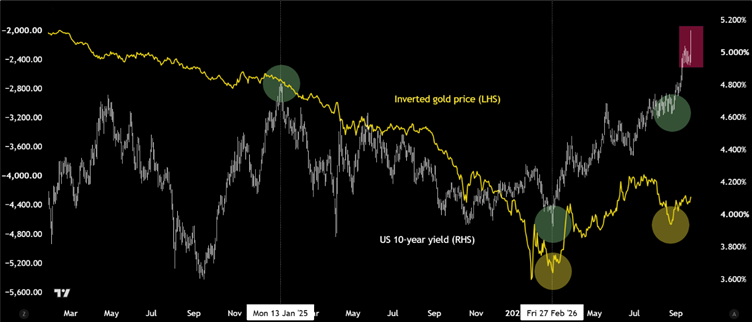
The Perfect Storm for Precious Metals Sellers: Gold prices collapsed 3-4% to $4,111-$4,146 per ounce on September 28, 2026, driven by a convergence of three critical factors: (1) Federal Reserve rate hike expectations with markets pricing a 70% probability of a second consecutive rate increase in October, pushing 10-year Treasury yields to their highest level since June 2007; (2) Geopolitical tensions in the Strait of Hormuz (now in its eighth month) causing crude oil to spike 3%, elevating international shipping costs; and (3) Strengthening US dollar near two-month highs, reducing gold's appeal to foreign buyers. For cross-border e-commerce sellers, this creates a dual financial headwind: immediate logistics cost increases and working capital constraints from higher borrowing costs.
Immediate Financial Impact on Sellers: The sustained elevated oil prices directly increase shipping costs for sellers importing goods from Asia to US/EU markets. Typical ocean freight rates from Shanghai to Los Angeles have historically risen $200-400 per 40-foot container during periods of $80+ crude oil, compressing margins by 2-4% on imported electronics, apparel, and home goods. Simultaneously, the Fed's rate hike signals and elevated Treasury yields increase financing costs for inventory and working capital. Sellers relying on trade finance, invoice factoring, or inventory loans face APR increases of 50-150 basis points as lenders price in higher risk-free rates. For a seller carrying $500K in inventory financed at 8-10% APR, this translates to $2,500-$7,500 in additional annual financing costs. China's demand softening (reported as premiums declining to zero ahead of October 1-7 holidays) signals reduced purchasing power among Chinese consumers, directly impacting sellers exporting jewelry, luxury goods, and precious metals products to the world's largest gold consumer market.
Strategic Opportunities in Precious Metals & Jewelry Categories: While gold demand weakens among investors, jewelry demand in India faces headwinds due to weak monsoon seasons constraining farmer purchasing power—historically India's largest jewelry buyer segment. However, the news explicitly identifies Diwali and wedding season demand as a potential support factor, creating a narrow 4-6 week window (late September through November) for sellers to capitalize on Indian jewelry and precious metals demand before price-sensitive buyers retreat. Sellers should immediately lock in FX hedges on USD/INR and USD/CNY pairs, as the strengthening dollar creates arbitrage opportunities: a 2-3% dollar appreciation against emerging market currencies could offset 1-2% margin compression from shipping costs. Additionally, precious metals jewelry sellers can exploit the 3-4% gold price decline to source inventory at lower costs, then position products for the Diwali surge (October 31-November 1, 2026) when premiums typically recover 2-3% as demand spikes.
Payment & Financing Optimization: The elevated interest rate environment creates immediate opportunities for sellers to refinance existing debt before rates climb further. Sellers with variable-rate inventory loans should lock in fixed rates at current levels (8-10% APR) before October's anticipated rate hike pushes rates to 8.5-11%. For cross-border sellers, the strengthening US dollar creates FX hedging opportunities: sellers with USD receivables from US marketplaces can lock in favorable rates now before further dollar appreciation. Conversely, sellers importing from Asia should accelerate purchases in the next 2-4 weeks before shipping costs rise further with sustained crude oil prices. Invoice financing and supply chain finance products are becoming more attractive as traditional bank loans face higher rates; fintech lenders like Flexport Finance and Stripe Capital are offering 6-8% APR for verified sellers, 100-200 basis points below traditional bank rates.
Questions 8
What is the connection between crude oil prices and cross-border shipping costs?
Elevated crude oil prices (spiking 3% due to Hormuz tensions) directly increase ocean freight rates, which are heavily fuel-indexed. Historically, when crude oil trades above $80/barrel, ocean freight from Shanghai to Los Angeles increases $200-400 per 40-foot container compared to $70/barrel baseline. This translates to 2-4% margin compression on imported goods depending on product category and container utilization. The news reports sustained high energy prices from the 8-month Hormuz standoff, indicating elevated shipping costs will persist through Q4 2026. Sellers should accelerate inventory purchases in the next 2-4 weeks before shipping costs rise further, or negotiate fixed-rate freight contracts to lock in current rates.
How do Fed rate hikes directly increase financing costs for cross-border sellers?
When the Federal Reserve raises rates (as signaled with 70% probability for October 2026), Treasury yields rise, which increases the cost of capital for all lenders. Sellers financing inventory through trade finance, invoice factoring, or inventory loans typically see APR increases of 50-150 basis points within 2-4 weeks of Fed action. For example, a seller with $500K in inventory financed at 8% APR would face an additional $2,500-$7,500 in annual financing costs if rates rise 50-150 basis points. This directly compresses margins on imported goods, particularly affecting sellers with thin margins (5-10%) in electronics and apparel categories. Sellers should immediately review financing terms and consider locking in fixed rates before the October rate decision.