




Meta's Lightweight VR Glasses Disrupt Apple's Spatial Computing Strategy | Seller Opportunity in Emerging Wearables Market
- Meta launches $1,299 VR glasses (100g) spring 2027 vs Apple's $3,499 Vision Pro (800g); Apple's N224 successor stalled until 2028-2029, creating 18-24 month market window for third-party accessory sellers and emerging VR content creators

















Overview
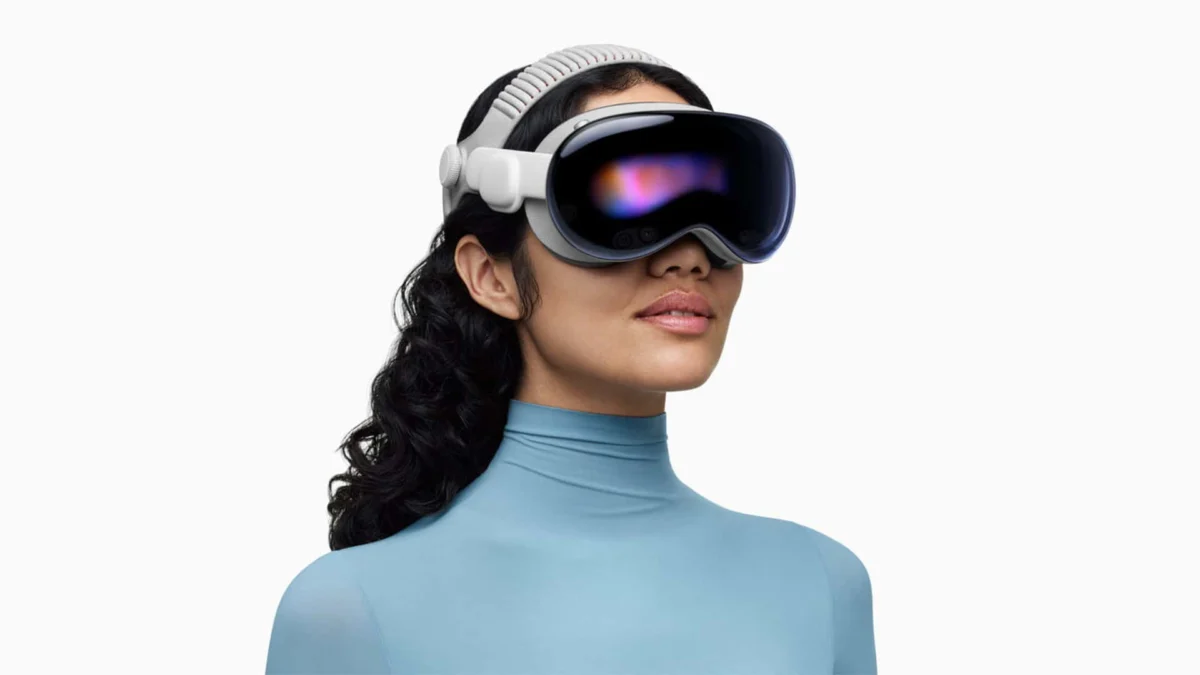
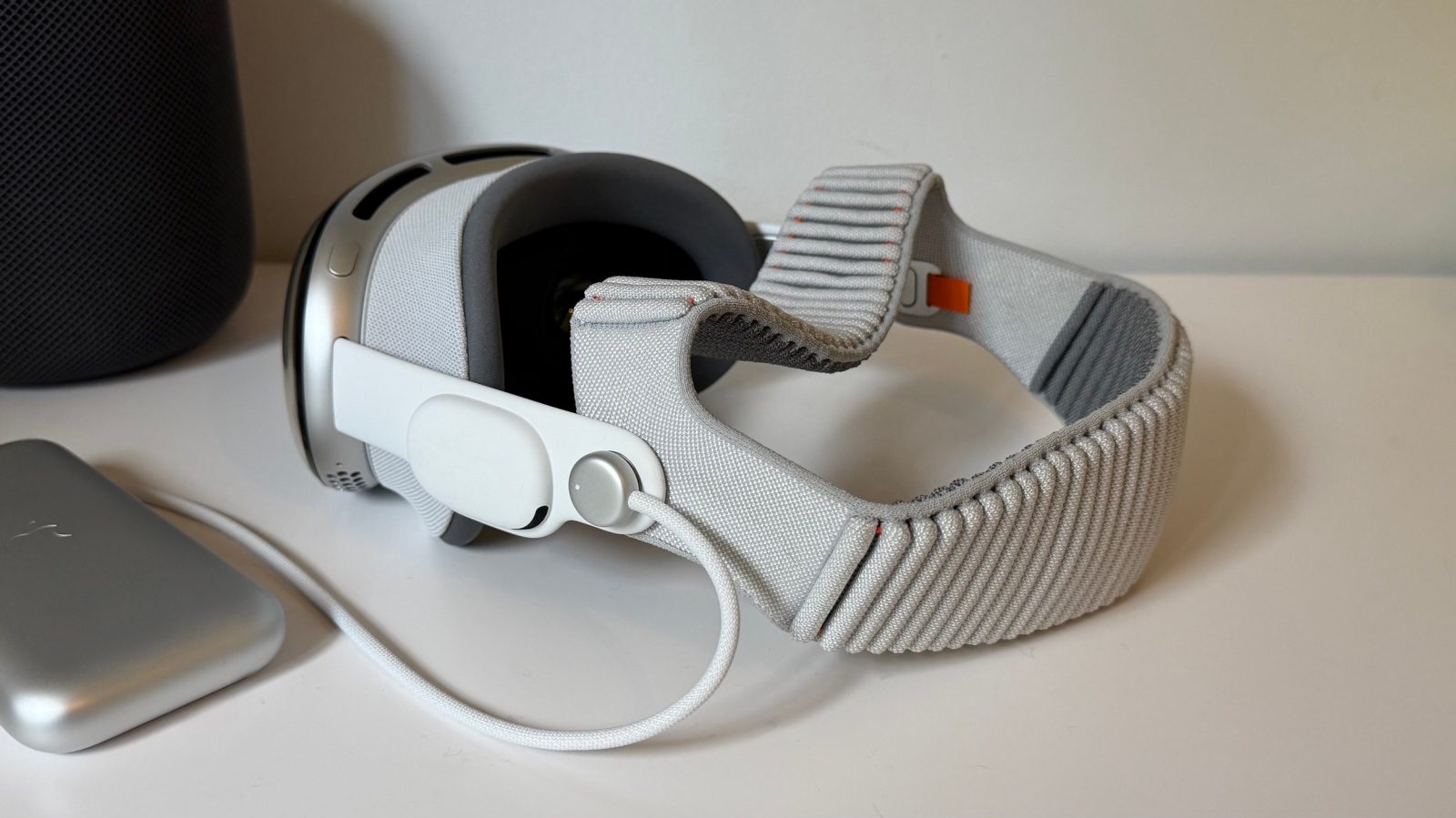
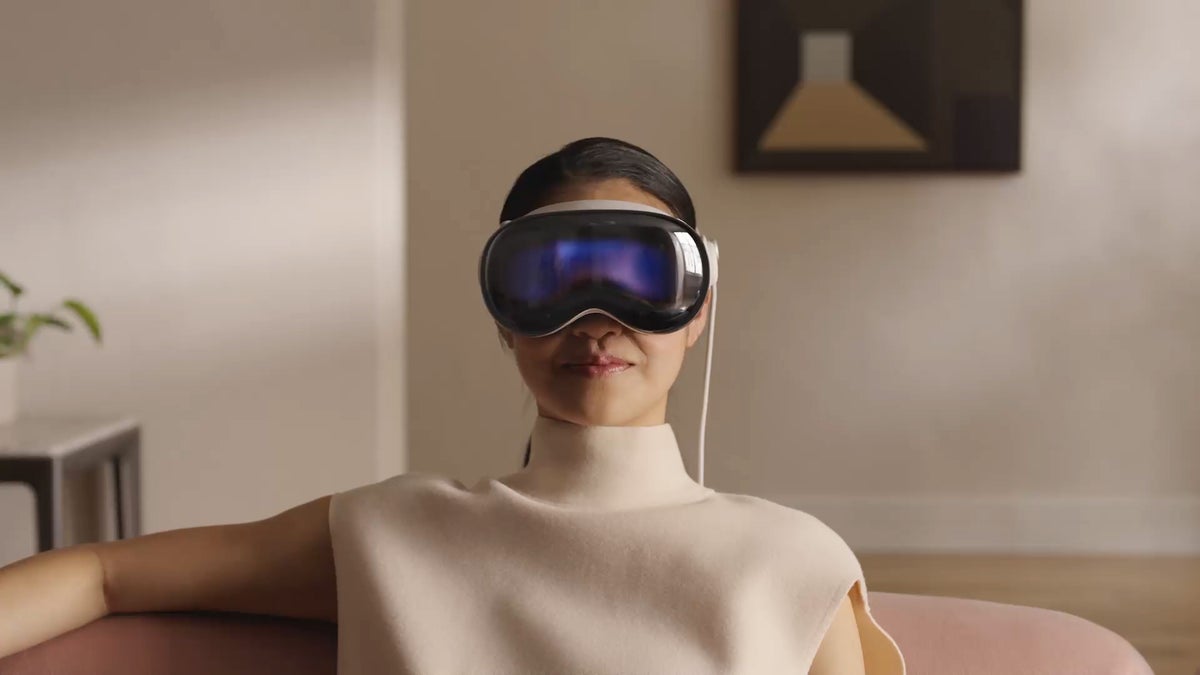
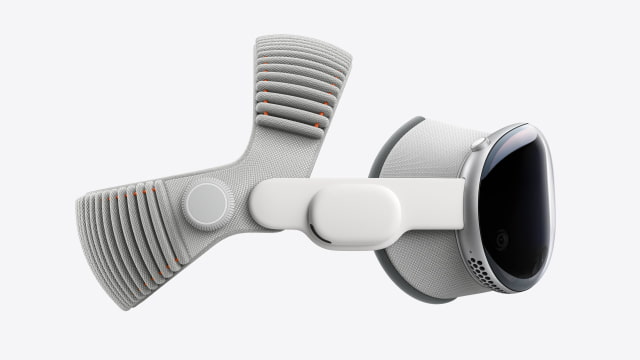
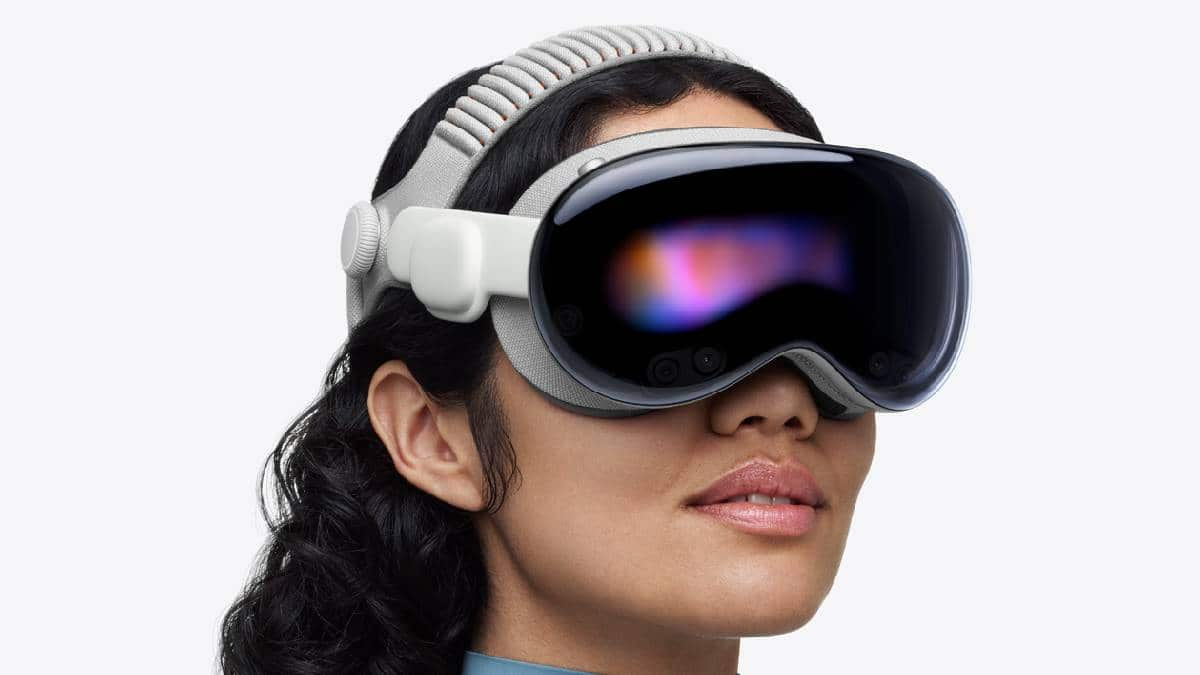
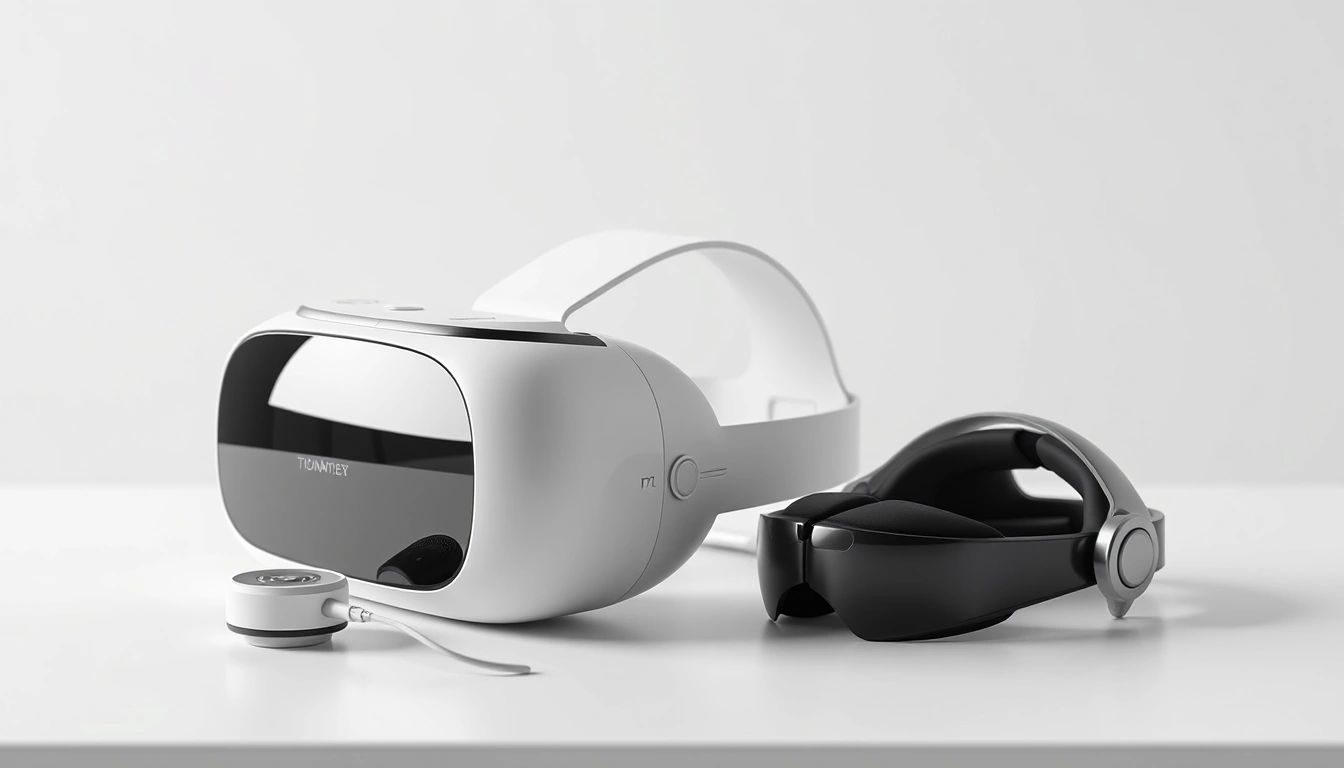
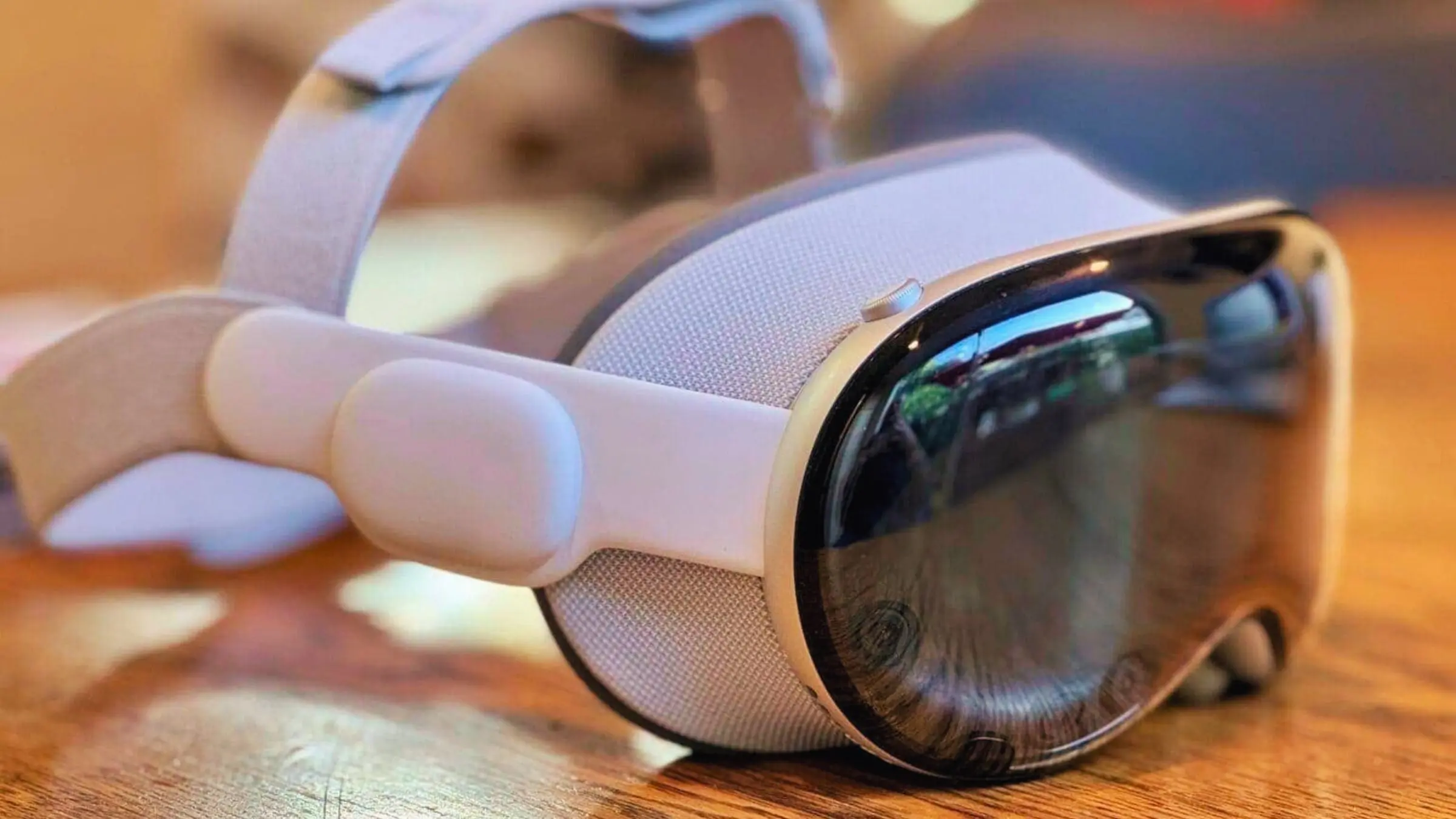
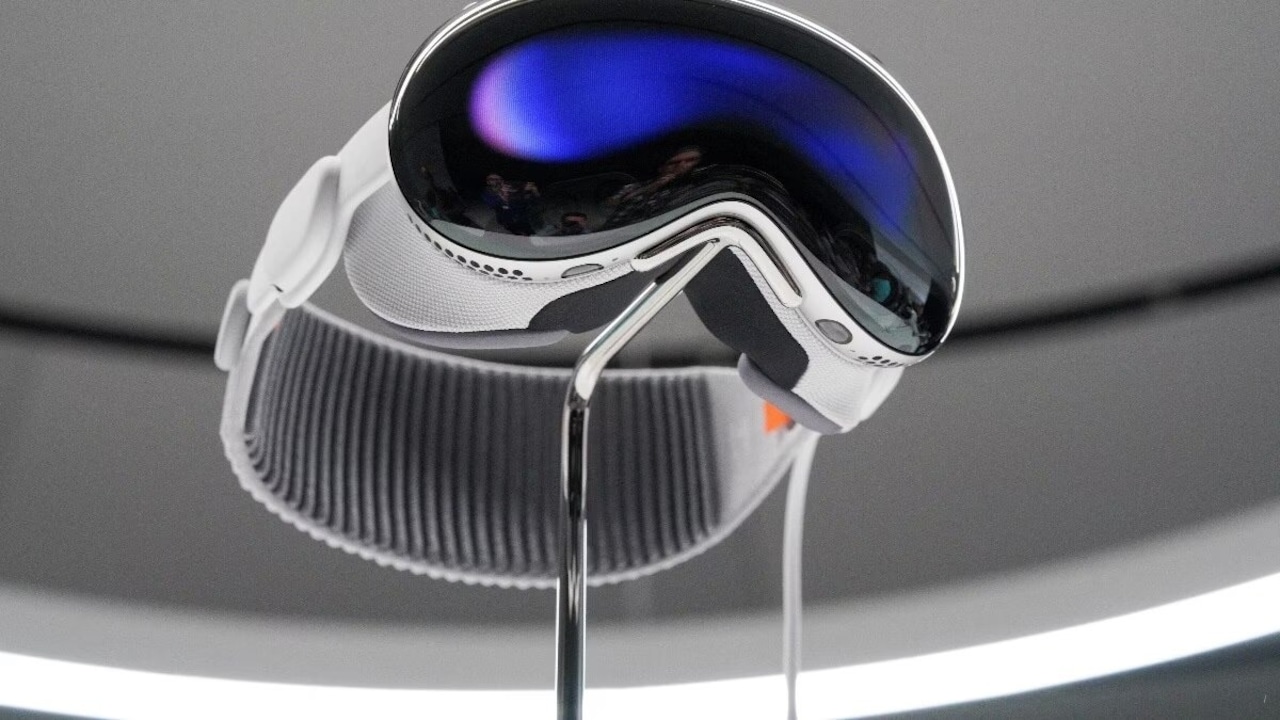
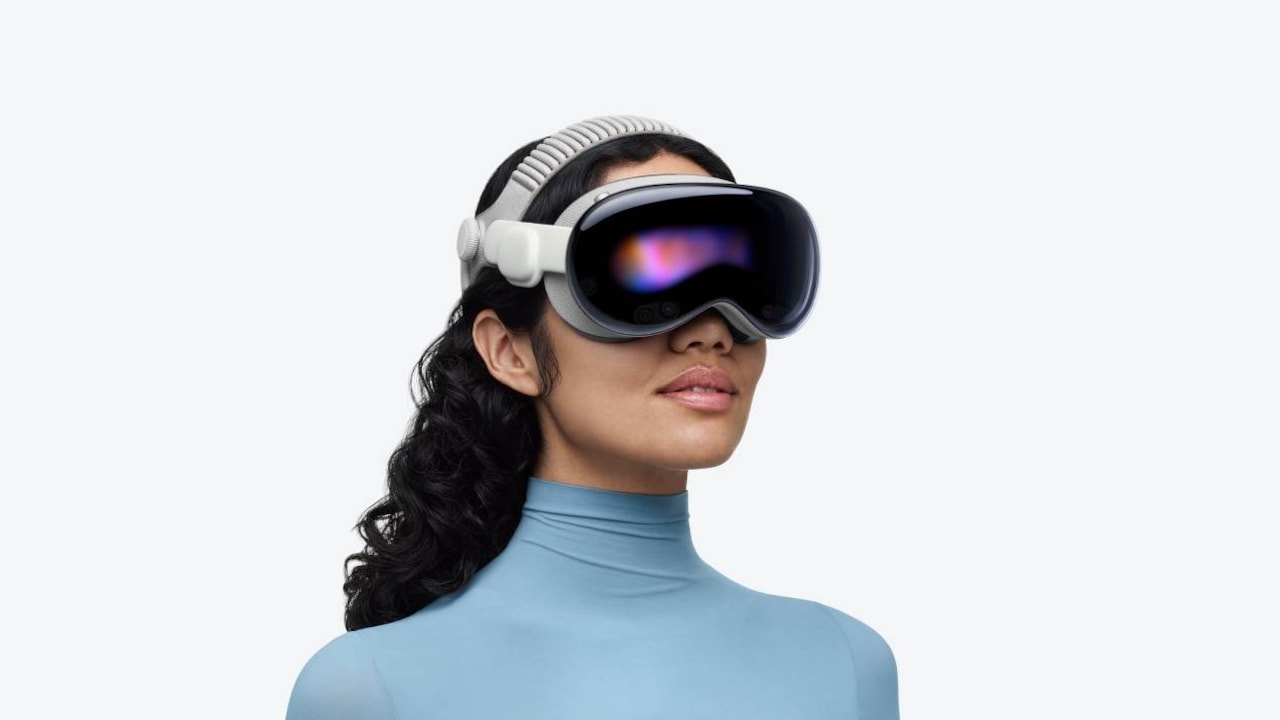
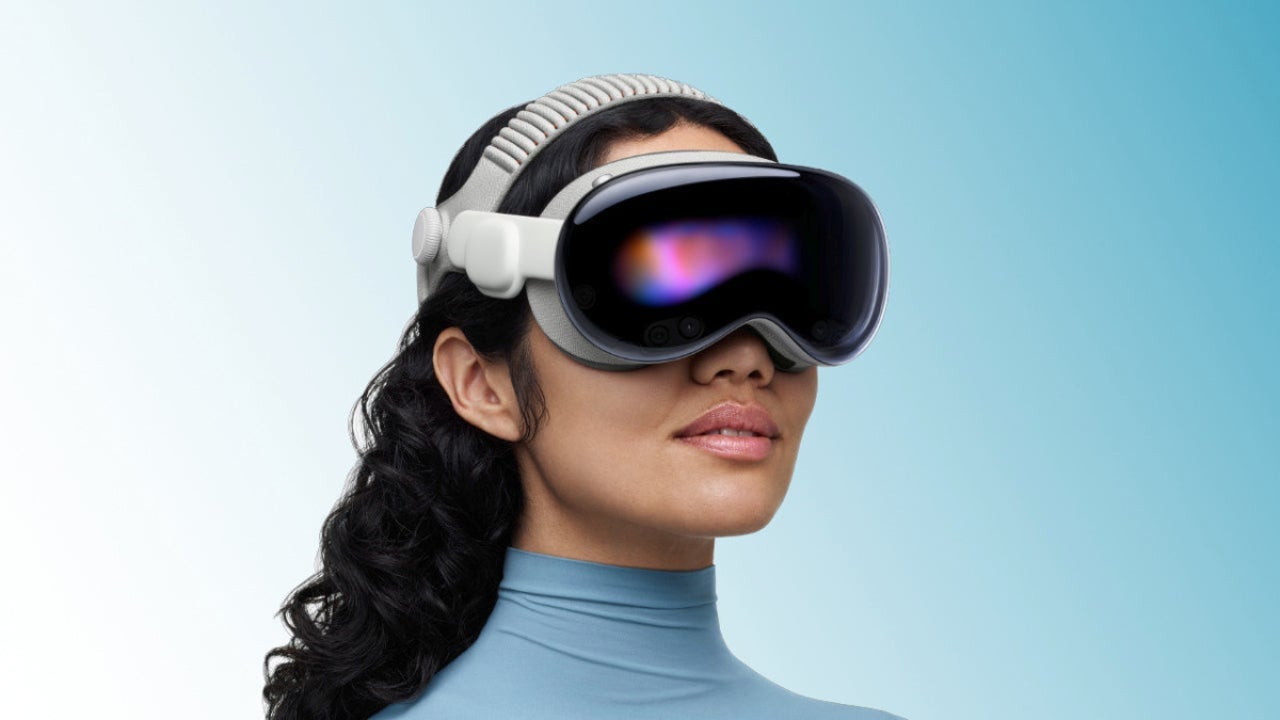
Meta's spring 2027 VR Glasses launch at $1,299 with 100-gram weight represents a fundamental market shift that directly impacts e-commerce sellers across multiple categories. According to Bloomberg's Mark Gurman, Meta's lightweight design—achieved by moving computing to an external "puck" processor—addresses Apple Vision Pro's critical weaknesses since its February 2024 launch: excessive weight (800g maximum), premium pricing ($3,499), and limited everyday use cases. This competitive pressure has reportedly placed Apple's next-generation Vision Pro successor (N224) on "life support," with no expected launch before late 2028 or early 2029, creating an 18-24 month market window where Meta's more accessible alternative will dominate spatial computing adoption.
For e-commerce sellers, this competitive dynamic creates immediate product opportunities across three vectors. First, the VR accessory market will expand dramatically as Meta's lighter glasses attract mainstream consumers seeking comfort-focused wearables. Sellers can capitalize on demand for specialized carrying cases, lens protectors, head straps, and clothing-integrated mounting solutions—the external puck design specifically enables new attachment mechanisms that don't exist for Vision Pro's integrated form factor. Second, the price gap ($1,299 vs $3,499) signals that Meta is targeting mass-market adoption rather than premium early adopters, meaning sellers should prepare inventory for 3-5x higher unit volumes than Vision Pro's niche market. Third, Apple's organizational restructuring—with the Vision Products Group moved under Chief Hardware Officer Johny Srouji and away from CEO John Ternus—suggests diminished internal momentum, reducing the likelihood of aggressive Apple ecosystem expansion that might have created exclusive selling opportunities.
The strategic implication for sellers is clear: Meta's market leadership in spatial computing is now virtually assured through 2028. Apple's shelved projects (N107, N100, N109) and recent Vision hardware team layoffs indicate the company has deprioritized this category despite CEO Ternus's public optimism about "the early days of a long journey." This creates a 24-month window where sellers can build brand authority in VR accessories, content creation tools, and complementary wearables without facing aggressive Apple competition. Sellers should immediately begin sourcing lightweight VR-compatible products, developing content strategies around Meta's ecosystem, and establishing presence on platforms where VR enthusiasts congregate (Reddit, Discord, TikTok Shop). The fundamental question for facial wearables—how much manufacturers can reduce size and weight while maintaining functionality—has been answered by Meta's design, and sellers who align inventory and marketing with this winning formula will capture disproportionate market share during the 2027-2029 adoption surge.
Questions 8
Which e-commerce platforms and seller segments should focus on VR product opportunities?
Sellers across multiple platforms should prioritize VR accessories and complementary products: Amazon (electronics and accessories categories), Shopify (direct-to-consumer VR enthusiast brands), TikTok Shop (emerging tech products targeting younger demographics), and eBay (specialized VR equipment and collectibles). Seller segments best positioned to capitalize include: (1) Electronics accessory specialists with existing supply chains for tech products; (2) Niche sellers in gaming, fitness, and productivity categories who can develop VR-specific solutions; (3) Content creators and influencers building communities around spatial computing; (4) International sellers in Asia Pacific and EU regions where VR adoption is accelerating. Sellers should avoid over-investing in Vision Pro-specific accessories given Apple's uncertain roadmap, instead focusing on Meta's ecosystem where market leadership is assured through 2028. The external puck design creates opportunities for clothing-integrated solutions and modular accessories that require different manufacturing capabilities than Vision Pro's integrated form factor.
What is the timeline for Meta VR Glasses availability and market impact?
Meta's VR Glasses launch is scheduled for spring 2027 at $1,299, creating a clear market entry point for sellers to prepare inventory and marketing strategies. Apple's N224 successor won't arrive before late 2028 or early 2029 at the earliest, meaning Meta will have 18-24 months of market dominance without direct Apple competition. This timeline is critical for sellers because: (1) Spring 2027 represents the start of mainstream VR adoption at accessible price points; (2) The 18-24 month window allows sellers to build brand authority and customer relationships before Apple potentially re-enters the market; (3) Sellers should begin product development and sourcing immediately (2025-2026) to have inventory ready for spring 2027 launch; (4) Early movers will capture disproportionate market share during the 2027-2029 adoption surge. The organizational changes at Apple (Vision Products Group restructuring, hardware team layoffs) suggest the company may not aggressively pursue spatial computing even after N224 launches, potentially extending Meta's market leadership beyond 2029.