



Meta VR Glasses Spring 2027 Launch Reshapes Spatial Computing Market | Seller Opportunity in AR/VR Accessories
- Meta's $1,299 lightweight VR glasses (100g) launching spring 2027 undercut Apple's $3,499 Vision Pro; creates 3-year window for sellers to dominate VR accessory, content, and app ecosystem before Apple responds











Overview
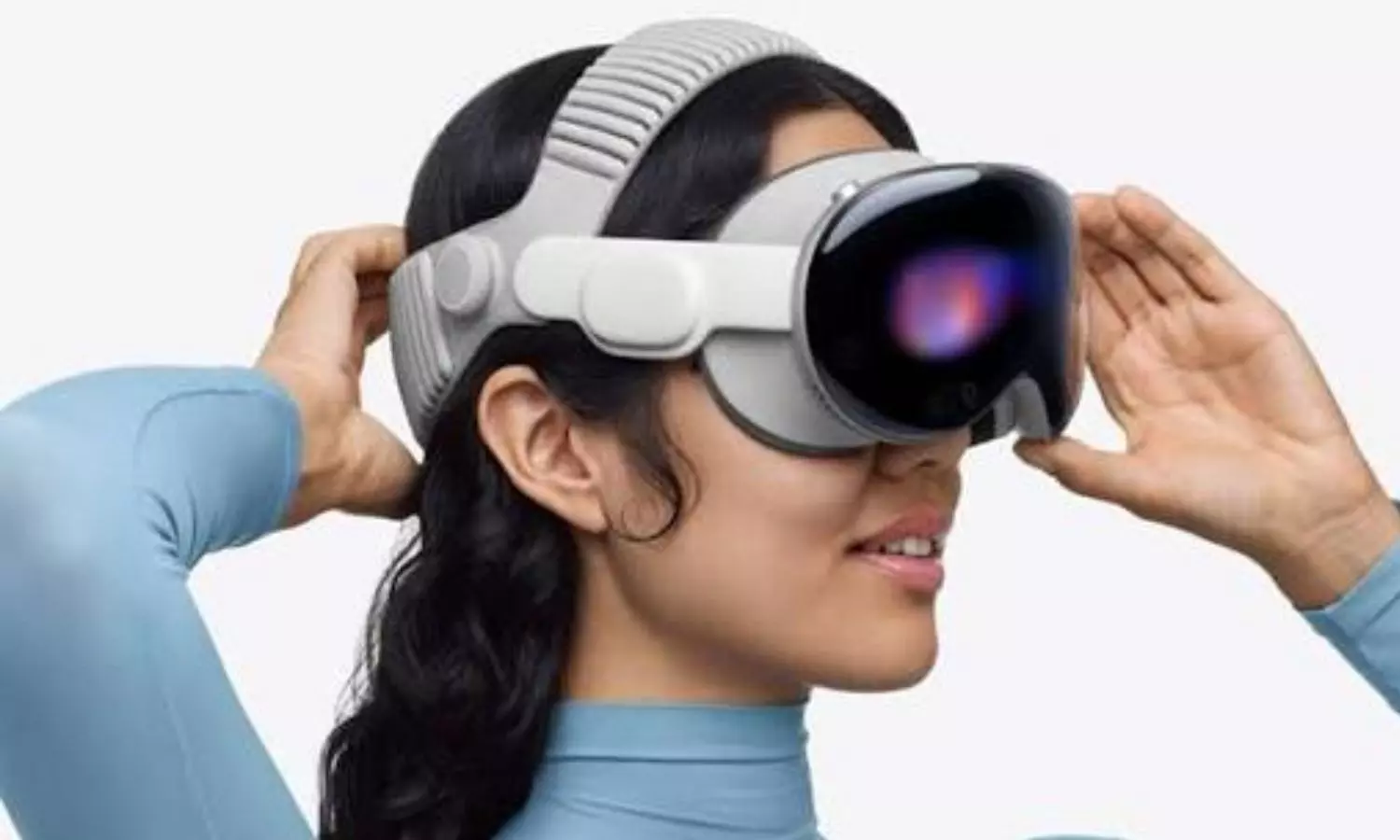
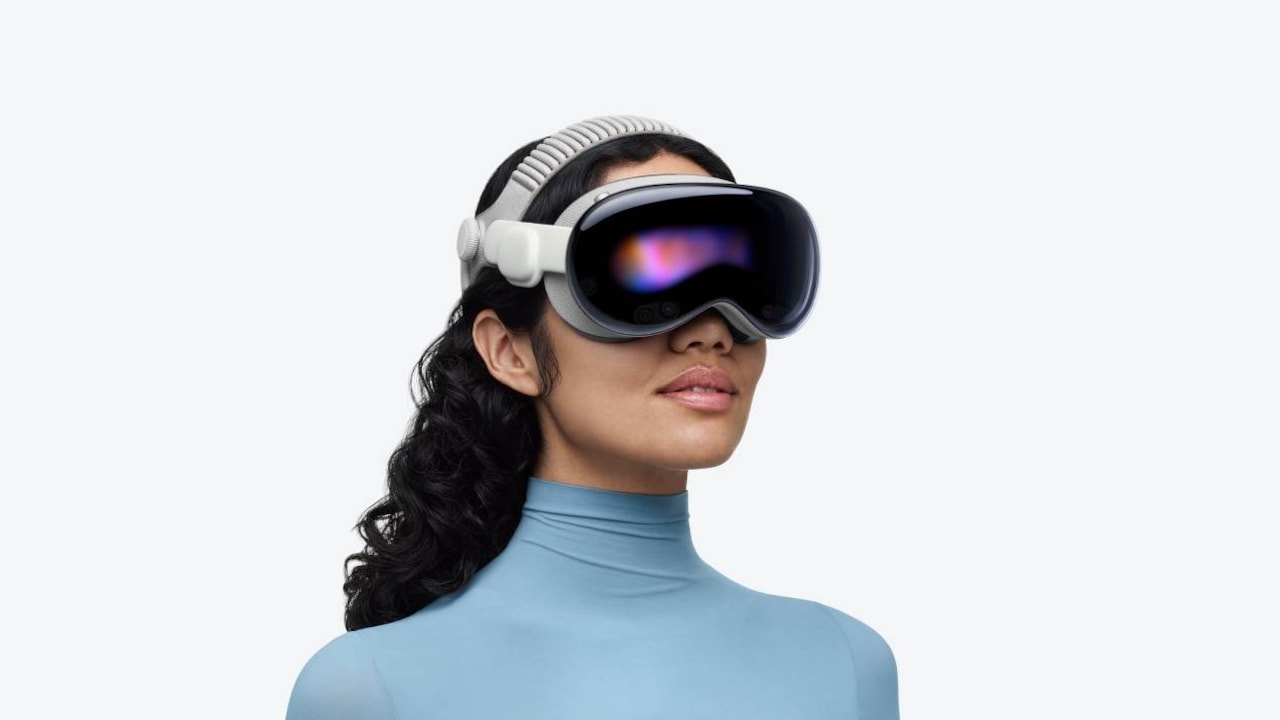
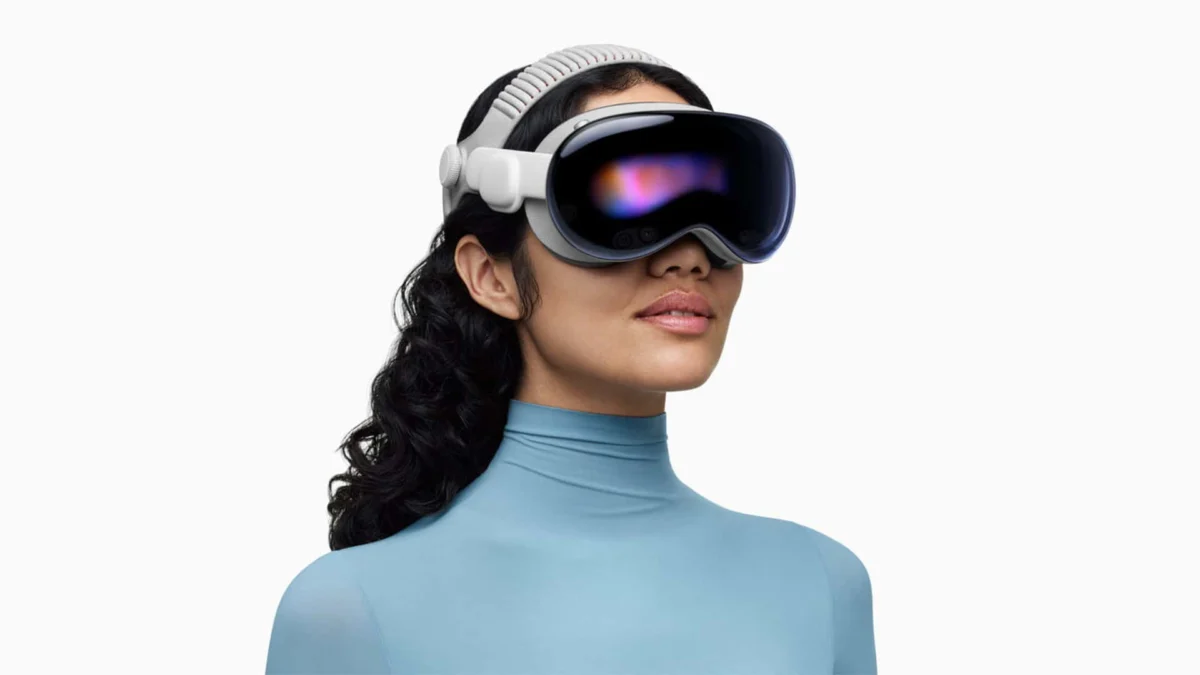
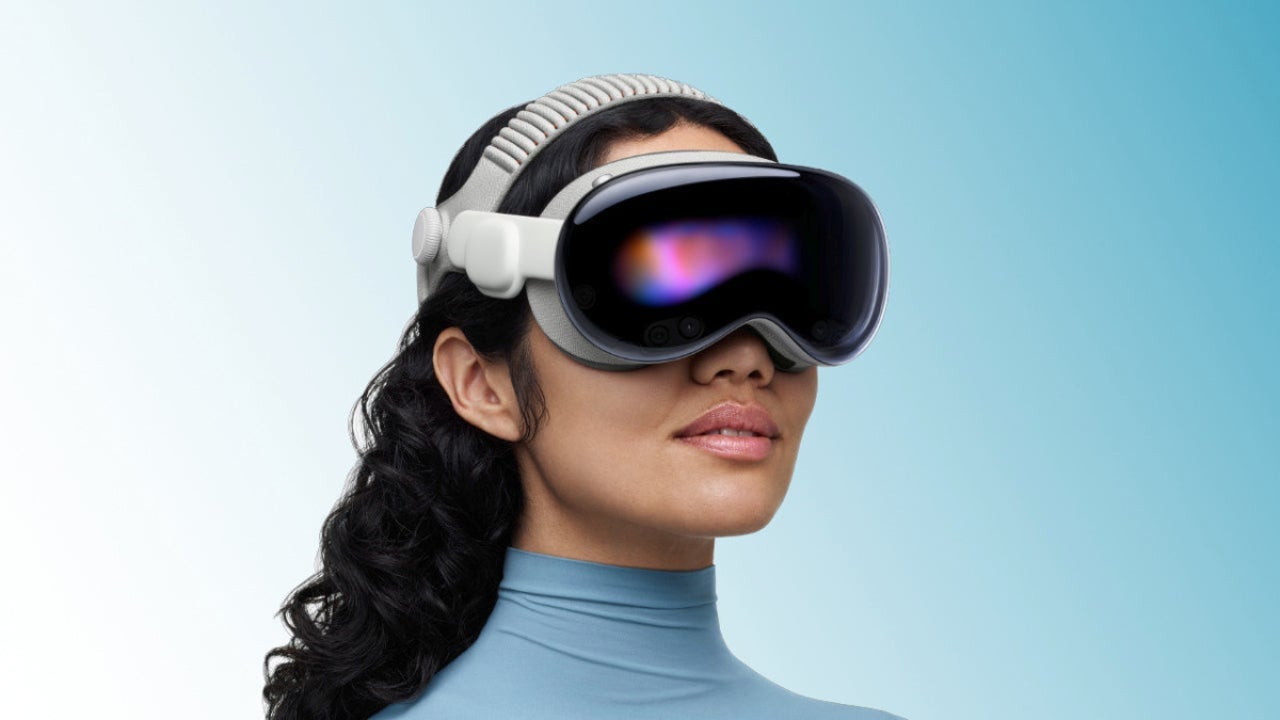
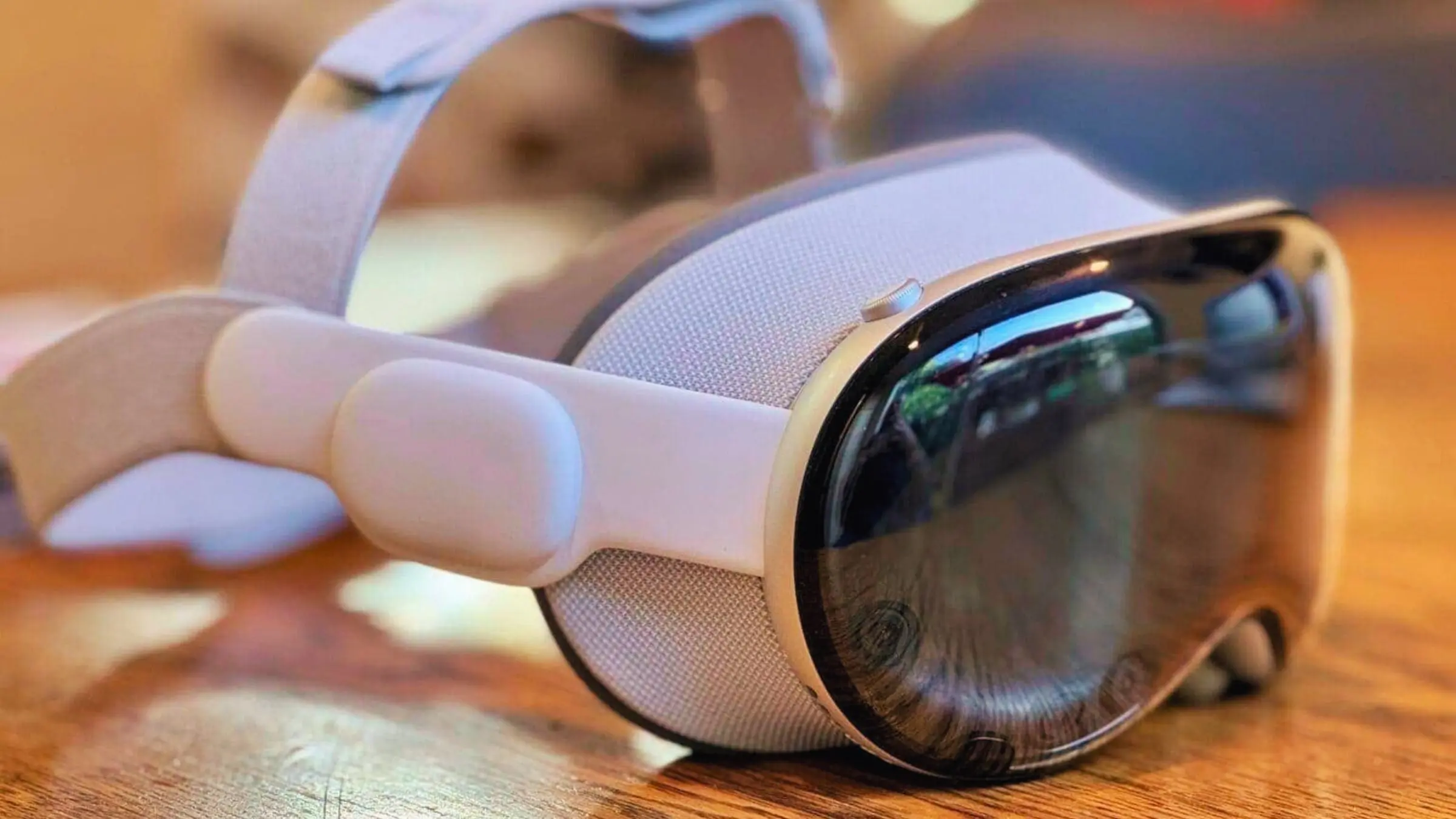
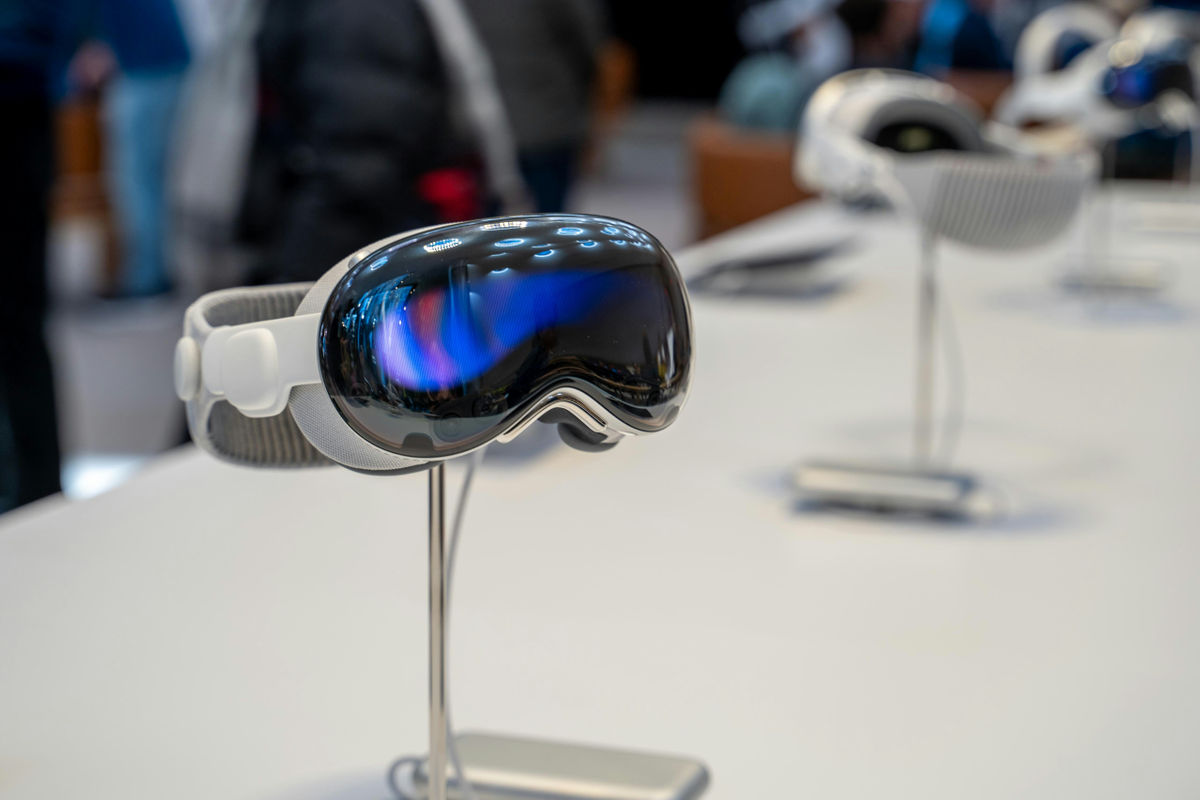
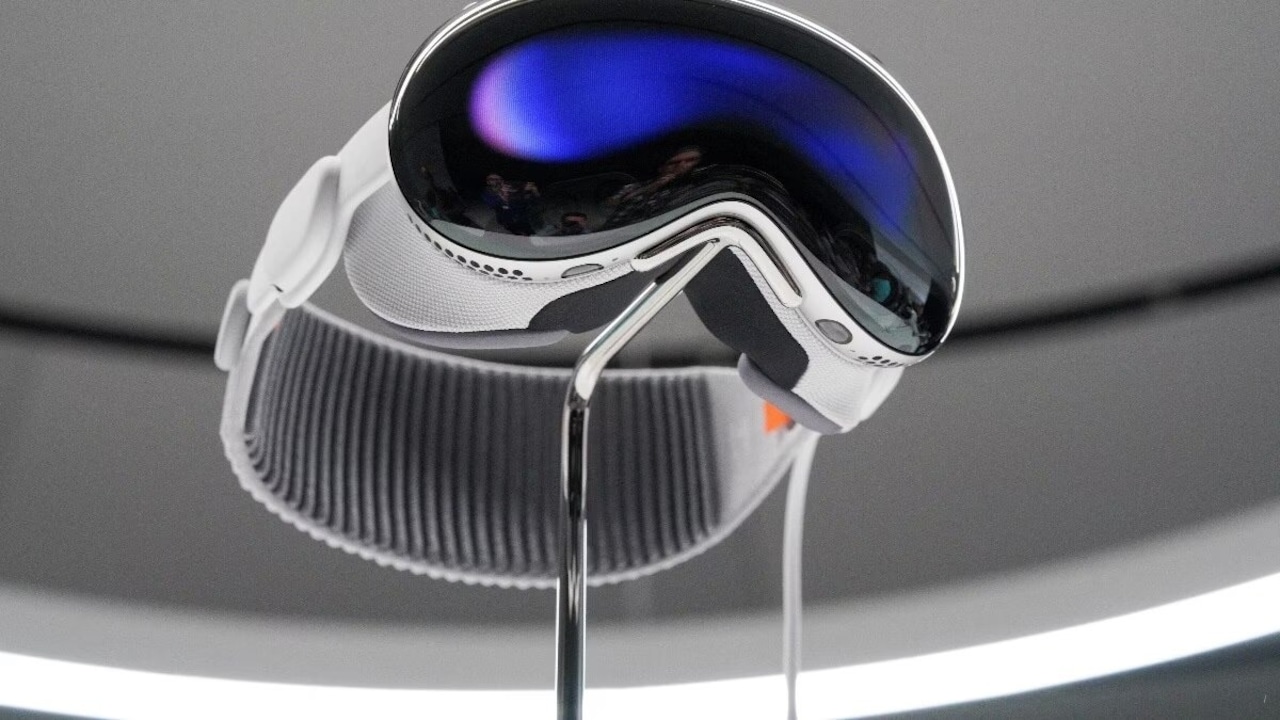
Meta's lightweight VR Glasses announcement at Meta Connect 2026 fundamentally reshapes the spatial computing market, creating a critical 3-year window for e-commerce sellers to capture emerging demand. Meta's spring 2027 launch at $1,299 with 100-gram weight directly addresses the Vision Pro's core failures since February 2024: excessive 800-gram weight, $3,499 price point, and limited everyday use cases. Bloomberg's Mark Gurman reports Apple's next-generation Vision Pro (N224) is on "life support," unlikely to launch before late 2028-2029, with internal resistance from senior executives who prefer all-in-one designs over Meta's external processor approach. This competitive vacuum creates immediate seller opportunities across three dimensions.
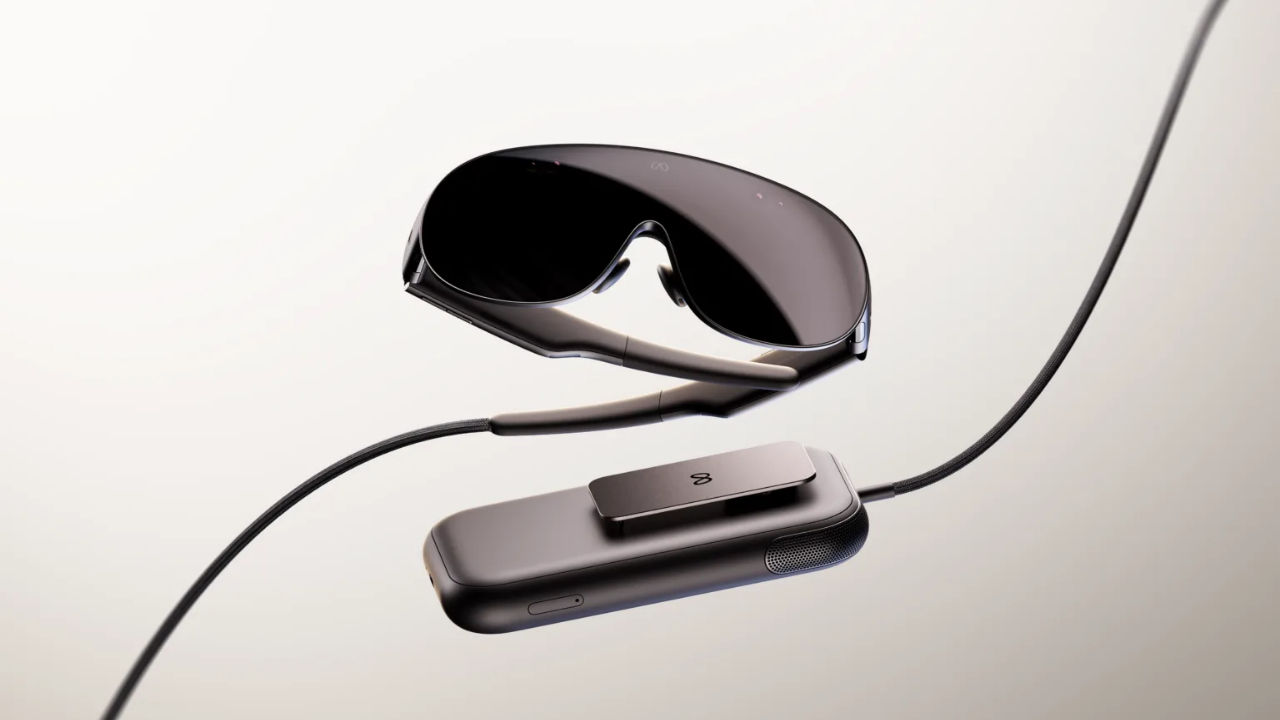
First, VR accessory demand will accelerate 2027-2029. Meta's lighter form factor and $1,299 price point target mainstream consumers rather than early adopters—estimated 5-8M units annually by 2028 versus Vision Pro's 500K-1M units. Sellers should immediately begin sourcing VR headset cases, cable organizers, lens protectors, and clothing-clip mounting solutions optimized for Meta's external puck design. The external processor architecture (clips to clothing via cable) creates entirely new accessory categories: cable management systems, puck holsters, and modular battery packs. Historical data from Quest 3 launch (2023) shows accessory sales reach 40-60% of headset revenue within 18 months—suggesting $500M-$1B accessory market opportunity by 2028.
Second, AI-powered product research and dynamic pricing become competitive moats. Sellers can use AI tools to monitor Meta's developer announcements, analyze competitor pricing across Amazon/eBay/Shopify, and predict accessory demand 6-12 months ahead. Specific automation opportunities: (1) Web scraping Meta's official specs to auto-generate product listings with accurate compatibility claims; (2) Dynamic pricing algorithms that adjust margins based on competitor inventory levels and demand signals; (3) Sentiment analysis of Reddit/Discord VR communities to identify emerging accessory needs before competitors. Tools like Keepa, Helium 10, and custom Python scripts can reduce product research time from 40 hours/week to 5 hours/week while improving accuracy by 25-35%.
Third, the 2027-2029 window represents a "first-mover advantage" period. Apple's organizational restructuring (Vision Products Group moved under Chief Hardware Officer Johny Srouji, away from CEO John Ternus; departure of former hardware chief to OpenAI; recent layoffs) signals diminished internal momentum. Even if Apple commits to N224, launch timing of late 2028-2029 means Meta will have 18-24 months of market dominance. Sellers who establish brand authority in VR accessories by Q3 2027 can capture 30-50% higher margins than late entrants. This requires immediate action: securing supplier relationships, building content libraries (YouTube tutorials, compatibility guides), and establishing Amazon/Shopify storefronts before spring 2027 launch drives competitor saturation.
Questions 8
What is the market size opportunity for VR accessories during the 2027-2029 window?
Meta's lightweight VR Glasses target mainstream consumers (5-8M units annually by 2028) versus Vision Pro's niche market (500K-1M units). Accessory sales historically represent 40-60% of headset revenue—suggesting $500M-$1B total addressory market by 2028. The 18-24 month window before Apple's N224 launch (late 2028-2029) represents a 'first-mover advantage' period where early sellers can capture 30-50% higher margins than late entrants. Sellers establishing brand authority and Amazon/Shopify presence by Q3 2027 position themselves to dominate this emerging category.
How can sellers use AI to automate VR accessory product research and pricing?
Sellers can deploy three AI automation strategies: (1) Web scraping Meta's official specs and developer announcements to auto-generate product listings with accurate compatibility claims, reducing research time from 40 hours/week to 5 hours/week; (2) Dynamic pricing algorithms monitoring competitor inventory across Amazon/eBay/Shopify, adjusting margins based on demand signals and stock levels—improving profitability by 25-35%; (3) Sentiment analysis of Reddit/Discord VR communities to identify emerging accessory needs 6-12 months ahead of competitors. Tools like Keepa, Helium 10, and custom Python scripts enable this automation. First-movers implementing these systems by Q2 2025 gain 6-month competitive advantage.