


US-Canada Trade Ban Creates $1B Tariff Arbitrage Window | Seller Sourcing Shift
- Bans $800M Canadian spirits + $1B total goods; 4-liter bulk exemption creates rebottling arbitrage; 70% US spirits export collapse opens EU/Asia market consolidation for sellers












Overview
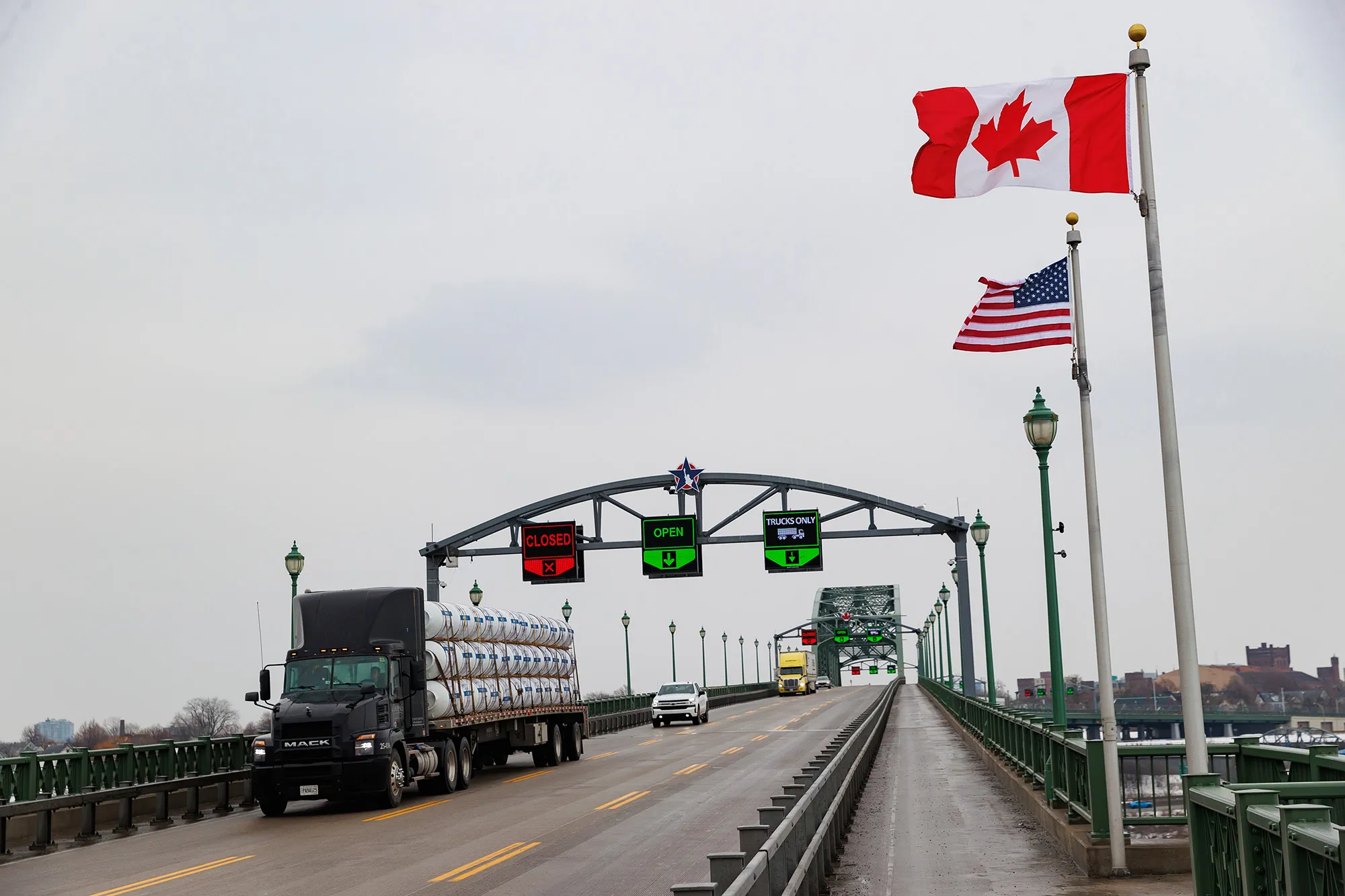
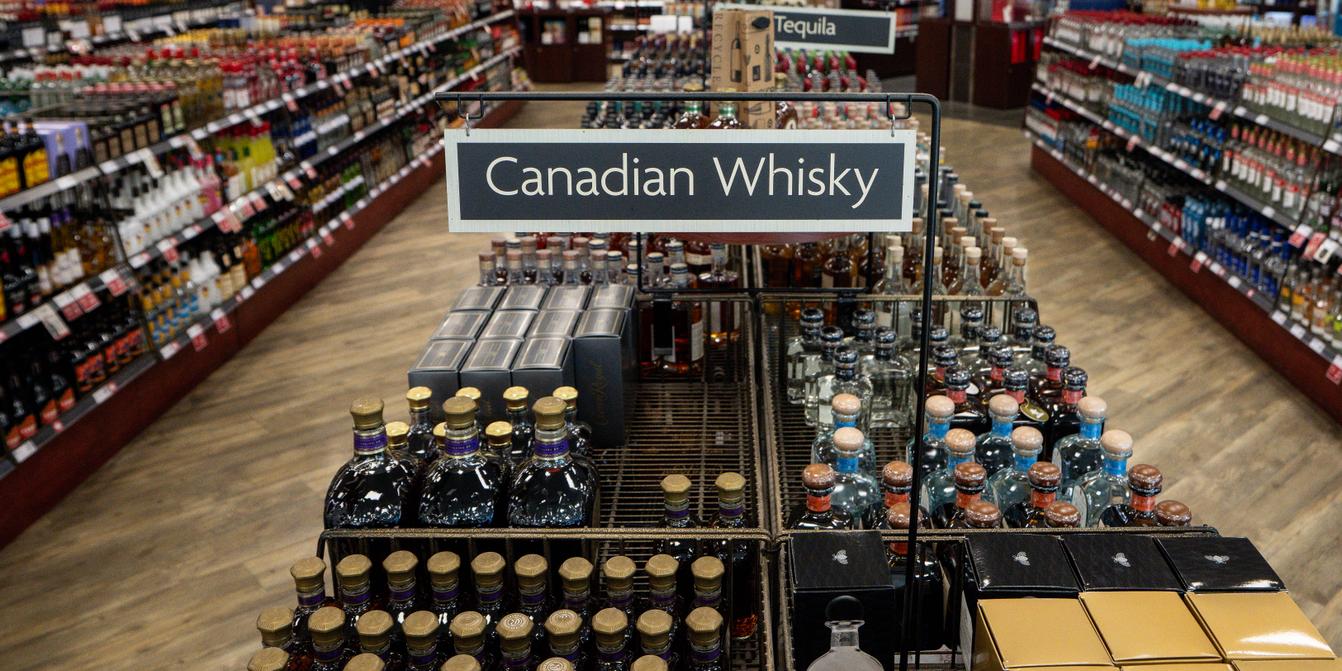
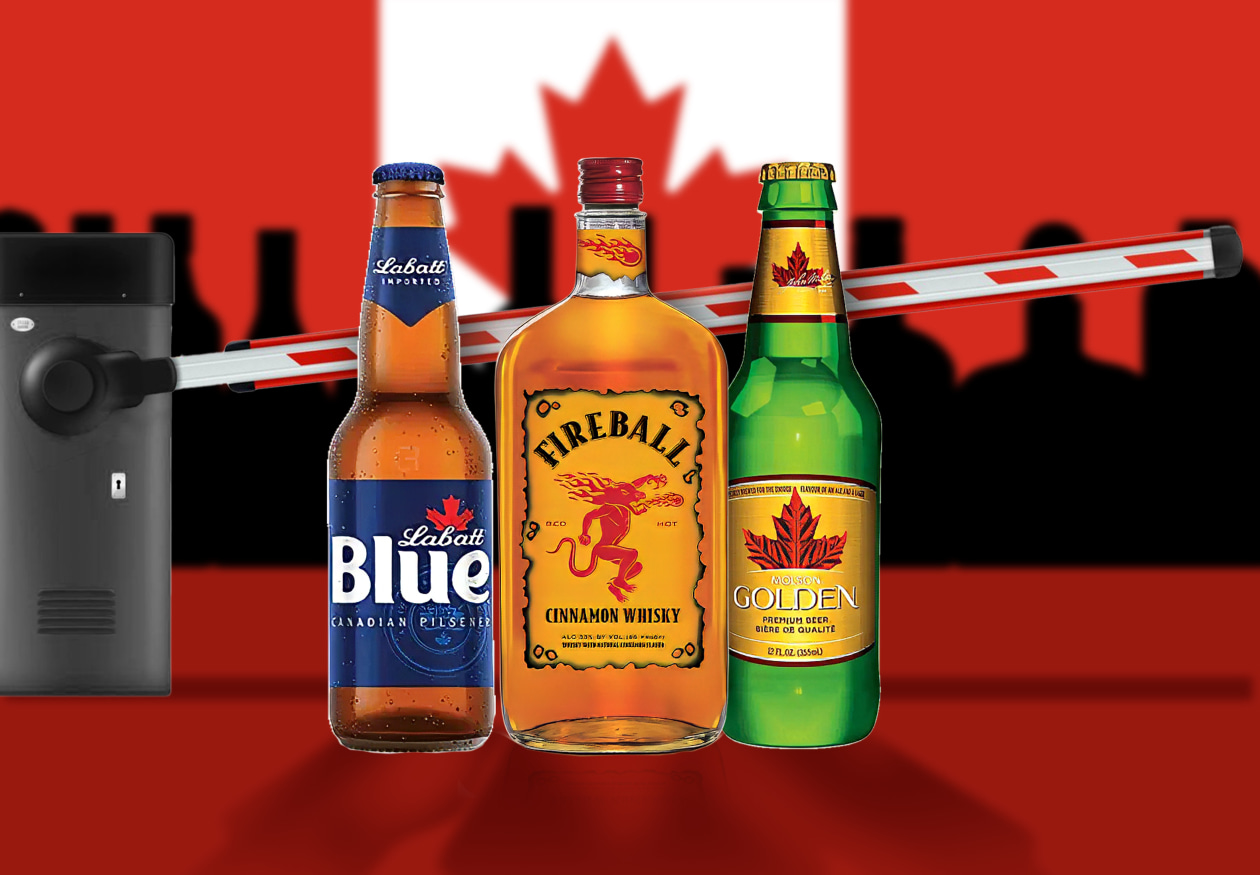
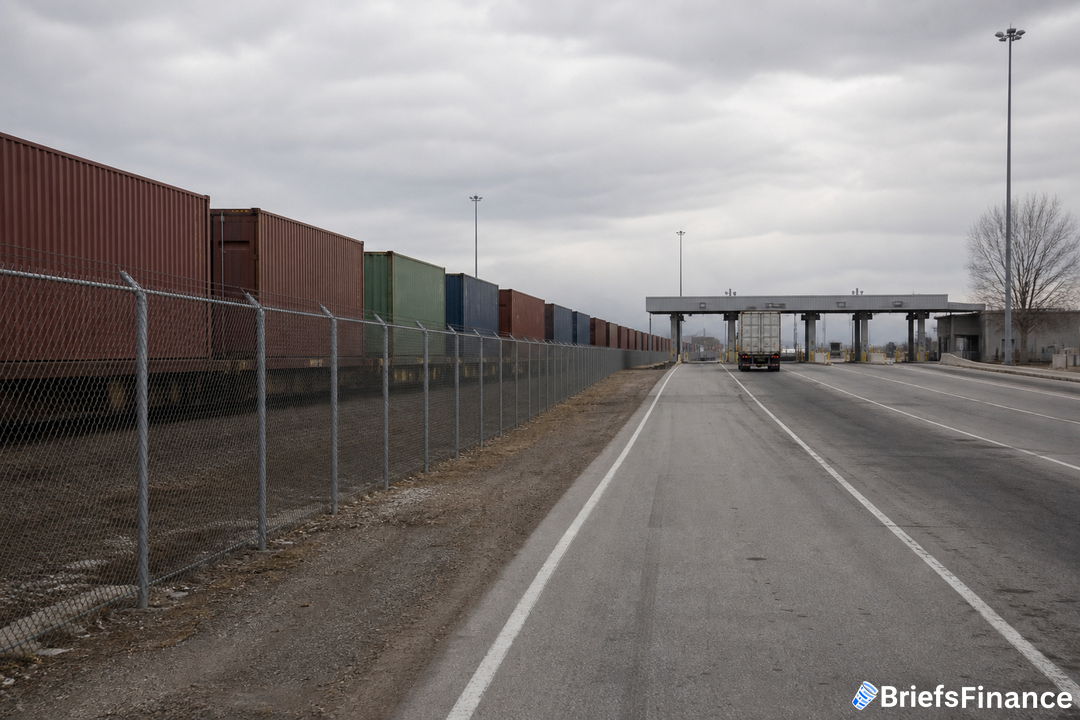
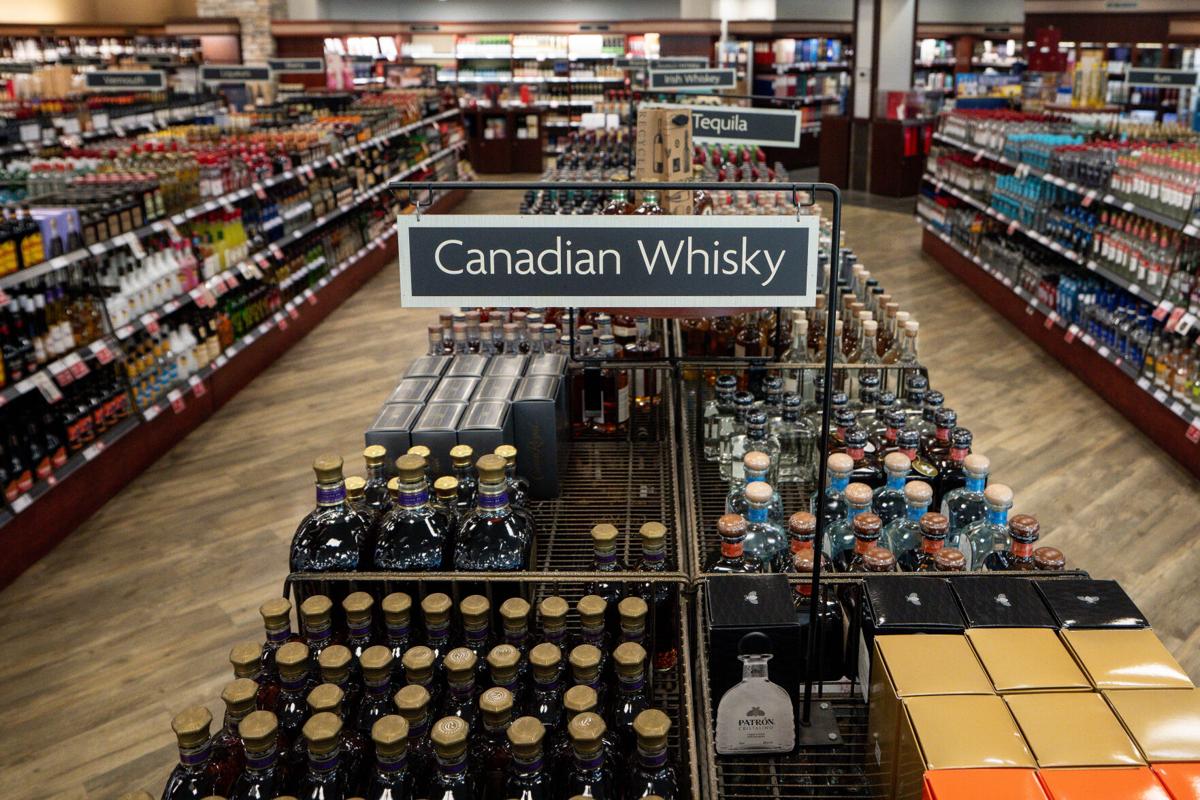
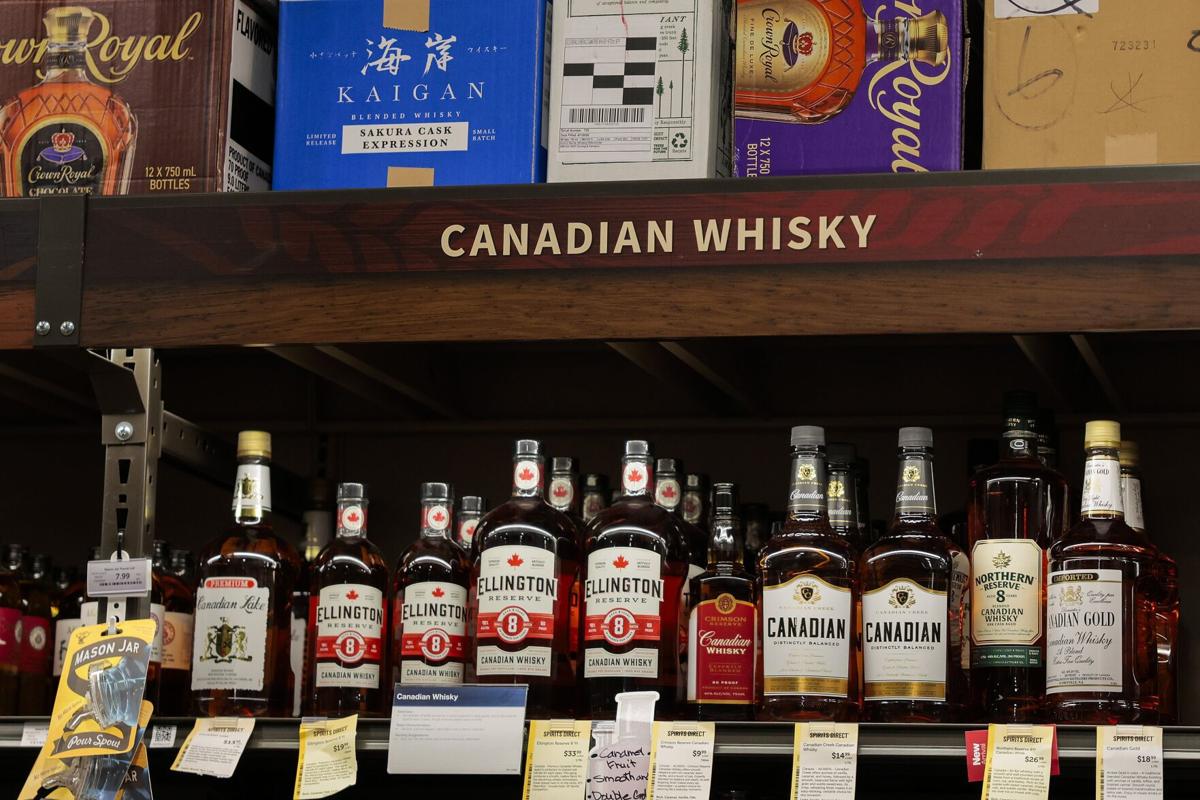
The unprecedented US import ban on Canadian alcohol, dairy, and motorcycles—totaling approximately $1 billion in affected goods—represents a seismic shift in North American trade policy that fundamentally restructures cross-border e-commerce sourcing strategies. President Trump invoked Section 338 of the Smoot-Hawley Tariff Act to justify the ban targeting whisky, liqueurs, beer, and spirits, though a critical exemption exists: containers exceeding four liters avoid tariffs entirely. This loophole creates immediate arbitrage opportunities for sellers willing to navigate rebottling logistics. Canadian spirits exports face catastrophic consequences, with 93% of Canadian spirits historically destined for US markets, while US spirits exports to Canada collapsed 70% following Canada's March 2025 retail removal of American wine and spirits.
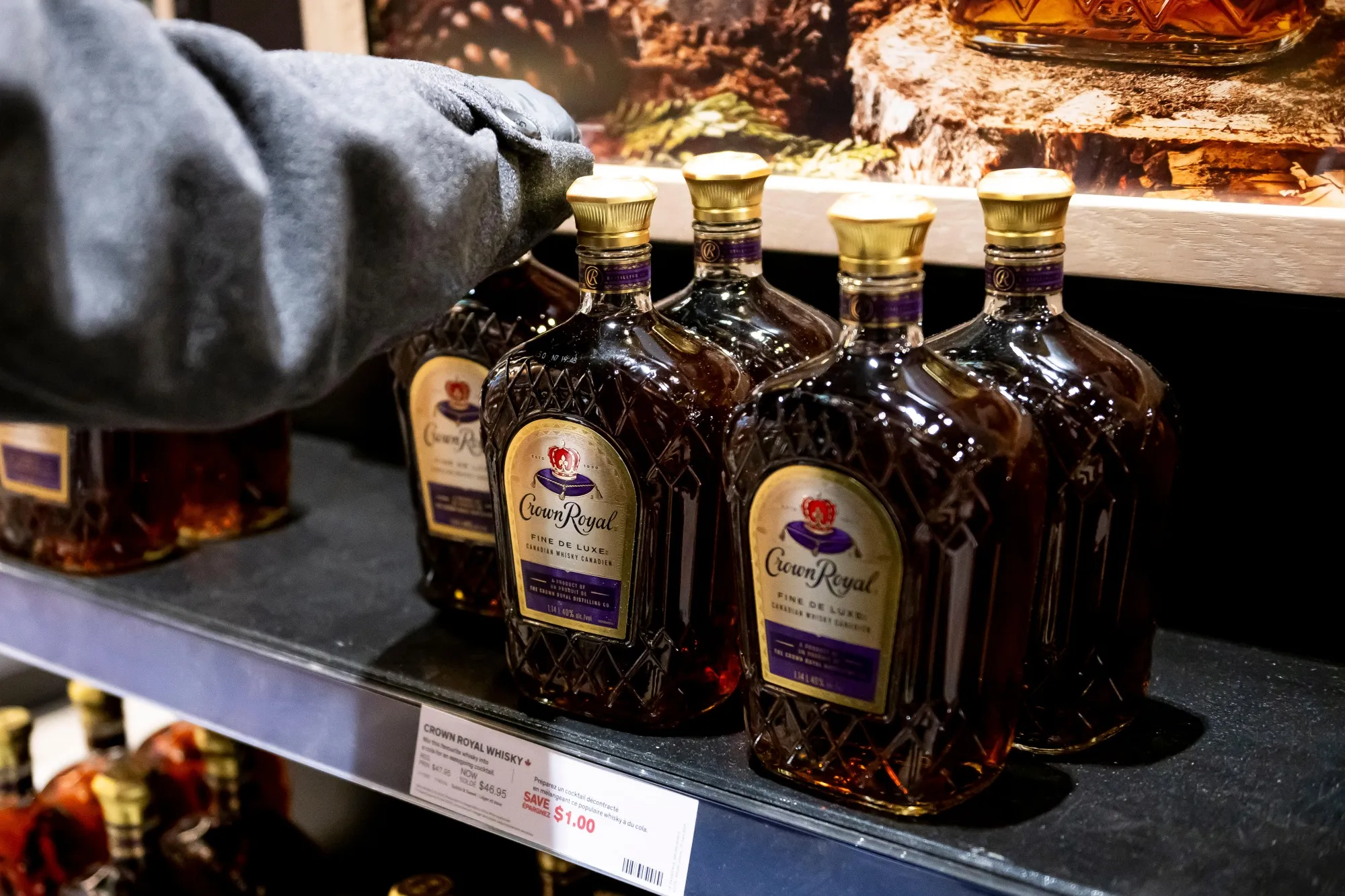
For cross-border sellers, this ban triggers three distinct market opportunities: First, the 4-liter bulk exemption enables sellers to source Canadian whisky and liqueurs at depressed post-ban prices, rebottle into smaller containers, and capture margin expansion of 15-25% compared to pre-ban pricing. Crown Royal's existing bulk infrastructure demonstrates this model's viability. Second, the 70% collapse in US spirits exports to Canada creates a supply vacuum that sellers can fill by sourcing premium American spirits (bourbon, rye, craft whiskey) and redirecting inventory toward EU markets, where Canada is pursuing EU associate membership status. Third, the broader $28 billion in Canadian goods facing 50% tariffs signals that non-banned categories (electronics, apparel, automotive parts) will see increased sourcing pressure toward Vietnam, India, and Mexico alternatives.
The geopolitical dimension amplifies seller opportunities: Canada's strategic pivot toward EU associate membership, India trade agreements, and China tariff reductions on canola signals a 12-18 month window where Canadian exporters will aggressively discount inventory to diversify away from US dependence. Sellers can exploit this pricing window by acquiring bulk Canadian spirits, dairy alternatives (plant-based, specialty cheeses), and motorcycle parts at 20-30% discounts before Canada stabilizes alternative trade relationships. The late-October EU-Canada summit will clarify whether Canada achieves associate member status, which would trigger preferential tariff treatment for Canadian goods entering EU markets—potentially closing the arbitrage window for sellers currently positioned in North America. Trump's stated 3-4 week negotiation timeline creates urgency: if negotiations succeed, tariffs may reverse, eliminating the discount window. If they fail, permanent bans lock in supply chain restructuring toward non-Canadian sources.
Questions 8
Which seller segments benefit most from the US-Canada trade ban?
Three seller segments capture disproportionate value: (1) **Specialty spirits importers** with TTB compliance expertise can execute the 4-liter bulk exemption arbitrage, capturing 15-25% margin expansion on Canadian whisky and liqueurs. (2) **Multi-channel retailers** with EU distribution networks can redirect US spirits inventory toward Canadian-bound EU markets, offsetting North American demand collapse. (3) **Supply chain diversification specialists** managing 50+ SKUs across multiple sourcing regions can rapidly pivot Canadian sourcing toward Vietnam, India, and Mexico alternatives, capturing 20-30% cost reductions. Conversely, **single-source Canadian suppliers** and **small retailers** dependent on Canadian dairy and motorcycle parts face immediate operational disruption and should prioritize alternative sourcing identification within 30 days. Large sellers with diversified sourcing already have competitive advantages; small sellers must act immediately to avoid inventory obsolescence.
What is the timeline for the US-Canada trade negotiations and how does it affect seller decisions?
President Trump expressed confidence in securing a trade deal within 3-4 weeks, creating an urgent decision window for sellers. If negotiations succeed, the ban may reverse, eliminating the current discount window for Canadian goods and potentially restoring tariff-free USMCA access. If negotiations fail, permanent bans lock in supply chain restructuring toward non-Canadian sources. Sellers should use this 3-4 week window to: (1) acquire Canadian spirits at bulk-exemption prices for rebottling arbitrage, (2) liquidate existing Canadian inventory before potential tariff reversals, and (3) model sourcing alternatives (Mexico, Vietnam, India) as contingency plans. Prime Minister Mark Carney has not indicated willingness to negotiate, suggesting negotiations may extend beyond Trump's 3-4 week estimate, potentially extending the arbitrage window to 8-12 weeks. Monitor official trade announcements weekly to adjust sourcing strategies based on negotiation progress.