


Trump Diesel Export Ban Averted | EU Energy Stability Protects Cross-Border Logistics
- Averts 50%+ EU diesel import disruption; stabilizes shipping costs for cross-border sellers through 2026-2027



Overview
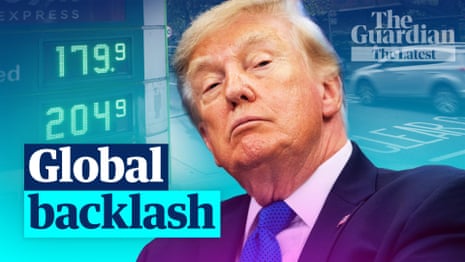
The September 29, 2026 announcement that Trump administration officials signaled abandonment of the proposed 90-day diesel export ban represents a critical stabilization event for cross-border e-commerce logistics networks. U.S. diesel accounts for over 50% of EU diesel imports and 10% of total EU consumption, making a ban potentially devastating for European energy markets and, by extension, the fulfillment infrastructure that powers international commerce.
For cross-border sellers, this policy reversal directly impacts fulfillment costs and supply chain reliability. A diesel export ban would have triggered cascading effects: elevated fuel surcharges on 3PL providers (typically 8-15% increases), delayed shipments from US fulfillment centers to EU warehouses, and compressed margins on time-sensitive categories like electronics and apparel. EU Energy Chief Dan Jørgensen and Irish Energy Minister Darragh O'Brien's confirmation that the ban "doesn't look like something that would happen" signals policy stability through at least Q4 2026, allowing sellers to maintain current logistics contracts without emergency renegotiations.
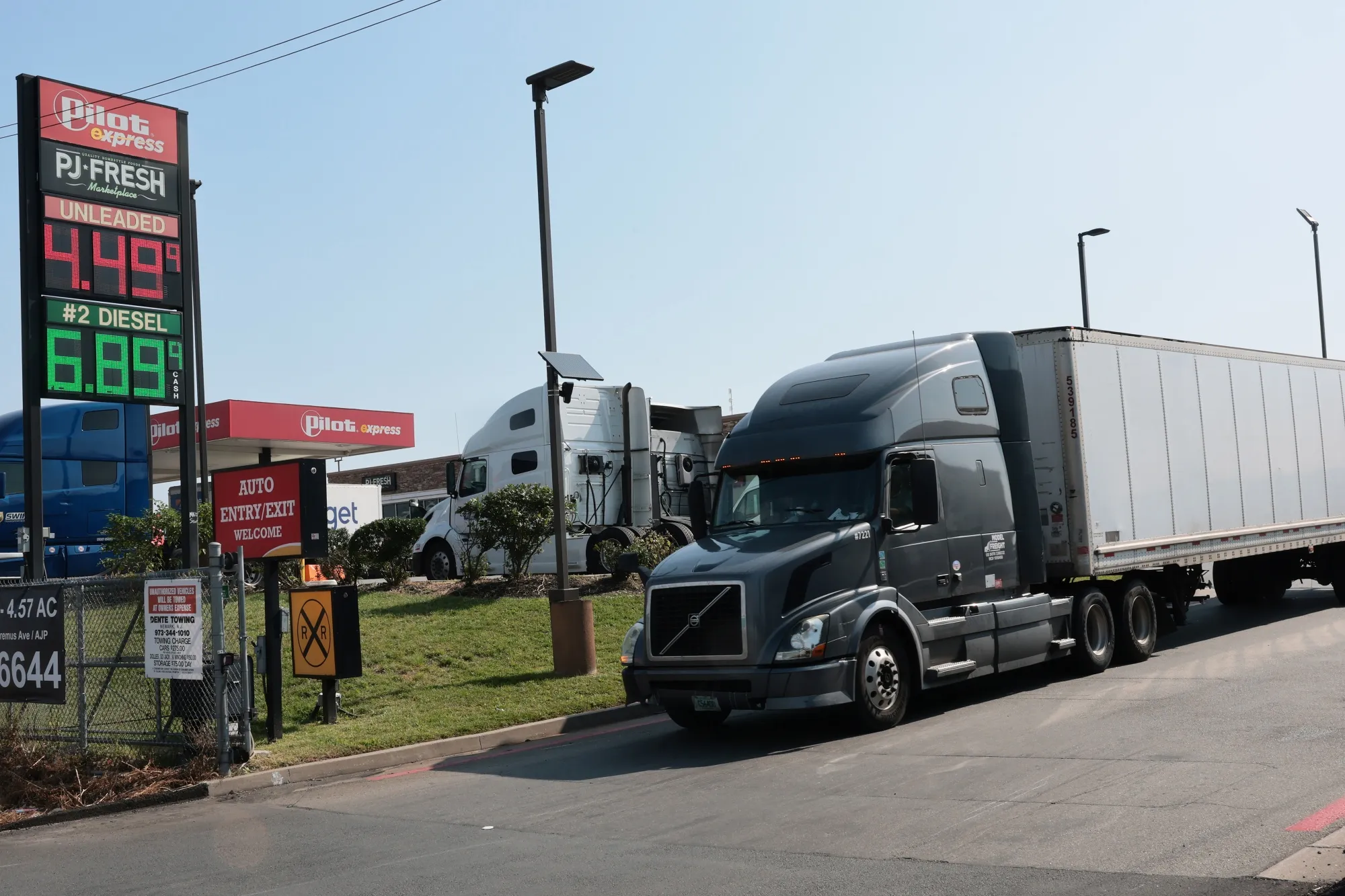
The geopolitical context—Iran conflict tensions and Russian refinery restrictions—created genuine supply anxiety that threatened to spike diesel prices 15-25% if the ban proceeded. This would have forced sellers to either absorb costs (compressing 3-5% margins on low-margin categories) or pass increases to consumers (reducing competitiveness on Amazon, eBay, and Shopify). The EU's active lobbying against the ban demonstrates institutional commitment to energy market stability, reducing policy reversal risk in the near term.
Operationally, sellers should interpret this as a 12-18 month window of predictable logistics costs. However, the news explicitly notes EU officials "maintained cautious positioning, recognizing that policy decisions could still change," indicating ongoing geopolitical volatility. Sellers shipping 500+ units monthly to EU markets should lock in 3PL contracts through Q2 2027 while rates remain stable, and avoid over-committing inventory to EU warehouses until geopolitical tensions (Iran conflict, Ukraine situation) show sustained de-escalation. The stabilization also protects the viability of FBA Europe operations, where fulfillment cost predictability is essential for maintaining Buy Box eligibility and competitive pricing.
Questions 7
What should sellers do to protect against future energy policy disruptions?
Sellers shipping 500+ units monthly to EU markets should immediately lock in 3PL contracts through Q2 2027 while fuel surcharge rates remain stable. Avoid over-committing inventory to EU warehouses until geopolitical tensions (Iran conflict, Ukraine situation) show sustained de-escalation. Monitor EU energy policy announcements quarterly and maintain 15-20% inventory buffer in US fulfillment centers as contingency. Consider diversifying fulfillment across multiple 3PL providers to reduce single-provider policy exposure.
Why is the Trump administration's policy reversal significant for e-commerce sellers?
The September 29, 2026 announcement that Trump officials signaled abandonment of the diesel ban provides 12-18 months of logistics cost predictability. This allows sellers to lock in 3PL contracts through Q2 2027 at current rates and maintain stable FBA Europe operations. Without this reversal, sellers would have faced emergency renegotiations with fulfillment providers, inventory repositioning costs, and potential margin compression across electronics, apparel, and time-sensitive categories shipping to EU markets.