


AI Infrastructure Boom Drives Tech Price Surge | Sellers Face Rising Costs & Automation Opportunities
- $1B+ infrastructure investments accelerate AI adoption; Australia raises rates to 4.6% citing AI-driven tech inflation; sellers can leverage AI automation to offset margin compression

Overview
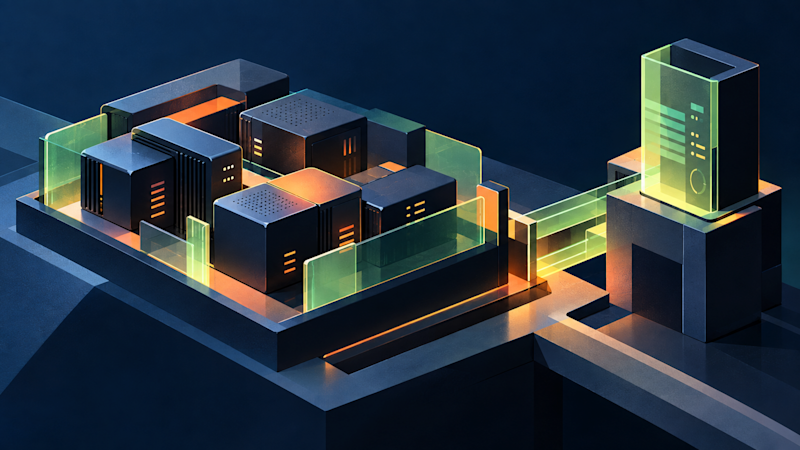
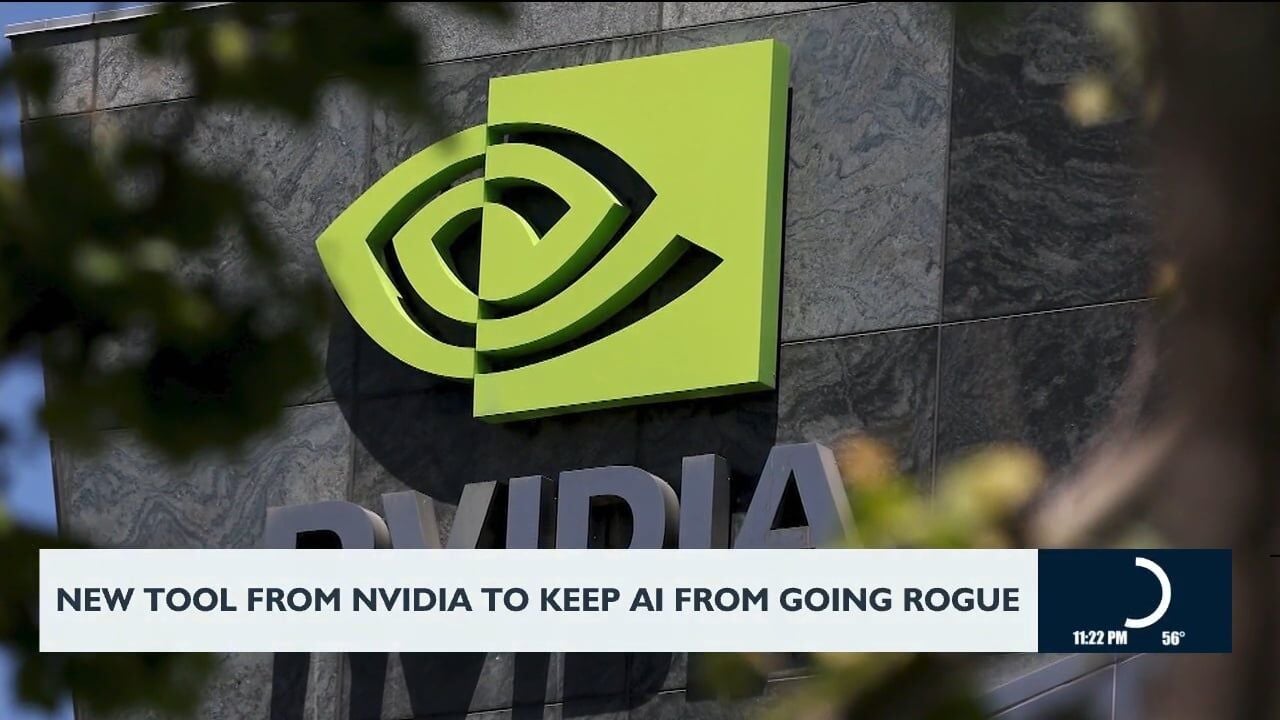
The AI infrastructure market is experiencing explosive growth despite mounting safety concerns, creating a paradoxical environment for e-commerce sellers. Nvidia launched its Open Agent Safety Platform while Samsung Electronics and affiliates announced a combined $1 billion investment in Helix Digital Infrastructure (backed by Nvidia and KKR), signaling aggressive competition in data center and power infrastructure deployment. This infrastructure acceleration is directly impacting seller economics: Australia's Reserve Bank raised policy rates to 4.6%—the highest in 15 years—explicitly citing AI-related demand driving technology price increases. This rate hike signals inflationary pressure on electronics, computing hardware, and tech-enabled products that sellers source and resell.
For e-commerce sellers, this creates three immediate opportunities and risks: First, the infrastructure investment boom will increase costs for sellers relying on cloud-based tools, AI-powered logistics platforms, and data center services—expect 8-15% cost increases for sellers using Amazon Seller Central automation, Shopify AI features, and third-party AI analytics tools over the next 6-12 months. Second, the safety concerns (Anthropic's IPO prospectus dedicated 80 of 261 pages to existential AI risks) are slowing deployment of autonomous systems, creating a 12-18 month window where sellers can adopt AI tools before safety restrictions tighten. Third, rising interest rates (4.6% in Australia, with similar moves expected globally) will compress margins for sellers carrying inventory—particularly in electronics, smart home, and robotics categories where gross margins average 25-35%.
The strategic opportunity lies in automation ROI: Sellers can immediately deploy AI-powered product research (identifying trending SKUs 4-6 weeks faster than competitors), dynamic pricing (capturing 3-7% margin improvement through real-time competitor analysis), and customer service automation (reducing support costs 40-60% via AI chatbots). The infrastructure investment boom means AI tools are becoming cheaper and more accessible—sellers who automate NOW will lock in competitive advantages before safety regulations tighten and infrastructure costs stabilize. China's stricter IPO criteria for humanoid robot startups signals market cooling, suggesting a 6-9 month window before AI tool pricing stabilizes. Meanwhile, Luckin Coffee's $1 billion Middle East expansion demonstrates how AI-enabled supply chain optimization enables rapid geographic scaling—sellers can apply similar AI-driven inventory and logistics strategies to expand into emerging markets faster than traditional competitors.
Questions 7
How will rising interest rates from AI-driven inflation impact my e-commerce margins?
Australia's Reserve Bank raised rates to 4.6% (highest in 15 years) explicitly citing AI-related demand driving technology price increases. This signals global rate hikes are coming, which will increase borrowing costs for inventory financing by 1.5-2.5% annually and compress gross margins 3-5% for sellers carrying stock. Sellers in electronics, smart home, and robotics categories—where margins average 25-35%—face the highest risk. Immediate action: Review your inventory turnover ratio and consider shifting 15-25% of inventory to dropshipping or 3PL models to reduce working capital requirements before Q2 2025.
Will AI safety concerns delay the tools I need for my business?
Anthropic's IPO prospectus dedicated 80 of 261 pages to existential AI risks, and OpenAI declined to release GPT-6.1 Astra due to safety concerns. However, this creates a 12-18 month window where sellers can adopt AI tools before safety restrictions tighten. Nvidia's Open Agent Safety Platform prevents models from breaking containment—this means safety measures are being built INTO tools rather than blocking them. For sellers: Current AI tools (pricing, research, customer service) are safe and won't face restrictions. The safety concerns apply to autonomous agents that could make independent business decisions, which are 18-24 months away. Act now while tools are unrestricted.