


Diesel Export Ban Risk | 10-15% Freight Cost Surge for Cross-Border Sellers
- Potential 90-day export prohibition threatens $2B+ in logistics costs for sellers shipping to Latin America and Europe; immediate supply chain diversification required










Overview
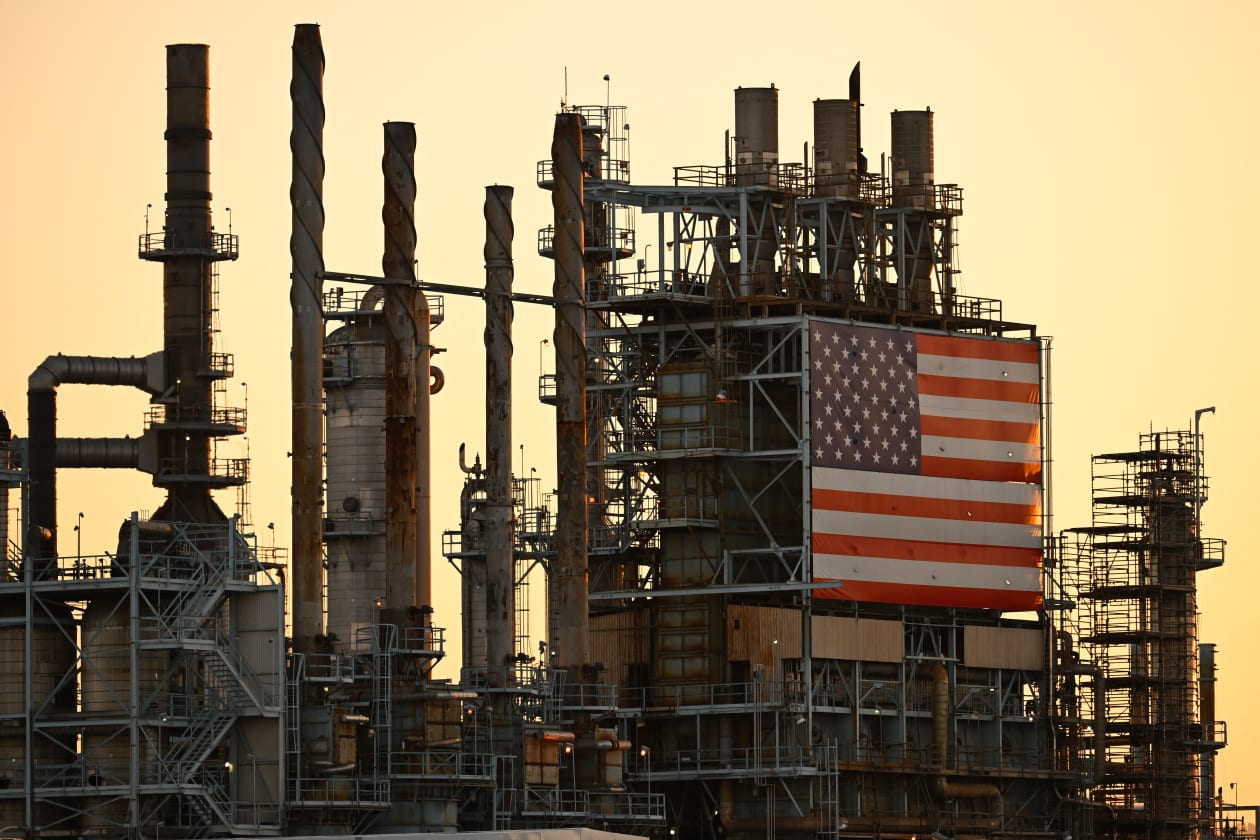
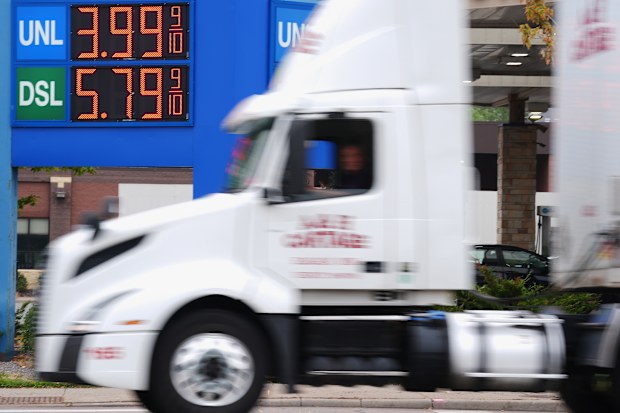
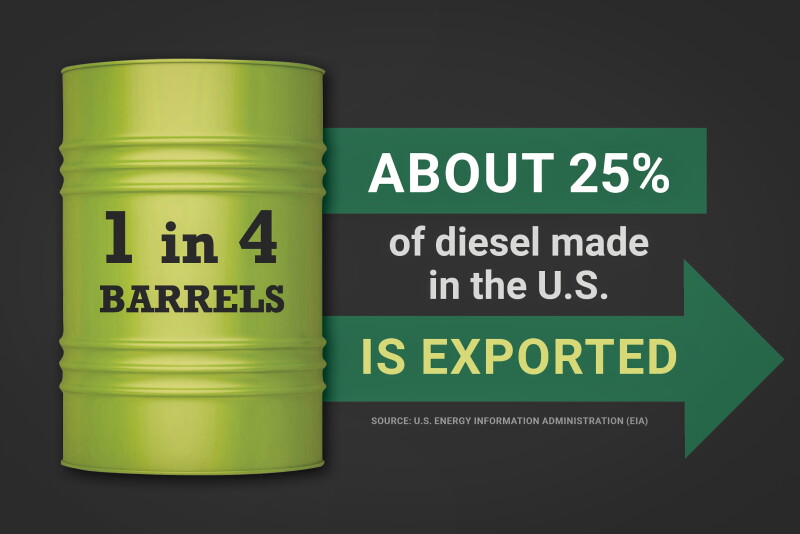
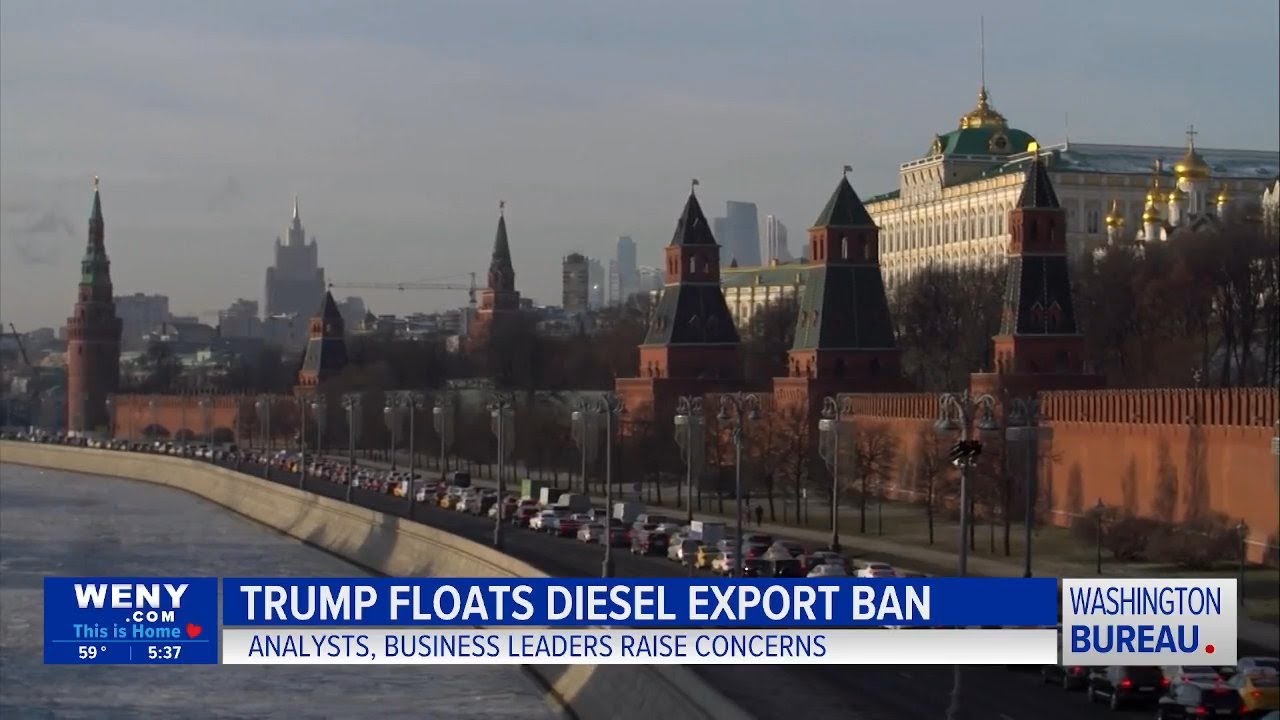
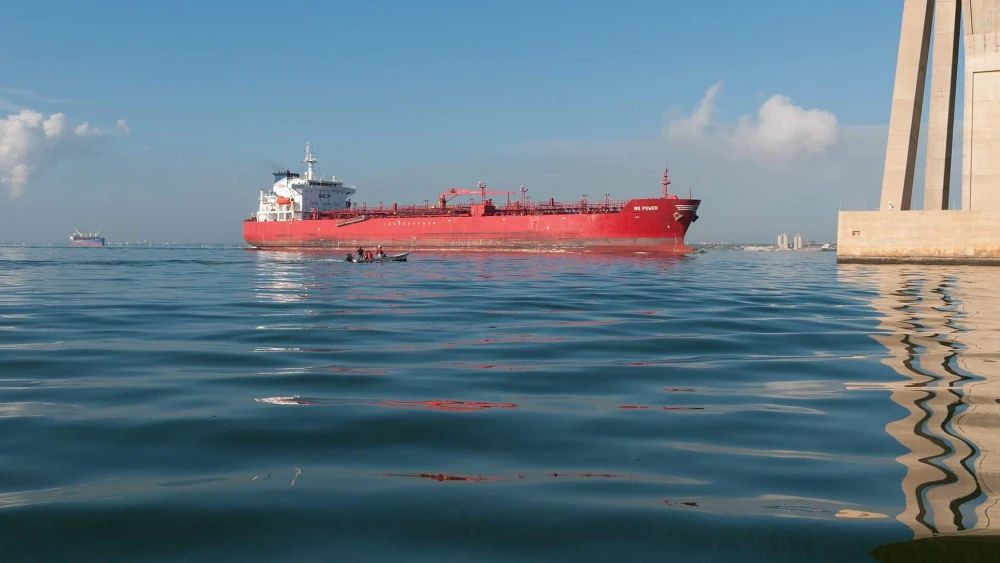
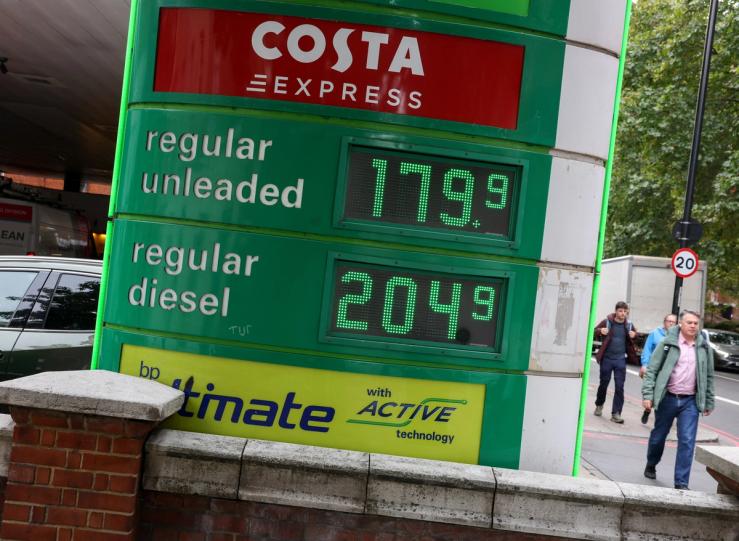
The Trump administration is actively considering a diesel export ban to address record fuel prices ($6.50/gallon average) ahead of November midterm elections, creating a critical supply chain crisis for cross-border e-commerce sellers. Energy Secretary Chris Wright confirmed the White House is "thinking about it very seriously," with Politico reporting preparations for a potential 90-day export prohibition. The U.S. currently produces 4-5 million barrels of diesel daily with 3.6 million consumed domestically, leaving 1.2-1.5 million barrels for export—60-70% of which flows to Latin America (Mexico, Brazil, Chile, Ecuador). This policy would directly impact sellers relying on fuel-dependent transportation, with freight costs potentially increasing 10-15% in affected regions according to industry analysis.
The competitive dynamics heavily favor domestic U.S.-based sellers with established 3PL networks while disadvantaging sellers dependent on international logistics corridors. Morgan Stanley strategists warn that while an export ban would initially lower U.S. diesel prices, it would trigger adverse downstream effects: global diesel prices would spike, European diesel could reach unprecedented levels (per Argus Media), and retaliatory trade measures could trigger tariff escalations on e-commerce goods. The American Petroleum Institute opposes the ban, arguing it would "exacerbate refining challenges," but political momentum remains strong among Farm Belt lawmakers pressing for relief as diesel exceeds $6/gallon during harvest season. The policy window is narrow—implementation could occur within 90 days if approved, creating an immediate compliance and cost-mitigation deadline for sellers.
For sellers shipping to Latin America and Europe, this represents a 1-3 month window to restructure logistics before potential cost explosions. Sellers with high-volume shipments to Mexico, Brazil, and European markets face the most acute risk. The geopolitical drivers (Iran tensions affecting Strait of Hormuz, Russia-Ukraine conflict disrupting fuel routes) suggest sustained supply pressure regardless of export ban implementation. Alternative policy proposals—such as expanding red-dyed diesel access (currently tax-exempt at 0.1¢/gallon vs. 24.4¢/gallon highway tax)—may provide partial relief but won't address underlying supply imbalances. Texas, Alabama, Louisiana, and Nebraska have already issued temporary diesel relief measures, signaling state-level recognition of the crisis. Sellers should treat this as a high-probability event requiring immediate action on logistics diversification, 3PL renegotiation, and inventory positioning in key markets.
Questions 8
What alternative policies might replace a full diesel export ban?
The White House is exploring several alternatives: (1) expanding red-dyed diesel access—currently tax-exempt at 0.1¢/gallon vs. 24.4¢/gallon highway tax—which could provide 24¢/gallon savings for truckers; (2) voluntary commitments from major refiners to limit exports; (3) suspending federal gas taxes. Texas, Alabama, Louisiana, and Nebraska have already issued temporary diesel relief measures. However, GasBuddy's analysis indicates these alternatives won't address underlying supply imbalances. Sellers should prepare for a hybrid approach: partial export restrictions (not full ban) combined with red-dyed diesel expansion. This would provide 30-40% cost relief domestically but still increase international freight costs 5-8%.
How should sellers restructure their 3PL partnerships to mitigate diesel cost risks?
Immediate actions: (1) Renegotiate fuel surcharge clauses with current 3PLs—lock in fixed fuel costs for 6-12 months if possible; (2) Diversify across 2-3 regional 3PL providers in key markets (Mexico, Brazil, Europe) to reduce single-provider risk; (3) Evaluate nearshoring options—shifting inventory to Mexico or Brazil warehouses reduces long-haul diesel dependency; (4) Implement fuel hedging through logistics providers offering fuel-cost guarantees. For sellers shipping 1,000+ monthly units, the cost of diversification ($5-15K setup) is justified by potential 10-15% freight savings. Consider 3PLs with local fuel sourcing capabilities in Latin America to bypass U.S. diesel export restrictions entirely.