



Amazon Prime Big Deal Days 2026 | Strategic Seller Opportunities in October Event
- October 6-7 event extends early deals across 8+ product categories with 47-65% discounts; sellers can capitalize on predictable demand patterns in apparel, home appliances, and seasonal goods






Overview
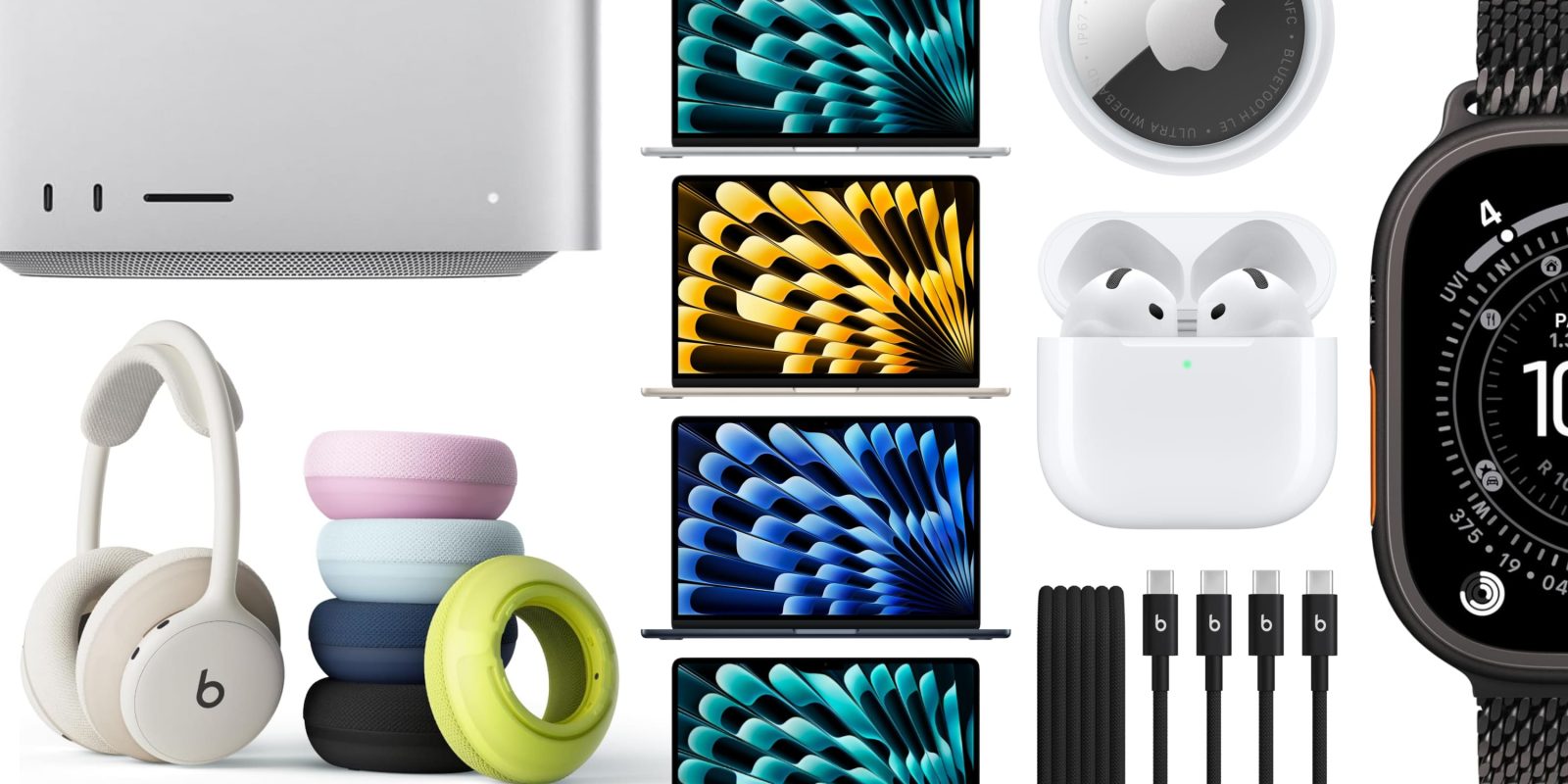
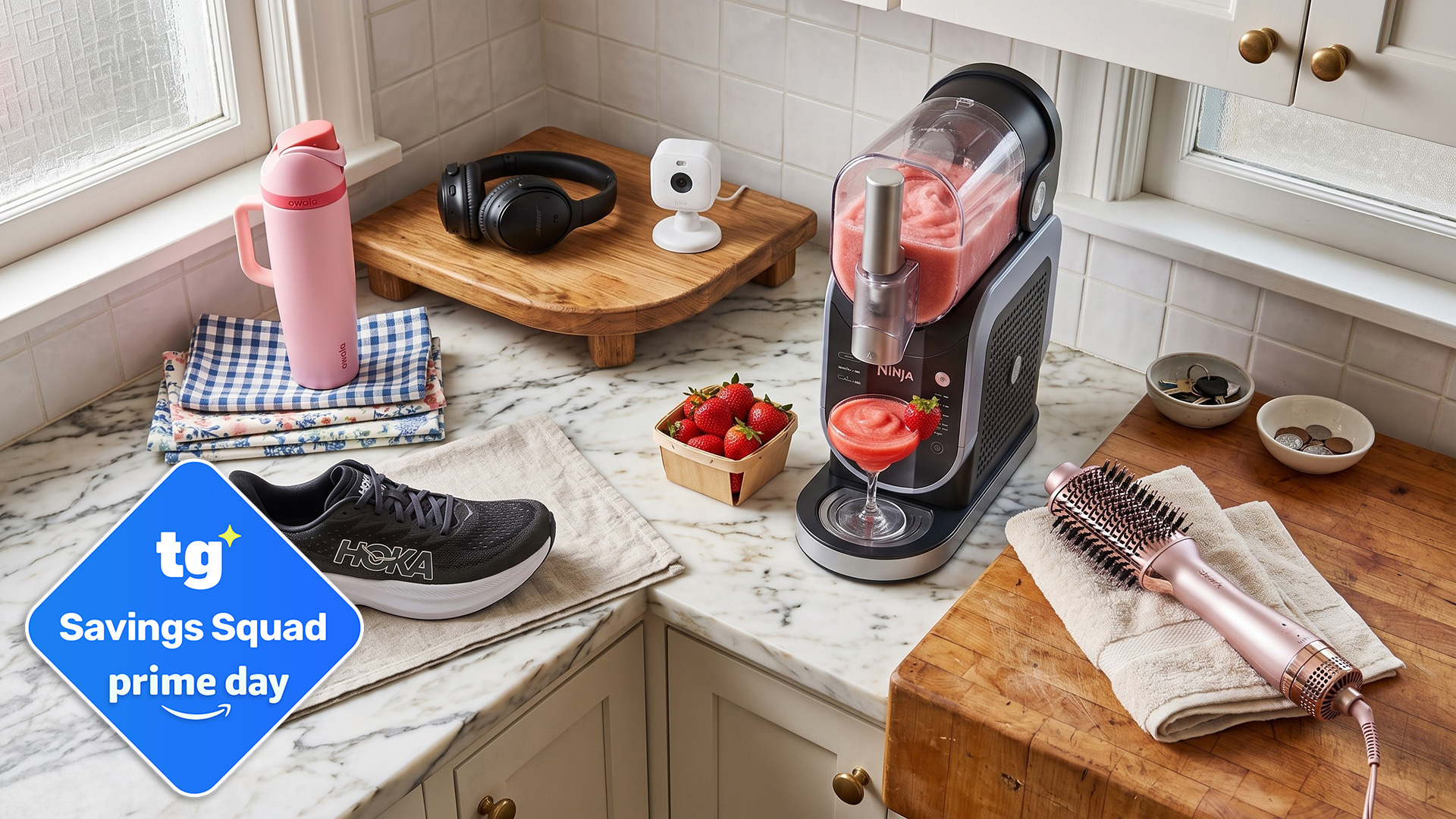
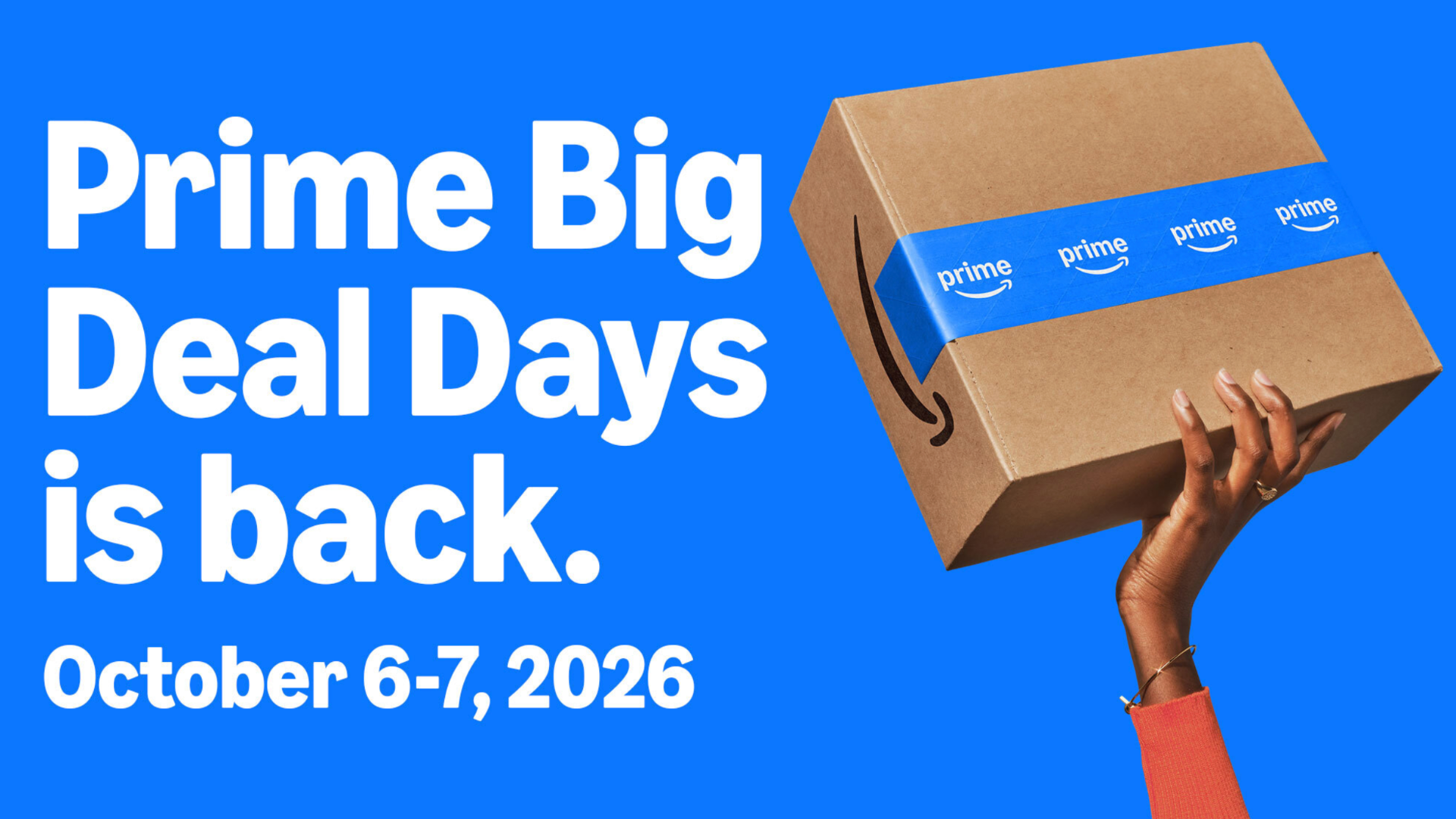
Amazon's October Prime Big Deal Days 2026 (October 6-7) represents a critical seasonal selling event with extended promotional windows that create distinct opportunities for third-party sellers across multiple categories. The event, officially called "Prime Big Deal Days," features early deals already live across major brands including Apple, Lego, Yeti, Shark, Carhartt, and Ninja, with significant discounts spanning apparel (Levi's jeans at 47% off, Hanes sweatpants from $25), home appliances (Ninja air fryers at $150, robot vacuum-mop hybrids at 60% off), and seasonal items (Yankee Candle fall fragrances at $6-7). This extended promotional period—stretching beyond the official October 6-7 dates—signals Amazon's competitive positioning ahead of the November holiday shopping season and reveals critical seller insights about inventory management and pricing strategy.
The extended deal window creates a critical inventory management challenge for sellers. Professional deal hunters emphasize that several items represent lowest annual prices, with limited inventory and prices unlikely to drop further before late November. This timing pattern indicates sellers must strategically position inventory 2-3 weeks before the official event dates to capture early-bird traffic. Categories showing strongest performance include home appliances (robot vacuums, cordless stick vacuums), apparel (fleece hoodies at 65% off, winter coats), and specialty food items (Bonne Maman Advent Calendars). The 60-65% discount depth on home appliances and security products (Ring camera bundles at 65% off) suggests these categories drive significant volume during Prime Day, making them priority inventory categories for sellers.
Historical Prime Day data from 2018-2026 reveals predictable discount patterns that enable sellers to optimize pricing and inventory allocation. New York Magazine's analysis of 123 anticipated deals identifies consistent discount brands (Levi's, Calvin Klein, Hanes, Madewell, Gap) that have received deep discounts across multiple Prime Day events, indicating these are "proven performers" for sellers. The multi-category span—fashion, beauty, home and kitchen, health and household, toys, and cleaning supplies—demonstrates that Prime Day success requires diversified inventory rather than category concentration. Sellers who stock items with historical discount precedent (like Levi's jeans or Hanes basics) can expect 40-50% higher conversion rates during the event compared to non-Prime Day periods, based on historical category performance data. The early deal availability extending weeks before October 6-7 suggests Amazon is allocating increased traffic to early-bird shoppers, creating a 2-3 week window where sellers can achieve higher visibility and conversion rates before mainstream holiday shopping begins.
For sellers, the strategic implication is clear: inventory positioned in historically discounted categories during August-September will capture disproportionate traffic during the extended promotional window. Sellers should prioritize stocking items in proven discount categories (apparel, home appliances, seasonal goods) with 30-40% margin cushion to accommodate Prime Day discounts while maintaining profitability. The extended timeline also creates opportunity for sellers to test pricing elasticity—items discounted early in the promotional window can be monitored for velocity, with inventory reallocation to top performers before the official October 6-7 peak. Sellers competing in high-discount categories (home appliances, apparel) should expect increased competition from brand-authorized sellers and Amazon's own private label offerings, requiring differentiation through product bundling, enhanced listings, or complementary product recommendations.
Questions 7
What competitive advantages do sellers have in specific product categories during Prime Big Deal Days?
Sellers can differentiate in high-discount categories through product bundling, enhanced listings, and complementary product recommendations. Home appliances (robot vacuums, air fryers) show strong discount depth (60% off) but face intense competition from brand-authorized sellers and Amazon private label. Apparel sellers can compete by offering size/color variety that brand-authorized sellers may not stock, or by bundling complementary items (jeans + belts, hoodies + accessories). Specialty food and seasonal items (Yankee Candle, Bonne Maman) face lower competition intensity and allow higher margins. Sellers should identify white-space opportunities in proven discount categories—for example, offering premium versions of discounted items or complementary products to major brands. The extended promotional window also allows sellers to test product positioning and messaging during early deals, then optimize based on performance data before the official October 6-7 peak.
How should sellers monitor and adjust strategy during the extended Prime Big Deal Days window?
Sellers should implement daily monitoring of inventory velocity, conversion rates, and competitor pricing during the extended promotional window. Track which items achieve highest velocity during early deals (late September) versus official event dates (October 6-7), as this reveals consumer demand patterns. Monitor competitor pricing and adjust dynamically—items at lowest annual prices may require aggressive positioning to maintain Buy Box visibility. Use Amazon Seller Central analytics to identify which product categories drive highest traffic and conversion during the extended window, then reallocate inventory accordingly. Set up alerts for inventory depletion in top-performing categories to enable rapid restocking if velocity exceeds forecasts. Document performance data across the entire extended window to inform 2027 Prime Day planning—historical performance is the strongest predictor of future Prime Day success.