




U.S.-China Tariff Deal Creates Selective Opportunities | Agricultural Sellers Face Margin Compression
- 10% tariff cuts on $30B goods exclude soybeans; private crushers face cost barriers; cross-border agricultural sellers must navigate implementation delays and Chinese economic headwinds









Overview
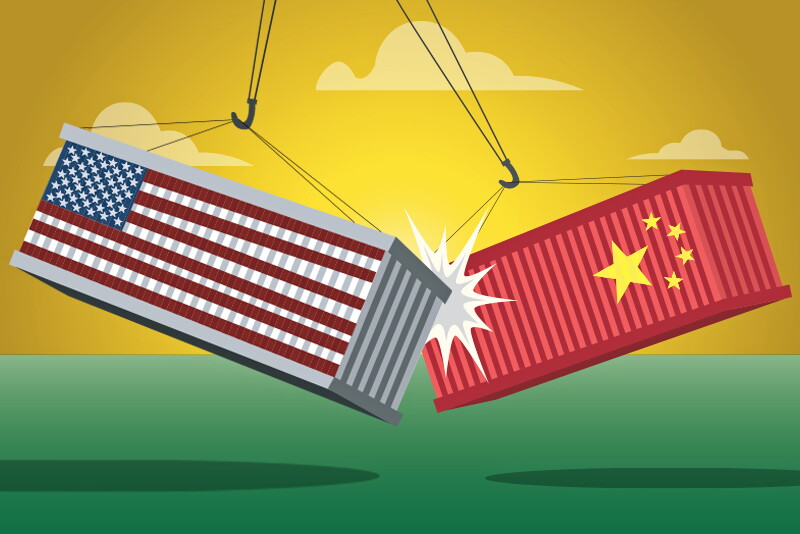
The September 28, 2026 U.S.-China tariff reduction deal represents a critical inflection point for cross-border agricultural sellers, though with significant structural limitations. The Board of Trade framework cuts reciprocal tariffs by 10% on $30 billion in non-sensitive goods, specifically benefiting wheat, corn, sorghum, meat, dairy, vegetable oils, and meal—but strategically excludes whole soybeans, creating a two-tier market dynamic that directly impacts seller margins and sourcing strategies.
Tariff Arbitrage Opportunity: Sellers sourcing wheat, corn, and sorghum from the U.S. for Chinese distribution now face 10% lower import duties, translating to 3-5% margin expansion for commodity-based products. However, this benefit is heavily constrained by China's sluggish economic growth (News 2), which suppresses overall import demand regardless of tariff reductions. The deal's vagueness on $17 billion in additional agricultural purchases and lack of implementation timeline creates 60-90 day uncertainty windows—a critical gap for sellers planning inventory and pricing strategies.
Competitive Segmentation: The soybean exclusion reveals a deliberate negotiating tactic that disadvantages private Chinese crushers while protecting state-owned entities (COFCO, Sinograin) who can absorb tariff costs. This creates a structural advantage for U.S. sellers with direct relationships to state-owned buyers, while small-to-medium sellers relying on private distributor networks face margin compression of 8-12% on soybean-derived products. The 25 million metric ton annual purchase commitment through 2028 (outside Board of Trade) signals long-term demand but lacks tariff relief, making it a volume play rather than a margin opportunity.
Implementation Risk: Both countries must complete domestic legal procedures before tariff cuts activate—a procedural delay that typically spans 4-8 weeks. Sellers holding inventory in anticipation of tariff cuts face working capital risk if implementation extends beyond Q4 2026. The ambiguity surrounding purchase schedules and commodity specifications (noted in News 1) creates pricing uncertainty that commodity traders are already hedging against, as evidenced by near-record long position liquidations in soybeans and corn futures.
Questions 7
What is the 25 million metric ton annual soybean purchase commitment and does it include tariff relief?
China committed to purchasing 25 million metric tons of U.S. soybeans annually through 2028 outside the Board of Trade framework, but explicitly without tariff cuts. This represents a volume commitment rather than a margin opportunity—sellers benefit from guaranteed demand but face sustained tariff costs. The commitment is structured outside the Board of Trade, suggesting it operates under separate bilateral agreements with state-owned entities. Sellers should view this as a long-term volume anchor rather than a near-term margin expansion opportunity, requiring different pricing and inventory strategies than tariff-reduced commodities.
What are the specific competitive advantages for sellers with direct state-owned buyer relationships?
Sellers with direct relationships to state-owned entities (COFCO, Sinograin) gain structural advantages because these buyers can absorb tariff costs and operate under long-term purchasing agreements insulated from market volatility. The soybean tariff exclusion effectively channels all Chinese soybean demand through state actors, consolidating buyer power. Sellers should prioritize establishing direct relationships with state-owned procurement teams, which typically require compliance with government supply chain standards and documentation requirements. Small-to-medium sellers lacking these relationships face margin compression of 8-12% on soybean-derived products and must compete on volume or differentiation rather than tariff arbitrage.