




Fed Rate Hikes Drive Gold Down 2.4% | Jewelry Sellers Face Margin Compression & Financing Costs Surge
- Gold drops to $4,111/oz as 10-year Treasury yields hit 19-year highs; jewelry sellers face 8-15% financing cost increases and weakened demand in China and India ahead of peak seasons


















Overview
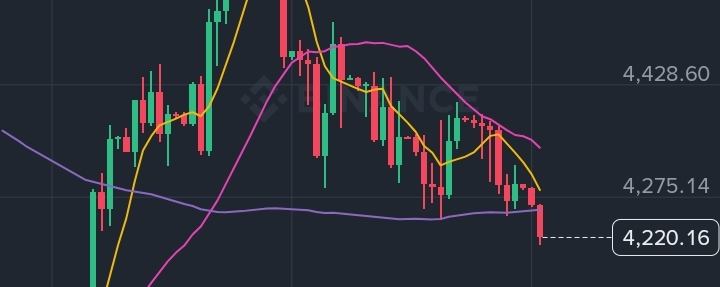
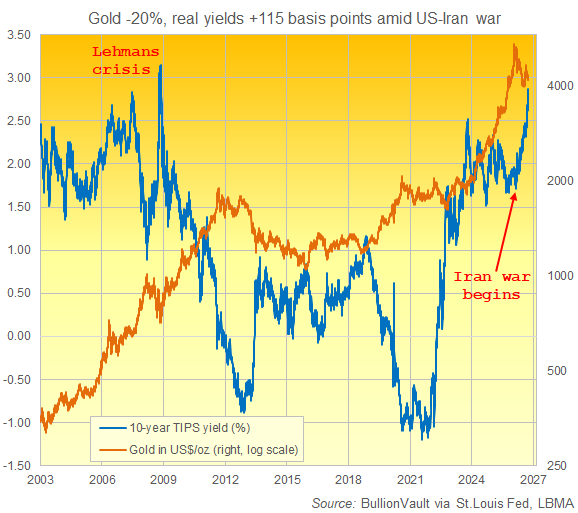
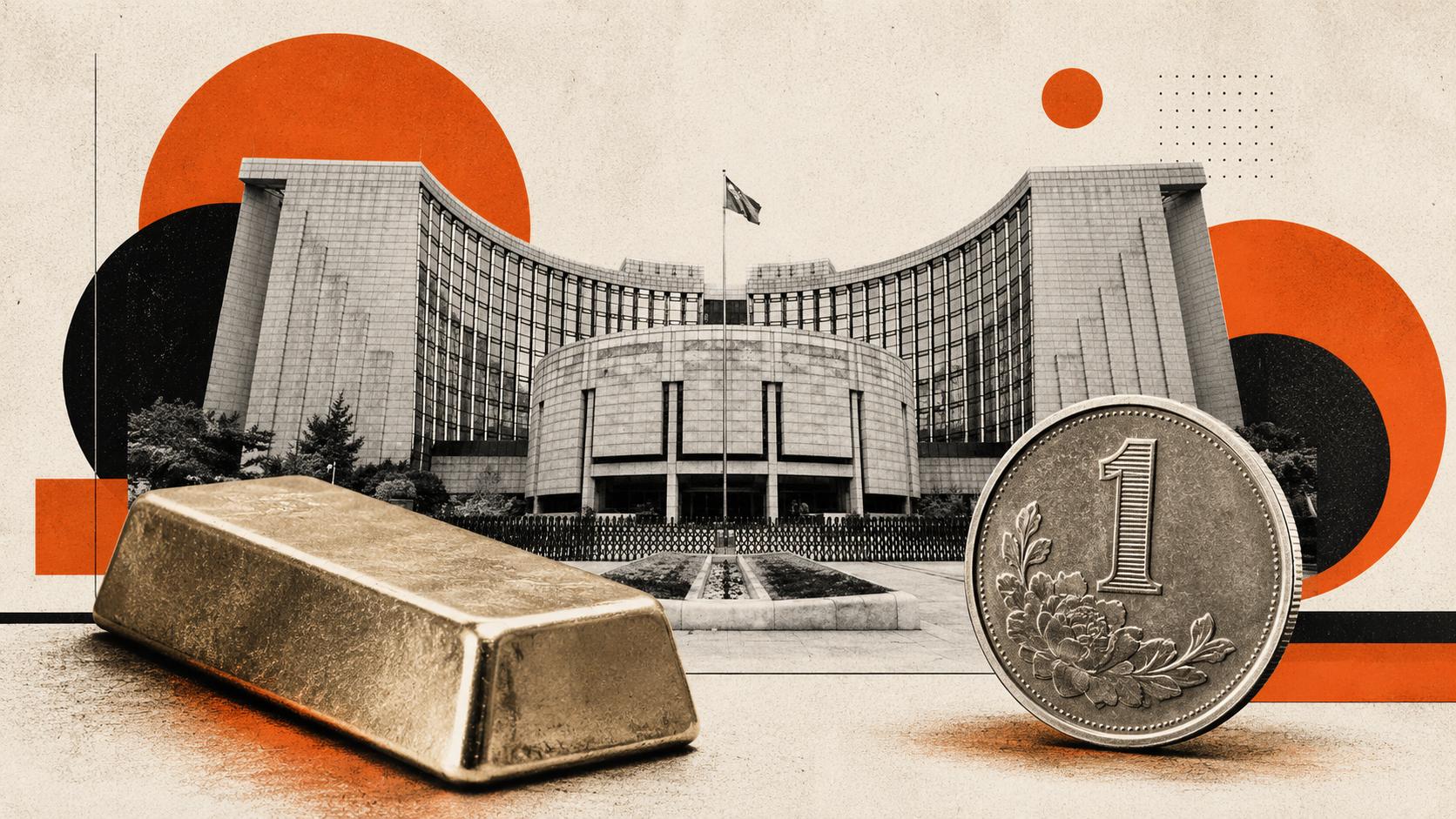
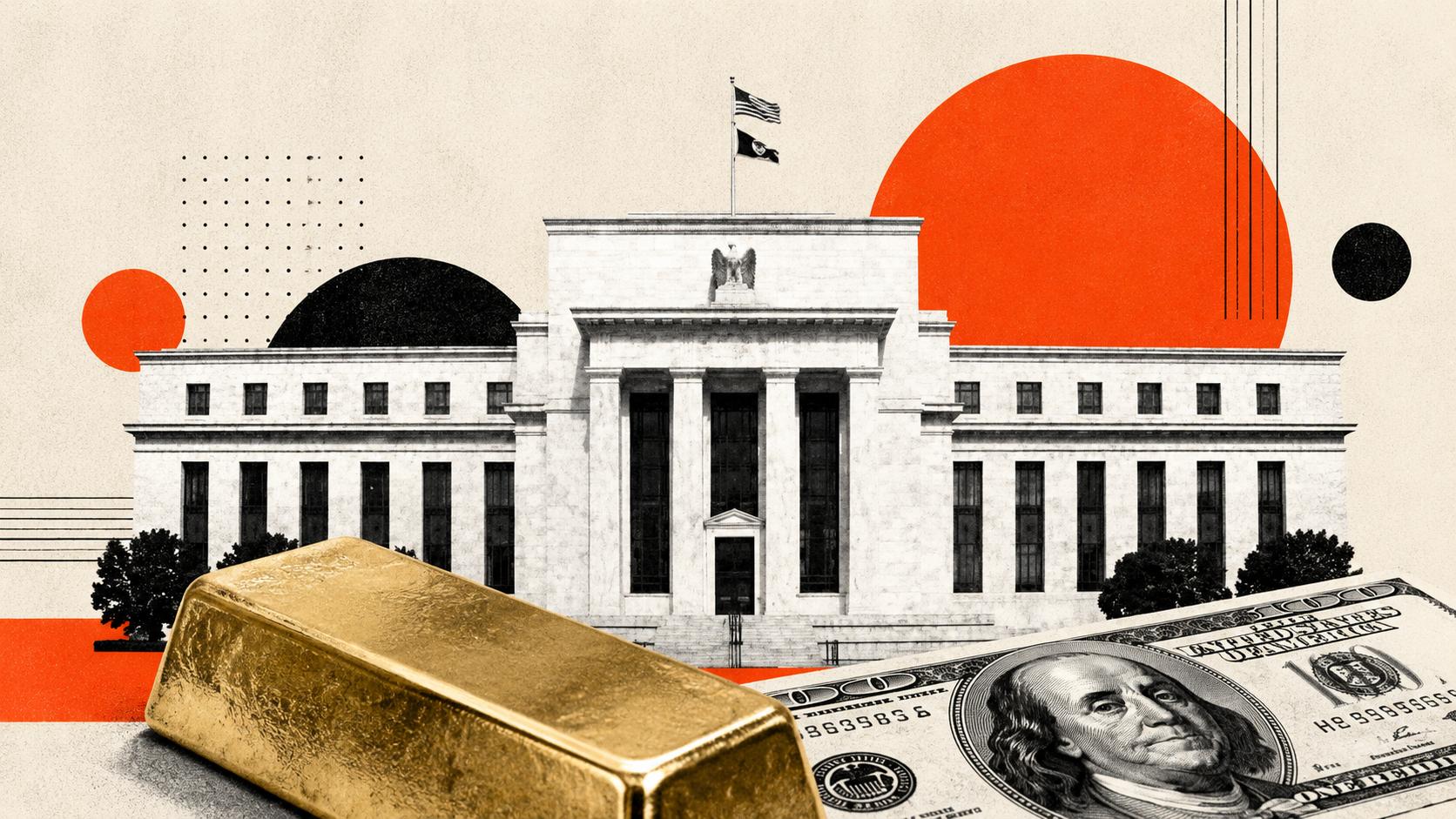
Rising US Treasury yields and anticipated Federal Reserve rate hikes are creating a dual financial squeeze for cross-border jewelry and precious metals sellers. Gold prices fell sharply to $4,111 per ounce on September 28, 2026—the lowest level since August 5—as the 10-year US Treasury yield reached its highest point since June 2007, with markets pricing in a 70% probability of a second consecutive Fed rate hike in October. This monetary tightening environment directly impacts seller financing costs, working capital availability, and consumer demand across multiple markets.
For jewelry sellers and precious metals traders, the financial implications are immediate and severe. Higher interest rates increase the cost of inventory financing, trade credit lines, and working capital loans by 8-15% depending on seller creditworthiness and financing provider. Sellers relying on invoice factoring, PO financing, or inventory-backed loans—common for jewelry importers—will face APR increases of 200-400 basis points as lenders price in higher risk premiums. A typical jewelry seller carrying $500K in inventory financed at 6% APR will see annual financing costs jump to $45-60K, compressing already-thin 15-25% jewelry margins by 3-5 percentage points. Additionally, FX hedging costs surge when interest rate differentials widen; sellers hedging USD/CNY or USD/INR exposure will pay 40-60% more for 3-6 month forward contracts, directly reducing profitability on China and India sourcing.
Demand destruction is accelerating in key markets. China, the world's largest gold consumer, experienced softened demand ahead of the October 1-7 holiday period, with local gold premiums declining to zero by week's end—signaling price-sensitive buyers are deferring purchases. Indian demand, typically strong during Diwali and wedding season (October-November), faces headwinds from weak monsoon conditions affecting farmer purchasing power and constrained jewelry demand among price-sensitive rural consumers. Money managers' net long positions in gold fell to their lowest level since late July, indicating institutional demand is evaporating. Gold-backed ETFs saw outflows of 1.6 metric tons during the week, though total holdings remained at 4,249 tons, suggesting retail investor confidence is eroding.
The cash flow impact for sellers is compounded by longer working capital cycles. Jewelry sellers typically operate on 60-90 day payment terms with wholesalers and 30-45 day inventory turnover. Rising financing costs mean sellers must either (1) reduce inventory levels by 15-25%, risking stockouts during peak seasons, or (2) absorb financing cost increases, reducing net margins from 12-18% to 8-13%. For sellers with $1-5M annual revenue, this represents $40-100K in additional annual financing costs. Cross-border sellers face additional pressure: payment settlement delays from Amazon, eBay, or Shopify (typically 14-30 days) combined with higher financing costs create a working capital crisis. A seller with $200K monthly sales and 21-day settlement delay now carries $200K in float, financed at 8-10% APR instead of 5-6%, adding $600-800 monthly in financing costs.
Questions 8
What financing products offer the best terms for jewelry sellers during rate hike cycles?
During Fed rate hikes, sellers should prioritize fixed-rate financing over variable-rate products. Options include: (1) **Asset-backed lending** (inventory-secured loans at 6-8% APR, fixed for 12 months) from lenders like Clearco, Fundbox, or traditional banks; (2) **Invoice factoring** (1.5-2.5% monthly, fixed) for sellers with B2B wholesale customers; (3) **Supply chain financing** (Amazon Lending, Shopify Capital) which may offer promotional rates; (4) **Trade credit insurance** combined with extended supplier terms to reduce financing needs. Avoid variable-rate lines of credit that reset monthly, as rates will continue rising. Sellers should lock in 12-month fixed-rate financing immediately before rates rise further. A $500K inventory loan at 7% fixed for 12 months is preferable to 6.5% variable that could hit 9-10% by Q1 2027.
How should sellers adjust pricing strategy when financing costs increase 8-15%?
Sellers face a pricing dilemma: raising prices 5-8% to offset financing costs risks losing price-sensitive buyers (especially in India and China), while absorbing costs compresses margins. Recommended strategy: (1) Implement tiered pricing—maintain competitive pricing on best-selling items ($50-150 range) to preserve volume, increase prices 8-12% on premium items ($300+ range) where demand is less price-sensitive; (2) Reduce SKU count by 30-40%, focusing on high-margin items (20%+ margins) rather than low-margin volume items (10-12% margins); (3) Shift marketing spend from broad-reach campaigns to high-intent keywords ("gold jewelry," "wedding jewelry") with 3-5% higher conversion rates, improving ROI despite lower volume. This approach maintains 85-90% of revenue while improving net margins by 2-4 percentage points, offsetting financing cost increases.