



Diesel Export Ban Risk | 10-15% Freight Cost Surge for Cross-Border Sellers
- Potential 90-day U.S. diesel export restriction threatens $2.3T global e-commerce logistics; European sellers face unprecedented fuel costs; immediate supply chain diversification required












Overview
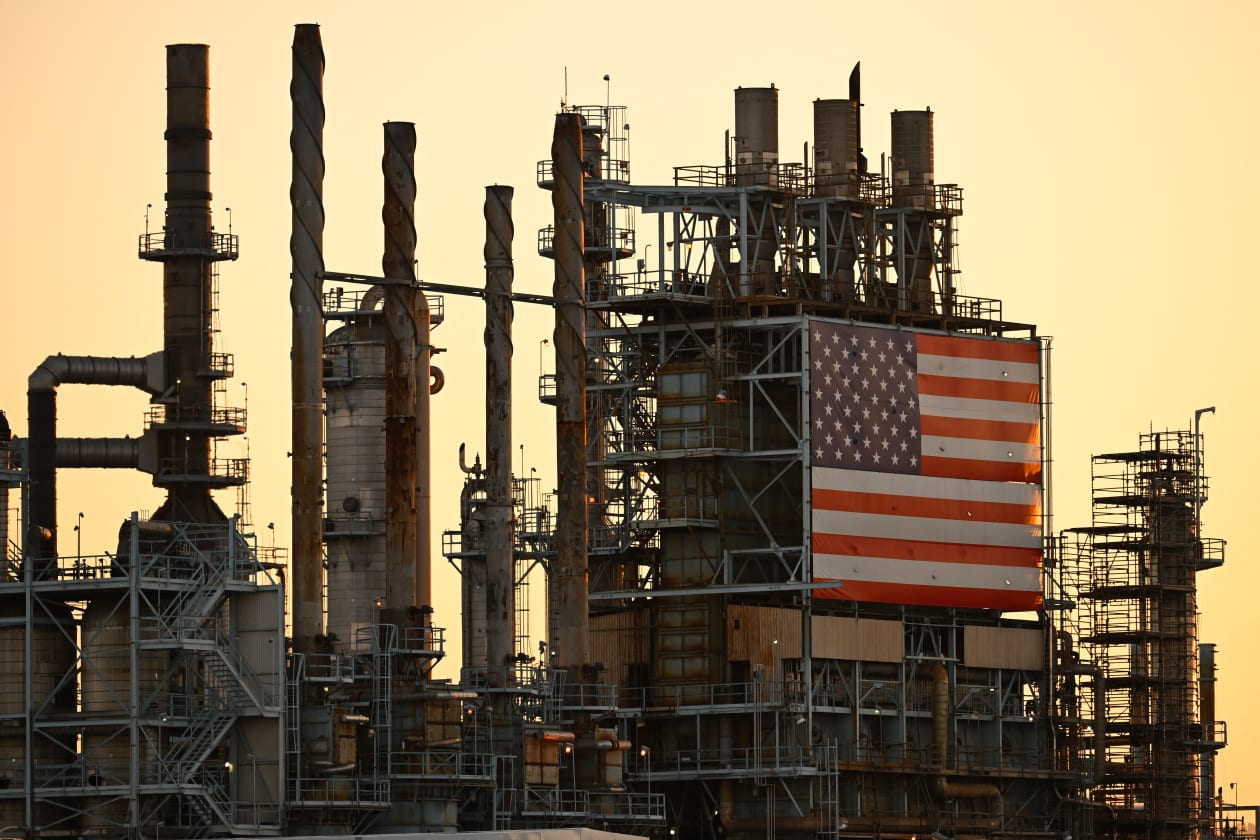
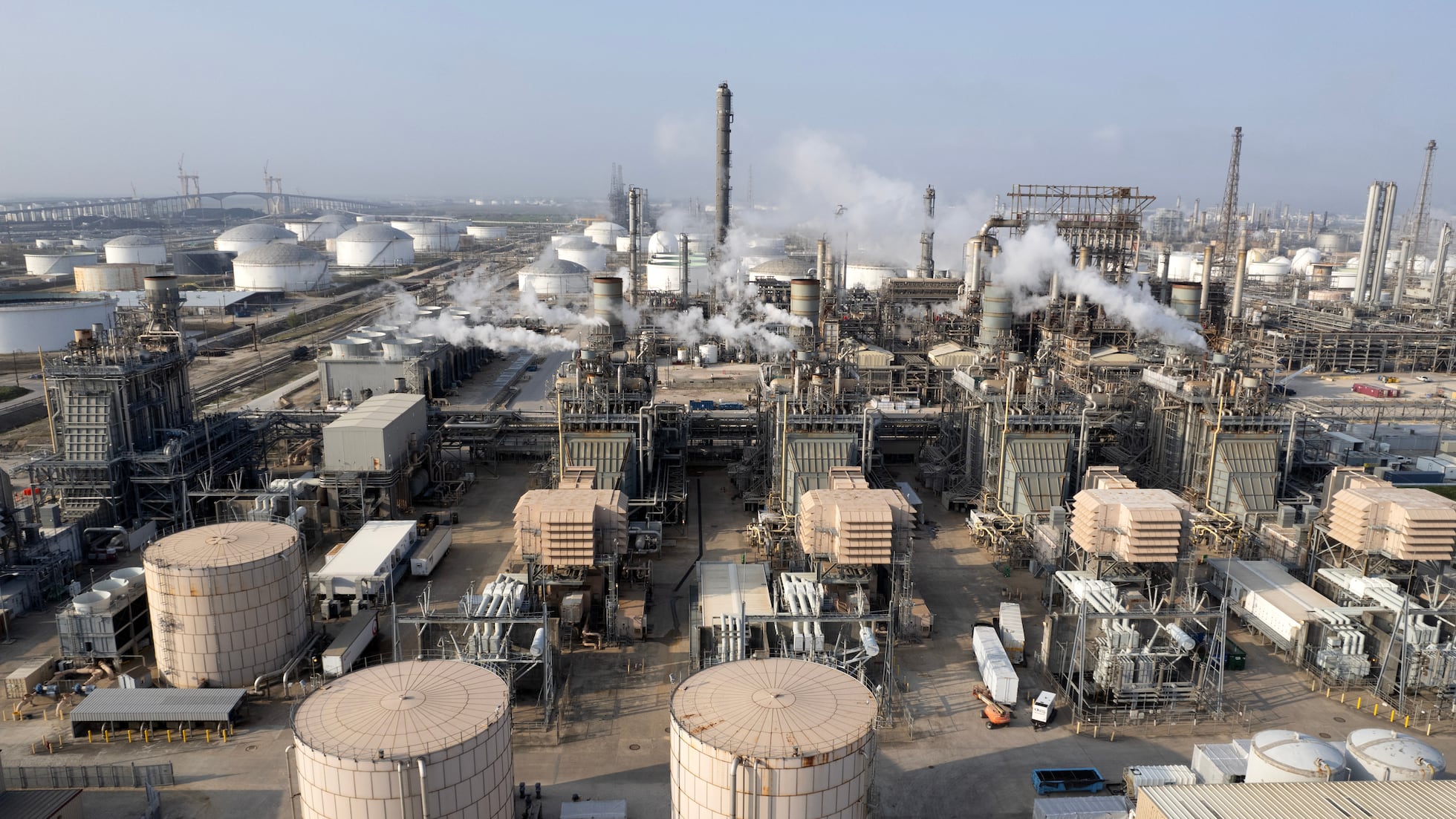
President Trump is actively considering a diesel export ban to address record fuel prices ($6.50/gallon average) ahead of midterm elections, with Energy Secretary Chris Wright exploring restrictions rather than an outright ban and Politico reporting preparations for a potential 90-day prohibition. This policy proposal creates a critical supply chain crisis for cross-border e-commerce sellers, as the U.S. currently supplies approximately 50% of Europe's diesel imports, making it the world's largest diesel exporter. The geopolitical context—driven by U.S.-Iran tensions and Russia-Ukraine conflict disrupting global fuel trade routes—has intensified the urgency of this policy consideration.
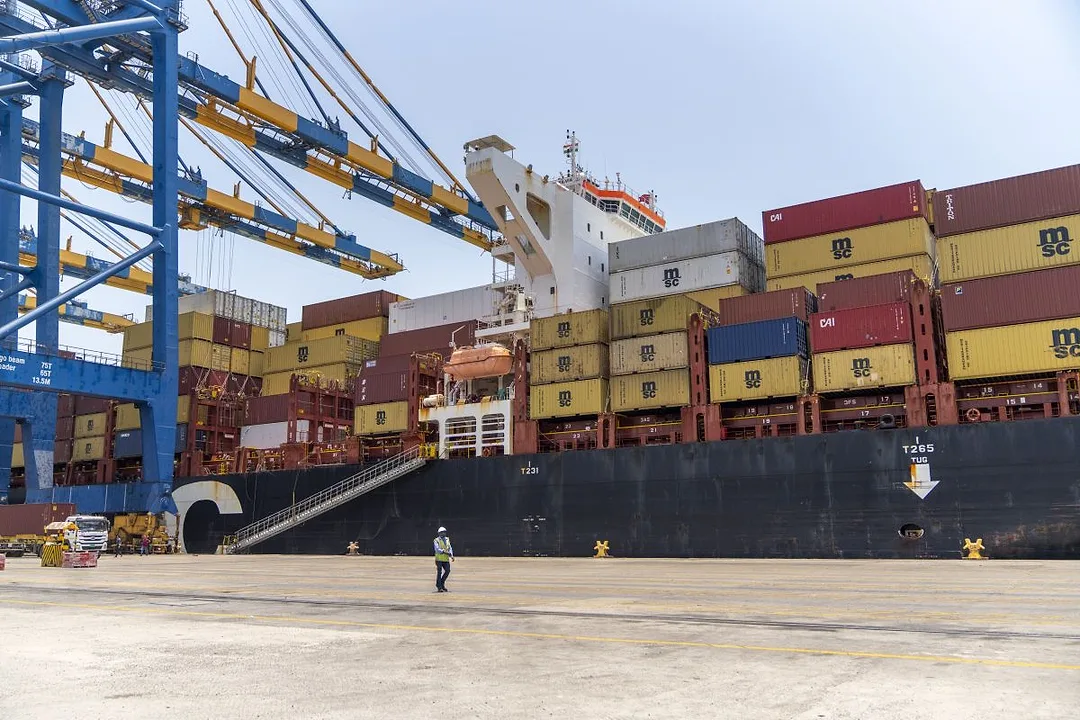
For cross-border sellers, a diesel export ban would compress profit margins by 10-15% in affected regions through direct impacts on shipping rates, last-mile delivery expenses, and overall logistics costs. Countries dependent on U.S. diesel imports would face supply constraints, disrupting just-in-time inventory systems and increasing delivery times—particularly damaging for sellers managing complex supply chains across multiple regions. European sellers relying on U.S. fuel imports face the most acute risk, as industry analyst Benedict George warns that U.S. restrictions could send European diesel prices to "unprecedented levels," directly translating to higher fulfillment costs for Amazon FBA, eBay, and Shopify sellers operating in EU markets.
The policy's timing during election season suggests political rather than economic rationale, creating uncertainty about implementation likelihood and duration. Morgan Stanley strategists warn that export restrictions would initially lower U.S. diesel prices but create adverse downstream effects, potentially increasing global diesel prices through refinery feedback loops. Additionally, retaliatory trade measures from affected countries could trigger tariff escalations affecting e-commerce goods across multiple categories. Sellers with international operations must treat this as an immediate risk requiring logistics partner diversification and fuel hedging strategies to mitigate potential cost increases before any 90-day prohibition takes effect.
Questions 8
What fuel hedging strategies can protect my logistics costs from diesel price volatility?
Fuel hedging involves locking in diesel prices through futures contracts on the CME Group energy markets or negotiating fixed fuel surcharge agreements with your 3PL providers. Many major carriers (DHL, FedEx) offer fuel surcharge caps or fixed-rate fuel programs for committed volume contracts—contact your account managers to explore these options immediately. Consider diversifying your logistics partners across regions with different fuel cost exposures; if one region faces supply constraints, others can absorb overflow volume. Additionally, some sellers negotiate quarterly rate locks with 3PLs that include fuel cost stabilization, reducing exposure to sudden price spikes from supply disruptions.
How does this diesel ban proposal differ from previous U.S. export restrictions?
This proposal is politically motivated (election-season timing) rather than economically justified, creating unusual uncertainty about implementation likelihood and duration. Unlike traditional tariff policies with clear timelines, the 90-day potential prohibition suggests a temporary measure, but the geopolitical context (Russia-Ukraine conflict, U.S.-Iran tensions) could extend restrictions indefinitely. Previous export restrictions typically targeted specific countries or products; a blanket diesel ban would affect all trading partners simultaneously, creating unprecedented global supply chain disruption. The American Petroleum Institute's opposition and Morgan Stanley's warnings about adverse downstream effects indicate this policy faces significant industry resistance, potentially limiting implementation scope.