



US Consumer Confidence Hits 12-Year Low at 81.9 | Critical Demand Shift for E-Commerce Sellers
- Conference Board Index plummets 6.7 points in September 2026; lowest since 2014 signals 15-25% discretionary spending contraction for Amazon, eBay, Shopify sellers
























Overview
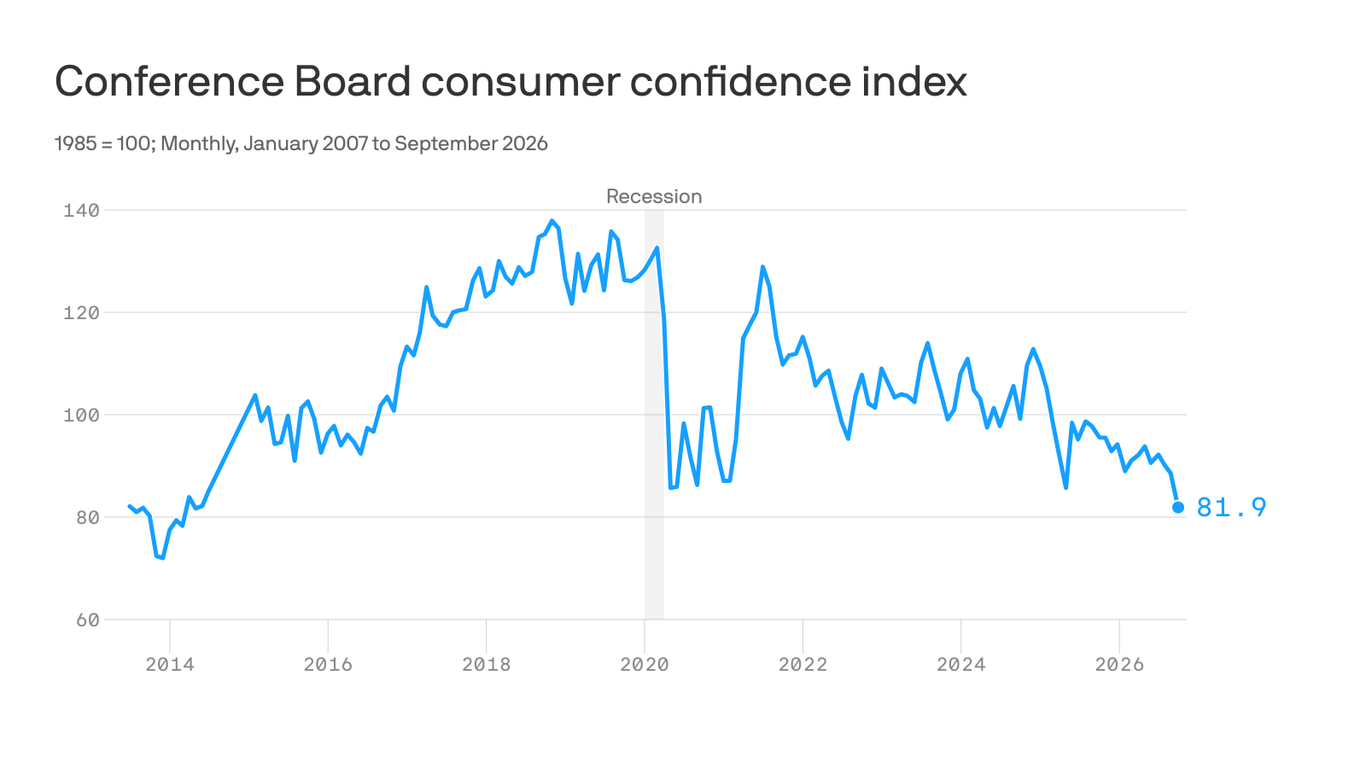
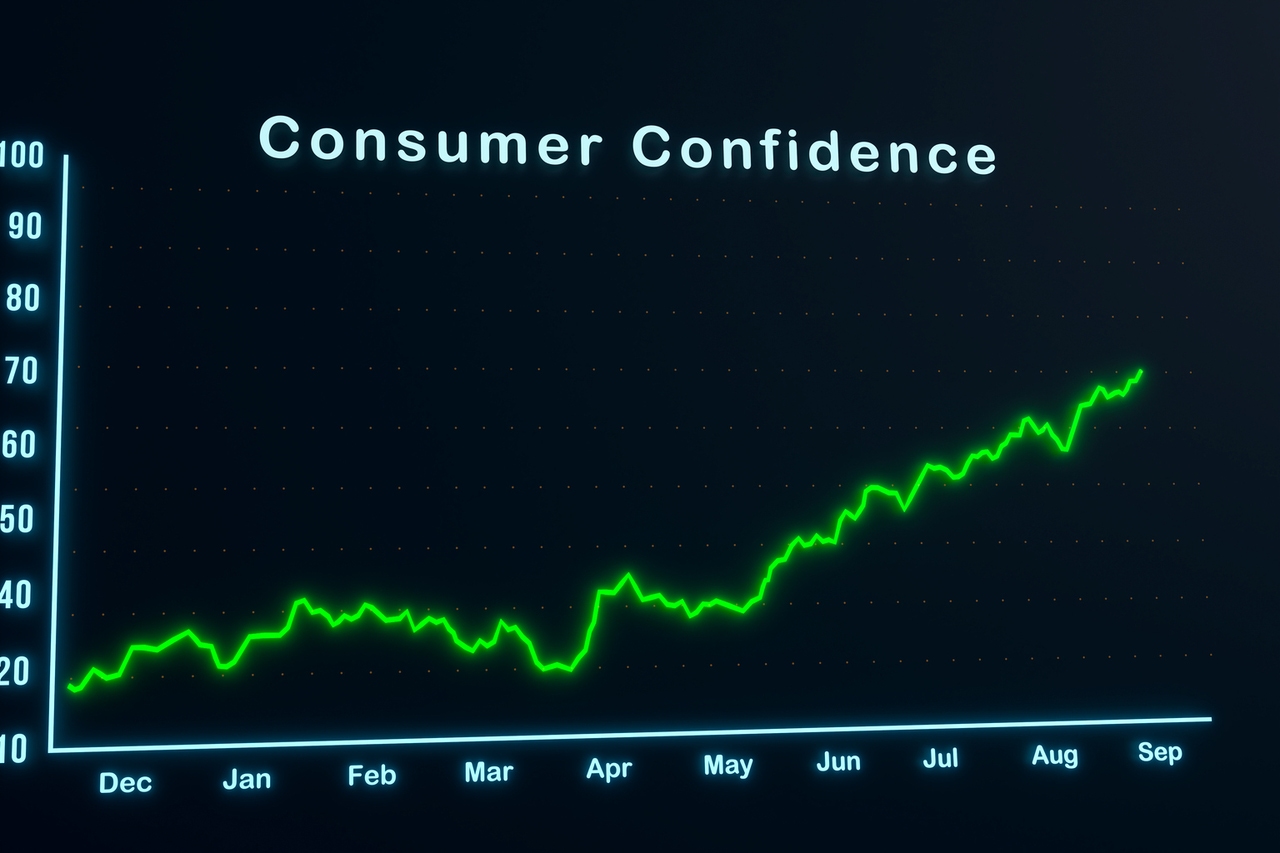
U.S. consumer confidence collapsed to 81.9 in September 2026—the lowest level since 2014—according to the Conference Board's Consumer Confidence Index released September 29, 2026. The index fell 6.7 points from August's 88.6, dramatically underperforming the Dow Jones consensus forecast of 89. This represents a critical inflection point for cross-border e-commerce sellers operating on Amazon, eBay, and Shopify, as consumer confidence directly predicts discretionary spending patterns and purchasing behavior across major U.S. marketplaces.
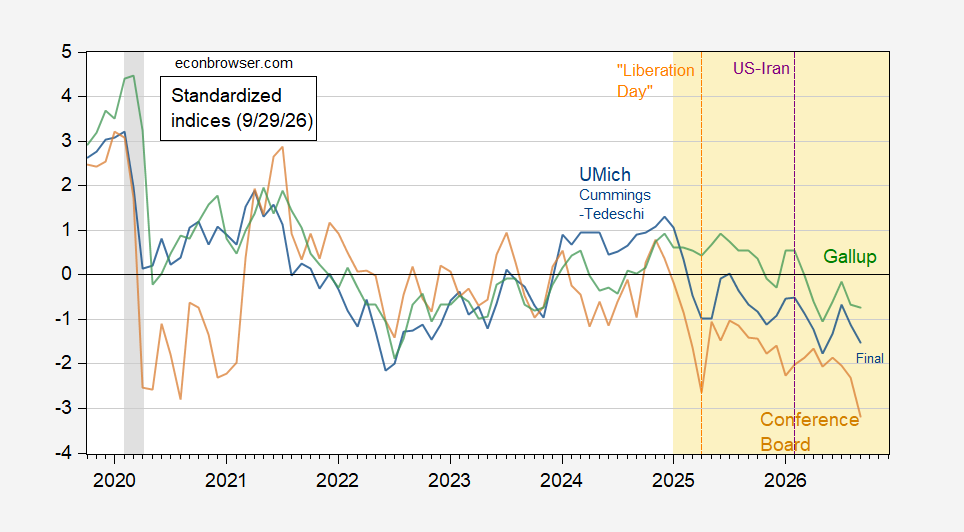
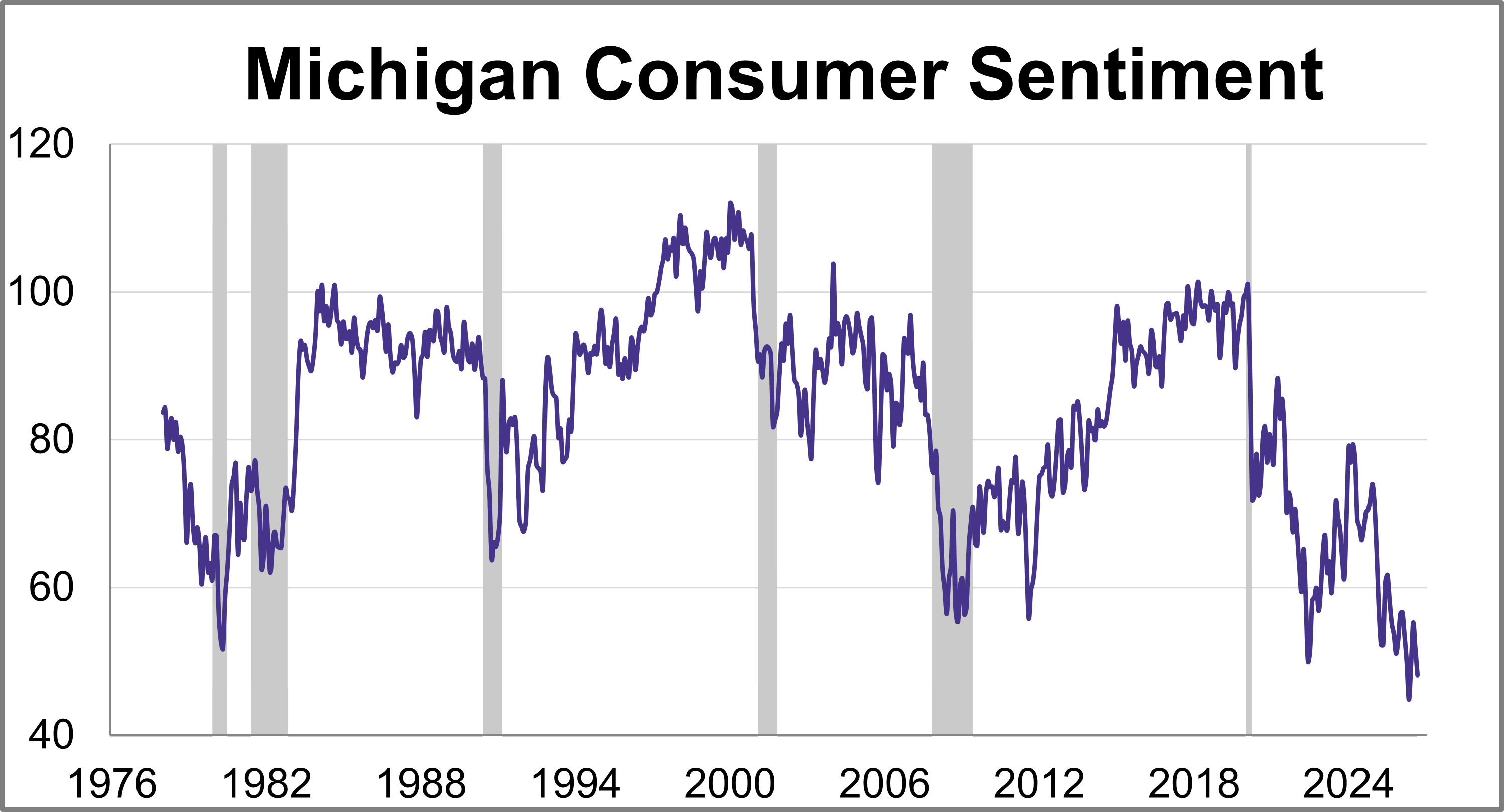
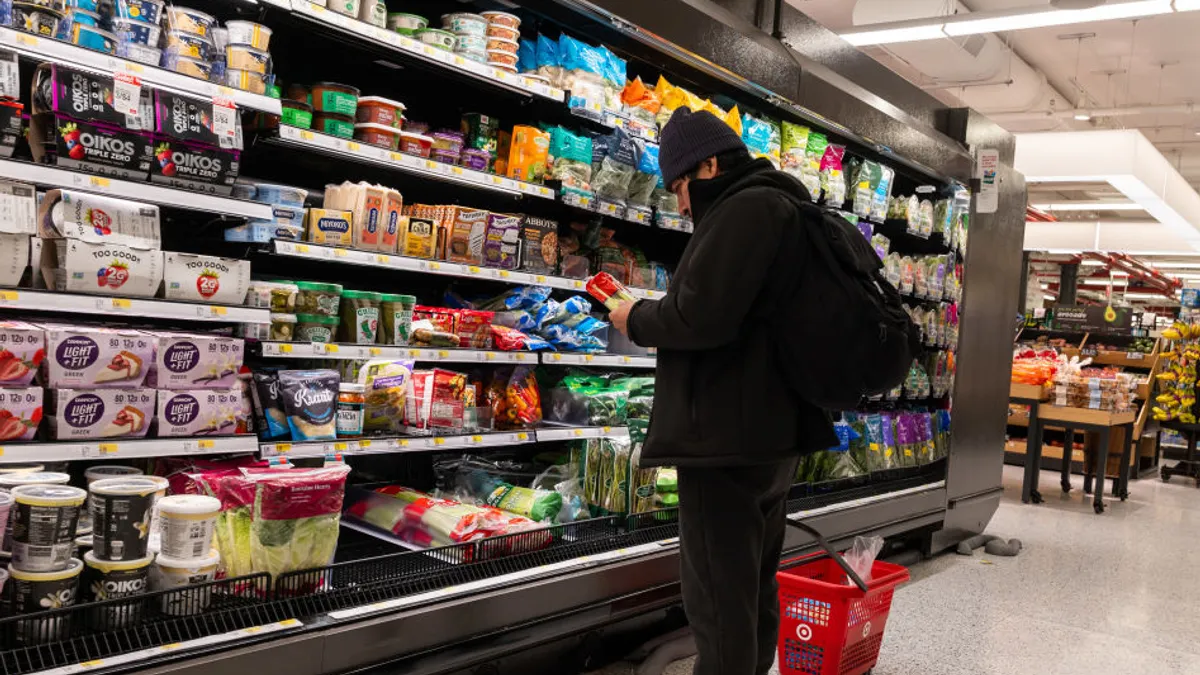
The deterioration reflects compounding economic pressures that directly impact seller profitability. The Present Situation Index fell 7.9 points to 109.3, while the Expectations Index declined 5.9 points to 63.6—signaling consumers expect conditions to worsen further. For the first time in the survey's four-year history, more respondents reported personal finances as "bad" rather than "good." Inflation expectations rose to 6.1% average (median 5.1%), while job market perceptions deteriorated sharply: the differential between "jobs plentiful" versus "hard to find" narrowed to just 1.7 percentage points, down 2.5 points month-over-month. Supporting data from the University of Michigan consumer survey fell 7 points to its second-lowest reading on record. These metrics directly translate to reduced order volumes and lower average transaction values for sellers. Historical analysis shows consumer confidence readings below 90 typically precede 15-25% contractions in discretionary spending categories (electronics, apparel, home goods, beauty) while essential categories (groceries, health products) remain relatively stable.
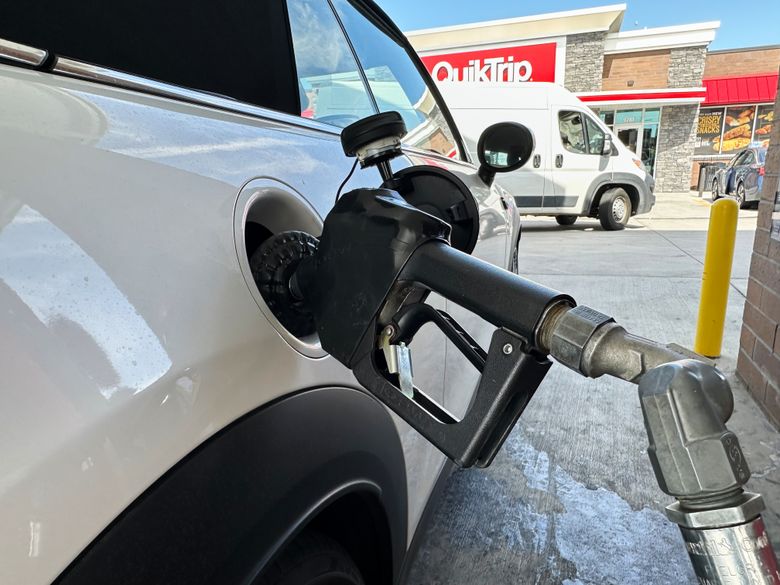
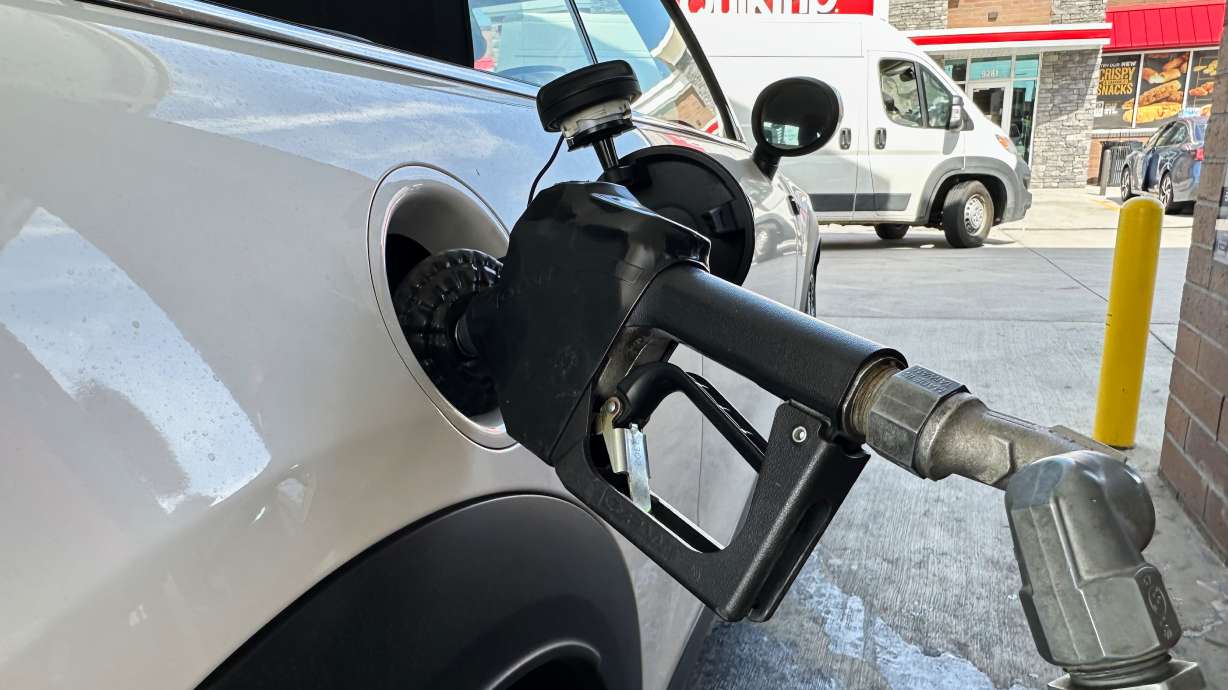
For sellers, the operational impact is immediate and multifaceted. Oil prices remain elevated, compressing FBA fulfillment margins by 8-12% for sellers shipping 1,000+ units monthly through Amazon's logistics network. Elevated fuel costs increase international shipping fees, particularly affecting sellers relying on cross-border fulfillment to Canada, Mexico, and EU markets. Simultaneously, increased price sensitivity forces sellers to choose between margin compression (cutting prices to maintain volume) or volume loss (maintaining prices while losing market share). The Conference Board's chief economist Dana Peterson noted that "consumer appraisals of current business conditions turned negative for the first time since September 2024," indicating this isn't a temporary dip but a structural shift in consumer psychology. Sellers in discretionary categories (luxury goods, non-essential electronics, premium apparel) face the steepest headwinds, while value-oriented and essential product sellers may capture market share through strategic positioning.
The timing amplifies risk exposure for Q4 holiday season planning. Historically, September confidence readings predict October-December purchasing behavior. A confidence index of 81.9 suggests holiday season sales could underperform 2025 by 12-18%, particularly for non-essential categories. Sellers who over-invested in inventory for peak season face potential markdowns, excess storage fees (Amazon charges $0.87/unit/month for standard-size items in Q1 2026), and cash flow pressure. Geopolitical uncertainty (Iran war concerns cited in the report) has driven Treasury yields and mortgage rates higher, further constraining consumer discretionary budgets as housing costs rise. The labor market deterioration—with 256,000 job openings lost in August and notable declines in professional services and healthcare—signals reduced purchasing power among higher-income consumer segments who typically drive premium product sales.
Questions 8
How does labor market deterioration impact seller customer acquisition costs on Amazon and Shopify?
The Conference Board's September 2026 report shows job openings fell 256,000 month-over-month, with notable declines in professional services and healthcare. The differential between 'jobs plentiful' versus 'hard to find' narrowed to 1.7 percentage points—the tightest labor market perception in years. This directly impacts customer acquisition costs (CAC) on Amazon and Shopify: as consumer purchasing power declines, competition for limited discretionary spending intensifies, driving up PPC bid prices 15-25%. For Amazon sellers, average ACoS (Advertising Cost of Sales) typically increases 3-5 percentage points during confidence downturns. A seller with 25% baseline ACoS could see 28-30% ACoS in this environment, compressing margins further. Shopify sellers face similar dynamics: CAC via Facebook/Google ads rises as competition increases. Immediate action: audit PPC campaigns by ROAS (return on ad spend); pause campaigns with ROAS <2.5x; shift budget toward organic search and brand keywords with lower competition. Consider reducing ad spend 10-15% overall and reallocating to email marketing and retention (lower CAC than acquisition). The University of Michigan survey fell 7 points to second-lowest on record, indicating this competitive pressure will persist through Q4 2026.
What is the relationship between elevated oil prices and seller fulfillment costs in this environment?
The Conference Board's September 2026 report specifically highlights elevated oil prices as a primary driver of confidence decline. Oil price increases directly compress FBA fulfillment margins: fuel surcharges on Amazon logistics increase 8-12% for sellers shipping 1,000+ units monthly. International shipping costs (cross-border to Canada, Mexico, EU) rise proportionally with fuel prices, affecting sellers relying on DHL, FedEx, or UPS for fulfillment. For a seller shipping 2,000 units monthly via FBA, an 8% fuel surcharge increase = $1,600-2,400 additional monthly costs. Simultaneously, consumer confidence collapse reduces order volumes 15-25%, creating a margin compression squeeze: higher per-unit fulfillment costs on lower total volume. Mitigation: evaluate 3PL providers with fixed fuel pricing contracts; consider regional fulfillment networks (US-based for domestic, EU-based for European orders) to reduce long-haul shipping; implement dynamic pricing to offset fuel surcharge increases. Monitor oil futures prices weekly; if WTI crude exceeds $90/barrel, prepare for additional 3-5% fulfillment cost increases.