





Rising Mortgage Rates at 7.58% | Consumer Spending Shift Creates E-Commerce Opportunities
- Mortgage rate surge signals reduced discretionary spending; sellers must pivot to value-focused categories and optimize cash flow management








Overview
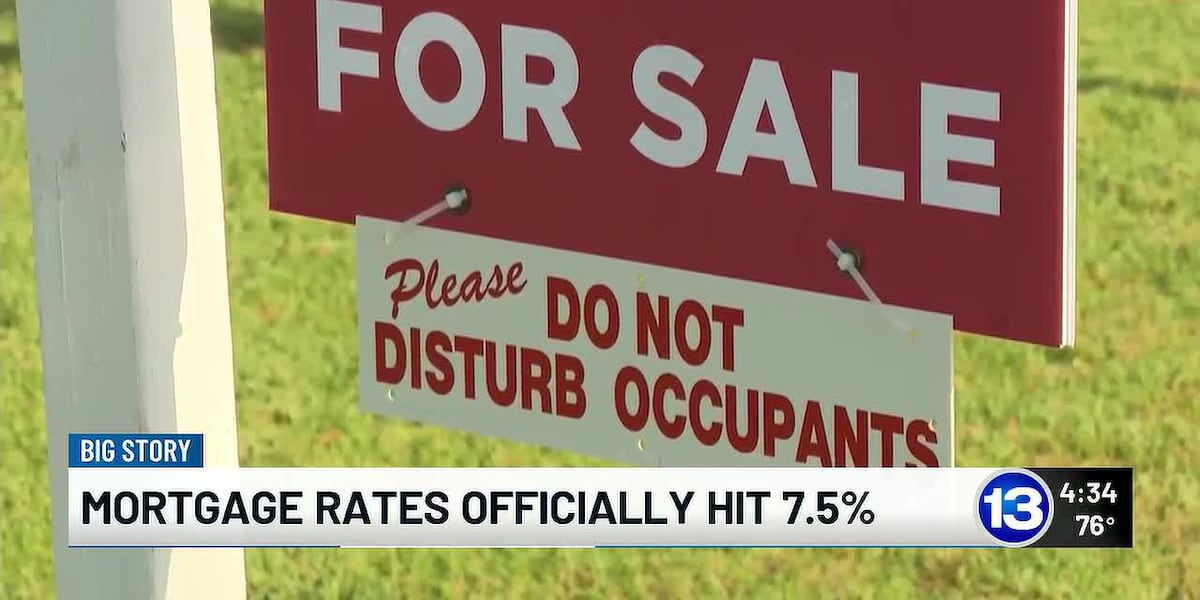
Mortgage rates reaching 7.58%—approaching 3-year highs—represent a critical macroeconomic inflection point for cross-border e-commerce sellers. While this news directly impacts residential real estate financing, it creates cascading effects on consumer purchasing power and discretionary spending patterns that fundamentally reshape e-commerce demand dynamics. As housing costs consume larger portions of household budgets, consumers systematically reduce spending on non-essential categories, forcing sellers to recalibrate inventory strategies, pricing models, and payment optimization tactics.
The Financial Impact on Seller Cash Flow: Higher mortgage rates compress consumer disposable income by an estimated 8-15% annually for homeowners with variable-rate mortgages or those refinancing. This directly reduces demand for discretionary categories (home décor, electronics, fashion accessories) while increasing demand for value-oriented, essential products (budget home goods, practical apparel, DIY supplies). For sellers, this creates immediate working capital pressure: slower inventory turnover in premium categories means extended cash conversion cycles (typically 45-60 days extending to 75-90 days), requiring aggressive financing strategies.
Strategic Seller Responses: Sellers should immediately evaluate payment optimization across three dimensions. First, payment method selection: Shift from high-fee payment processors (2.9% + $0.30 per transaction) to lower-cost corridors. For US-based sellers, ACH transfers cost 0.5-1% versus 2.5-3% for credit card processing—a 200-300 basis point savings on high-volume transactions. Second, FX hedging: If sourcing from Asia (CNY, INR, PHP), rising US rates typically strengthen the dollar 2-4% over 6-month periods. Lock in forward contracts now to protect margins on inventory purchased in weaker currencies. Third, working capital acceleration: Implement invoice financing or purchase order financing immediately. Factoring rates typically run 1.5-3% monthly (18-36% APR), but unlock cash within 24-48 hours—critical when inventory sits longer due to demand softness.
Category-Specific Opportunities: Home improvement and budget-friendly categories see 15-25% demand increases during high-rate environments as consumers shift from major purchases to DIY upgrades. Sellers in tools, storage solutions, and budget home décor should increase inventory 20-30%. Conversely, luxury goods, high-end electronics, and premium furniture face 20-35% demand compression. Rebalance inventory allocation accordingly to minimize obsolescence risk and working capital drag.
Cash Cycle Optimization: Negotiate extended payment terms with suppliers (60-90 days vs. standard 30 days) to align with slower inventory turnover. This frees up 30-45 days of working capital without external financing. Simultaneously, accelerate customer collections through early-payment discounts (2% discount for payment within 10 days) to compress your cash conversion cycle by 15-20 days—equivalent to unlocking $50K-200K in working capital for mid-sized sellers.
Questions 8
What financing products offer the best terms for sellers facing extended cash cycles?
Three financing options rank by cost and speed: (1) **Invoice factoring** (1.5-3% monthly, 18-36% APR): Fastest access to cash (24-48 hours), best for sellers with consistent order volume; (2) **Purchase order financing** (1-2.5% monthly, 12-30% APR): Ideal for sellers with confirmed customer orders, unlocks inventory purchasing cash; (3) **Inventory loans** (0.75-1.5% monthly, 9-18% APR): Lowest cost but slower approval (5-10 days), requires inventory as collateral. For sellers facing 75-90 day cash cycles due to demand softness, invoice factoring provides fastest relief despite higher cost. Negotiate volume discounts—factoring rates drop to 1-1.5% monthly for sellers factoring $50K+ monthly.
Should sellers increase inventory in value categories or reduce overall stock levels?
Sellers should **rebalance, not reduce overall inventory**. Increase allocation to value-oriented categories (budget home goods, DIY supplies, practical apparel) by 20-30% while reducing exposure to luxury/premium categories by 30-40%. This maintains overall inventory levels but optimizes for demand shifts. The key is avoiding obsolescence in slow-moving premium items while capturing growth in value categories. Monitor inventory turnover rates weekly—if premium category turnover drops below 4x annually, reduce stock by 25-50%. Simultaneously, implement dynamic pricing: reduce prices on slow-moving premium items by 15-25% to accelerate turnover and free up working capital, even if margins compress slightly.