



Fed Rate Pause Signals Opportunity | Cross-Border Sellers Face Financing Cost Compression
- Consumer confidence hits 12-year low on Sept 29, 2024; sellers can lock favorable trade finance rates before potential rate cuts reshape borrowing landscape








Overview
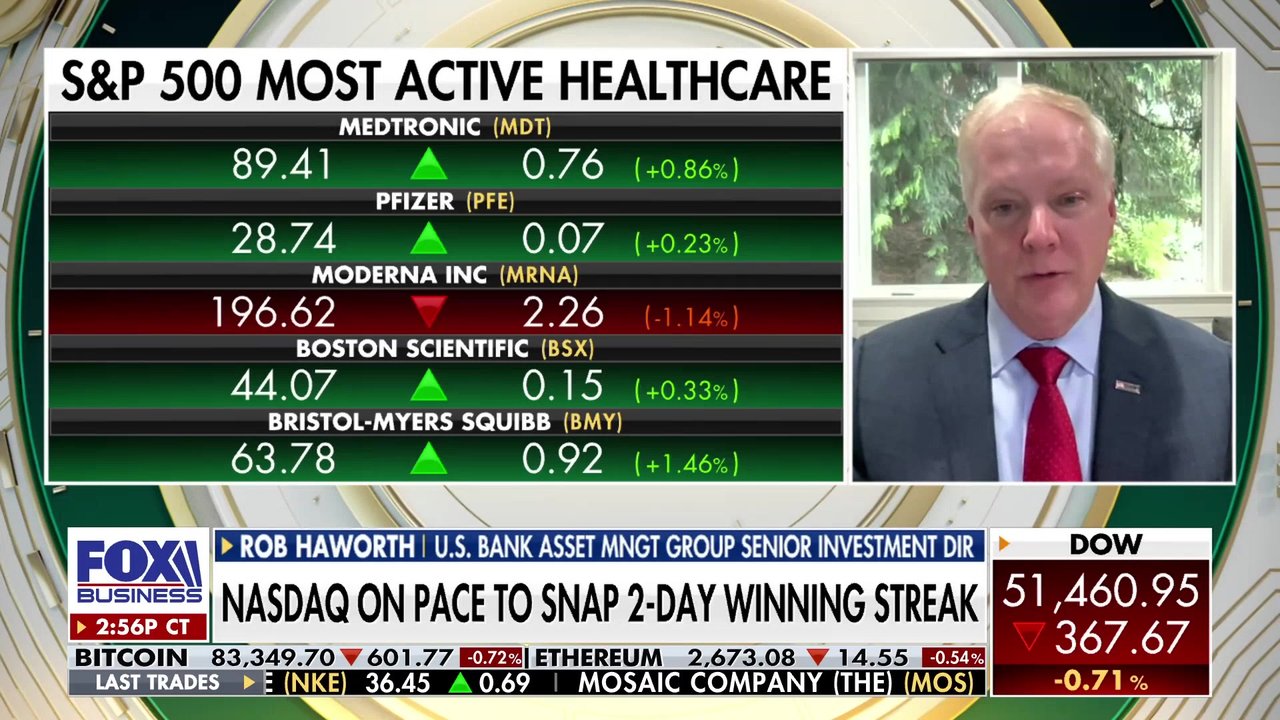
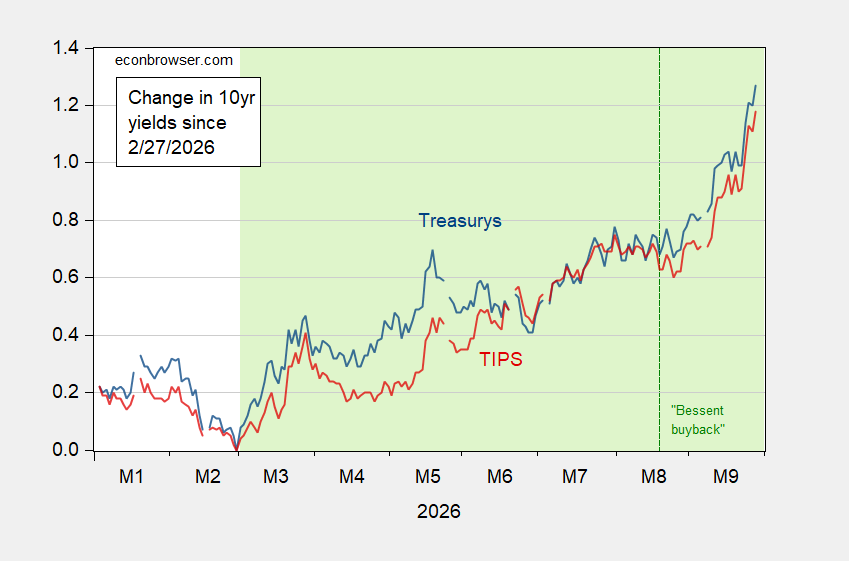
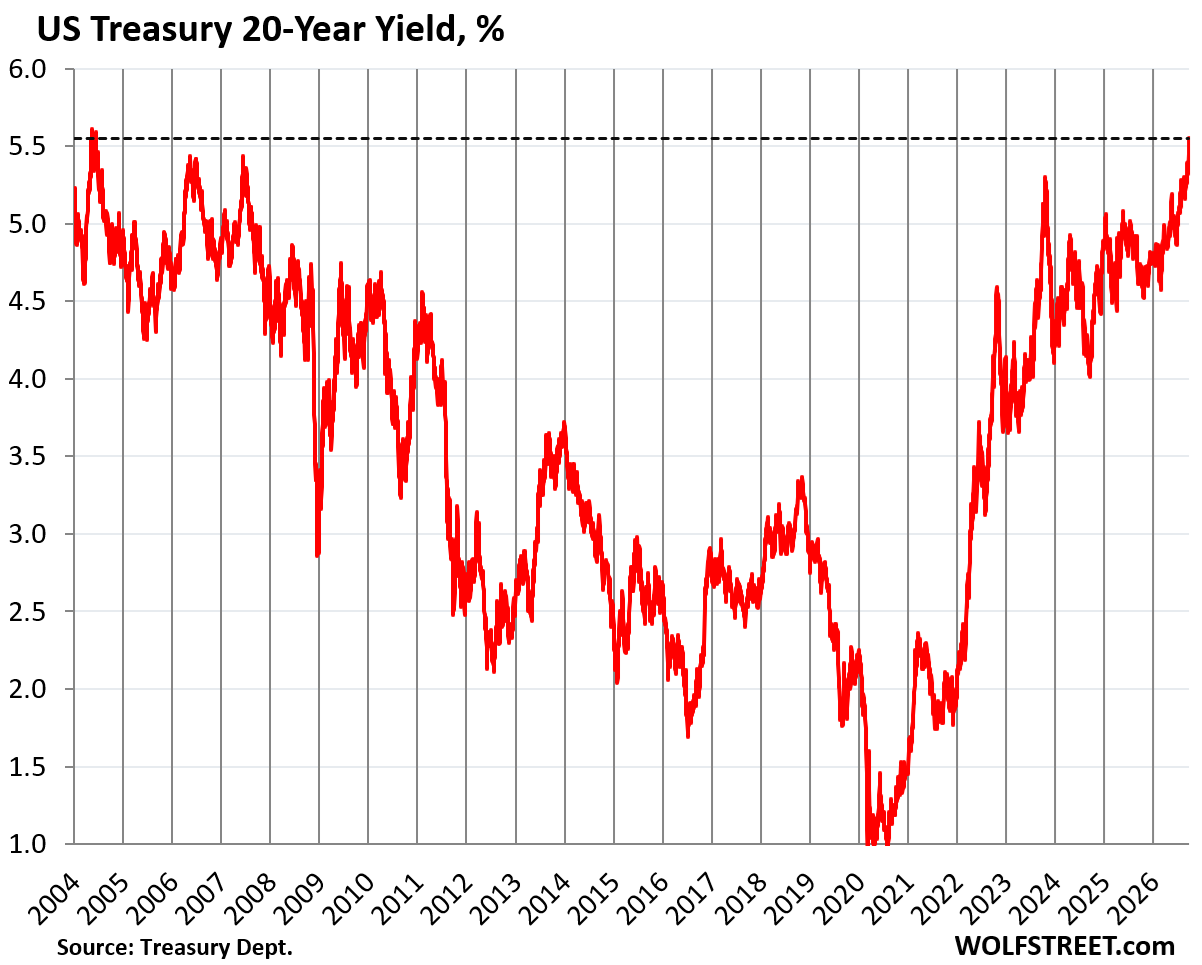
On September 29, 2024, Federal Reserve Bank of New York President John Williams signaled "no urgency" for further rate hikes, shifting market expectations to a 50% probability of a quarter-point increase at October's meeting (down from 70%). This critical pivot creates immediate financial optimization opportunities for cross-border e-commerce sellers. The two-year Treasury yield fell 3.51 basis points to 4.889%, while the 30-year bond hit its highest level since June 2002 at 5.592%, reflecting inflation concerns that directly impact seller financing costs.
For cross-border sellers, this moment presents three immediate financial advantages: First, trade finance and invoice factoring rates are at inflection points—lenders are repricing risk as rate-cut expectations increase, creating a 30-60 day window to lock favorable APR terms (typically 6-9% for established sellers) before competition drives rates down. Sellers with $50K-$500K monthly revenue should immediately approach alternative lenders (Clearco, Fundbox, Stripe Capital) to lock 12-month financing at current rates. Second, FX hedging costs are declining—the euro strengthened to 1.1341 against the dollar, and lower interest rate differentials reduce the cost of forward contracts for EUR/USD, GBP/USD, and CNY/USD pairs. Sellers with 30-90 day payment cycles to China suppliers should execute 60-day forward hedges now at 0.8-1.2% cost (vs. 1.5-2.0% in high-rate environments). Third, working capital optimization timing is critical—with consumer confidence at its lowest in 12 years and households expecting labor market deterioration, inventory velocity will slow. Sellers should accelerate inventory-to-cash conversion through supply chain financing (PO financing, inventory loans) to free up 15-25% of working capital before Q4 demand uncertainty.
The broader market context amplifies urgency: US stock indexes declined modestly (S&P 500 down 0.17%, Nasdaq down 0.08%), but the real signal is bond market volatility driven by inflation concerns. Chicago Fed President Austan Goolsbee warned that allowing inflation above the 2% target for 5-12 years would be "playing with fire"—this language suggests the Fed will eventually cut rates aggressively, compressing financing spreads. Oil prices fell $3.22 to $89.38/barrel, reducing logistics costs for sellers shipping from Asia-Pacific regions. For sellers with USD-denominated debt, the current rate environment offers a 60-90 day window to refinance before competitive pressure erodes lender margins. Sellers should prioritize: (1) locking 12-month trade finance at current rates, (2) executing FX hedges for major currency pairs, (3) accelerating inventory turnover through supply chain financing, and (4) evaluating multi-currency payment strategies to capitalize on the euro's strength relative to the dollar.
Questions 8
How does the Fed's rate pause signal affect cross-border seller financing costs?
The Fed's September 29, 2024 signal of 'no urgency' for rate hikes shifted market expectations to 50% probability of a quarter-point increase in October (down from 70%), causing the two-year Treasury yield to fall 3.51 basis points to 4.889%. This creates a critical 30-60 day window for sellers to lock trade finance and invoice factoring rates at current levels (6-9% APR for established sellers) before competitive pressure and anticipated rate cuts compress lender margins. Sellers with $50K-$500K monthly revenue should immediately approach alternative lenders like Clearco, Fundbox, or Stripe Capital to secure 12-month financing terms before rates decline further.
How can sellers optimize cash flow before the October Fed meeting?
The October Fed meeting (with 50% probability of a quarter-point rate increase) creates a critical cash flow optimization window. Sellers should: (1) accelerate invoice collection by offering 2% early-payment discounts (cost: 2% vs. financing at 6-9%), (2) negotiate extended payment terms with suppliers (30-60 days vs. current terms), (3) liquidate slow-moving inventory at 10-20% discounts to convert to cash, (4) lock trade finance and inventory loans at current rates before the meeting, and (5) execute FX hedges for major currency exposures. These actions can free up $10K-$100K in working capital within 30 days, providing a cash buffer for Q4 demand uncertainty.