



US Treasury Yields Hit 22-Year High | Cross-Border Sellers Face Rising Financing Costs & FX Headwinds
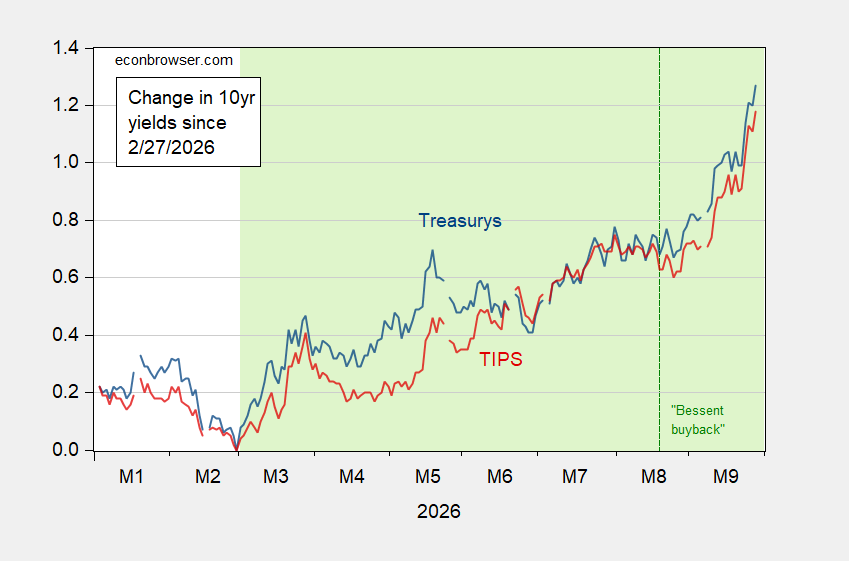
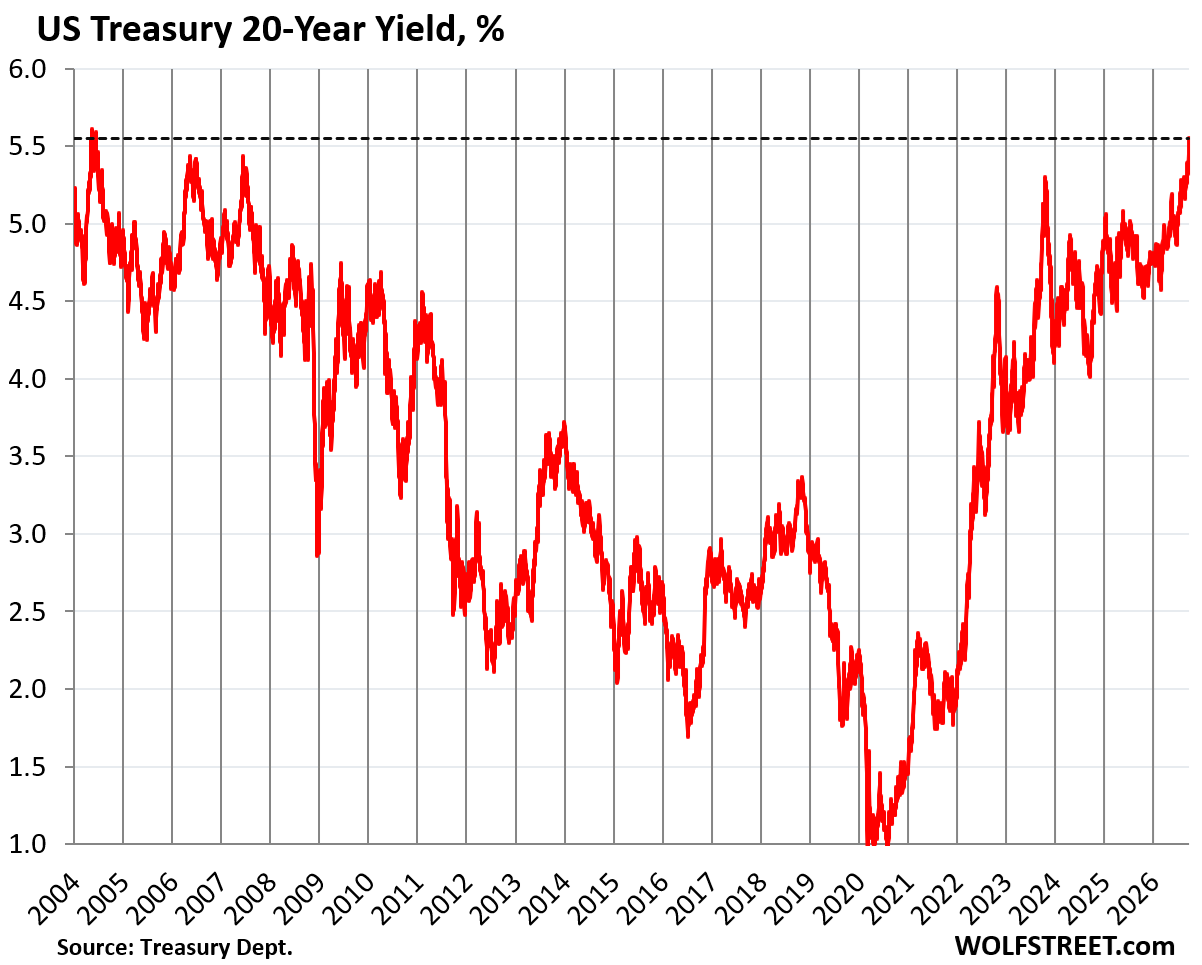
- 30-year bond yields surge to 5.592% (highest since June 2002); consumer confidence plummets 12-year low; euro strengthens 0.8% vs dollar—immediate impact on working capital costs, inventory financing, and cross-border payment corridors









Overview
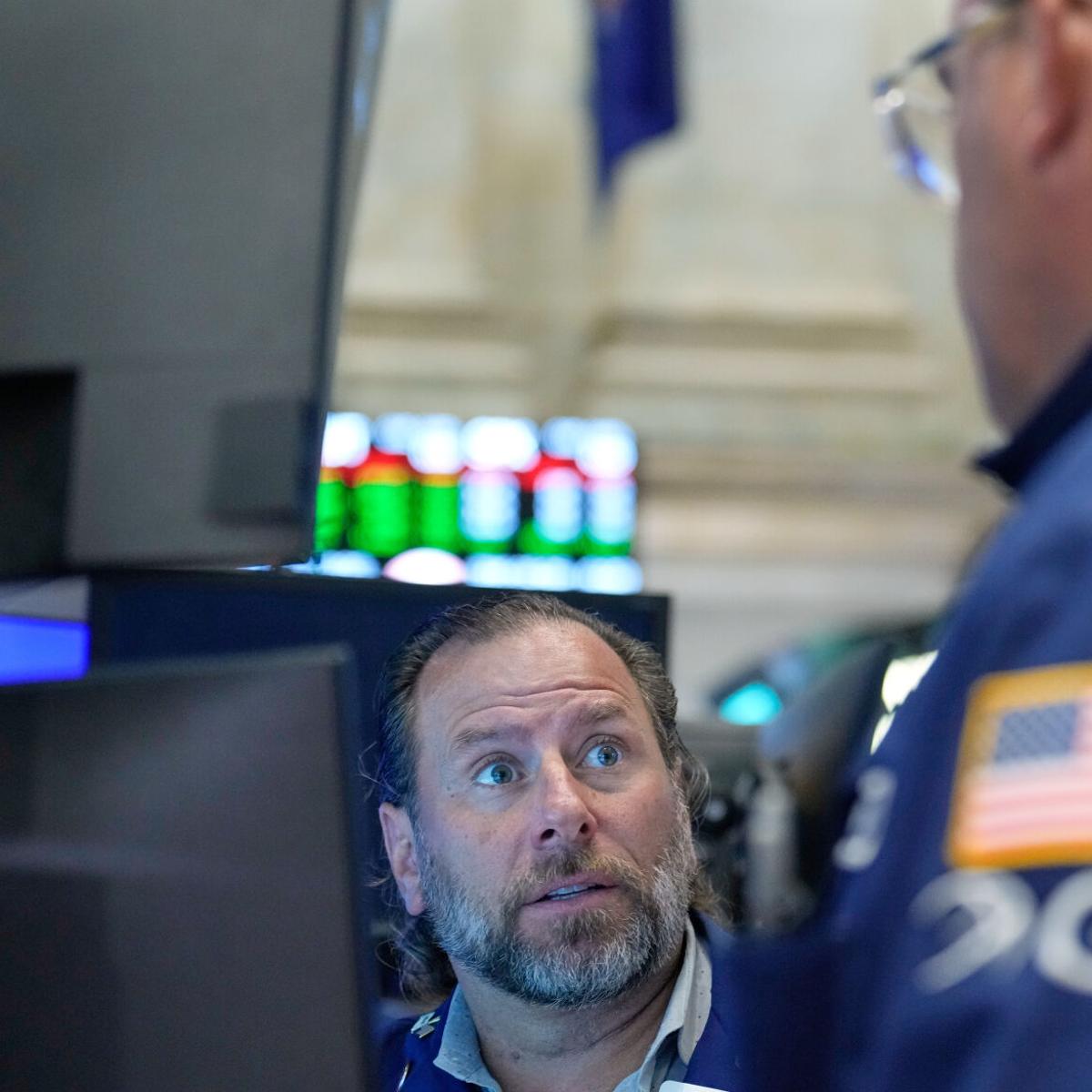
The macroeconomic environment for cross-border sellers deteriorated sharply on September 29, 2024, as US Treasury yields reached multi-year highs while consumer confidence collapsed to its lowest level in over 12 years. The 30-year Treasury bond hit 5.592%—the highest level since June 2002—signaling sustained inflation concerns and tightening financial conditions. Federal Reserve Bank of New York President John Williams stated there is "no urgency" for further rate hikes, but traders still price in a 50% probability of a quarter-point increase at October's Fed meeting. This mixed messaging creates immediate financial headwinds for sellers relying on trade finance, inventory loans, and cross-border payment solutions.
For cross-border sellers, the implications are severe across three critical dimensions:
1. Working Capital & Financing Costs Spike: Rising Treasury yields directly increase borrowing costs for inventory financing, PO financing, and invoice factoring—the three primary working capital tools for e-commerce sellers. When 30-year yields reach 5.592%, lenders price in higher risk premiums. Sellers using supply chain finance products (invoice factoring, dynamic discounting) will see APR rates increase 50-150 basis points within 30-60 days. A seller with $500K in outstanding invoices financed at 2.5% APR will face an additional $2,500-7,500 in quarterly financing costs. Inventory loans tied to SOFR (Secured Overnight Financing Rate) will similarly increase, making it more expensive to carry stock during the critical Q4 holiday season.
2. FX Arbitrage Opportunities & Hedging Costs: The euro strengthened to 1.1341 against the dollar (up from typical 1.08-1.10 ranges), while oil prices fell $3.22/barrel to $89.38. For sellers with EUR-denominated costs (manufacturing in Germany, Poland, or Czech Republic) and USD revenue (Amazon US, eBay US), the stronger euro increases COGS by 2-3% immediately. However, this creates a hedging opportunity: sellers can lock in forward FX contracts at current rates (1.1341) before the Fed's October decision. If the Fed pauses rate hikes (50% probability), the dollar will likely weaken further, making today's hedging rates attractive. Sellers should execute 60-90 day forward contracts on 40-60% of Q4 EUR payables to lock in current rates before potential dollar depreciation.
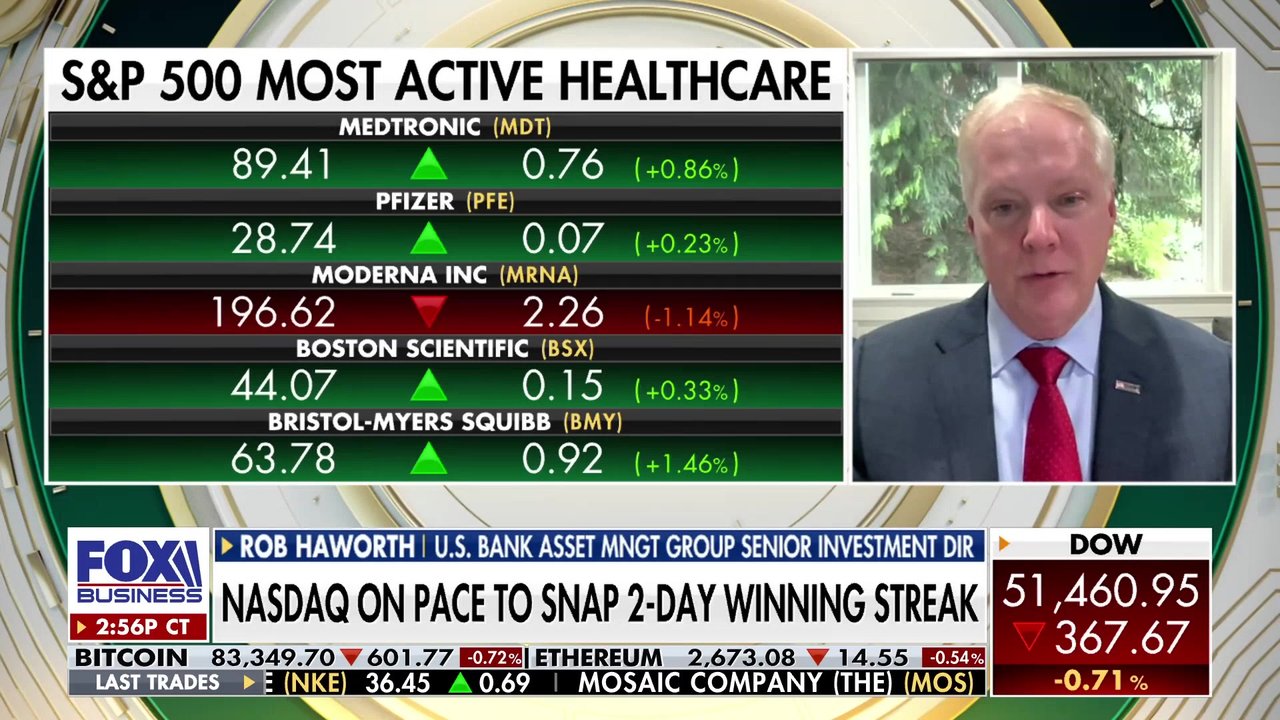
3. Consumer Spending Contraction & Demand Forecasting: US consumer confidence dropped to its lowest level in over 12 years, with households expecting "weakening business conditions and labor market deterioration." This directly impacts demand forecasting for Q4 2024. Sellers in discretionary categories (electronics, apparel, home décor) should reduce inventory purchases by 15-25% and shift toward faster-turning SKUs. The Dow Jones fell 0.26%, S&P 500 dropped 0.17%, and Nasdaq fell 0.08%—modest declines but signaling risk-off sentiment. Sellers should prioritize cash conversion speed: reduce inventory holding periods from 90 days to 60-75 days, accelerate invoice collection from 45 days to 30 days, and consider dynamic pricing to move slower inventory before Q4 demand softens further.
Immediate Actions for Sellers (Next 30 Days):
- Lock in financing rates NOW: Contact your 3PL lender, invoice factoring provider, or PO financing partner and execute agreements at current rates before October Fed decision. Rates will likely increase 50-100 bps if the Fed signals further tightening.
- Execute FX hedges on EUR/USD: Lock in 60-90 day forward contracts at 1.1341 for 40-60% of Q4 manufacturing payables. This protects against dollar weakness if the Fed pauses.
- Reduce inventory purchases by 20%: Given consumer confidence at 12-year lows, cut Q4 POs by 15-25% and focus on proven bestsellers. Redirect capital to faster inventory turns.
- Accelerate receivables collection: Implement early payment discounts (2% for 10-day payment) to convert invoices to cash within 30 days instead of 45 days. This frees up $50-150K in working capital per $1M in monthly revenue.
Strategic Adjustments (1-3 Months):
- Evaluate alternative payment corridors: If USD-denominated costs are rising, consider shifting 20-30% of sourcing to GBP or JPY-denominated suppliers to diversify FX exposure.
- Stress-test inventory financing: Model scenarios where SOFR-based loan rates increase 200 bps (from 5.5% to 7.5%). Identify which SKUs become unprofitable to finance at higher rates.
- Monitor Fed communications: The October meeting is critical. If the Fed signals a pause, dollar weakness will accelerate—consider reducing hedges and taking FX exposure. If the Fed hints at further hikes, increase hedges to 70-80% of payables.
Questions 8
Which product categories are most vulnerable to demand contraction given consumer confidence weakness?
Discretionary categories—electronics, apparel, home décor, and luxury goods—are most vulnerable to demand contraction when consumer confidence drops to 12-year lows. Sellers in these categories should reduce inventory by 20-25% and focus on value-oriented SKUs and bundles. Essential categories (health/beauty, grocery, pet supplies) are more resilient and can maintain normal inventory levels. Monitor category-specific BSR trends: if your electronics category BSR deteriorates 10-20% week-over-week, reduce POs immediately. Conversely, if value-oriented apparel (budget basics, essentials) maintains stable BSR, maintain or increase inventory in those SKUs.
What is the impact of rising oil prices declining to $89.38 on cross-border shipping costs?
Declining oil prices ($3.22 drop to $89.38/barrel) provide temporary relief on shipping costs—expect 2-4% reductions in DDP (Delivered Duty Paid) rates from Asia to US over the next 30-60 days. However, this benefit is temporary: if the Fed signals further rate hikes, oil prices will likely rebound as investors flee risk assets. Lock in shipping rates now for Q4 and Q1 2025 shipments at current levels (typically $0.08-0.12/kg from China to US). Negotiate 90-day rate locks with your freight forwarder to capture current low oil prices before potential rebound. This can save $5,000-15,000 per 20-foot container on Asia-US routes.