



Flagship Smartphone Market Saturation 2026 | Seller Opportunity in Mid-Range & Refurbished Electronics
- iPhone 18 Pro Max vs Galaxy S26 Ultra pricing parity at $1,299 signals consumer upgrade fatigue; mid-range alternatives like Pixel 11 Pro at $1,099 capture price-sensitive buyers; sellers can capitalize on refurbished flagship demand and accessory bundling strategies








Overview
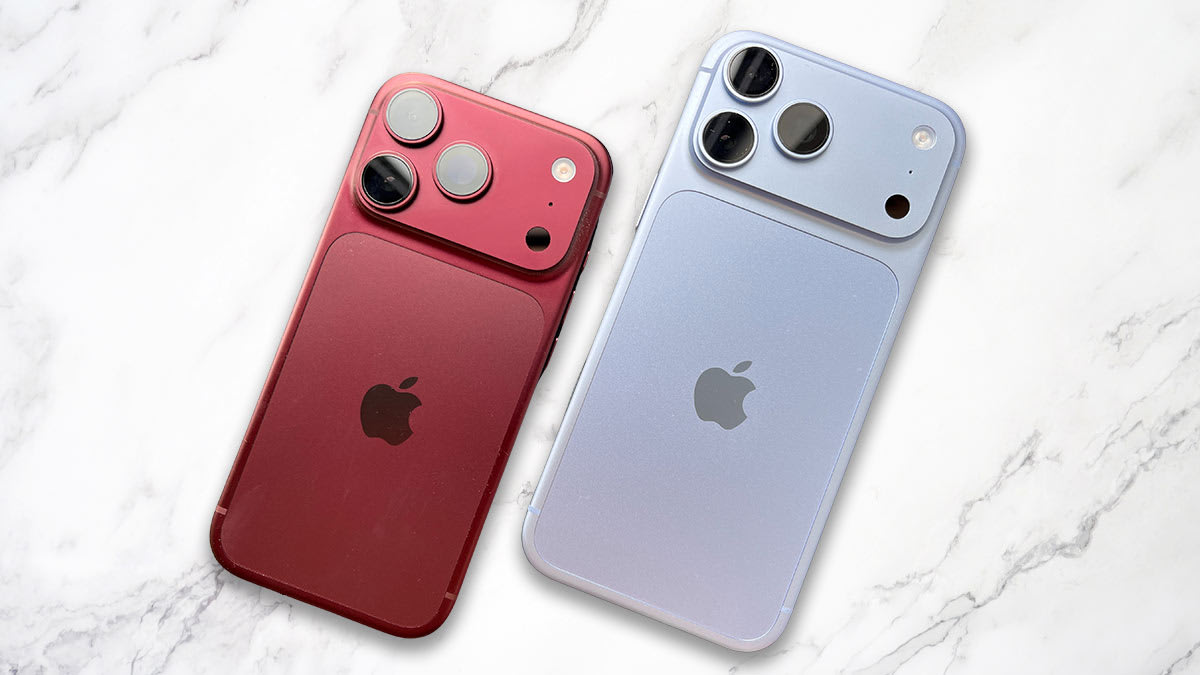
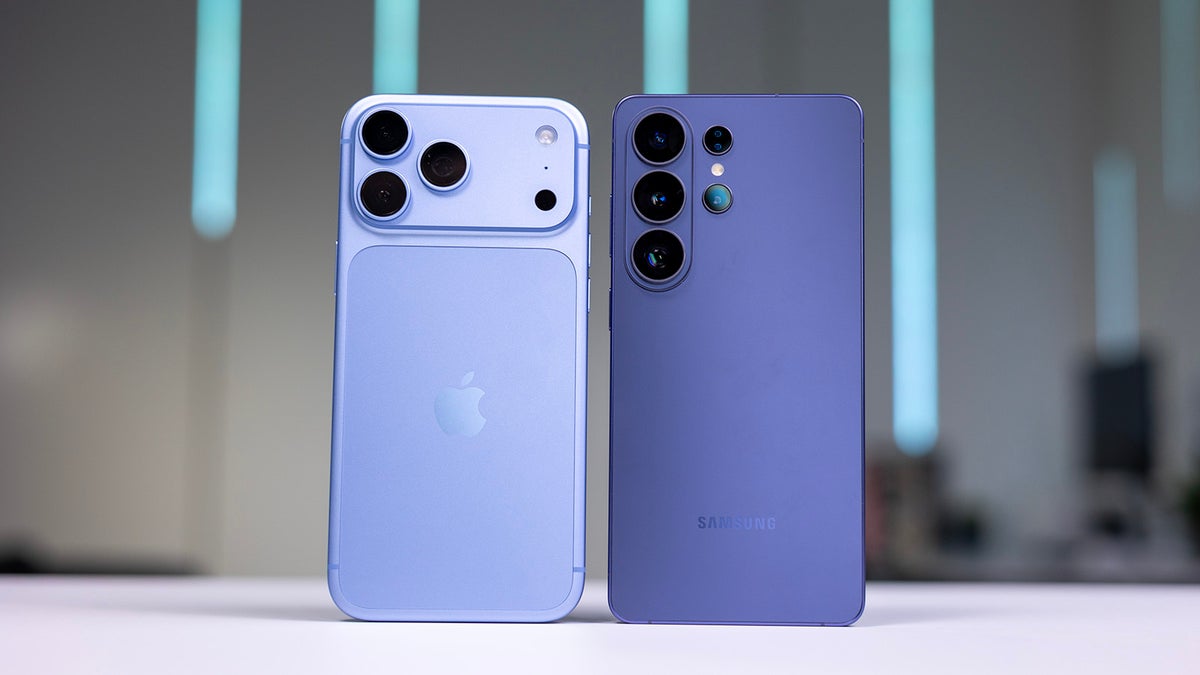
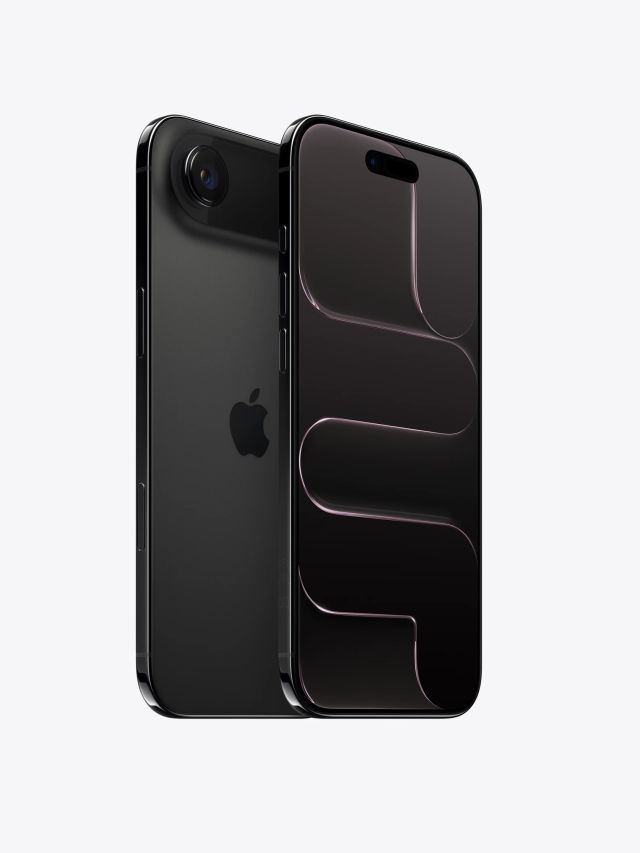
The 2026 flagship smartphone market reveals critical consumer behavior shifts that directly impact electronics sellers on Amazon, eBay, and Shopify. Apple's iPhone 18 Pro Max and Samsung's Galaxy S26 Ultra both launch at $1,299 with negligible performance differentiation—both feature comparable AI capabilities, gaming performance, and photography features despite different processor architectures (iPhone's hexa-core vs Samsung's octa-core Oryon V3). Industry analysis explicitly states that "performance differences are negligible for practical use cases" and that upgrading from 2025 models "lacks sufficient justification given modest spec enhancements." This creates a critical market dynamic: consumers are experiencing flagship fatigue, with Google's Pixel 11 Pro delivering equivalent performance at $200 less ($1,099), signaling price elasticity in the premium segment.
For electronics sellers, this represents a major shift in product demand patterns. The minimal generational improvements mean fewer consumers will upgrade from iPhone 17 Pro Max or Galaxy S25 Ultra, reducing new device sales velocity. However, this creates three immediate opportunities: (1) Refurbished flagship inventory becomes more attractive as consumers seek 2025-model devices at 20-30% discounts rather than paying full price for marginal 2026 improvements; (2) Mid-range smartphone accessories (cases, screen protectors, chargers) will see increased demand as users extend device lifecycles; (3) Trade-in and bundle strategies become critical—sellers offering iPhone 17 Pro Max + premium accessories at $899-999 can capture price-conscious buyers avoiding the $1,299 flagship tier.
Camera technology differentiation is the only meaningful competitive advantage: Samsung's 200-megapixel main sensor vs Apple's variable-aperture lens appeals to photography enthusiasts, creating niche demand for camera-focused accessories (professional tripods, lens filters, stabilizers). This segment typically commands 15-25% higher margins than general smartphone accessories. Industry experts anticipate "more substantial technological leaps in 2027," meaning current flagship purchases are "potentially premature"—this extends the 2025-model lifecycle by 12+ months, creating sustained demand for refurbished and certified pre-owned devices through 2026-2027.
Storage differentiation matters for data-heavy users: Apple's 2TB maximum storage vs Samsung's 16GB RAM standard appeals to different user segments. Sellers should segment inventory by use case: creative professionals (video/photo editing) prefer iPhone's storage, while multitasking power users prefer Samsung's RAM. This enables targeted marketing and pricing strategies by buyer persona rather than generic flagship positioning.
Questions 7
What is the timeline for sellers to capitalize on this market shift?
Industry experts anticipate 'more substantial technological leaps in 2027,' meaning the 2026 flagship cycle will have extended relevance through 2027. Sellers should act immediately (Q1 2026) to: (1) Source refurbished 2025-model inventory before prices stabilize; (2) Build accessory bundles targeting extended-lifecycle users; (3) Establish trade-in programs before competitors saturate the market. The window for capturing upgrade-fatigued consumers is 6-9 months (Q1-Q3 2026). By Q4 2026, market dynamics will shift as 2027 devices approach launch, reducing demand for 2026 flagships.
How can sellers use AI to optimize pricing for different smartphone tiers?
The $200 price gap between Pixel 11 Pro ($1,099) and flagships ($1,299) reveals price sensitivity. Sellers should use AI-powered dynamic pricing to: (1) Monitor competitor pricing across Amazon, eBay, and Shopify; (2) Adjust bundle pricing based on inventory levels and demand signals; (3) Identify optimal price points for refurbished vs new devices (typically 20-30% discount for refurbished); (4) Predict which accessories will pair with each device tier. AI tools like Keepa, Helium 10, or Jungle Scout can track price elasticity across categories, enabling sellers to maximize margin while maintaining competitive positioning. Sellers using AI pricing optimization typically see 8-12% margin improvement.