


Elevated Oil Prices Persist Despite Supply Recovery | E-Commerce Logistics Cost Surge 2025
- Crude prices remain above $80/barrel despite 80% supply recovery; cross-border sellers face 3-8% margin compression through 2025 from sustained fuel surcharges on air and ocean freight



















Overview
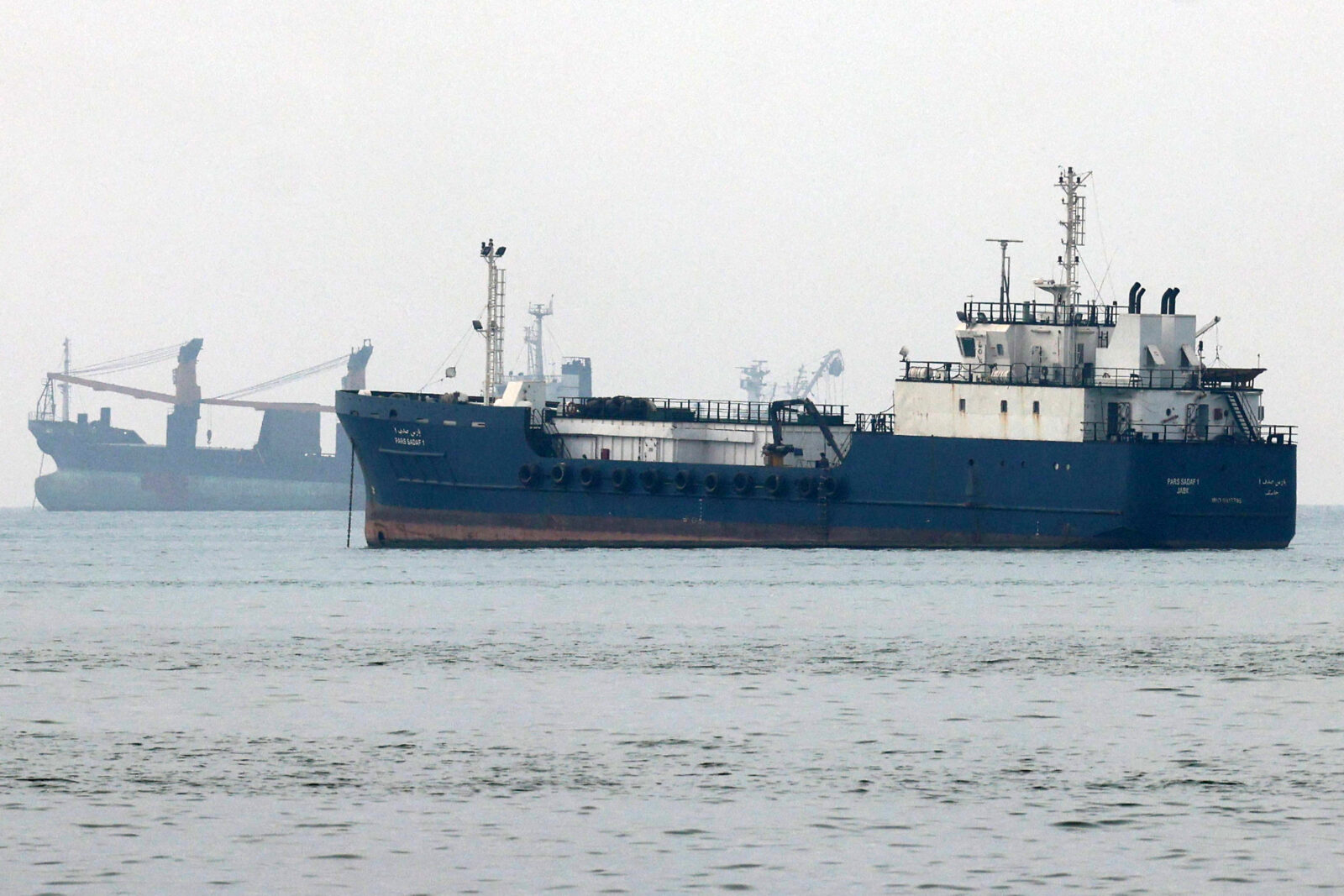
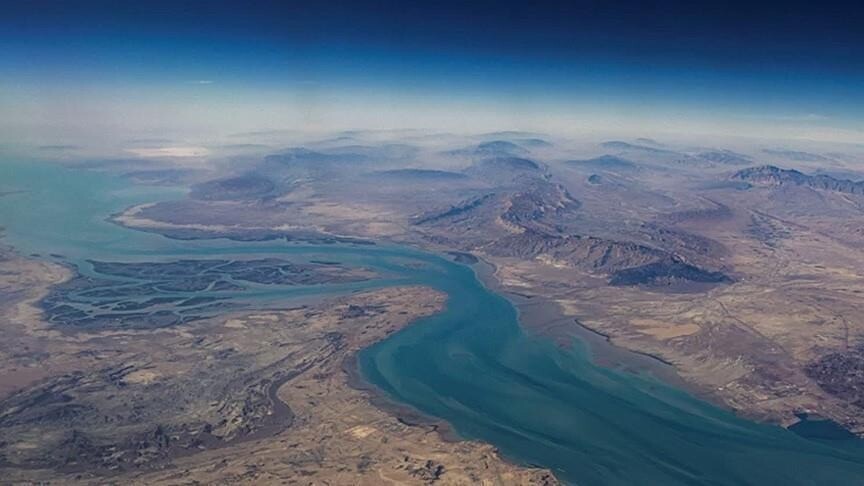
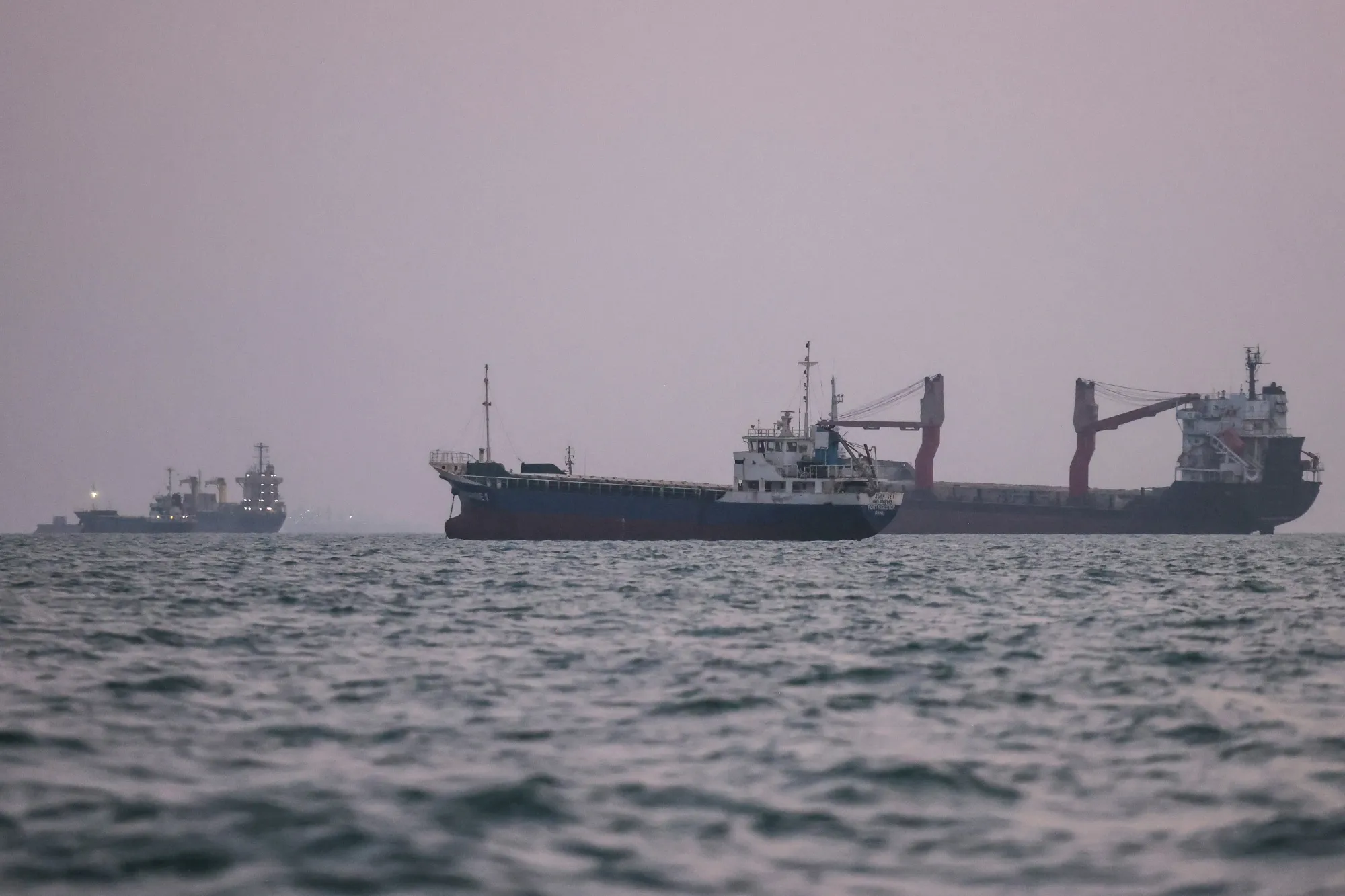
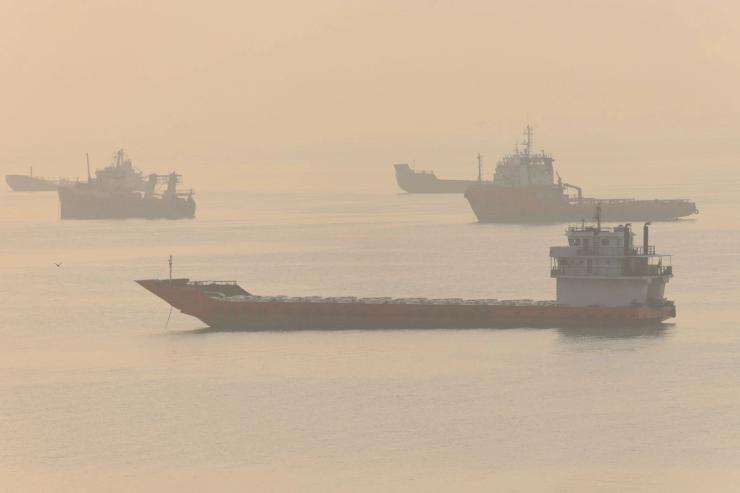
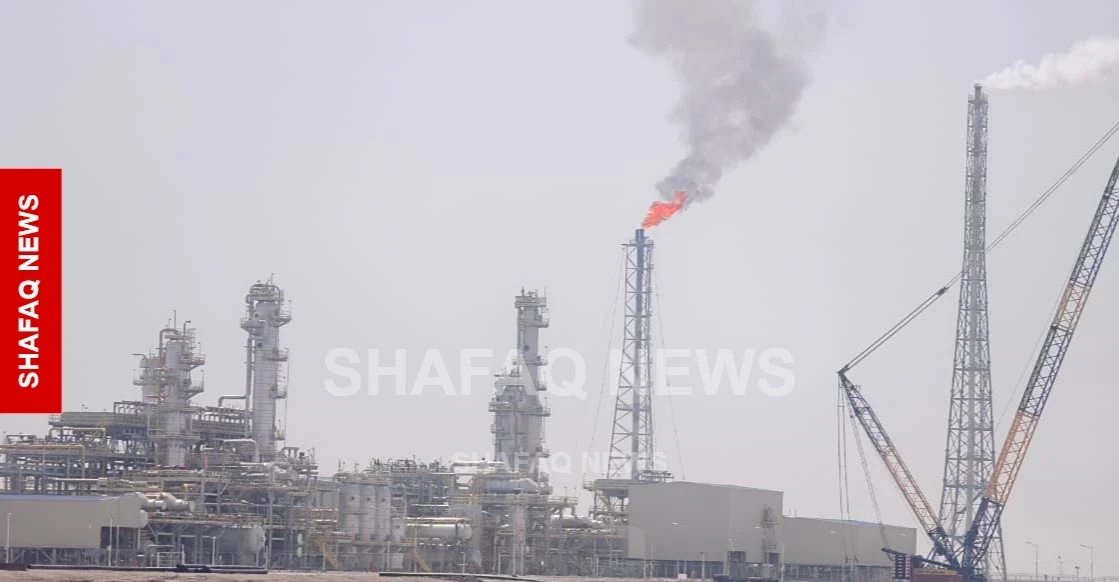
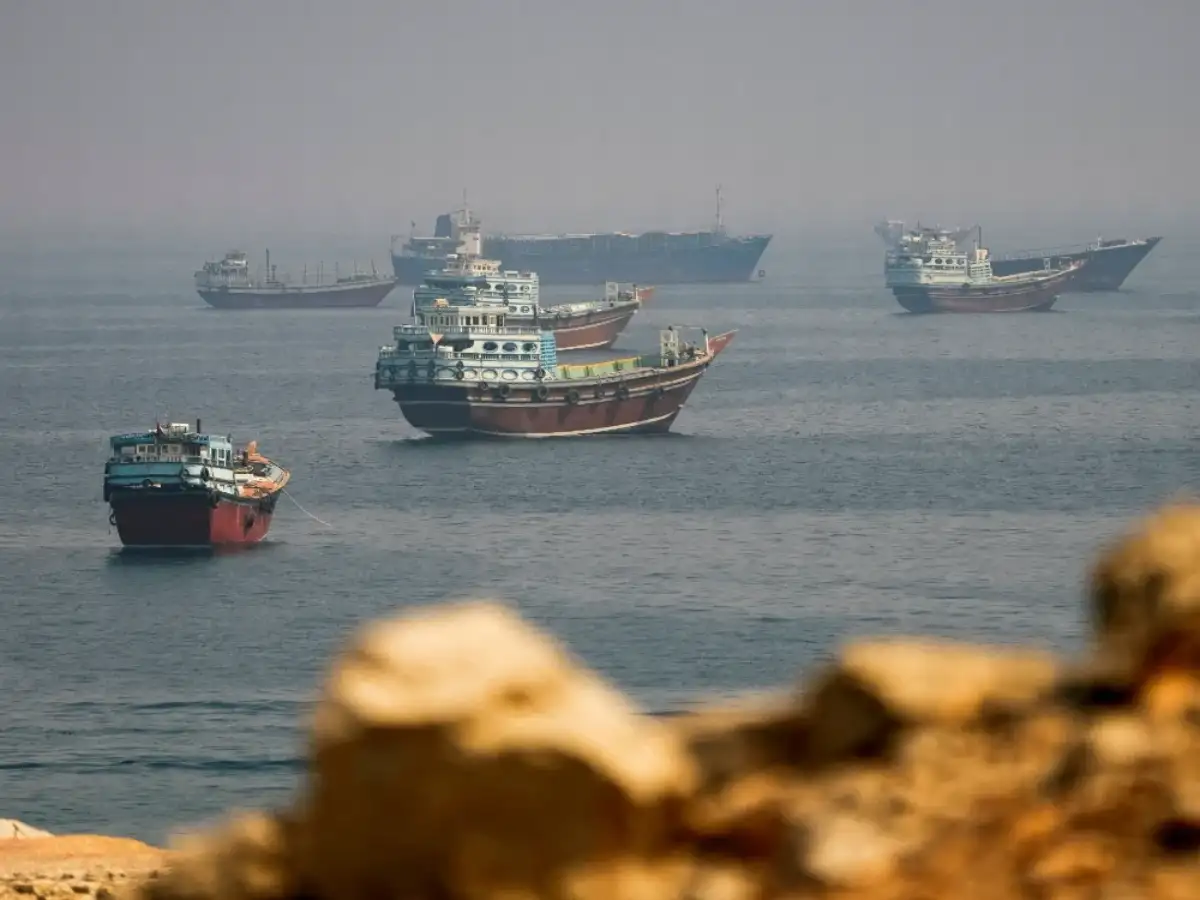
The Paradox of Normalized Supply with Elevated Energy Costs: Despite Middle East crude exports recovering to 16.328 million barrels per day in September (80% of pre-conflict levels) and Strait of Hormuz flows reaching 9.719 million bpd, global crude oil prices remain stubbornly elevated above $80 per barrel, with diesel exceeding $6 per gallon. This disconnect between supply normalization and price persistence creates a critical operational challenge for cross-border e-commerce sellers. According to the latest market analysis, the recovery reflects Saudi Arabia's export rebound from 2.446 to 5.4 million bpd and total Middle Eastern crude flows reaching 98% of pre-war levels through combined Hormuz transit and alternative pipeline routes. However, refined product flows remain constrained at just 58% of pre-war levels, preventing consumer price relief despite crude availability.
Direct Impact on E-Commerce Seller Economics: For cross-border e-commerce businesses, elevated oil prices directly translate to sustained logistics cost pressures through fuel surcharges on air and ocean freight. Sellers shipping from Asia to North America and Europe face margin compression of 3-8% depending on product weight and shipping method, with the situation particularly acute for time-sensitive air freight categories including perishables, electronics, and fashion items. Logistics providers maintain higher rate structures despite normalized crude supply, as fuel hedging contracts and operational cost adjustments lag behind actual market conditions. The persistence of high prices despite supply normalization suggests structural market changes rather than temporary disruptions, indicating sellers should anticipate sustained elevated logistics expenses extending through 2025.
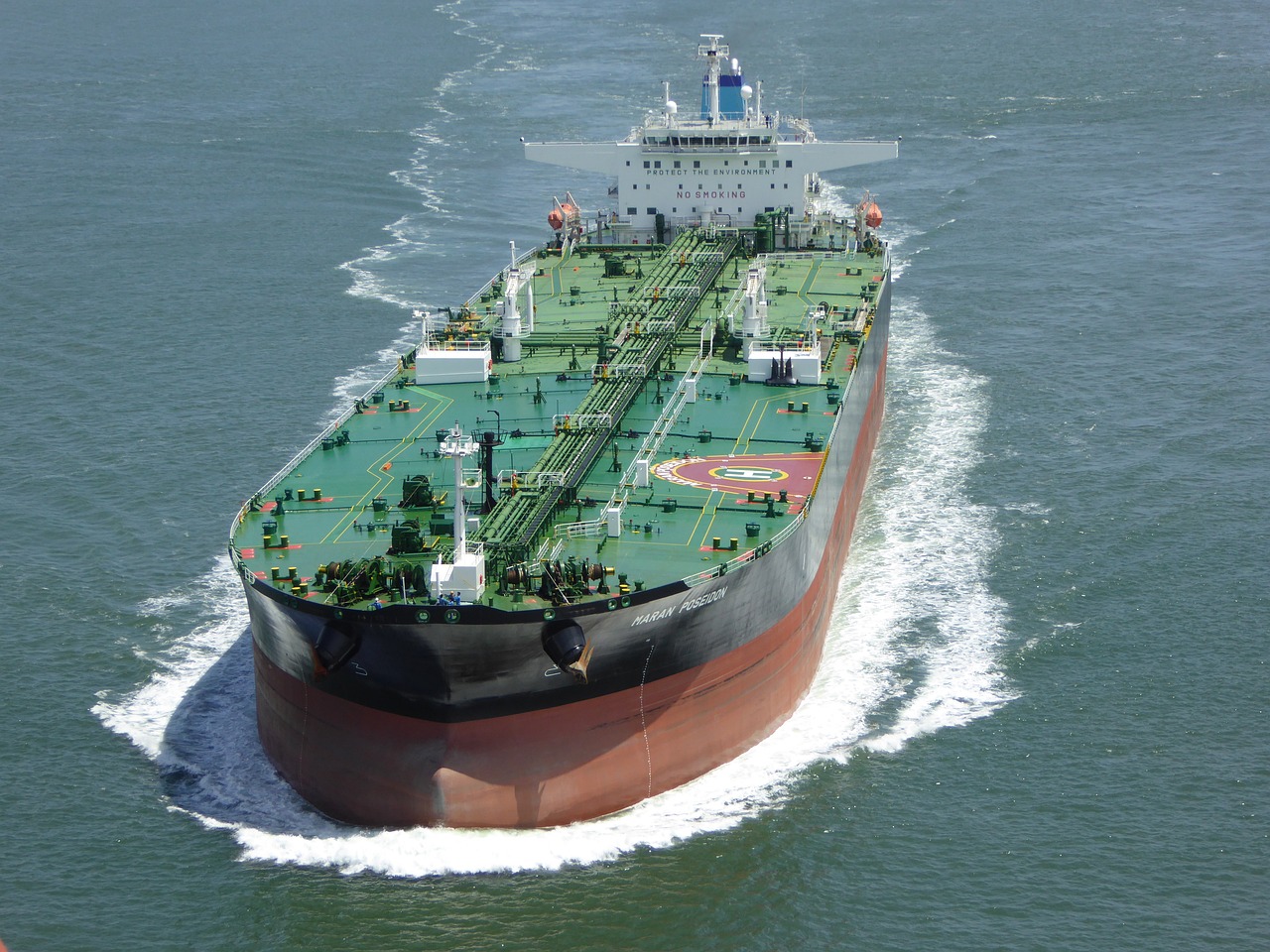
Strategic Sourcing and Pricing Adjustments Required: The underlying cause of elevated prices stems from multiple factors: geopolitical tensions in the Middle East sustaining risk premiums (tanker insurance costs remain elevated with 5-10 year-old tankers valued at $150 million despite $135 million new construction costs), OPEC+ production management strategies maintaining supply discipline, and global demand resilience from emerging markets offsetting Western consumption patterns. Additionally, elevated energy costs influence manufacturing expenses in oil-dependent regions, potentially increasing product sourcing costs beyond logistics impacts. Sellers must recognize this as a structural shift rather than a temporary anomaly, requiring proactive adjustments to pricing strategies, shipping method optimization, and renegotiation of logistics partner rates based on actual supply conditions rather than temporary market disruptions.
Questions 8
Which product categories are most affected by sustained fuel surcharges?
Time-sensitive air freight categories experience the greatest impact: perishables (requiring expedited shipping to maintain freshness), electronics (high-value items justifying air freight costs), and fashion items (seasonal demand requiring rapid inventory turnover). Ocean freight categories with longer lead times experience lower percentage impact but absolute cost increases remain significant. Sellers shipping from Asia to North America and Europe face the highest pressure due to longer routes and greater fuel consumption. Additionally, elevated energy costs influence manufacturing expenses in oil-dependent regions, potentially increasing product sourcing costs beyond logistics impacts, affecting all categories sourced from energy-intensive production regions.
How much will elevated oil prices increase my shipping costs in 2025?
Cross-border e-commerce sellers face sustained logistics cost pressures reducing profit margins by 3-8% depending on product weight and shipping method. Air freight categories (perishables, electronics, fashion) experience the most acute impact due to fuel surcharge sensitivity. Logistics providers maintain higher rate structures despite normalized crude supply because fuel hedging contracts and operational cost adjustments lag behind market conditions. The persistence of prices above $80/barrel through 2025 suggests these elevated costs will remain structural rather than temporary, requiring sellers to adjust pricing strategies and renegotiate rates with 3PL providers based on actual supply conditions rather than assuming price relief.