
FDA Food Recall Enforcement Surge | Sellers Face Compliance Costs & Liability Exposure
- September 2026 recalls affect 3+ major brands; raw milk cheese, frozen pasta, dairy-free products targeted; sellers must implement real-time recall protocols or face delisting









Overview
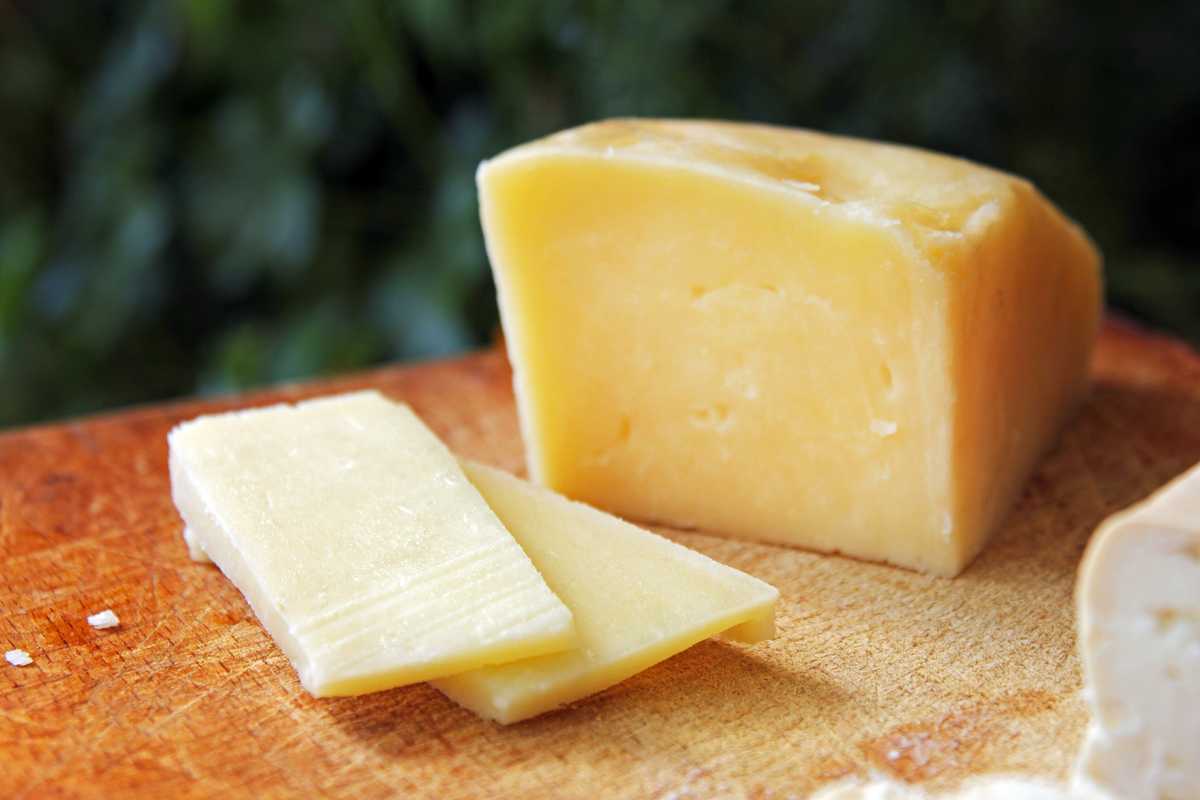
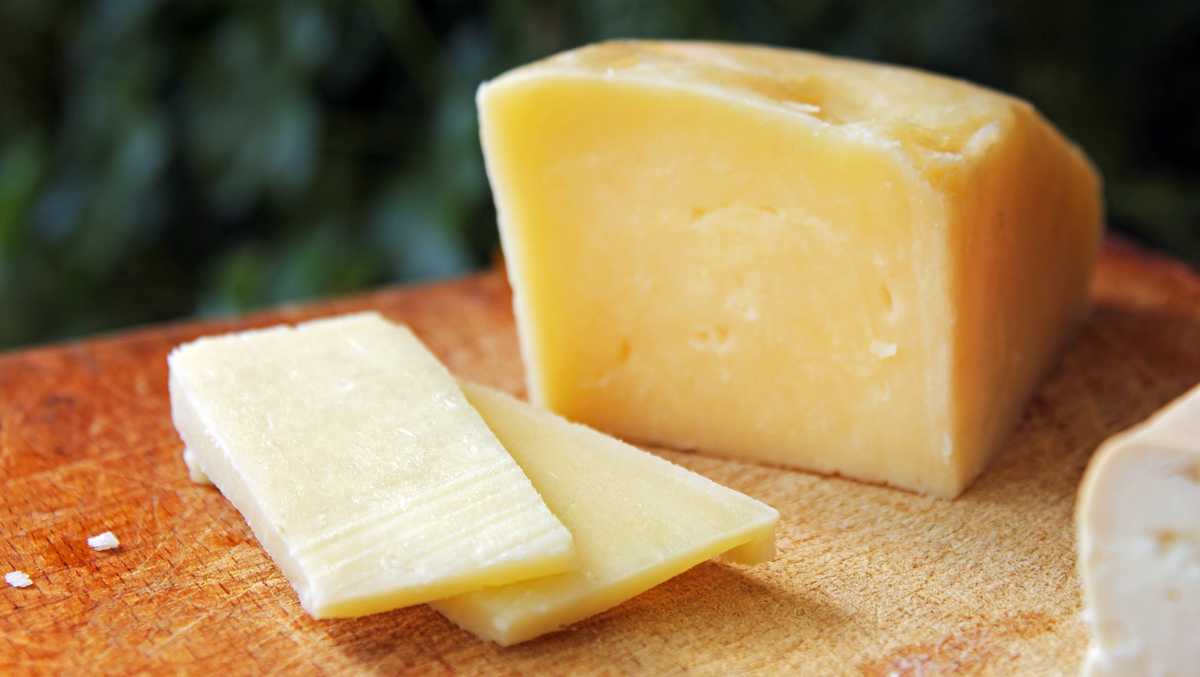
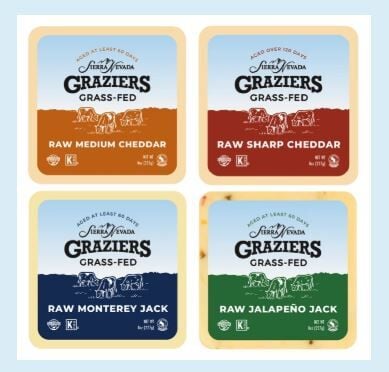
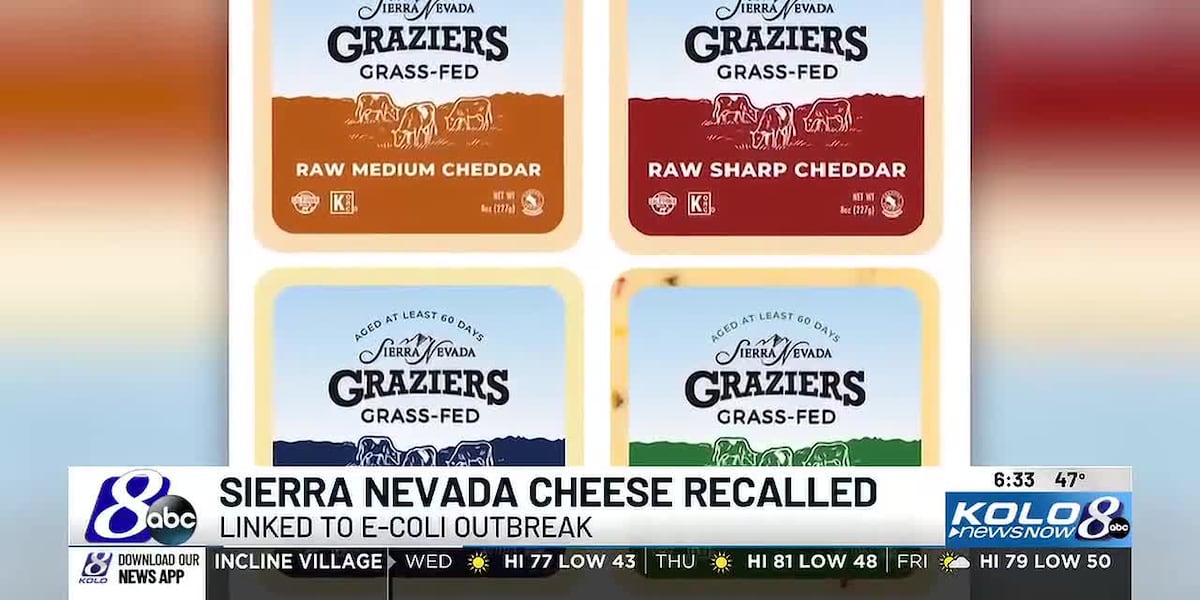
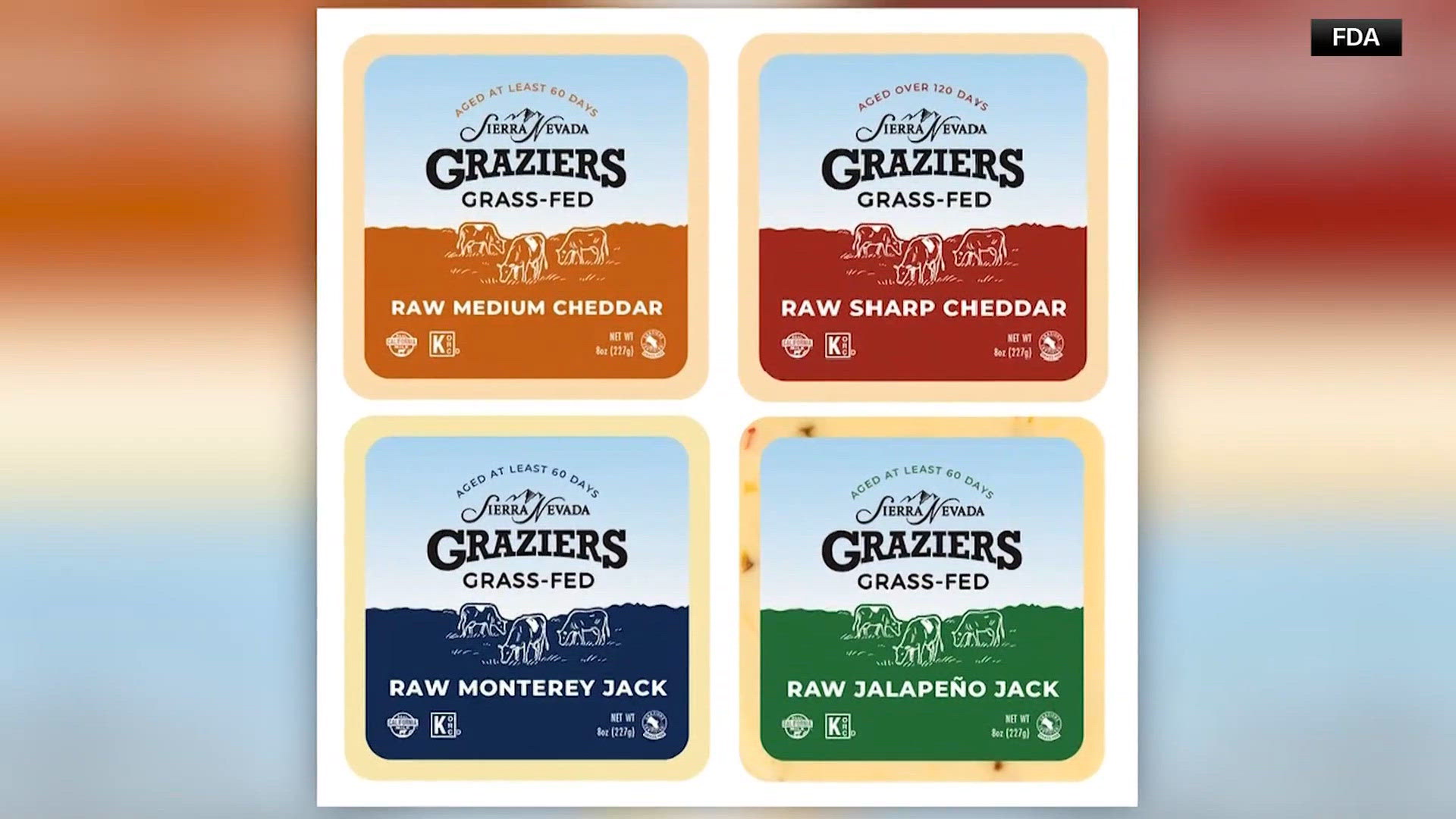
The September 2026 food recall wave represents a critical compliance inflection point for e-commerce sellers in specialty foods and perishables. Sierra Nevada Cheese Company's nationwide recall of all Graziers Raw Milk Cheese varieties (Monterey Jack, Jalapeño Jack, Medium Cheddar, Sharp Cheddar) following an FDA-linked E. coli outbreak affecting 13 people across 9 states demonstrates how rapidly regulatory enforcement can eliminate entire product lines from online marketplaces. The recall, announced September 28-30, 2026, required immediate delisting across Amazon Fresh, Walmart.com, specialty food platforms, and retail channels—affecting sellers with inventory in 8oz, 16oz, 5lb, and 40lb package sizes. Simultaneously, Walmart's Bettergoods brand recalled frozen Lemon Alfredo Fettuccine (listeria contamination, Sept 15) and Danone USA recalled So Delicious Dairy Free Salted Caramel Cluster pints (foreign object contamination, Sept 15), signaling that major retailers' private label products face equal enforcement scrutiny as branded goods.
For e-commerce sellers, this recall cluster creates three immediate compliance barriers: First, raw milk cheese sellers must now assume complete product liability even when sourcing from established manufacturers—the FDA's inability to identify specific lots necessitated total recalls, meaning sellers cannot rely on lot-level traceability. Second, frozen food sellers face accelerated testing requirements—Walmart's routine testing discovery of listeria suggests platforms are implementing pre-listing pathogen screening, increasing time-to-market by 2-4 weeks and adding $500-1,500 per SKU in testing costs. Third, recall response protocols are now platform-enforced—sellers must maintain real-time inventory systems, customer notification capabilities, and return coordination infrastructure or face account suspension. The Wisconsin regional impact (Urban Market Neenah, Pick 'n Save, Target locations) shows recalls cascade through retail networks, affecting both direct-to-consumer and B2B2C sellers simultaneously.
Compliance cost implications are substantial: Sellers offering recalled products face inventory write-offs (estimated 15-40% of stock value), mandatory customer refunds, potential FDA fines ($100-500 per violation), and reputational damage reducing future sales by 20-35% in affected categories. The raw milk cheese category faces the highest barrier—FDA enforcement on unpasteurized dairy is intensifying, with 3 HUS (hemolytic uremic syndrome) cases in this outbreak alone. Sellers can mitigate exposure by: (1) shifting to pasteurized cheese alternatives (lower recall risk, 5-8% margin compression but 90% lower compliance cost), (2) implementing third-party food safety certifications (SQF Level 3, FSSC 22000) reducing liability exposure by 60-70%, and (3) sourcing from FDA-registered facilities with pathogen testing protocols (adds 10-15 days to procurement but eliminates lot-level recall risk). The compliance moat is widening—sellers with established testing infrastructure and certified suppliers will capture market share from non-compliant competitors forced out by recalls.
Questions 8
What immediate actions must sellers take if they stock recalled cheese or frozen food products?
Sellers must immediately delist affected SKUs from all platforms (Amazon Fresh, Walmart.com, specialty marketplaces) within 24 hours of recall announcement, notify customers via email with recall details and UPC codes, and coordinate returns through their fulfillment network. For Graziers Raw Milk Cheese recall (Sept 28-30, 2026), sellers should check inventory against product identifiers (Monterey Jack, Jalapeño Jack, Medium Cheddar, Sharp Cheddar in 8oz-40lb sizes) and initiate refunds immediately. Failure to delist within 48 hours risks account suspension on Amazon and Walmart. Sellers should document all actions (delisting timestamps, customer notifications, return receipts) for FDA compliance records.
How should sellers price products to account for increased food safety compliance costs?
Sellers should increase pricing by 8-15% to offset compliance costs: SQF/FSSC certification ($3,000-8,000 annually ÷ annual units sold), pathogen testing ($500-1,500 per SKU), real-time inventory systems ($200-400/month), and liability insurance ($1,000-3,000 annually). For example, a seller moving 500 units/month of specialty cheese should add $0.50-1.50 per unit to cover $3,000-5,000 annual compliance costs. Competitors without certification can undercut pricing by 5-10%, but face 40-60% higher recall risk and potential account suspension. Sellers should communicate certification status in product listings to justify premium pricing—consumers increasingly value food safety certifications.