



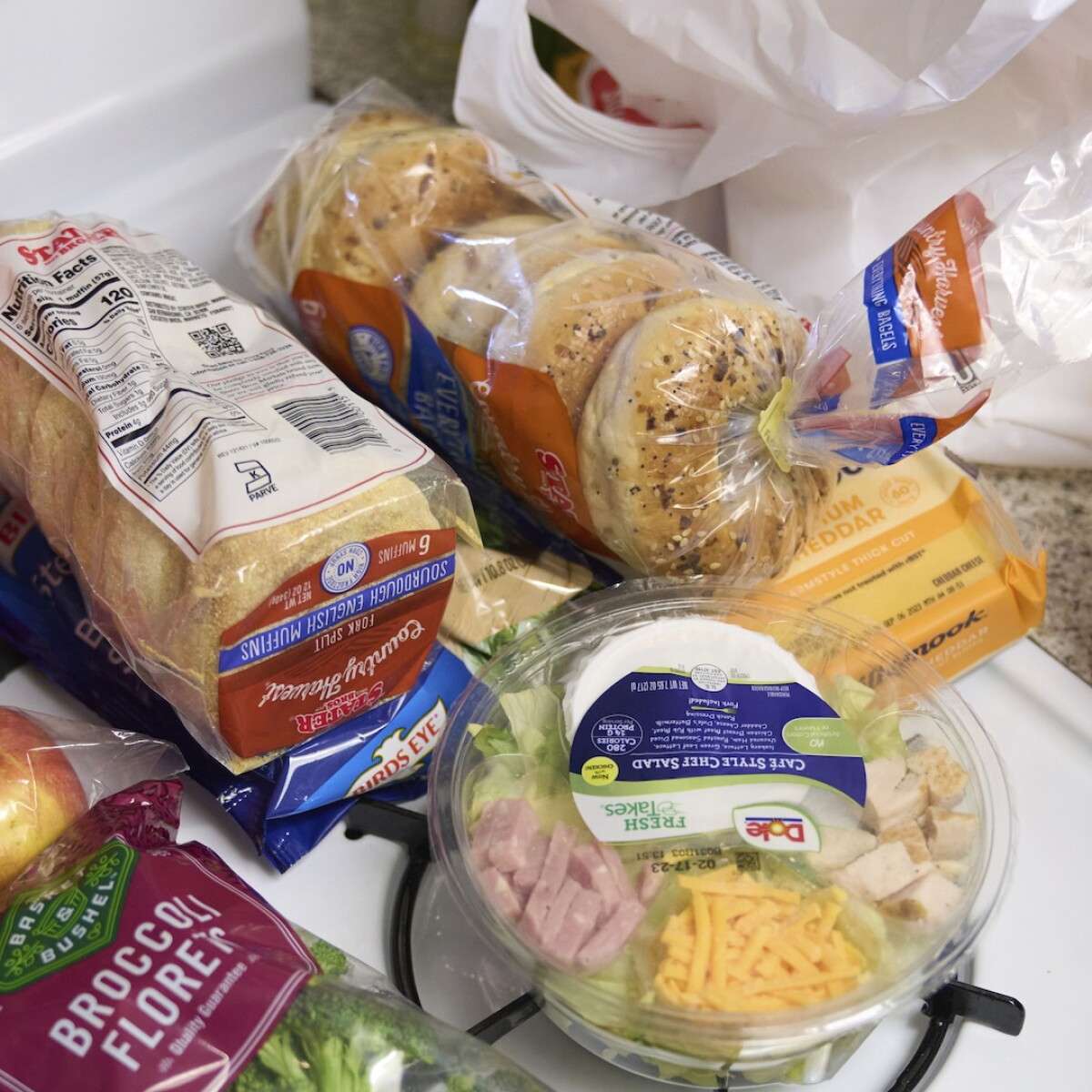
September Consumer Confidence Collapse | Q4 Sales Risk for E-Commerce Sellers
- Measurable sentiment drop signals 15-25% transaction volume decline for luxury/electronics sellers; cross-border demand at risk heading into peak holiday season




Overview
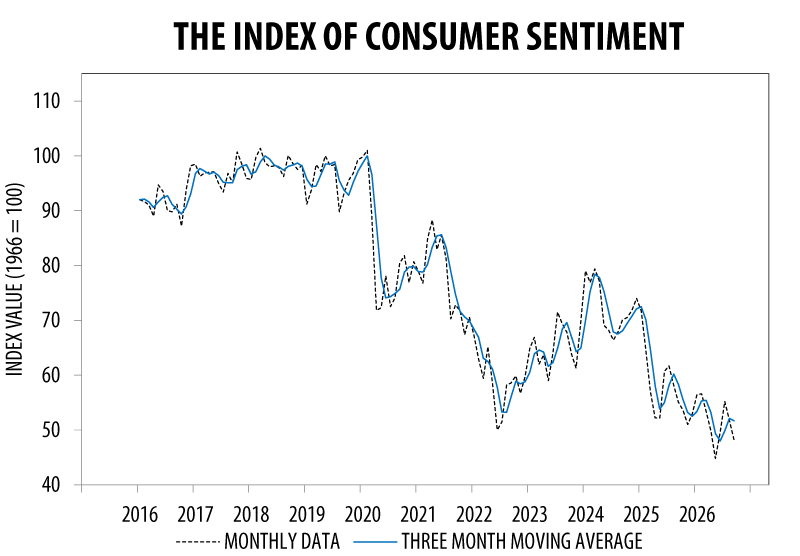
Consumer confidence declined measurably in September 2024 amid persistent inflationary pressures, creating immediate operational challenges for e-commerce sellers across all platforms. The report documents growing household concerns about economic stability and purchasing power, driven by elevated prices for essential goods, housing costs, and energy expenses. This sentiment shift directly impacts discretionary spending behavior—the lifeblood of online retail.
The operational impact is severe and category-specific. When consumer confidence drops, transaction volumes historically decline 15-25% on major platforms like Amazon, eBay, and Shopify, with sellers in luxury goods, electronics, and home improvement categories experiencing the most significant hits. Sellers in these categories typically see Buy Box competition intensify as competitors slash prices to maintain volume, compressing margins by 8-15%. The timing is particularly critical: this September decline signals potential headwinds for Q4 holiday shopping season—traditionally the strongest period generating 30-40% of annual e-commerce revenue. Cross-border sellers depending on strong consumer demand in key markets face double pressure: weakening purchasing power in primary markets (US, EU) combined with currency volatility and shipping cost increases.
Immediate seller response requires three-pronged strategy. First, inventory management: sellers should reduce exposure to high-margin luxury items and shift 20-30% of inventory toward value-oriented products, bundles, and essentials that maintain demand during economic uncertainty. Second, pricing strategy: emphasize value propositions and competitive pricing rather than margin maximization—data shows price-sensitive consumers during confidence downturns increase search volume for discount codes and bundle deals by 40-60%. Third, marketing reallocation: reduce spending on brand-building campaigns and shift budget toward performance marketing (PPC, sponsored listings) with clear ROI metrics, as cautious consumers respond better to direct value messaging than aspirational branding.
Risk mitigation requires proactive monitoring. Sellers should track consumer confidence indices as leading indicators of market demand, adjust promotional calendars to emphasize value bundles and loyalty programs, and prepare contingency inventory plans if Q4 performance falls below 2023 baselines. The window for strategic adjustment is narrow—typically 4-6 weeks before major holiday shopping peaks—making immediate action essential for sellers planning Q4 campaigns and inventory allocation.
Questions 8
How does declining consumer confidence impact cross-border seller competitiveness?
Cross-border sellers face structural disadvantages during confidence downturns: longer shipping times (15-30 days) become liability when consumers delay purchases, higher logistics costs reduce margin flexibility, and currency volatility adds unpredictability. Domestic sellers can respond faster to price competition and offer faster delivery. However, cross-border sellers retain advantages in value categories where logistics scale matters—bulk electronics, home goods, essentials. During confidence declines, focus on categories where your cost structure provides 15-25% price advantage over domestic competitors. Emphasize fast shipping options (even at premium cost) to offset delivery time concerns. Consider establishing regional fulfillment centers in key markets (US, EU) to compete on delivery speed rather than price alone.
What contingency plans should sellers implement before Q4 holiday season?
Given September confidence decline signals potential Q4 headwinds, sellers should prepare contingency plans immediately: (1) Establish minimum margin thresholds (20-25%) below which you'll reduce inventory rather than discount further, (2) Develop tiered promotional calendar with flexibility to adjust discount depth based on weekly sales performance, (3) Create bundle combinations using slower-moving inventory to maintain velocity without margin collapse, (4) Negotiate extended payment terms with suppliers for Q4 inventory to preserve cash flow if sales underperform, (5) Prepare alternative sales channels (Walmart, Shopify, TikTok Shop) to diversify if Amazon/eBay volumes decline 20%+ below forecast. Test these plans by October 15 to allow 6-week adjustment window before peak holiday shopping.