



Trump's Tariff Legal Battles Create 30-60 Day Windows for Seller Arbitrage | Court Delays Unlock Sourcing Flexibility
- Repeated court challenges delay tariff implementation 4-12 weeks; sellers can exploit windows to shift sourcing from China/India to tariff-exempt countries; 80+ nations affected by 10-12.5% duties face potential reversal; $168B in prior refunds signal judicial skepticism



















Overview
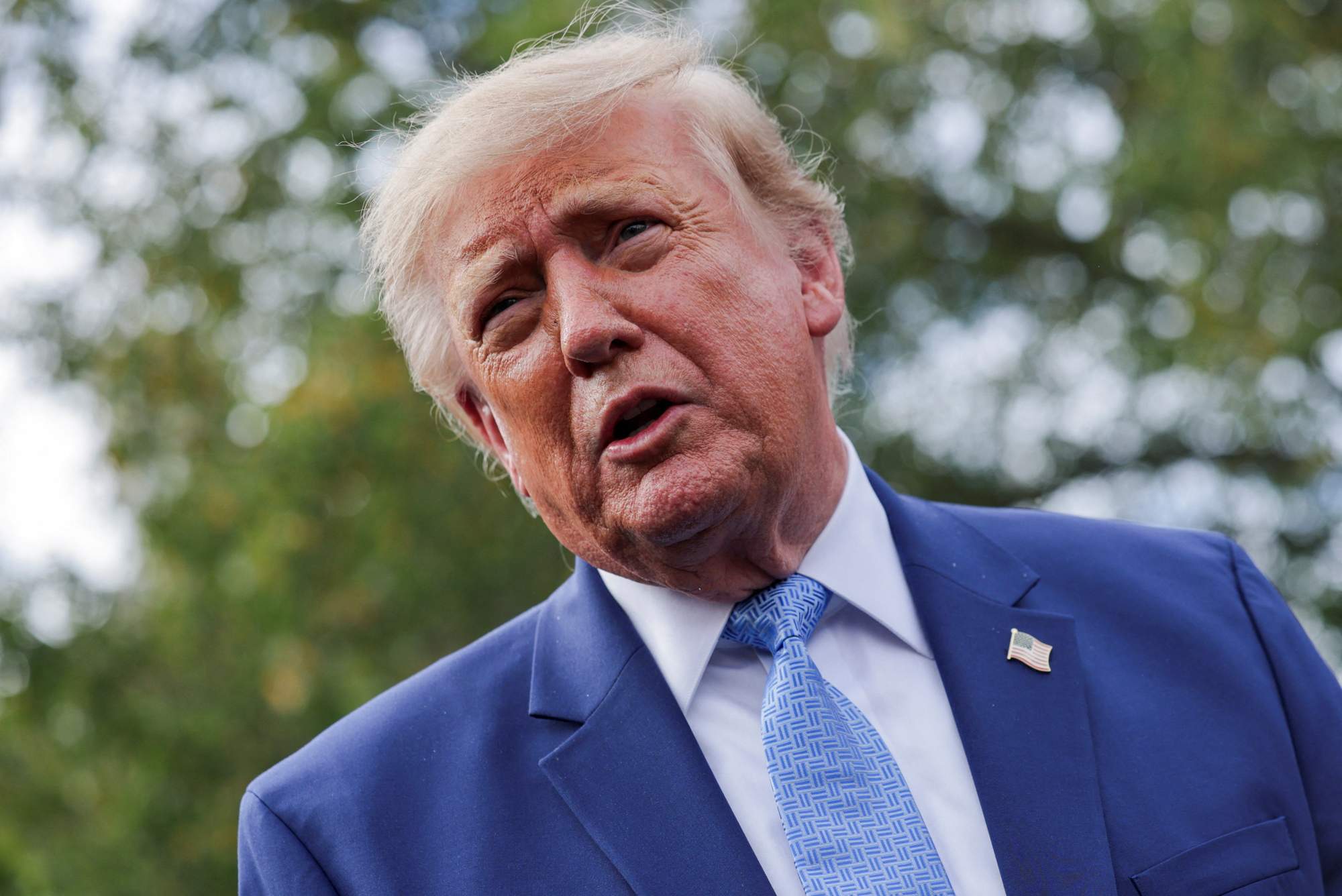
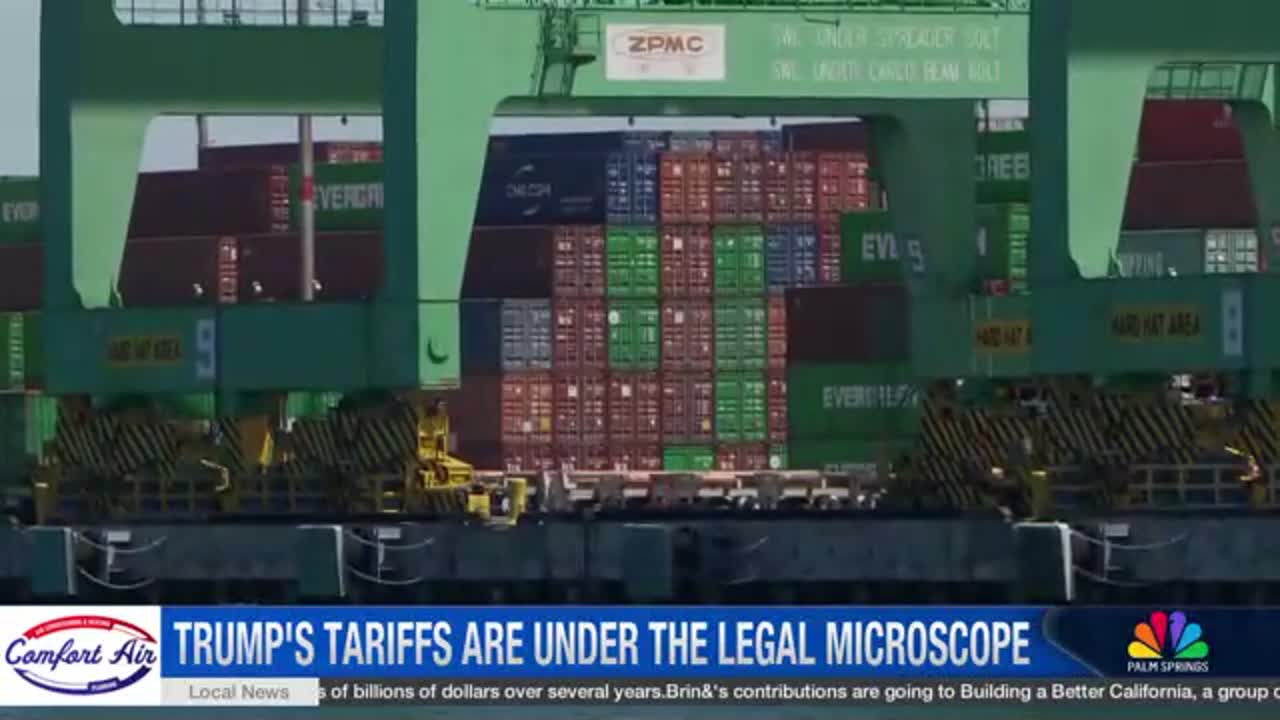
The Trump administration faces its third major tariff legal challenge in less than two years, creating predictable 30-60 day windows where sellers can restructure supply chains before duties take effect. The US Court of International Trade heard arguments on September 30, 2024 (News 4) and again in September 2026 (News 2) challenging tariffs imposed in July 2024 on goods from 80 countries at 10-12.5% rates, justified under forced labor provisions. The Liberty Justice Center—which previously won a landmark Supreme Court tariff case—argues the administration improperly used Section 301 trade law to impose predetermined global tariffs without country-specific investigations (News 2). Four small businesses and 25 Democratic-led states filed parallel lawsuits claiming the administration applied tariffs "at breakneck speed" without satisfying statutory requirements (News 4). This represents an established pattern: News 1 documents Trump's third major tariff challenge in less than two years, while News 5 describes a "rinse and repeat" cycle where tariff announcements trigger immediate court filings creating temporary stays.
For cross-border e-commerce sellers, this litigation pattern creates concrete operational advantages. The Supreme Court's February 2024 ruling striking down Trump's emergency economic powers (News 4) signals judicial skepticism toward broad tariff authority. Previous invalidated 10% tariffs triggered $168 billion in refunds for importers (News 2), indicating courts may reverse current duties. News 5 documents that courts have "previously blocked or delayed tariff implementations when plaintiffs demonstrated likelihood of success on procedural grounds," with preliminary injunction decisions typically occurring within 30-60 days of filing. This creates a predictable timeline: sellers importing from affected nations (China, India, Japan, EU) can exploit the litigation window to lock in lower-cost sourcing before duties potentially take effect permanently. Sellers in apparel, electronics, and home goods categories—represented by the American Apparel & Footwear Association filing amicus briefs (News 5)—face the most immediate impact from 10-12.5% tariff exposure.
The strategic opportunity window is immediate but time-bound. News 2 indicates rulings "could take weeks or months," with appeals potentially extending to the Supreme Court. However, News 5 warns that "by the time litigation concludes, Trump may have already enacted additional duties," creating a layering effect where new tariffs stack on contested ones. Sellers should immediately audit inventory sourcing by country-of-origin: goods from China, India, Japan, and EU face 10-12.5% duties that may be reversed, while Canadian goods face 50% duties under separate Great Depression-era trade law authority (News 2). The forced labor framework used to justify tariffs has been "a cornerstone of US trade policy for decades" (News 3), suggesting courts may uphold duties if the administration provides detailed country-by-country justifications—which it failed to do initially (News 4). Sellers importing 500+ units monthly should consider temporary sourcing shifts to Vietnam, Thailand, or Mexico during the litigation window, then revert if tariffs are invalidated. This arbitrage strategy works because tariff uncertainty creates temporary price dislocations: suppliers in tariff-affected countries will discount heavily to maintain volume during litigation, while tariff-exempt suppliers command premiums.
Questions 8
When should sellers expect final court rulings on current tariff litigation?
News 4 indicates the court is 'expected to issue a written ruling within weeks,' but News 2 warns that 'a ruling could take weeks or months, with either side able to appeal to the US Court of Appeals for the Federal Circuit, potentially extending the legal battle to the Supreme Court.' This suggests preliminary injunction decisions within 30-60 days (News 5), but final rulings could extend 4-12 weeks or longer with appeals. News 2 cautions that 'by the time litigation concludes, Trump may have already enacted additional duties, creating ongoing uncertainty for importers and sellers managing cross-border operations.' Sellers should plan for extended uncertainty: maintain flexible sourcing, avoid long-term commitments to tariff-affected suppliers, and monitor court dockets weekly for preliminary injunction decisions that signal litigation momentum and potential tariff reversal timing.
What procedural violations are courts examining in current tariff litigation?
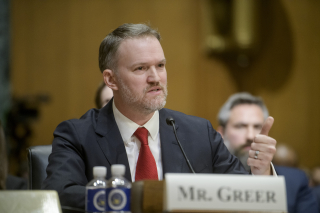
Courts are examining whether the Trump administration conducted required country-specific forced labor investigations before imposing tariffs (News 4). Attorney Pratik Shah argued the administration applied tariffs 'at breakneck speed' without satisfying legal constraints, noting that during Trump's first term, the US Trade Representative produced detailed country-by-country reports (News 4). News 3 indicates courts questioned whether US Trade Representative Jamieson Greer properly followed congressional frameworks established decades ago. The Liberty Justice Center argues the administration improperly used Section 301 trade law to preserve a predetermined global tariff policy rather than conducting individualized assessments (News 2). These procedural violations mirror those that triggered the $168 billion in prior refunds, suggesting courts may invalidate current tariffs if the administration cannot demonstrate adequate investigation.