



U.S. Diesel Export Ban Threat | Shipping Cost Crisis for Cross-Border Sellers
- Potential diesel export restrictions could increase logistics costs 15-25% for sellers; immediate impact on FBA fulfillment and 3PL operations across US, EU, and Latin America markets





Overview
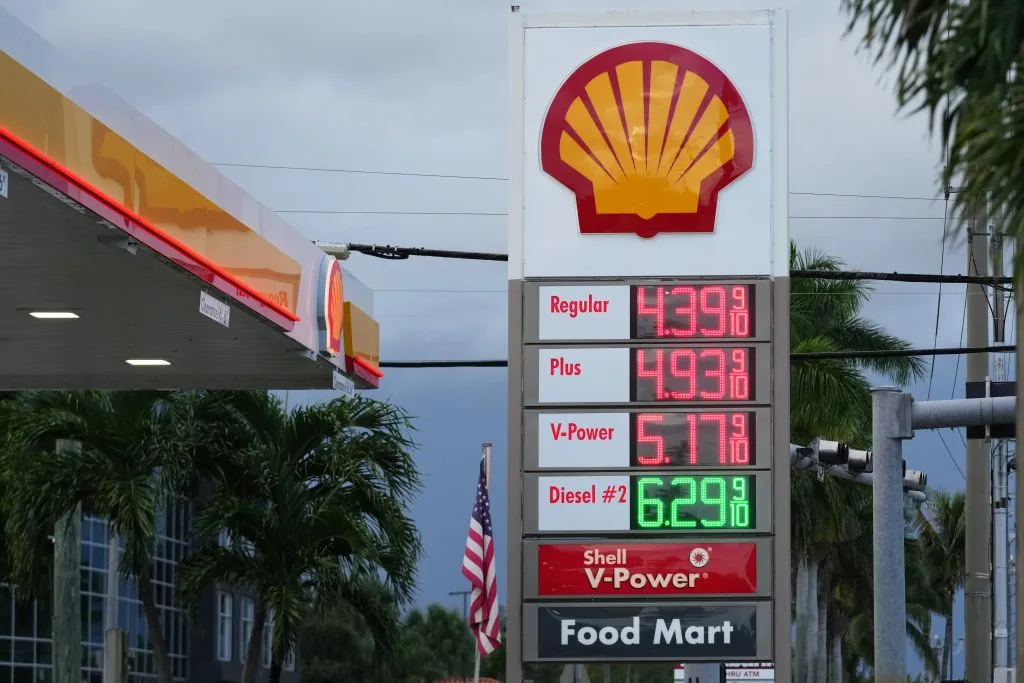
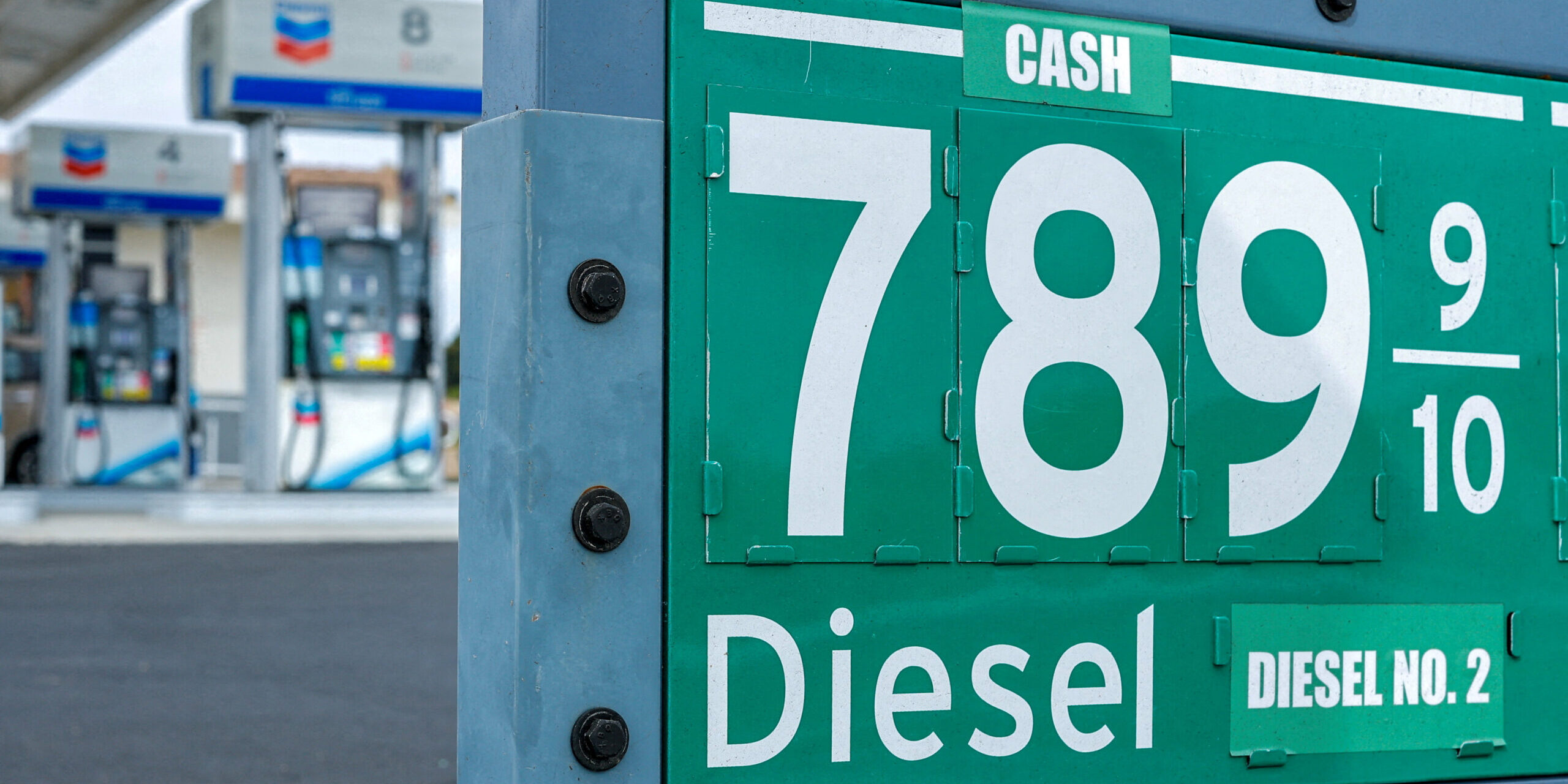
The Trump administration is actively evaluating a potential diesel export ban to address record fuel prices affecting the November midterm elections, according to leaked White House discussions reported by Financial Times and Daily Beast. This policy decision—currently unresolved but seriously considered—represents the most consequential near-term energy policy question for cross-border e-commerce sellers, as identified by Rystad Energy Chief Economist Claudio Galimberti. The fuel crisis stems from Trump's Iran policy and Strait of Hormuz closure, creating record diesel prices across the United States and threatening Republican electoral prospects.
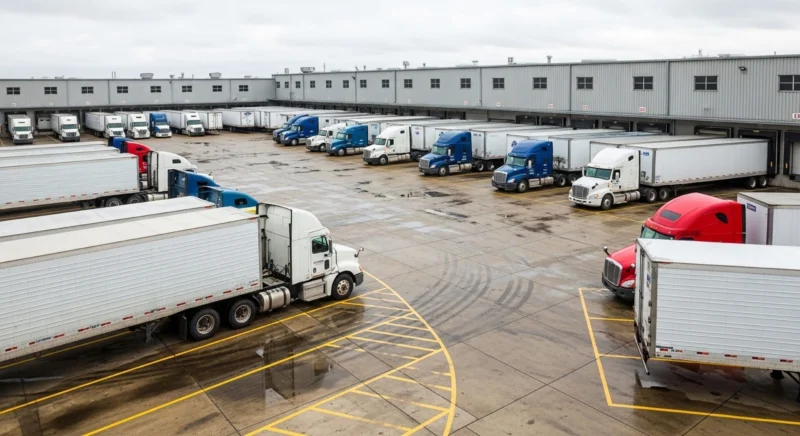
For e-commerce sellers, a formal diesel export ban would create a two-tier logistics cost structure. Domestically, U.S. sellers using FBA fulfillment and 3PL providers face immediate cost pressures: diesel comprises 20-30% of last-mile delivery expenses, and a ban would sharply increase gasoline and jet fuel prices as refiners reduce operations to preserve domestic diesel supplies. Energy Secretary Chris Wright warns that export restrictions would "tighten gasoline and jet fuel supplies, ultimately damaging Gulf Coast refining economics." This translates to 15-25% cost increases for sellers shipping via Amazon FBA, UPS, FedEx, and regional 3PL networks within 60-90 days of policy implementation. Small and medium sellers (1,000-10,000 units monthly) face margin compression of 8-12%, while large sellers can absorb costs through scale but lose competitive advantage against international competitors.
Internationally, the ban creates arbitrage opportunities and competitive shifts. A formal ban would "sharply increase diesel prices in Europe and Latin America," according to market analysis, while U.S. sellers gain cost advantages in domestic markets. EU-based sellers and Latin American importers face 20-30% cost increases for inbound logistics, creating a 6-12 month window where U.S.-based sellers can undercut international competitors on Amazon EU, Amazon Mexico, and regional marketplaces. However, this advantage is temporary: over 30 U.S. business and energy groups—including American Fuel & Petrochemical Manufacturers and American Petroleum Institute—are actively lobbying Trump to reject restrictions, citing their role in "strengthening the U.S. energy industry." The policy outcome remains uncertain due to internal White House disagreement, with sources indicating Trump could "suddenly impose a ban despite internal disagreement."
The timing window is critical: immediate to 4 weeks. The WTI-Brent spread has widened to $12-14 per barrel (largest since early May), with market pricing indicating "expectations for material cuts to U.S. refinery runs." Sellers must monitor daily policy announcements and prepare contingency logistics strategies. The administration is exploring "less disruptive alternatives, including voluntary refiner export reductions and expanded tax-exempt dyed diesel programs," which could delay or prevent a formal ban. Sellers should lock in shipping contracts before any policy announcement, diversify 3PL providers to hedge against regional cost spikes, and consider temporary inventory repositioning to EU and Latin America warehouses to avoid inbound logistics cost increases.
Questions 7
How should sellers prepare for potential diesel export restrictions?
Sellers should immediately: (1) Lock in shipping contracts with 3PL providers and carriers before any policy announcement to secure current rates; (2) Diversify logistics providers across regions to hedge against localized cost spikes; (3) Consider temporary inventory repositioning to EU and Latin America warehouses to avoid inbound logistics cost increases; (4) Monitor daily policy announcements from White House and Energy Department; (5) Review FBA fee structures and adjust pricing strategies to maintain margins. The WTI-Brent spread widening to $12-14 per barrel indicates market expectations for material refinery cuts, making proactive logistics planning essential within the next 2-4 weeks.
What is the timeline for the diesel export ban decision and its impact on sellers?
The policy decision is imminent but unresolved, with sources indicating Trump could 'suddenly impose a ban despite internal disagreement.' The White House confirmed 'no final policy decision has been made,' but the administration is 'seriously considering an export ban' ahead of November midterm elections. Sellers face an immediate to 4-week window to prepare contingency logistics strategies. If implemented, cost impacts would materialize within 60-90 days as refiners adjust operations. The administration is exploring 'less disruptive alternatives, including voluntary refiner export reductions and expanded tax-exempt dyed diesel programs,' which could delay or prevent a formal ban.