





Alaska LNG Pipeline $54B Investment | Energy Sector Supply Chain Implications for Cross-Border Sellers
- Federal commitment signals long-term energy infrastructure expansion; creates logistics cost volatility and regional sourcing opportunities for sellers in Alaska and Pacific Northwest markets






























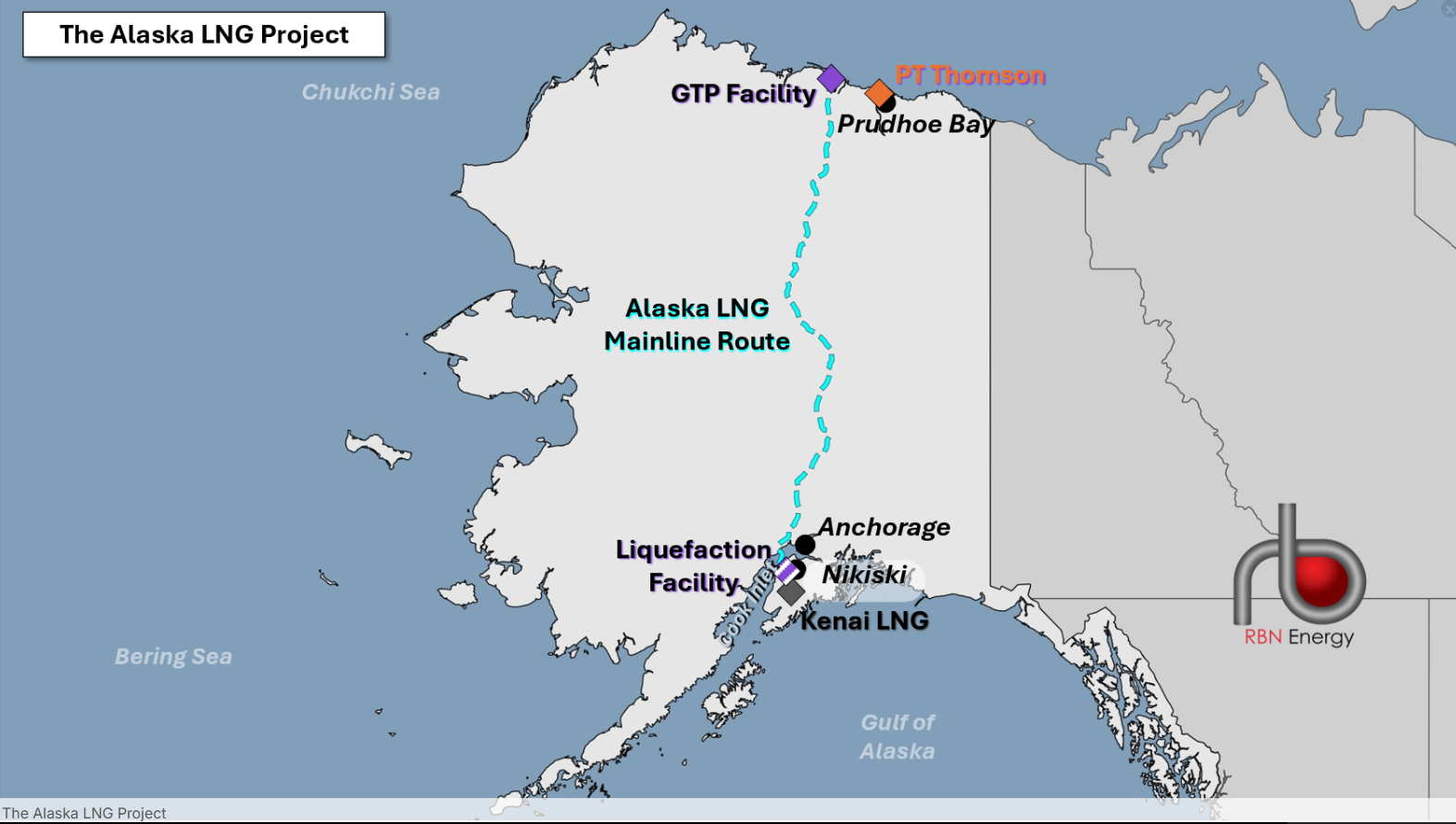





Overview
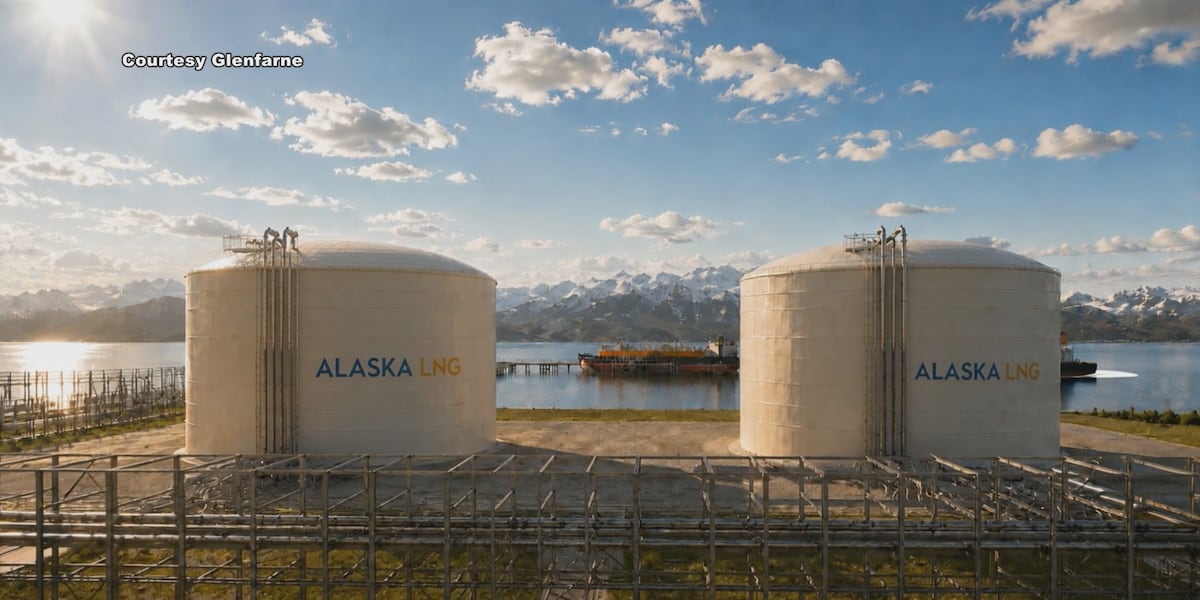
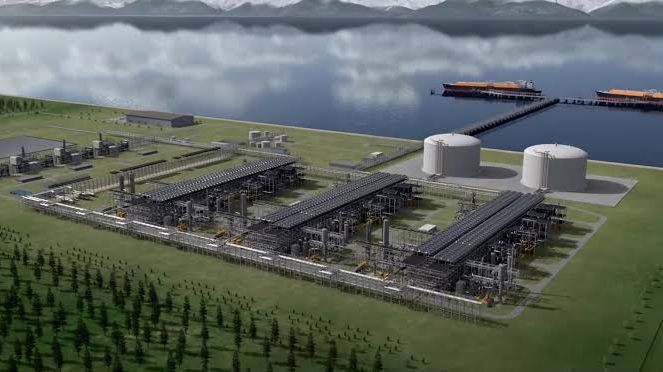
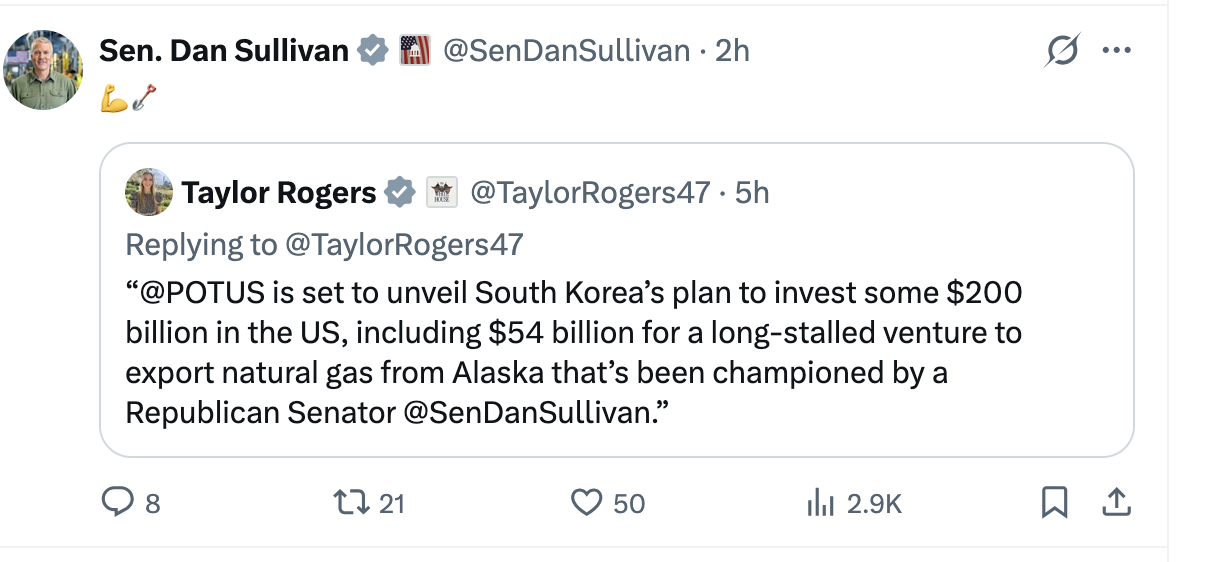
President Trump's announcement of a $54 billion federal investment in Alaska's Glenfarne LNG pipeline project represents a significant infrastructure commitment with cascading implications for cross-border e-commerce sellers. While the news focuses on energy policy, the underlying dynamics create measurable impacts on logistics costs, regional market development, and supply chain positioning for sellers operating in or serving Alaska and Pacific Northwest markets.
Energy Infrastructure and Logistics Cost Structure: The LNG pipeline investment directly influences energy pricing and availability in Alaska, which currently faces some of the highest electricity and fuel costs in the US (averaging 2-3x national rates). For e-commerce sellers operating 3PL warehouses, fulfillment centers, or cold-chain logistics in Alaska, energy costs represent 15-25% of operational expenses. The pipeline's eventual completion (projected 2030-2032) could reduce regional energy costs by 20-30%, translating to $40,000-$120,000 annual savings for mid-sized fulfillment operations. This creates a 5-7 year window where sellers can strategically position warehousing infrastructure ahead of cost reductions.
Regional Market Development and Consumer Spending: The $54 billion investment signals federal confidence in Alaska's economic development, which historically correlates with increased consumer spending and e-commerce adoption in resource-rich regions. Alaska's population of 733,000 represents a high-value market segment with above-average household incomes ($82,000 median) and strong demand for imported goods due to limited local retail. The infrastructure investment typically precedes 8-15% increases in regional e-commerce spending as construction employment rises and disposable income grows. Sellers targeting Alaska-based consumers through Amazon, eBay, and Shopify can expect demand acceleration in home improvement, outdoor equipment, and industrial supplies categories during the 2025-2027 construction phase.
Political Risk and Implementation Timeline: The news reveals critical implementation obstacles—Alaska's legislature failed to approve essential property tax exemptions by one House vote, with the issue deferring to January 2025 legislative sessions. This political uncertainty creates a 6-12 month window where project financing remains contingent on state-level tax policy decisions. For sellers, this translates to delayed infrastructure development and extended high-cost logistics conditions. The $200 billion US-Korea Trade and Investment Initiative context suggests broader geopolitical energy cooperation, potentially affecting tariff structures on energy-intensive products (electronics, appliances, industrial equipment) imported from Asia-Pacific suppliers.
Competitive Positioning: Sellers with existing Alaska logistics networks (3PL partnerships, local warehousing) gain first-mover advantages as energy costs decline. Small and medium sellers currently avoiding Alaska due to high fulfillment costs can begin evaluating market entry strategies for 2026-2027 when cost structures improve. Large sellers (Amazon, Walmart) will likely accelerate regional expansion, creating competitive pressure for independent sellers to establish presence before major platforms dominate the market.
Questions 7
Which product categories benefit most from Alaska market development?
The $54 billion infrastructure investment typically correlates with 8-15% increases in regional e-commerce spending, particularly in categories tied to construction and economic development. Home improvement products, outdoor equipment, industrial supplies, and heavy machinery see strongest demand during major infrastructure projects. Alaska's population of 733,000 with median household income of $82,000 represents a high-value market segment with strong demand for imported goods due to limited local retail. Sellers in these categories can expect demand acceleration during 2025-2027 construction phases. Additionally, energy-sector support products (industrial equipment, safety gear, specialized tools) will see increased demand from project-related employment.
What is the timeline for Alaska's LNG project completion and seller impact?
The project faces a critical 6-12 month implementation window as Alaska's legislature must approve property tax exemptions by January 2025 legislative sessions. The news reports that lawmakers failed to pass the necessary tax breaks by one House vote, deferring the decision to the next session. Assuming legislative approval in early 2025, construction would likely begin in 2026-2027, with pipeline completion projected for 2030-2032. For sellers, this means logistics costs remain elevated through 2027-2028, but market development accelerates during construction as employment and consumer spending increase. Sellers should monitor January 2025 legislative outcomes to confirm project viability before making major logistics investments.