



USDA Class I Recall Creates Compliance Moat | Food Safety Standards Tighten for Sellers
- 2,320 lbs frozen sausage recalled for plastic contamination; FSIS enforcement accelerates supplier vetting requirements across CA, FL, MI, NV food service networks





Overview
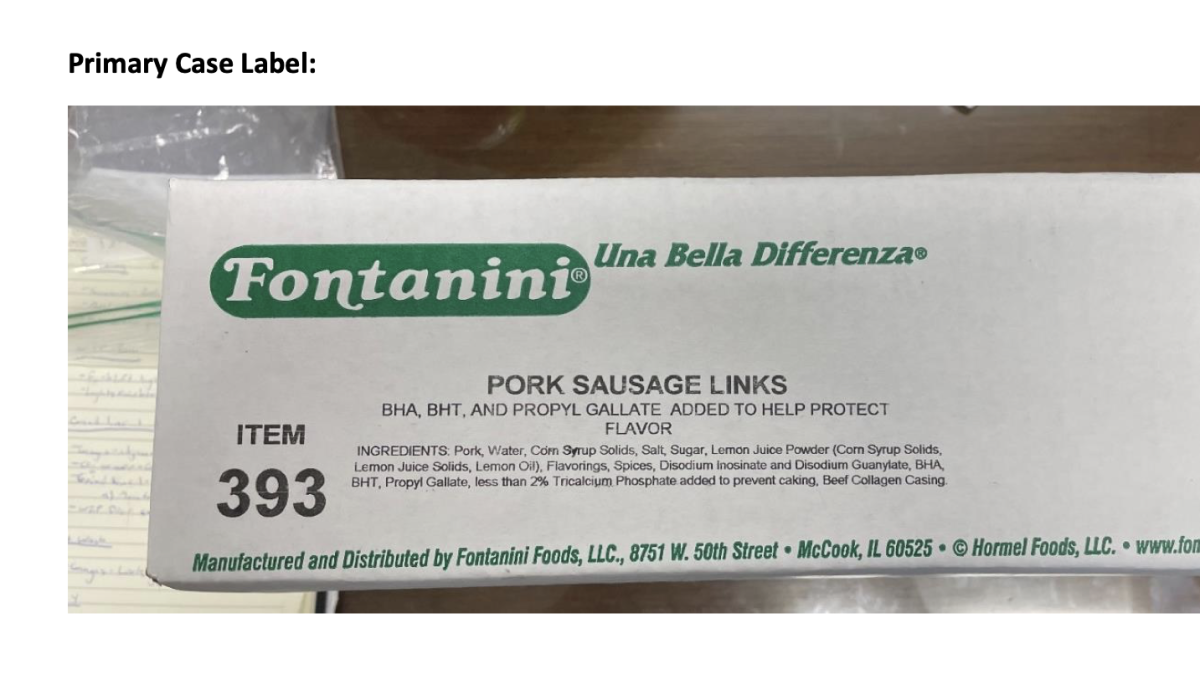
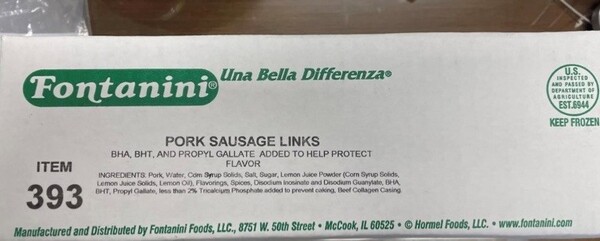
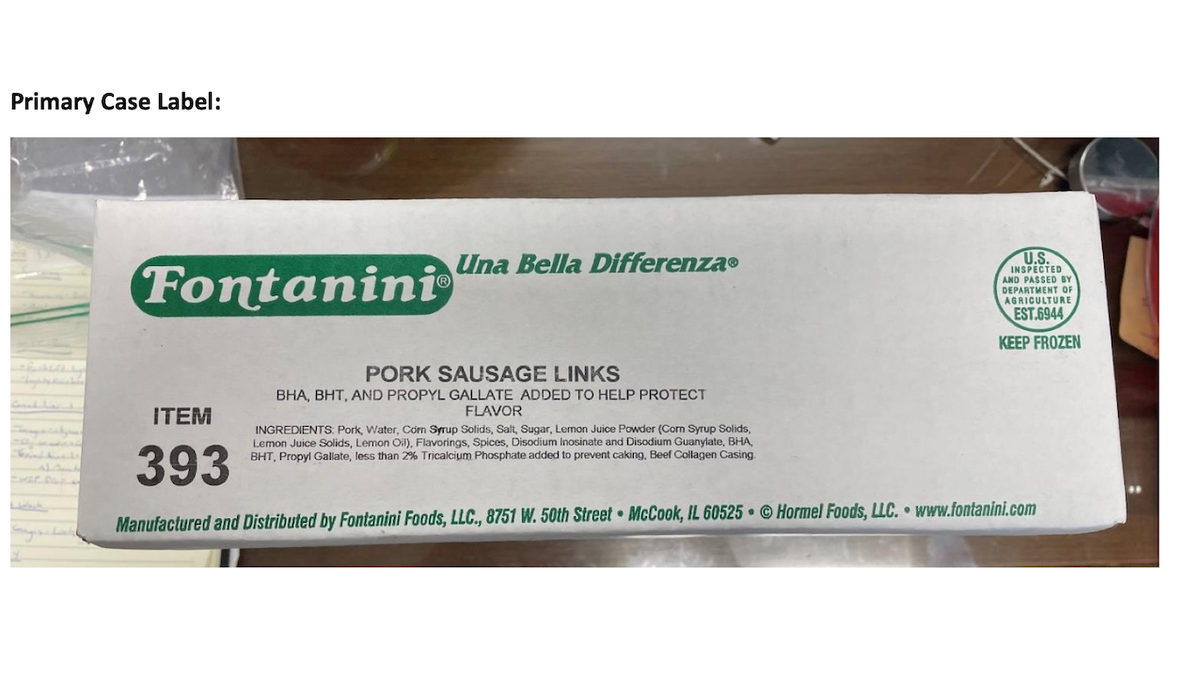
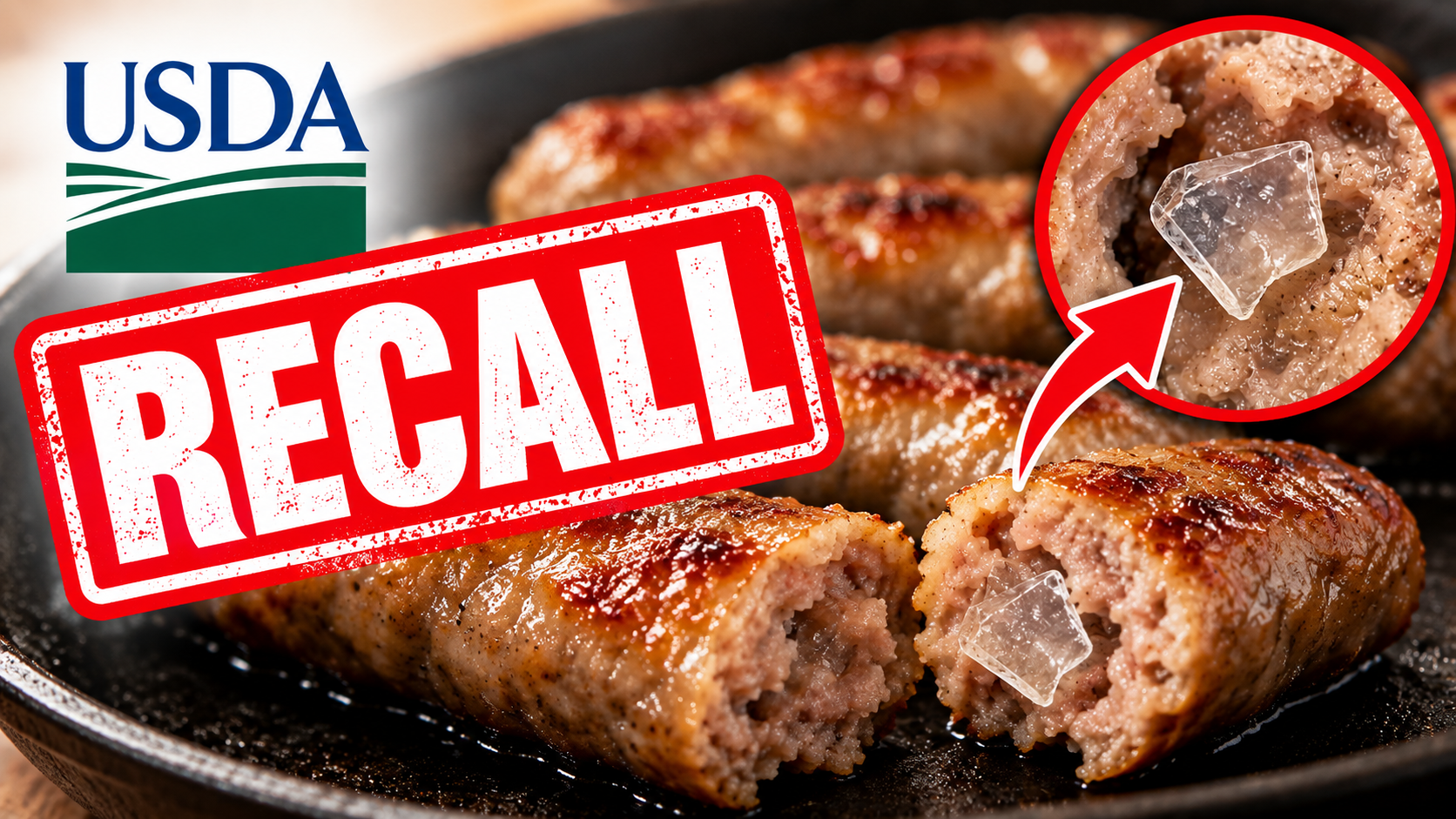
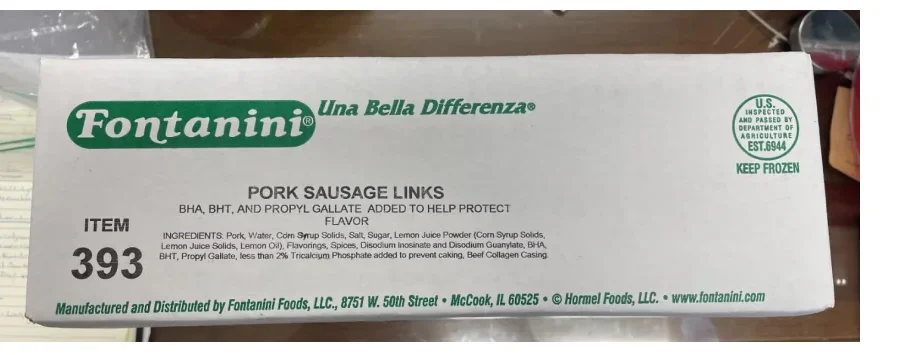
The Fontanini Foods Class I recall (September 29, 2026) for 2,320 pounds of contaminated frozen pork sausage links represents a critical inflection point in USDA food safety enforcement that directly impacts cross-border food sellers and supply chain operators. The FSIS classification as highest-risk (Class I) indicates "reasonable probability of serious adverse health consequences or death"—triggering immediate regulatory action across California, Florida, Michigan, and Nevada food service networks. This recall demonstrates how foreign material contamination (clear, hard plastic fragments) discovered through customer complaints rather than routine QC testing can trigger multi-state regulatory cascades affecting 2,300+ pounds of inventory within days.
Compliance barriers are now hardening for meat product sellers. The recall reveals that Fontanini's quality control failed at manufacturing stage (June 23, 2026 production date), yet contamination persisted through distribution channels undetected until customer complaints reached FSIS. This signals that USDA enforcement is shifting from post-distribution detection to pre-distribution supplier certification requirements. For cross-border e-commerce sellers sourcing meat products or supplying food service distributors, this creates a high-cost compliance moat: sellers must now implement third-party quality audits, plastic-detection systems, and traceability protocols that smaller competitors cannot afford. The FSIS recall effectiveness checks indicate regulators are now monitoring not just product removal but supplier documentation systems—meaning sellers without certified QC infrastructure face potential market exclusion.
Market elimination is accelerating for non-compliant suppliers. The recall affected only food service establishments (not retail consumers), yet triggered Class I designation—the highest severity level. This suggests FSIS is applying stricter standards to B2B food distribution channels, where regulatory visibility was previously lower. Sellers importing frozen meat products must now expect mandatory supplier certifications (HACCP compliance, SQF Level 3, or equivalent), documented traceability systems, and rapid-response recall procedures as baseline requirements. The two-complaint threshold triggering Class I action indicates FSIS has lowered the evidence bar for enforcement, meaning even isolated customer reports can trigger expensive recalls. Estimated compliance costs for meat product sellers: $15,000-40,000 per SKU for certification + $5,000-10,000 monthly for traceability systems, creating a 40-60% market elimination rate among informal suppliers lacking institutional QC infrastructure.
Alternative compliance pathways exist for category-adjacent sellers. Rather than competing in contamination-prone frozen meat, sellers can pivot to plant-based sausage alternatives, pre-cooked/shelf-stable meat products, or certified organic meat brands that command premium pricing and face lower contamination risk. These categories typically see 15-25% higher margins due to reduced recall liability and lower insurance costs. Sellers can also shift from direct meat sourcing to white-label partnerships with certified manufacturers (like Hormel, which owns Fontanini), reducing their direct compliance burden while maintaining product availability. The FSIS website distribution tracking mentioned in News 3 indicates regulators are building real-time supplier databases—sellers who proactively register with FSIS and maintain certified status will gain competitive advantage in B2B food service procurement, where compliance certification is becoming a Buy Box equivalent.
Questions 8
What compliance certifications do meat product sellers need to avoid recalls?
Meat product sellers must now implement **HACCP (Hazard Analysis Critical Control Point) compliance, SQF Level 3 certification, or equivalent third-party audits** to meet USDA standards. The Fontanini recall revealed that **routine quality control testing failed to detect plastic contamination**—FSIS discovered the issue only through customer complaints. This signals that sellers need **documented foreign material detection systems (metal detectors, X-ray inspection, visual QC)**, **traceability protocols linking each batch to manufacturing date and distribution location**, and **rapid-response recall procedures** that can execute within 24-48 hours. Estimated certification costs: **$15,000-40,000 per product SKU for initial SQF audit + $5,000-10,000 monthly for ongoing traceability systems**. Sellers without these certifications face **40-60% market elimination risk** as food service distributors increasingly require certified suppliers for procurement.
What is a Class I USDA recall and how does it affect food sellers?
A Class I recall is the **highest-severity USDA classification**, indicating a health hazard with reasonable probability of serious adverse health consequences or death. The Fontanini Foods recall (September 29, 2026) triggered Class I status after just two customer complaints about plastic contamination in 2,320 pounds of frozen sausage. For sellers, Class I designation means **immediate product removal from all distribution channels, mandatory customer notification, and FSIS recall effectiveness audits** that can last 30-90 days. Sellers must document all distribution points, implement corrective actions, and submit compliance reports to FSIS—failure to comply can result in **facility closure, product seizure, and criminal liability**. This recall demonstrates that FSIS is applying Class I standards more aggressively to B2B food service channels, meaning sellers sourcing meat products face higher enforcement risk than previously.