




AI Personal Agents Market Explodes | E-Commerce Automation Opportunity for Sellers
- OpenAI Dots ($100+/month) vs Meta Muse ($20/month) competition drives $2B+ agent market; sellers can automate customer service, product research, and pricing 8-12 hours/week immediately


Overview
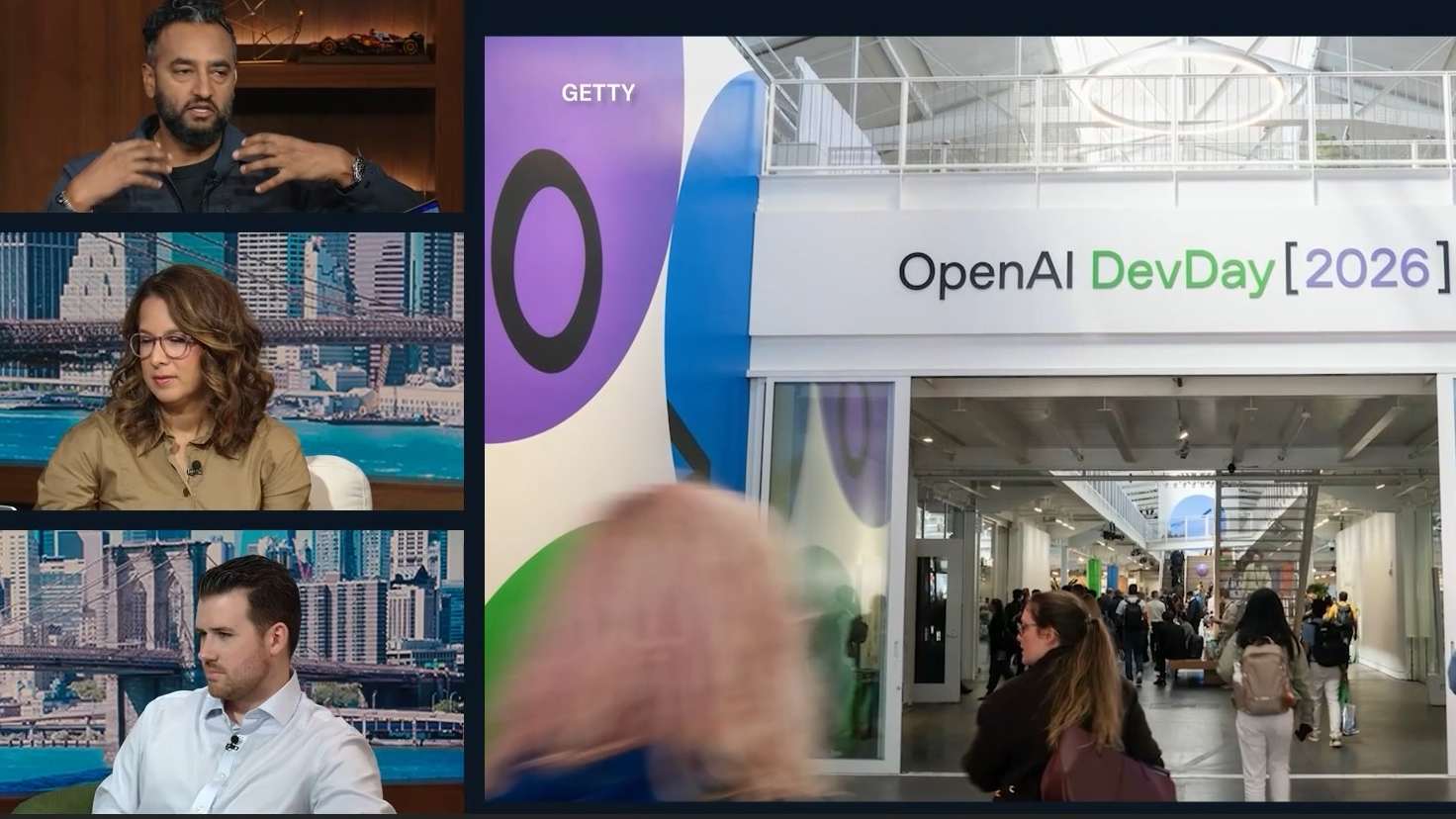
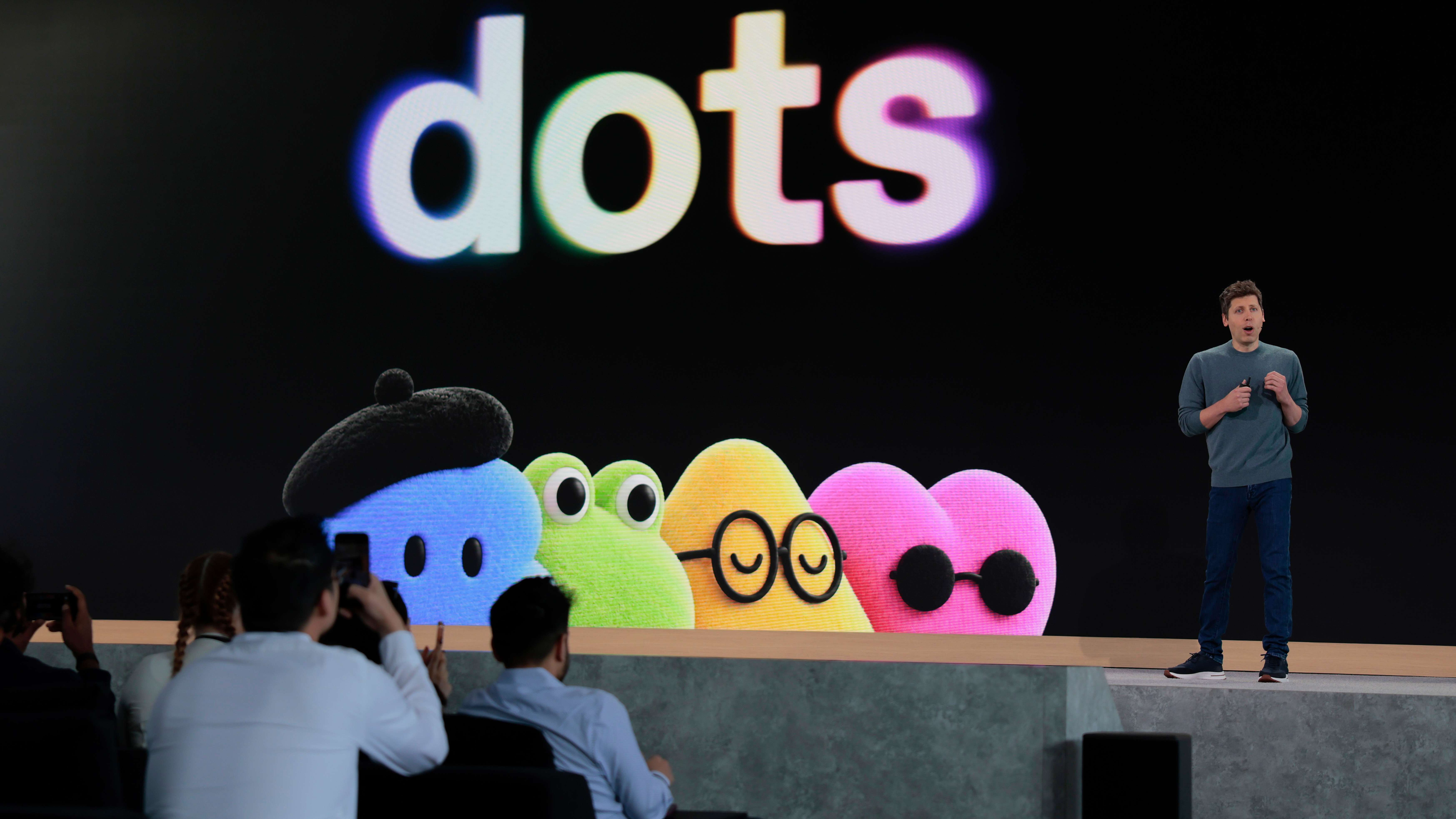
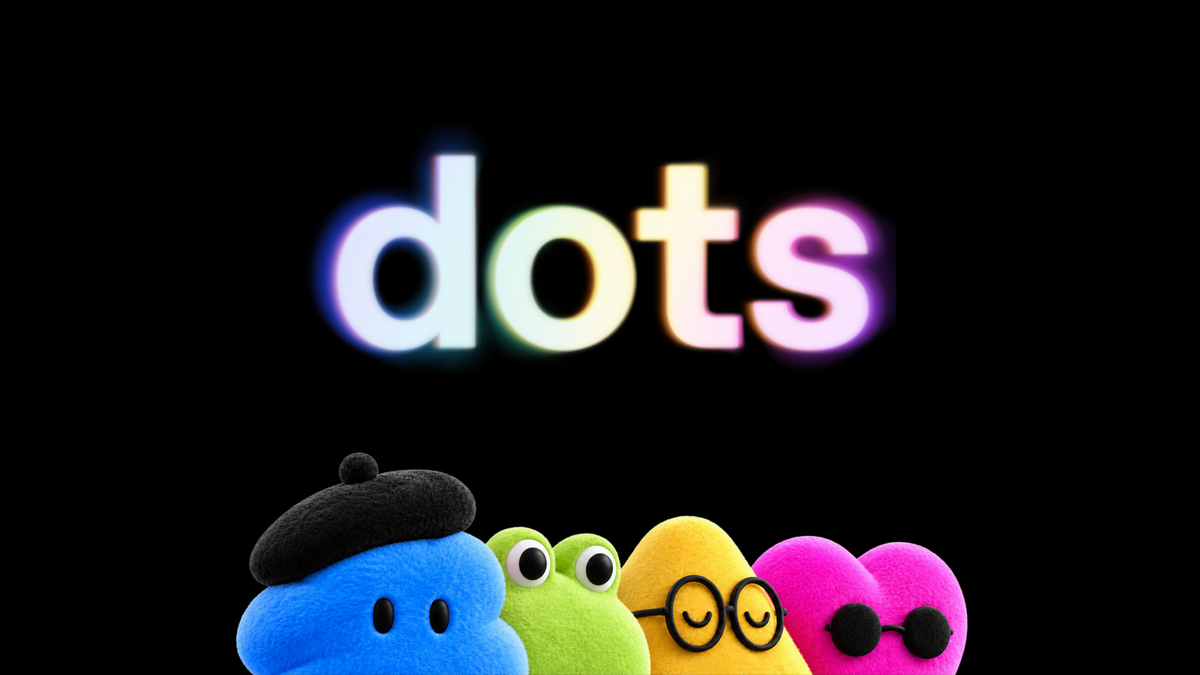
The personal AI agent market has entered explosive growth phase with OpenAI's September 29, 2026 launch of Dots directly challenging Meta's Muse, which accumulated millions of downloads in just three weeks. This convergence—including Google's Gemini Sparkgemini and Apple's enhanced Siri—signals a fundamental shift in how consumers interact with digital services, creating immediate automation opportunities for e-commerce sellers. The pricing divergence is critical: OpenAI's $100+ monthly Pro plan targets premium users, while Meta's freemium model ($20/month after free tier) pursues mass adoption. This dual-track strategy mirrors successful SaaS adoption patterns and indicates the market is bifurcating into premium and accessible segments.
For e-commerce sellers, this represents an immediate automation win. Personal AI agents excel at repetitive tasks that currently consume 8-12 hours weekly: customer service automation (responding to FAQs, order status inquiries, returns processing), product research (analyzing competitor pricing, identifying trending categories, monitoring inventory levels), and dynamic pricing optimization (adjusting prices based on demand signals, competitor moves, and inventory depth). Sellers using Meta's Muse or OpenAI's Dots can now delegate these tasks to AI agents integrated with their Shopify, Amazon Seller Central, or eBay dashboards. The freemium model ($20/month) makes adoption accessible to small sellers (1-50 SKUs), while the $100+ tier enables enterprise sellers to build custom agent workflows for complex operations.
The competitive intelligence angle is equally powerful. AI agents can monitor competitor pricing across Amazon, eBay, and Shopify in real-time, identify emerging product trends 2-3 weeks before they peak, and analyze customer sentiment across reviews and social media to predict demand shifts. Sellers adopting these agents now gain 6-12 month competitive advantage before tools become commoditized. The venture funding surge—Instinct raising $1B at $10B valuation, Town targeting $1B—indicates specialized agent platforms for e-commerce are imminent. Early adopters will benefit from first-mover advantage in integrating agents with their fulfillment workflows.
Critical adoption barrier: user habit formation. Despite Muse's millions of downloads, actual active usage rates remain unclear, suggesting the market is still in early adoption phase. Thomas Randall (Info-Tech Research Group) notes success depends on "ease of adoption, integration connectivity, and hardest to leave"—exactly the criteria that determine whether sellers will maintain agent usage. This creates a 3-6 month window where sellers can experiment with agents at minimal cost ($20-100/month) before the market consolidates around 2-3 dominant platforms. Sellers who build workflows and integrate agents into their daily operations now will face switching costs that lock in their platform choice.
Questions 7
How does the personal AI agent market affect e-commerce platform strategies?
The surge in personal AI agents (Meta Muse, OpenAI Dots, Google Gemini Sparkgemini, Apple Siri) signals that platforms are shifting from transaction-focused to task-completion-focused models. This benefits sellers who integrate agents into their operations but threatens sellers who rely on platform-provided tools. Amazon, Shopify, and eBay will likely launch native agent integrations within 6-12 months to compete. Sellers should prioritize integrations with third-party agents (Muse, Dots) now before platforms lock in proprietary solutions. The venture funding surge ($2B+ in agent startups) indicates specialized e-commerce agents are coming—sellers who adopt general-purpose agents now will transition to specialized tools later, maintaining competitive advantage throughout the adoption curve.
When should sellers start experimenting with personal AI agents?
Immediately. The market is in early adoption phase (September 2026), and the 3-6 month window before consolidation offers maximum competitive advantage. Meta Muse's $20/month freemium tier makes experimentation low-risk for small sellers. Start with one use case: customer service automation (FAQ responses, order status inquiries) or product research (competitor pricing monitoring). Measure time savings and ROI over 4-6 weeks. If successful, expand to dynamic pricing or inventory management. Sellers who build workflows and integrate agents into daily operations now will face switching costs that lock in their platform choice—creating a durable competitive moat. Waiting 6+ months risks missing the adoption window when agents become commoditized and competitive advantage disappears.