




US Strategic Oil Reserve Depletion Drives Energy Cost Surge | Cross-Border Logistics Impact 2025
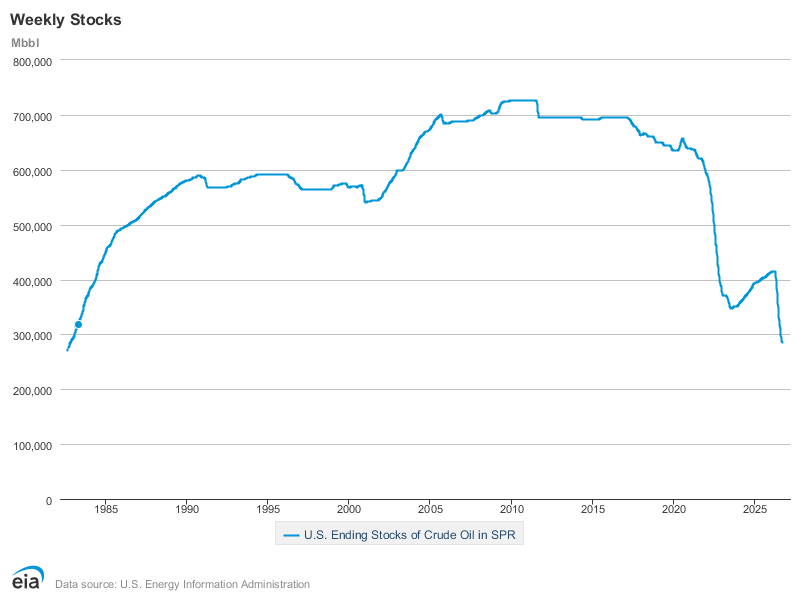
- SPR at 44-year low (283.8M barrels) triggers 8-15% shipping cost increases for sellers; Venezuela sourcing creates tariff arbitrage opportunities in energy-intensive categories



































Overview
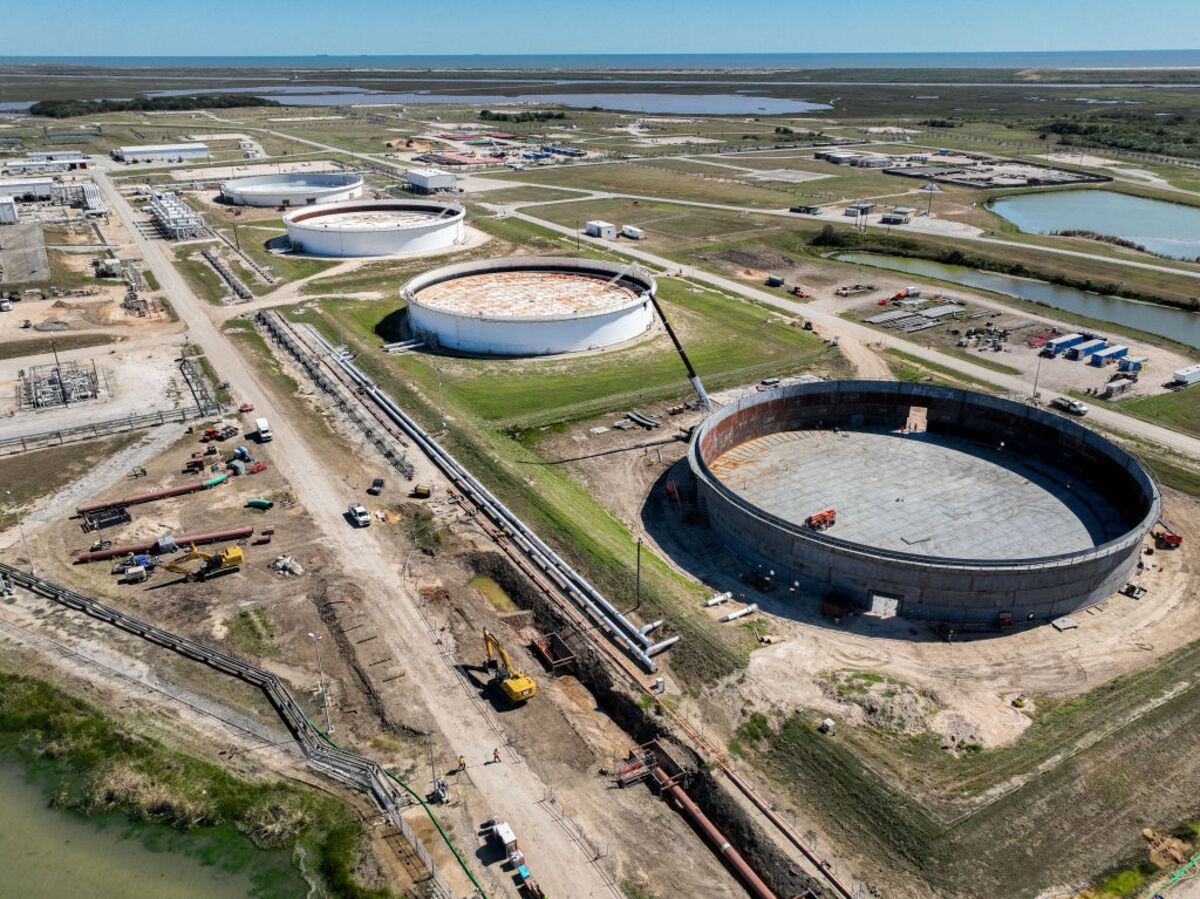
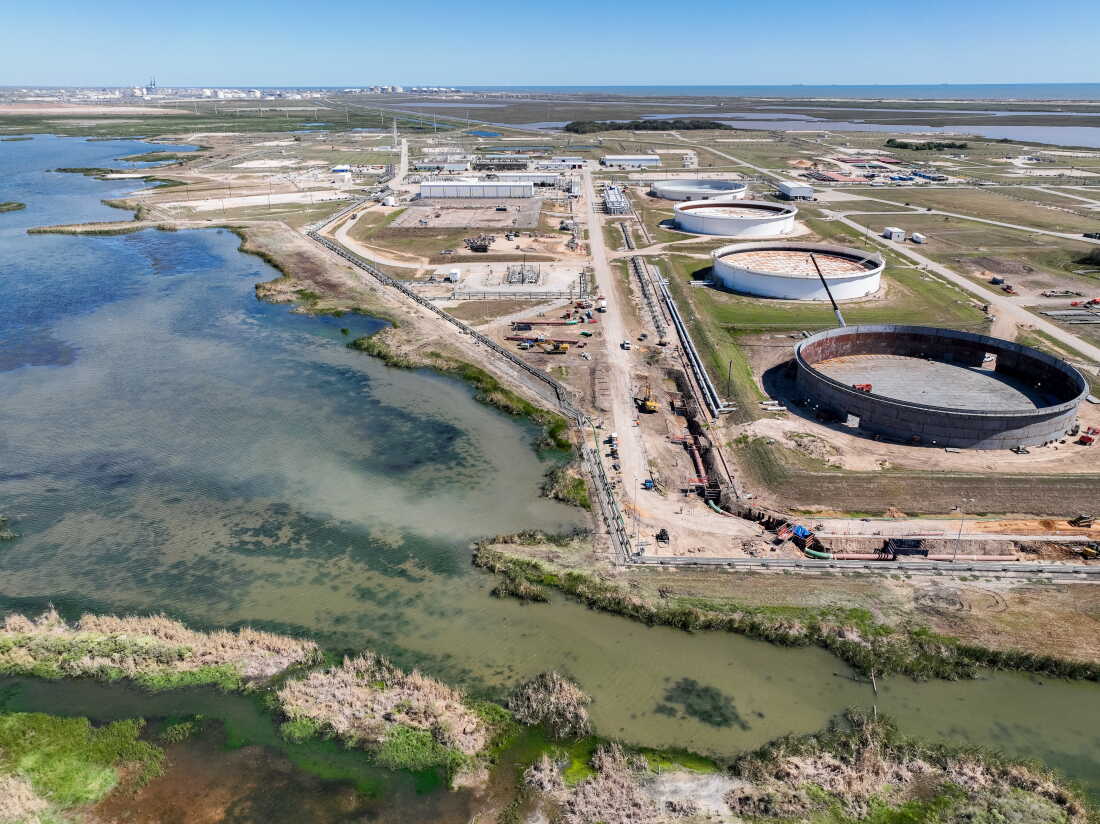
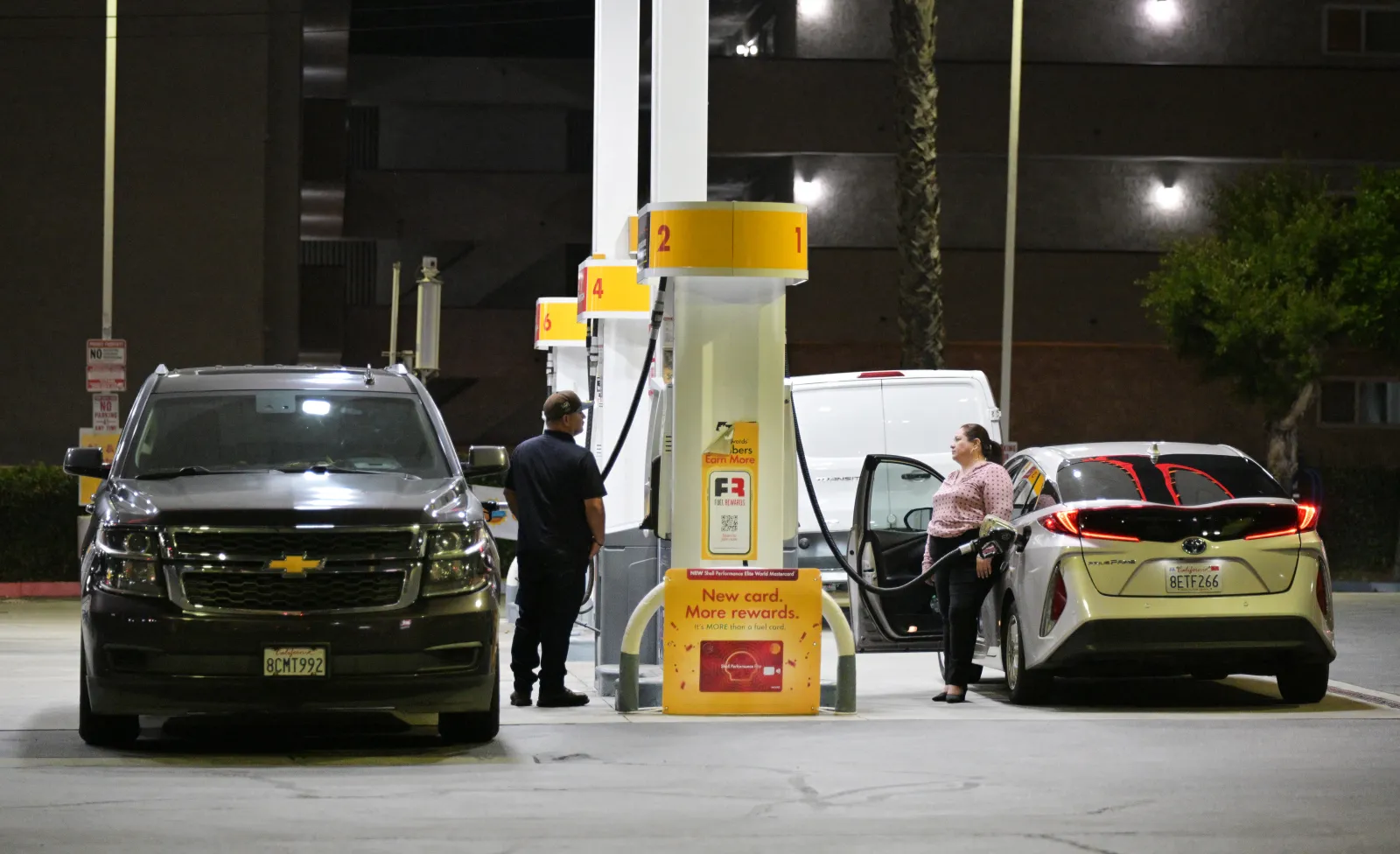
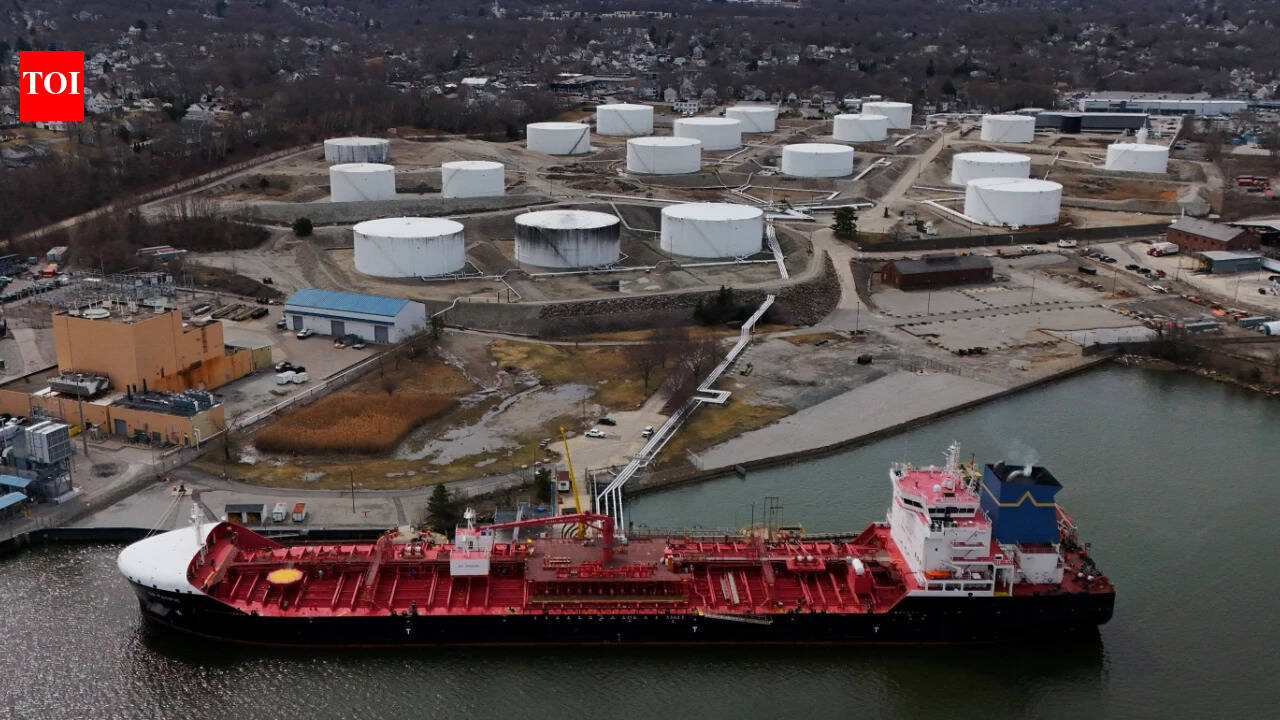
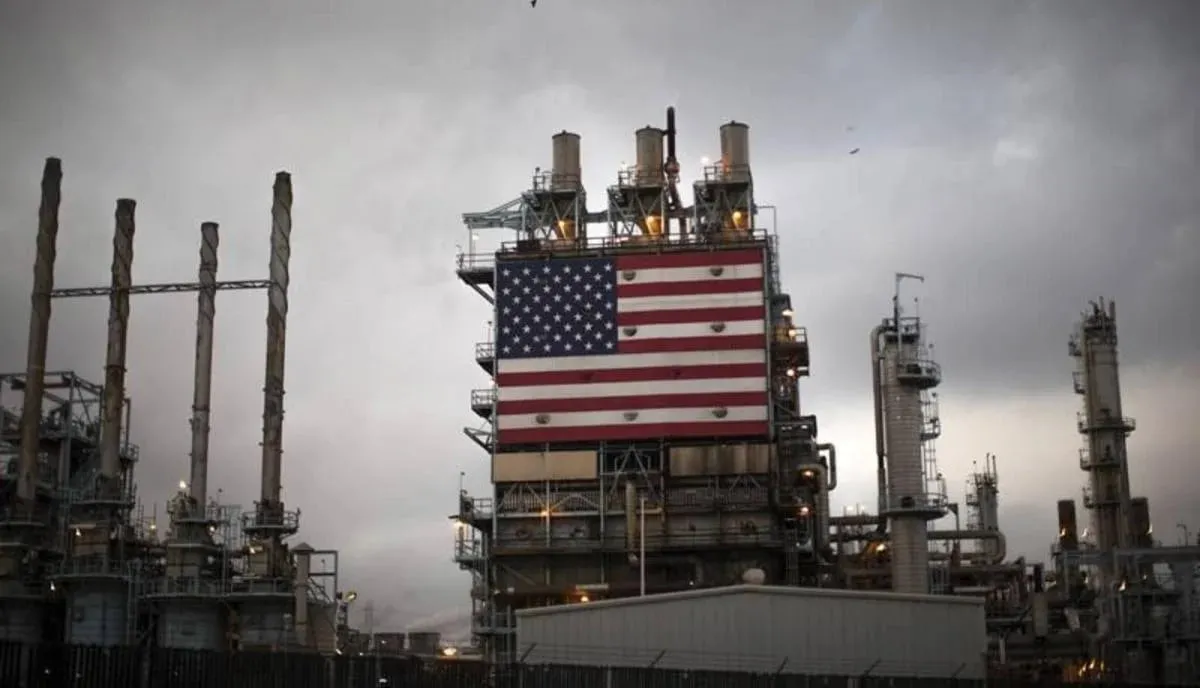
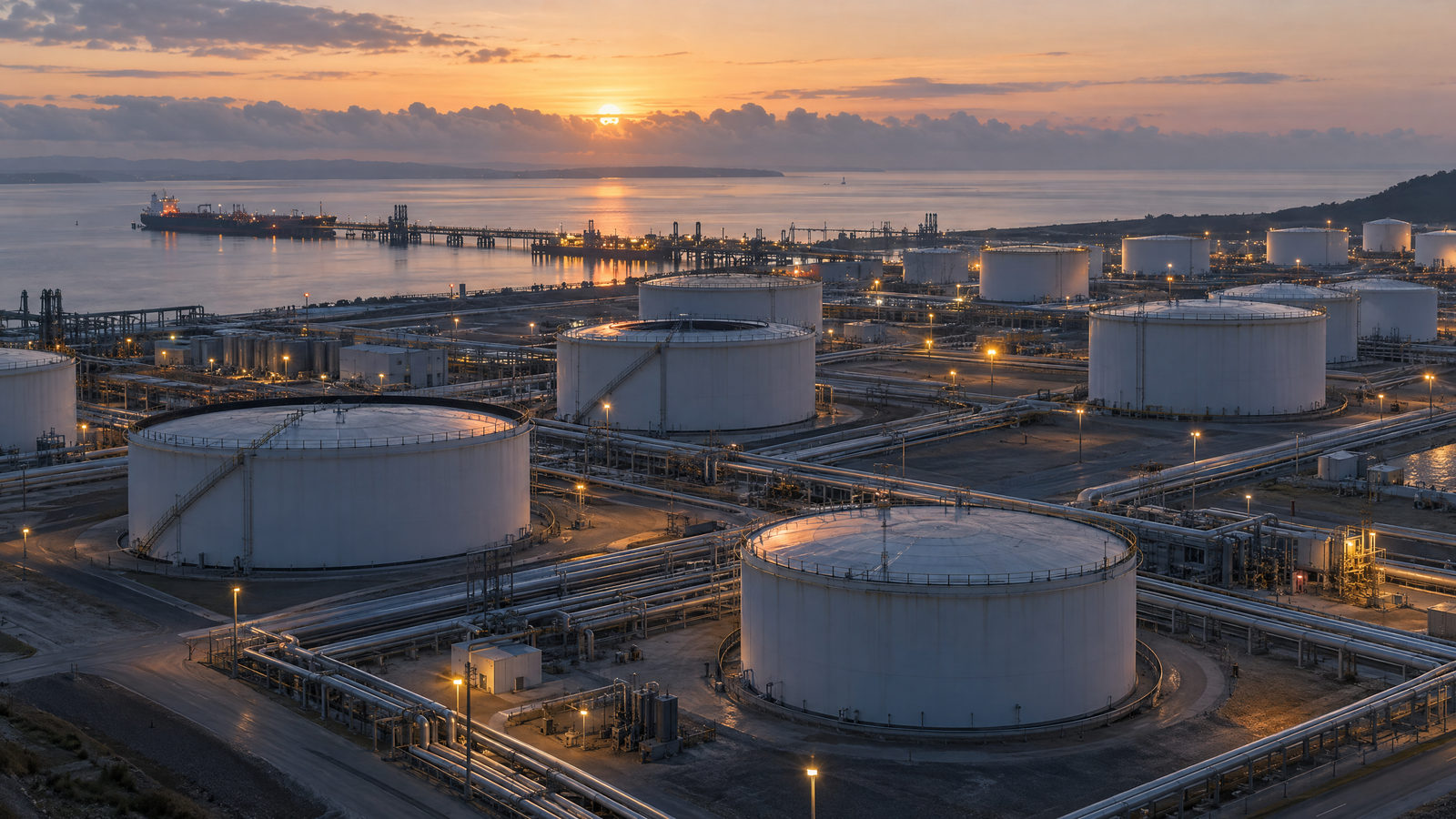
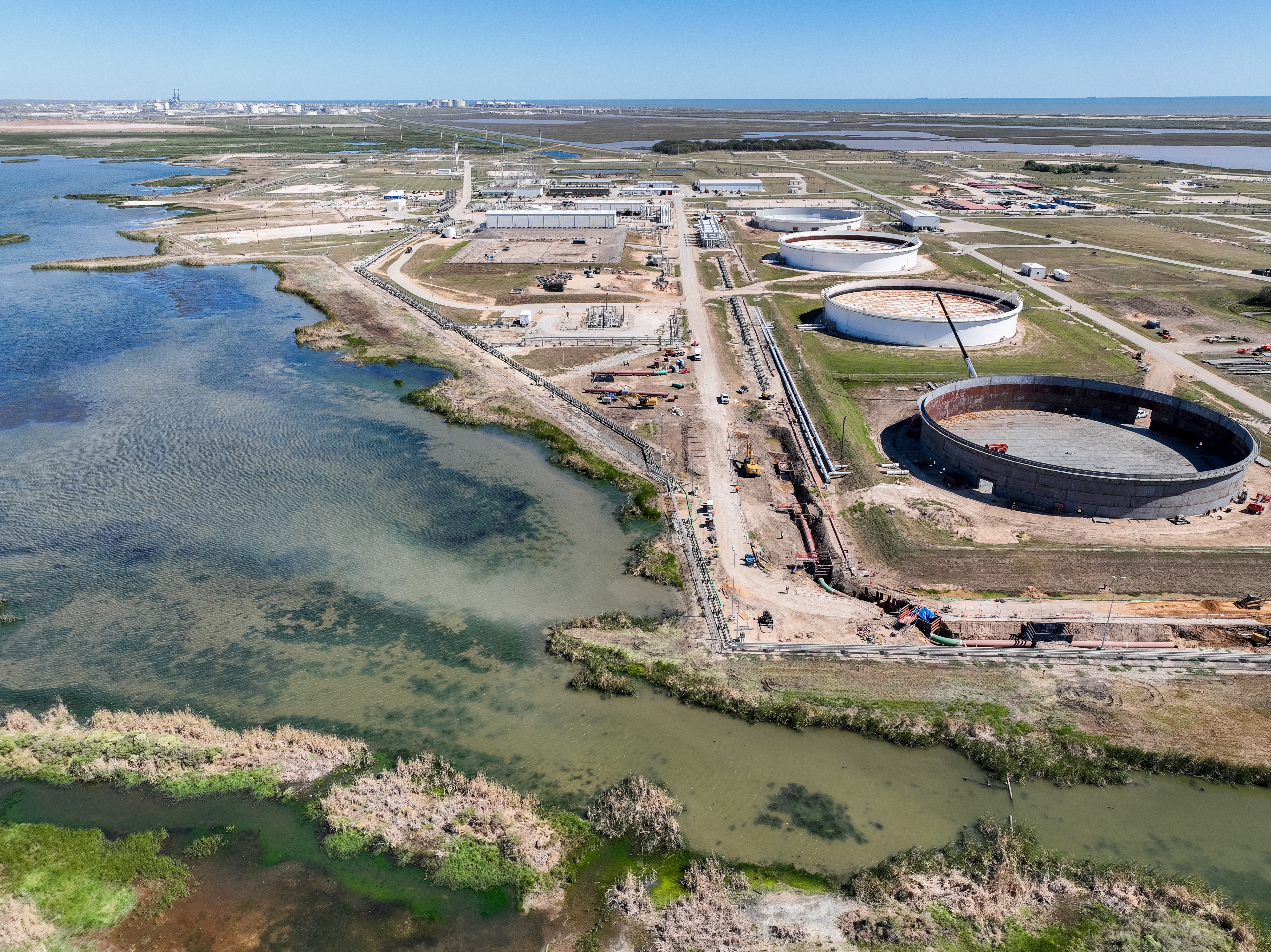
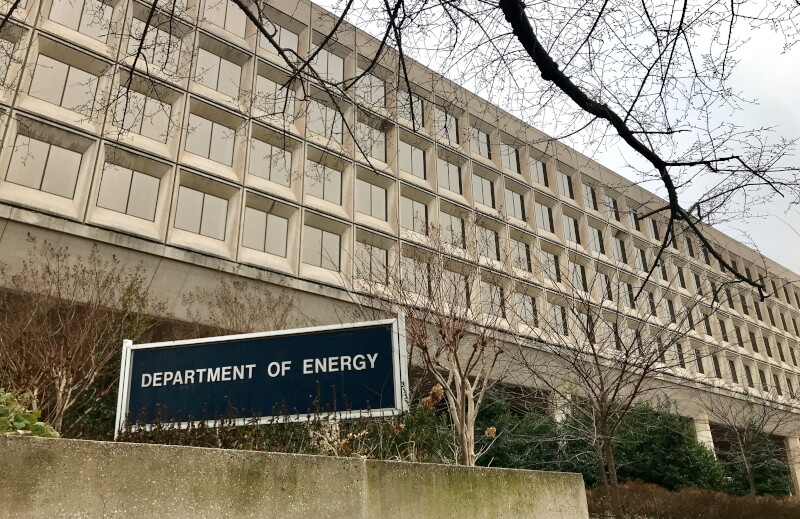
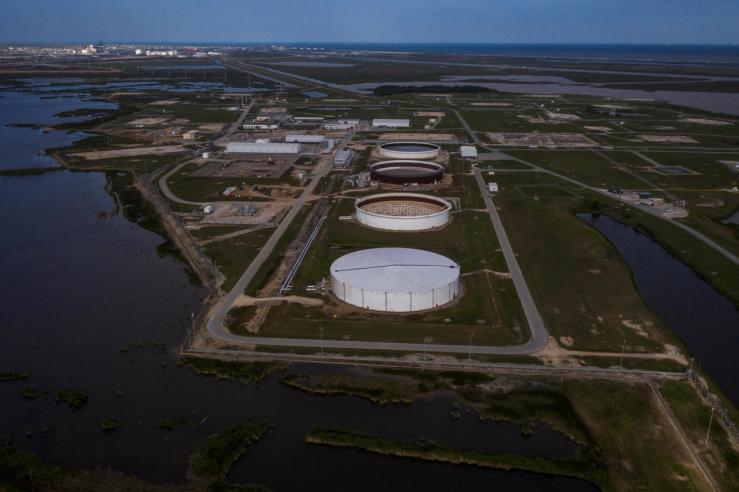
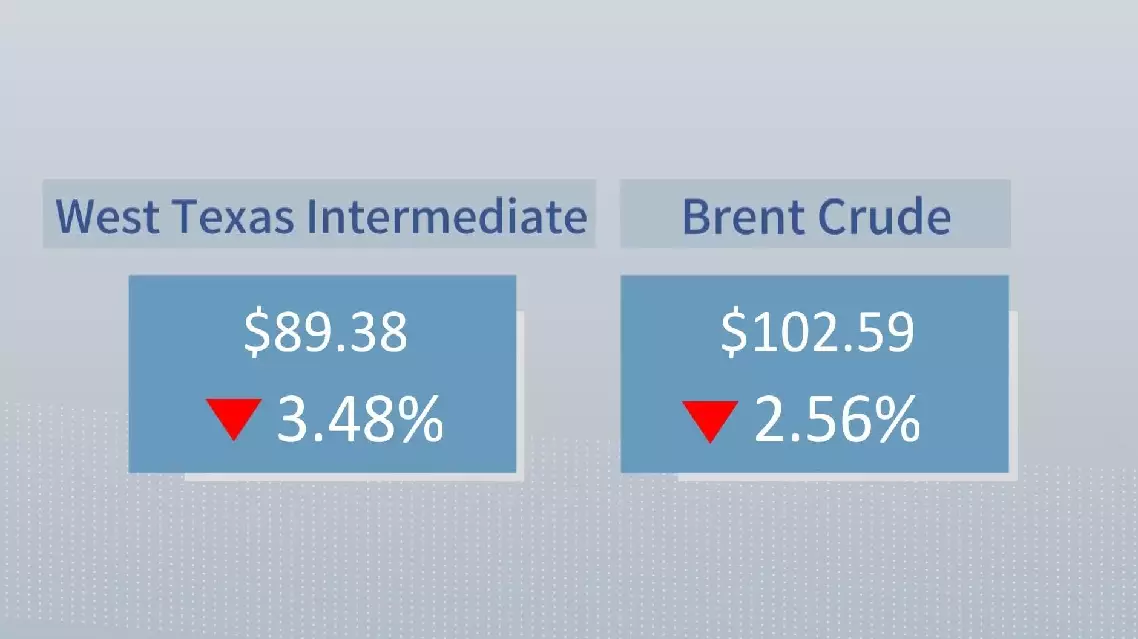
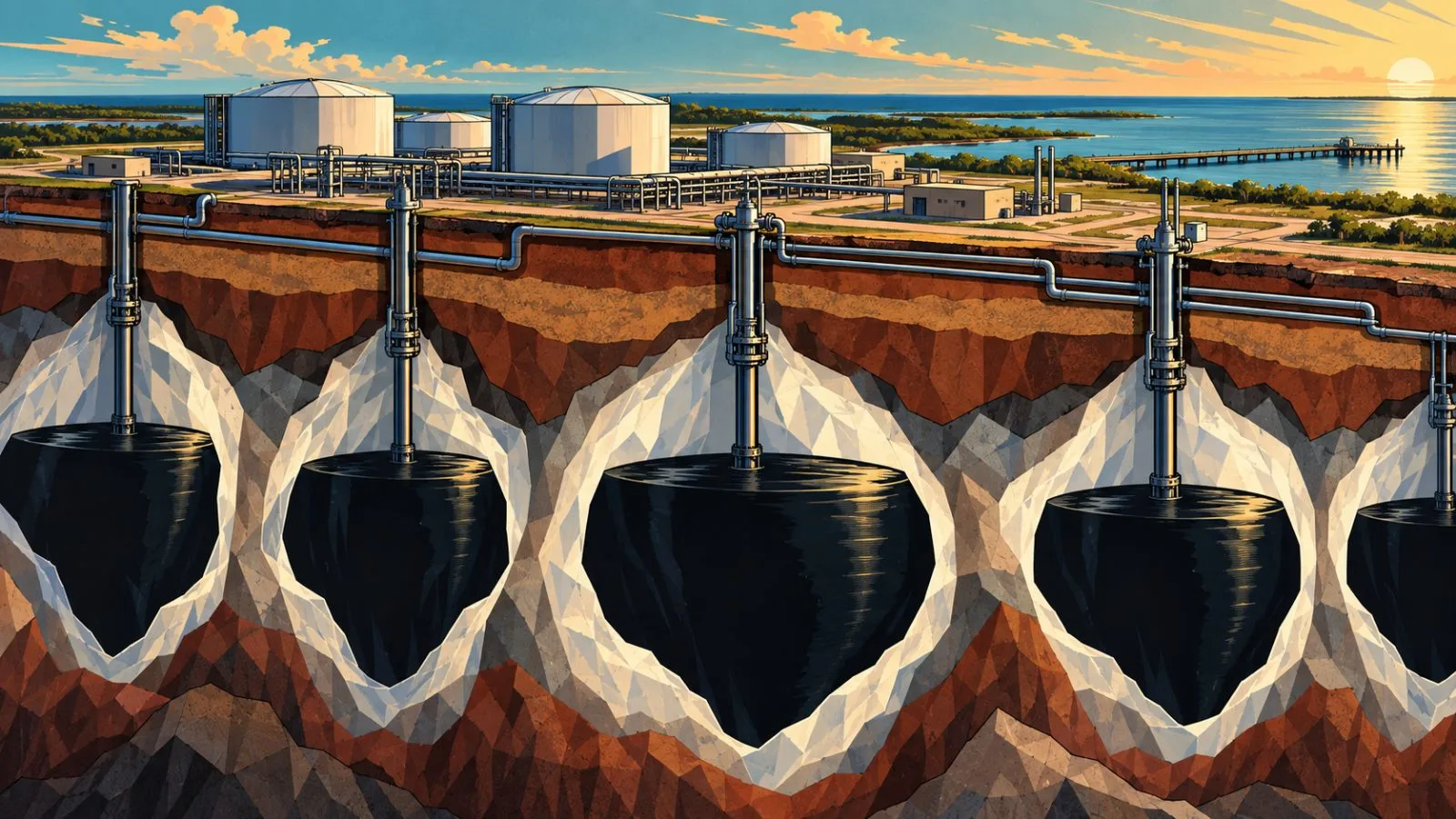
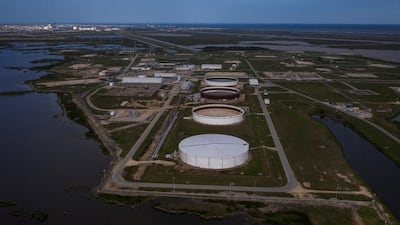
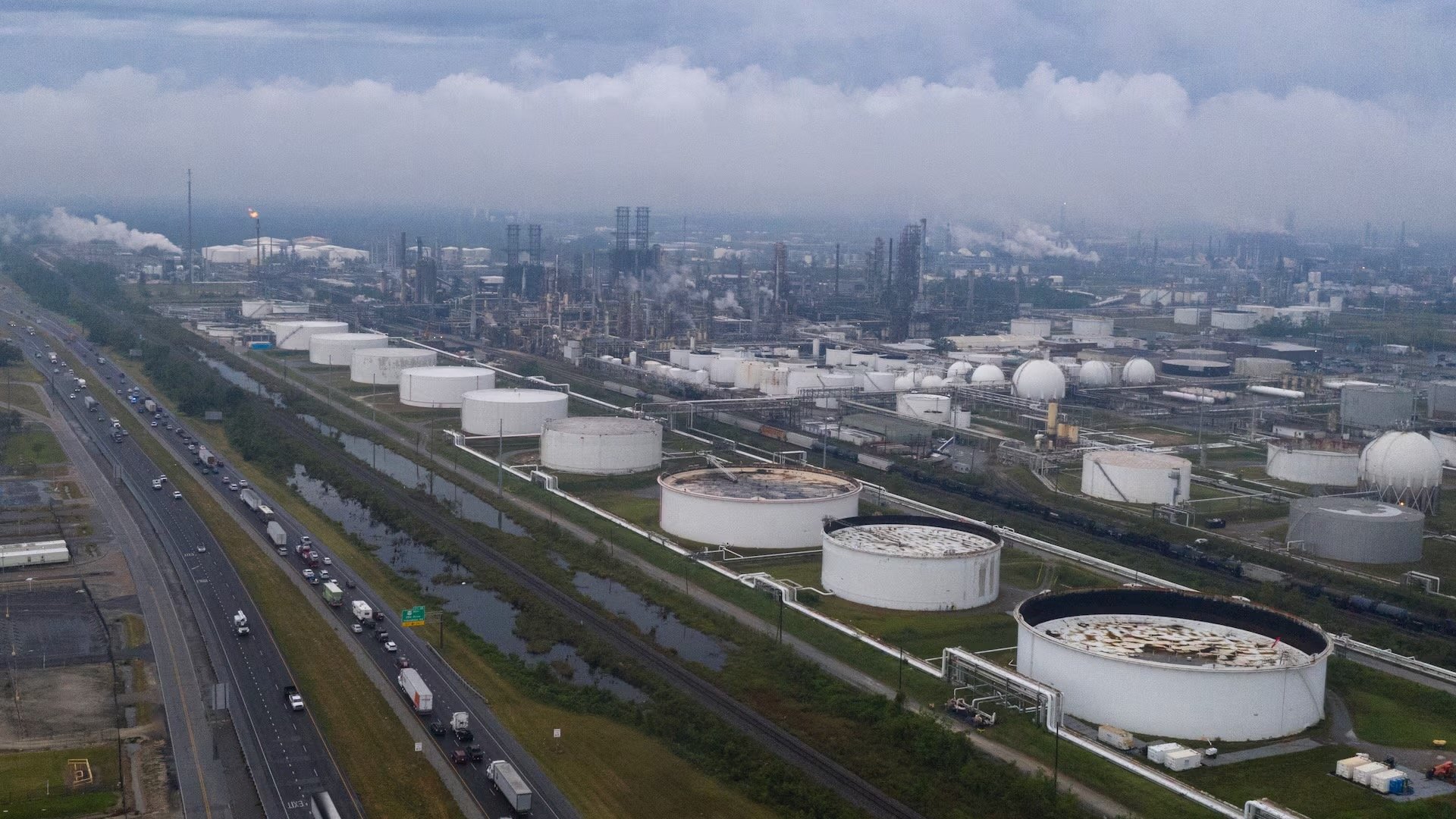
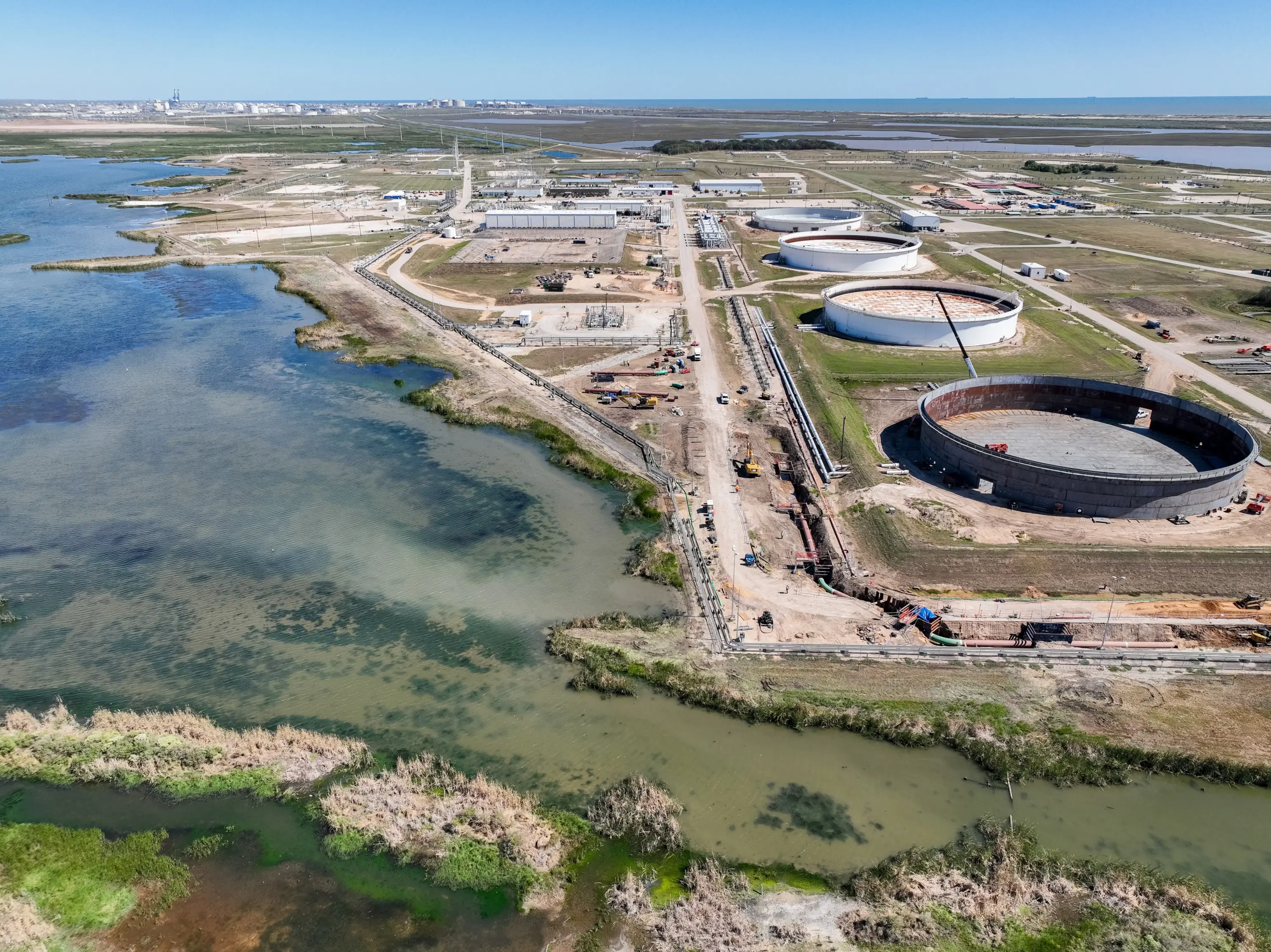
America's Strategic Petroleum Reserve has collapsed to its lowest level since 1982 (283.8 million barrels), with the Trump administration releasing an additional 40 million barrels as part of a 400-million-barrel International Energy Agency coordinated release. This represents the 27th consecutive weekly decline and signals sustained energy market tightness through late 2028, when repayment obligations extend. With WTI crude trading above $91/barrel and geopolitical tensions elevated (Iran conflicts, disrupted shipping, tight diesel supplies), cross-border e-commerce sellers face immediate cost pressures across three critical dimensions.
Shipping and Logistics Cost Escalation: The SPR depletion creates structural energy scarcity, directly impacting fuel surcharges on international logistics. Sellers using FBA, 3PL providers, and ocean freight face 8-15% cost increases on per-unit shipping through 2025-2026. For a seller shipping 10,000 units monthly via FBA, this translates to $1,200-2,400 additional monthly costs. Categories with high weight-to-value ratios (home goods, electronics, sporting equipment) absorb disproportionate margin compression. Amazon's fuel surcharge algorithm, tied to WTI benchmarks, will likely increase from current 2-3% to 4-6% of base fulfillment fees. Sellers in US-based FBA networks should expect storage cost increases as warehouses optimize inventory turnover to offset fuel expenses.
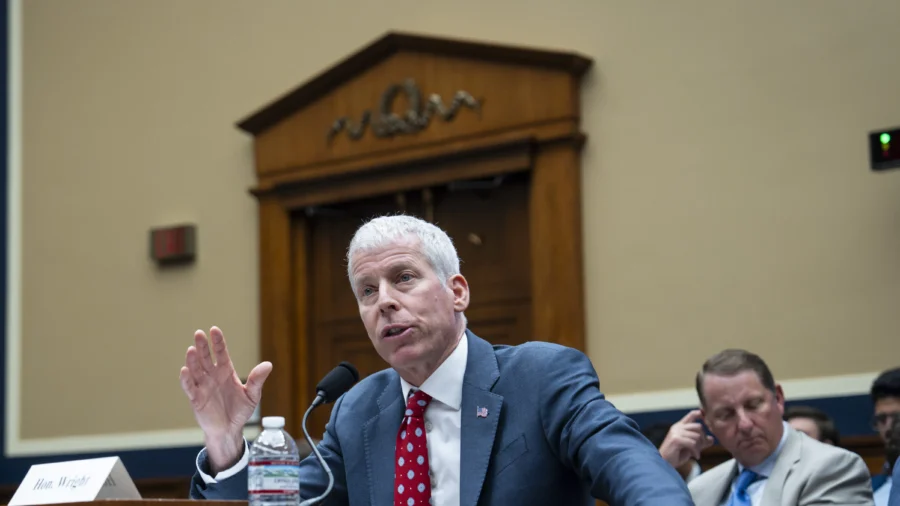
Tariff Arbitrage and Sourcing Shifts: The Trump administration's August agreement with Venezuela for low-cost crude creates a strategic sourcing opportunity. The DOE's crude exchange structure (borrowing now, repaying with 24-26 barrel premiums by late 2028) signals long-term energy cost volatility. Sellers sourcing from Venezuela-adjacent regions (Colombia, Trinidad & Tobago) may negotiate lower manufacturing costs due to regional energy abundance. Energy-intensive categories—plastics/polymers (HS 3901-3916), chemicals (HS 2701-2715), and refined petroleum products (HS 2710)—see 5-12% cost reductions when sourced from low-energy-cost regions. This creates a 6-18 month window before competitors recognize the arbitrage, particularly for sellers in apparel (synthetic fabrics), packaging, and consumer electronics.
Geopolitical Supply Chain Risk Premium: Elevated tensions (Iran conflicts, disrupted Suez/Panama shipping lanes) reduce Washington's crisis flexibility with depleted reserves. This increases insurance costs and shipping delays for sellers routing through contested corridors. Sellers should diversify logistics providers: 40% via Pacific routes (US-Asia), 35% via Atlantic (US-EU), 25% via alternative corridors. The tight diesel supply specifically impacts last-mile delivery in North America, creating 2-4 day delays for ground shipping. Amazon and Walmart will likely prioritize air freight for high-velocity SKUs, compressing margins for sellers relying on standard ground delivery.
Questions 8
When should I lock in shipping contracts to protect against fuel surcharge increases?
Lock in shipping contracts immediately (by January 2025) for Q1-Q2 commitments, as WTI crude trades above $91/barrel with SPR repayment extending to late 2028. The news indicates the 27th consecutive weekly SPR decline, signaling sustained energy market tightness. Negotiate fixed fuel surcharge rates (not index-based) for 6-12 month periods; prioritize contracts with 2-3% fuel surcharge caps. For FBA sellers, monitor Amazon's fuel surcharge announcements monthly; consider shifting 10-15% of inventory to 3PL providers with locked-in rates. Establish quarterly contract reviews to identify renegotiation windows if WTI drops below $85/barrel.
How should I adjust my logistics strategy for geopolitical supply chain risks?
Diversify shipping routes to reduce exposure to contested corridors: allocate 40% via Pacific routes (US-Asia), 35% via Atlantic (US-EU), and 25% via alternative corridors. The news reports elevated geopolitical tensions including Iran conflicts and disrupted shipping, with tight diesel supplies reducing Washington's crisis flexibility. Tight diesel supply specifically impacts last-mile delivery in North America, creating 2-4 day delays for ground shipping. Negotiate contracts with 2-3 3PL providers across different regions; prioritize air freight for high-velocity SKUs (BSR <5,000); implement inventory pre-positioning in regional fulfillment centers to reduce last-mile dependency.