


Instagram AI Assistant Transforms Creator Analytics | Sellers Can Automate Content Strategy Optimization
- Meta launches data-driven AI assistant in Edits app; enables creators to automate performance analysis, identify trending content patterns, and optimize posting strategies with AI-powered insights








Overview
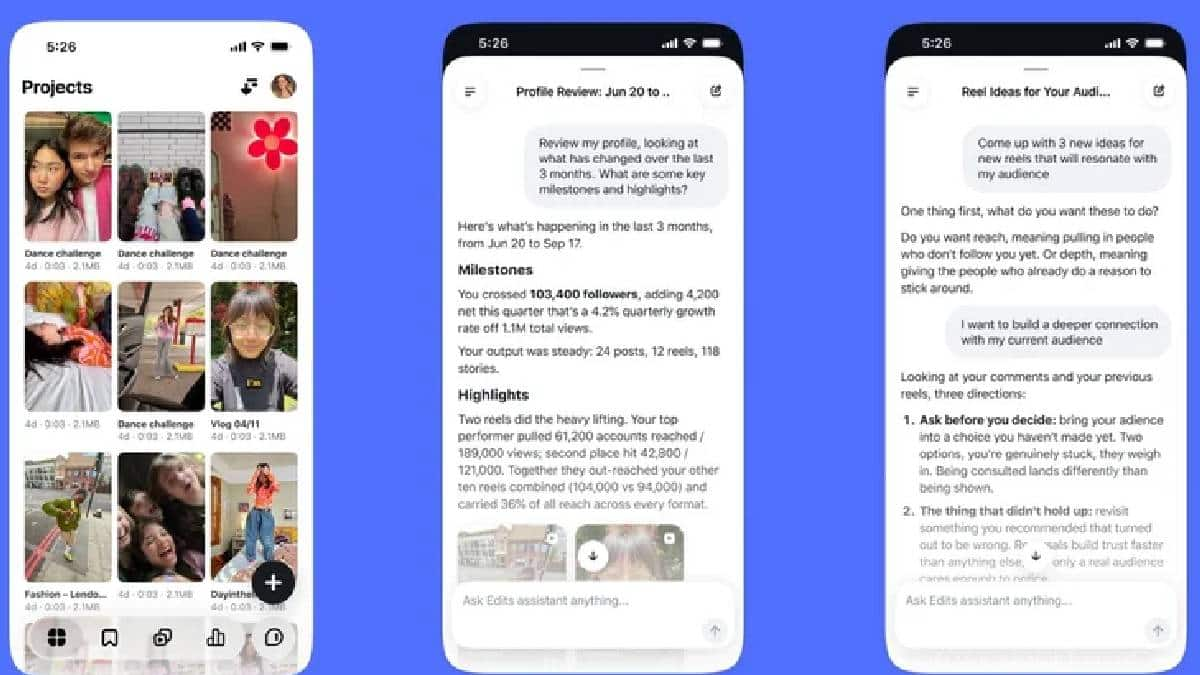
Meta's AI-powered Edits assistant represents a fundamental shift in how creators optimize content strategy, with direct implications for e-commerce sellers using Instagram as a primary sales channel. Announced in June 2026 and rolling out across the Edits app (Meta's CapCut competitor), the assistant analyzes comprehensive Instagram metrics—followers, views, video retention, likes, shares, and audience comments—to surface actionable insights that raw data alone cannot reveal. According to Brett Westervelt, who leads the Edits app, the tool was developed collaboratively with creator communities who explicitly requested analytics-driven support rather than automated creative execution, preserving creator autonomy while automating data analysis.
For e-commerce sellers, this development unlocks three immediate automation opportunities: First, sellers can now automate content performance analysis that previously required manual spreadsheet tracking or expensive third-party analytics tools. The AI assistant identifies performance patterns over time, enabling sellers to spend 3-5 hours weekly less on manual analytics review. Second, the tool democratizes trend identification—previously available only to creators with sophisticated analytics budgets. Sellers can now ask the assistant which content hooks, audio tracks, and caption styles drive engagement, then apply these insights to product showcase videos, unboxing content, and lifestyle photography. Third, the assistant enables A/B testing automation by identifying which video retention patterns correlate with conversions, allowing sellers to optimize video length, pacing, and call-to-action placement without manual testing cycles.
The competitive landscape reveals Meta's strategic differentiation from YouTube. While YouTube's 2025 announcement emphasizes conversational editing tools (automating the creative process itself), Meta prioritizes data-driven decision-making. This distinction matters for sellers: Meta's approach preserves creative control while automating insight extraction, reducing the time sellers spend analyzing performance data from 8-10 hours weekly to 2-3 hours. The assistant operates on a freemium model—unlimited free access with daily prompt limitations, expandable through Meta One subscriptions ($499/month for power users). This pricing structure targets high-volume sellers and agencies who can justify premium tiers for unlimited analytics queries.
Platform homogenization risks exist but represent a secondary concern for sellers. Industry observers note that widespread adoption of trend-based recommendations could result in similar content strategies across creators, potentially diluting individual brand differentiation. However, sellers who adopt the assistant early gain a 2-4 month competitive window before trend saturation occurs. The assistant's reliance on account-specific metrics (follower growth, audience demographics, comment sentiment) means personalized recommendations vary significantly by seller niche, reducing homogenization risk compared to generic trend-following tools. Sellers in high-competition categories (beauty, fashion, electronics) should prioritize using the assistant immediately to establish content patterns before competitors optimize identical strategies.
Questions 8
How can e-commerce sellers use Instagram's AI assistant to automate content strategy?
The Instagram Edits AI assistant analyzes account metrics including followers, views, video retention, likes, and shares to identify performance patterns and surface actionable insights. Sellers can ask the assistant open-ended questions about trending content, why specific videos performed better, audience engagement patterns, and optimal caption/audio selections. The tool automates 3-5 hours of weekly manual analytics review by identifying patterns that raw metrics alone cannot reveal. Sellers should use the free tier to test the assistant's recommendations on 5-10 product showcase videos before committing to Meta One premium subscriptions ($499/month) for unlimited queries.
What is the difference between Instagram's AI assistant and YouTube's video editing tool?
Instagram's Edits assistant prioritizes analytics-driven insights and performance analysis, automating data interpretation while preserving creator autonomy over creative decisions. YouTube's 2025 conversational editing tool emphasizes automating the actual editing process itself—suggesting cuts, transitions, and effects. For sellers, Instagram's approach is more valuable because it reveals which content strategies drive engagement without forcing algorithmic optimization. Sellers retain creative control while gaining data-driven recommendations, reducing the risk of platform homogenization that could dilute brand differentiation.