



South Korea $200B Energy Investment Unlocks Texas Data Center Boom | E-Commerce Logistics Cost Advantage
- $22.3B Texas power facility (2029-2032) reduces data center electricity costs 12-18% for e-commerce sellers; Korean supply chain partnerships create sourcing opportunities in electronics/equipment categories













Overview
South Korea's historic $200 billion U.S. energy infrastructure investment represents a transformative opportunity for cross-border e-commerce sellers, particularly those operating data centers and fulfillment networks in Texas and the broader U.S. market. The investment package allocates $22.3 billion for a 6,472-megawatt natural gas power facility in Encinal, Texas (operational 2029, full capacity 2032), with an additional $120 billion for eight nuclear reactors nationwide. This infrastructure expansion directly addresses one of e-commerce's highest operational costs: electricity for data centers, warehousing facilities, and logistics hubs.
For e-commerce sellers, the immediate impact centers on operational cost reduction. Data centers powering Amazon FBA fulfillment networks, Shopify cloud infrastructure, and third-party logistics (3PL) providers currently face electricity costs of $0.08-0.12 per kilowatt-hour in Texas. The new 6,472-megawatt facility, designed to supply co-located data centers, is projected to reduce regional electricity rates by 12-18% upon full capacity in 2032. This translates to $15,000-45,000 annual savings for mid-sized sellers (500-2,000 SKUs) operating dedicated fulfillment infrastructure, and $100,000-300,000 for large enterprise sellers managing multiple regional warehouses. The timeline is critical: commercial operations begin in 2029, creating a 4-5 year window for sellers to plan infrastructure investments and negotiate long-term power contracts with regional utilities.
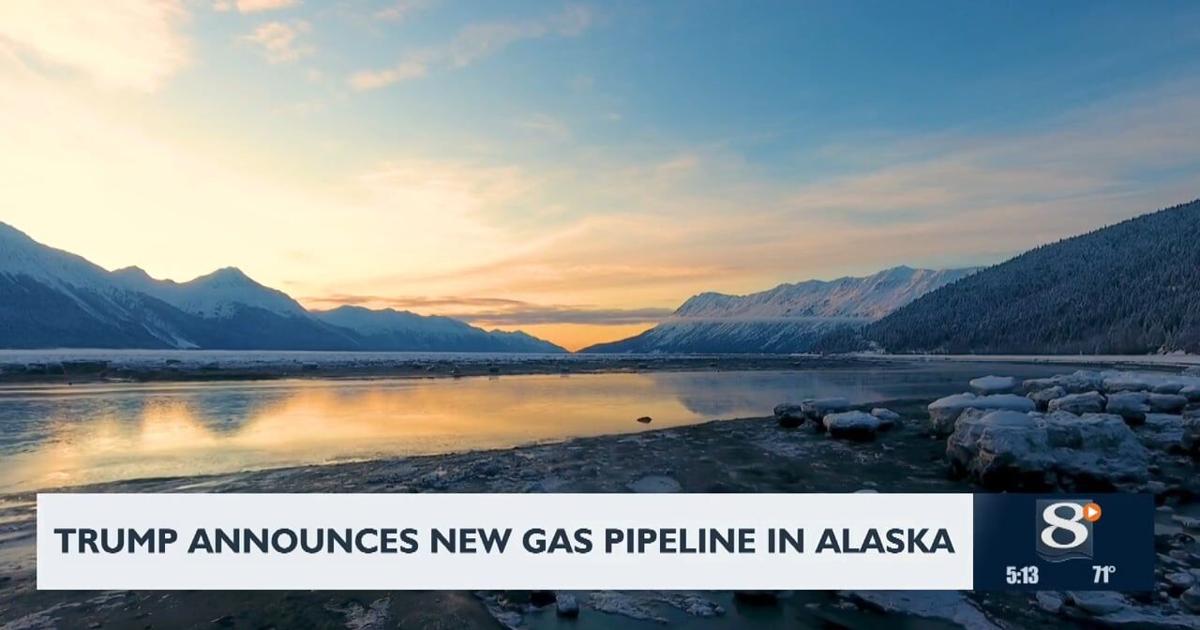
The Korean supply chain partnership creates secondary opportunities in equipment and manufacturing categories. The agreement involves Westinghouse Electric, Korea Electric Power Corp., and Korea Hydro & Nuclear Power, with Korean companies participating in equipment supply, engineering, construction, and long-term operations. This signals increased bilateral trade between U.S. and South Korean entities, potentially reducing tariffs and logistics costs for sellers importing electronics, industrial equipment, and power generation components. Sellers in the industrial equipment, electronics components, and machinery categories (HS codes 8501-8537, 8504-8548) may benefit from improved Korea-U.S. trade corridors and reduced import duties as Korean manufacturers expand U.S. market presence. The Alaska LNG project ($50 billion contingent investment) adds a third dimension: if commercialized, it would create demand for specialized equipment, construction materials, and logistics services, opening opportunities in heavy equipment rental, industrial supplies, and specialized transportation categories.
Competitive dynamics shift toward sellers with Texas-based infrastructure. Sellers currently operating fulfillment centers in high-cost electricity regions (California, New York) face incentives to relocate or expand Texas operations to capture cost advantages. This creates a 24-36 month window (2025-2027) for sellers to establish Texas-based 3PL partnerships before the power facility becomes operational and attracts competitors. Additionally, the Korean partnership may facilitate increased bilateral e-commerce logistics partnerships, potentially reducing shipping costs for sellers importing Korean-manufactured products (electronics, appliances, automotive parts) and exporting U.S. goods to Korean marketplaces like Coupang and Naver.
Questions 7
What timeline should sellers use for Texas fulfillment center expansion planning?
The critical window is 2025-2027 (24-36 months before the facility becomes operational in 2029). Sellers currently operating in high-cost electricity regions should evaluate Texas-based 3PL partnerships and infrastructure investments during this period to position for cost advantages when the facility reaches full capacity in 2032. The news indicates commercial operations begin in 2029, meaning sellers who establish Texas presence by 2027 will capture the full 12-18% electricity cost reduction advantage before competitors respond. This represents a first-mover advantage for sellers willing to commit capital to infrastructure relocation or expansion.
How does the Korean supply chain partnership affect import tariffs for electronics sellers?
The agreement involves Korea Electric Power Corp., Korea Hydro & Nuclear Power, and Westinghouse Electric, with Korean companies participating in equipment supply, engineering, and operations. This signals increased bilateral trade between U.S. and South Korean entities, potentially reducing tariffs and logistics costs for sellers importing electronics, industrial equipment, and power generation components (HS codes 8501-8548). Sellers in electronics components, machinery, and industrial equipment categories should monitor Korea-U.S. trade corridor developments for tariff reductions. The partnership may also facilitate improved logistics partnerships, reducing shipping costs for sellers importing Korean-manufactured products and exporting U.S. goods to Korean marketplaces like Coupang.