




Chinese Vehicle Ban Escalates U.S. Protectionism | Tariff Precedent Threatens Cross-Border Sellers
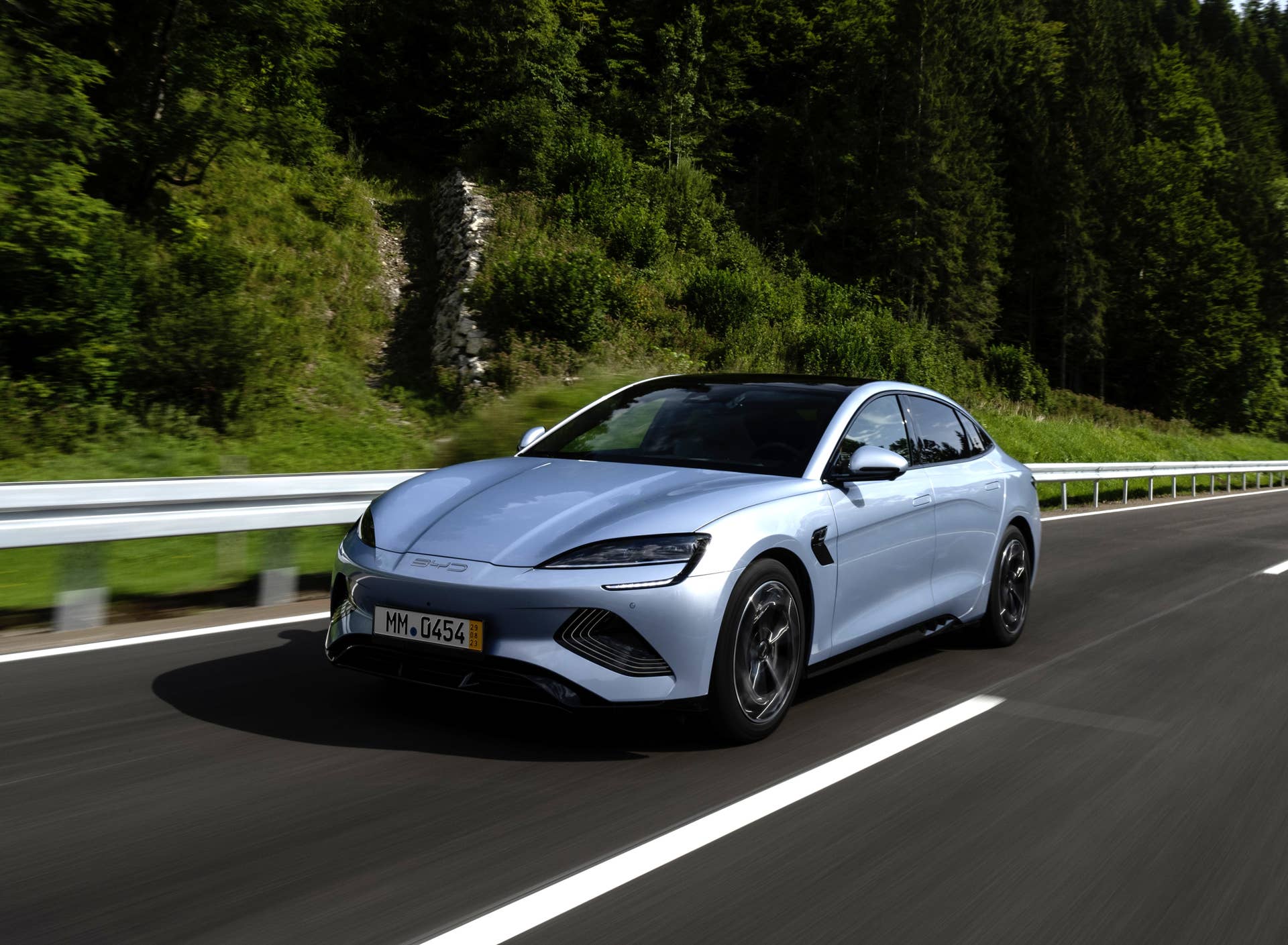
- Senate pursues permanent ban on Chinese auto imports by November 2024; broader protectionist sentiment signals tariff expansion risks for all China-sourced e-commerce categories affecting 100K+ sellers



















Overview
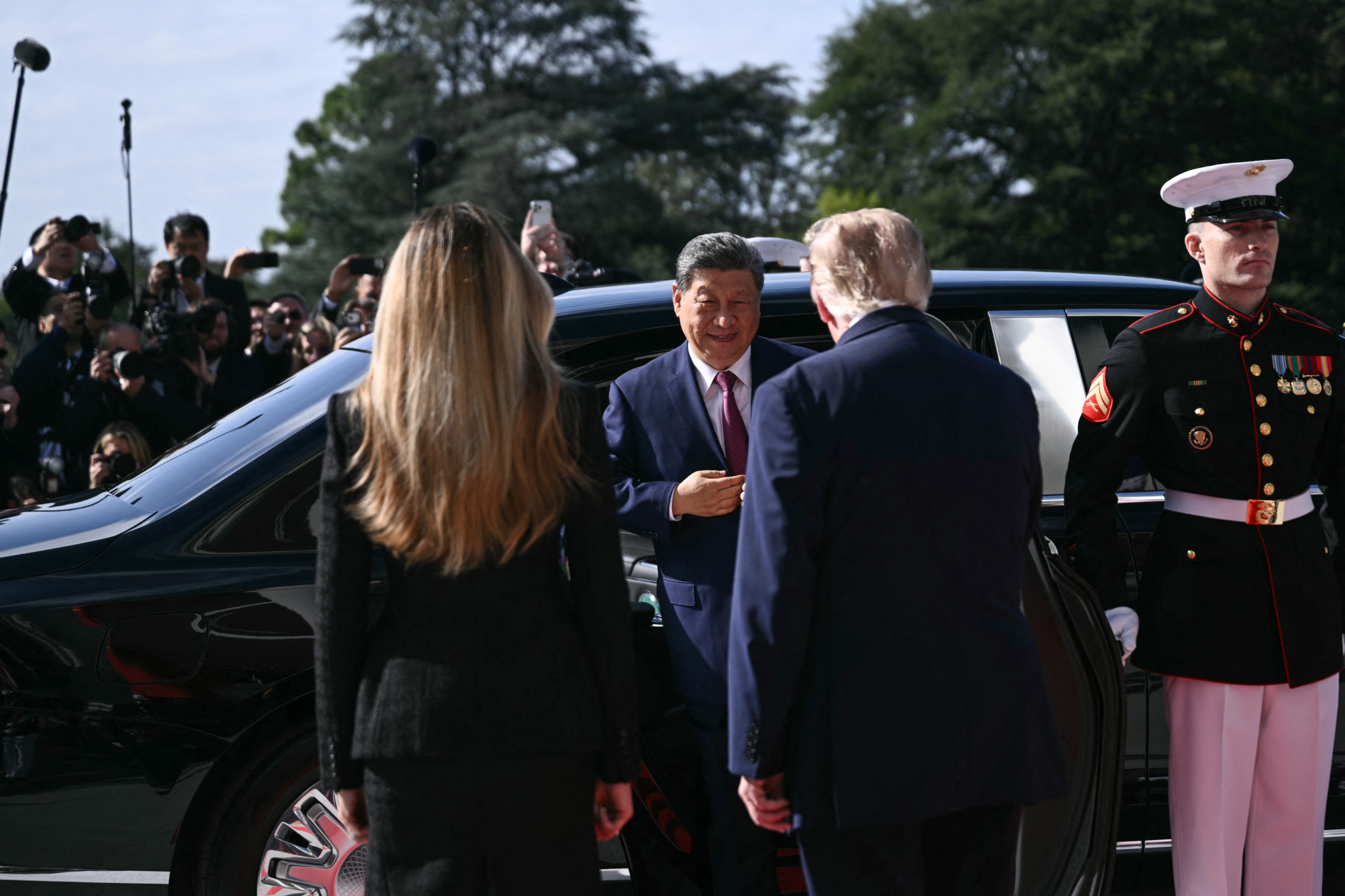
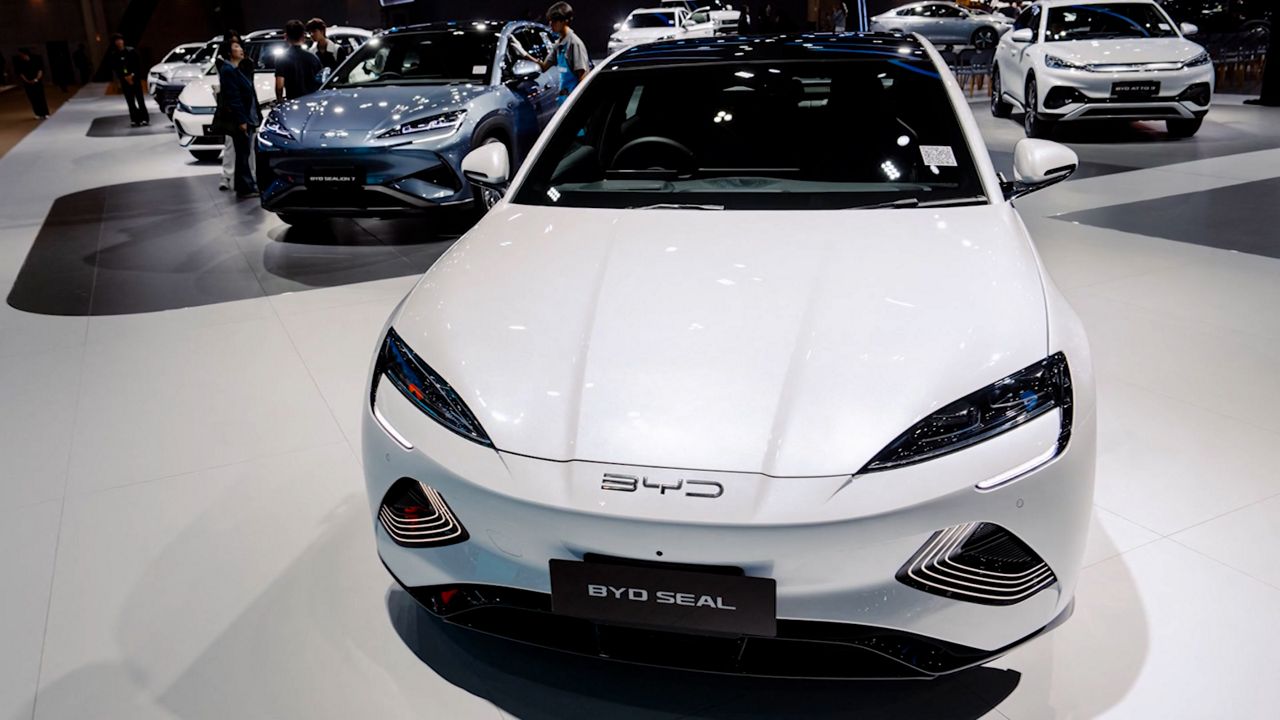
The U.S. Senate is escalating protectionist measures against Chinese automotive imports, with permanent ban legislation scheduled for November 2024 approval. This represents a critical policy inflection point for cross-border e-commerce sellers, as the automotive sector's 12% GDP contribution and bipartisan support for the ban establish a dangerous precedent for tariff expansion across other product categories. The Senate's postponement of the initial vote until after midterm elections (News 1) followed by renewed November 2024 push (News 2) demonstrates how electoral cycles drive trade policy timing—creating a compressed decision window that will likely trigger retaliatory measures from China targeting American agricultural and technology exports.
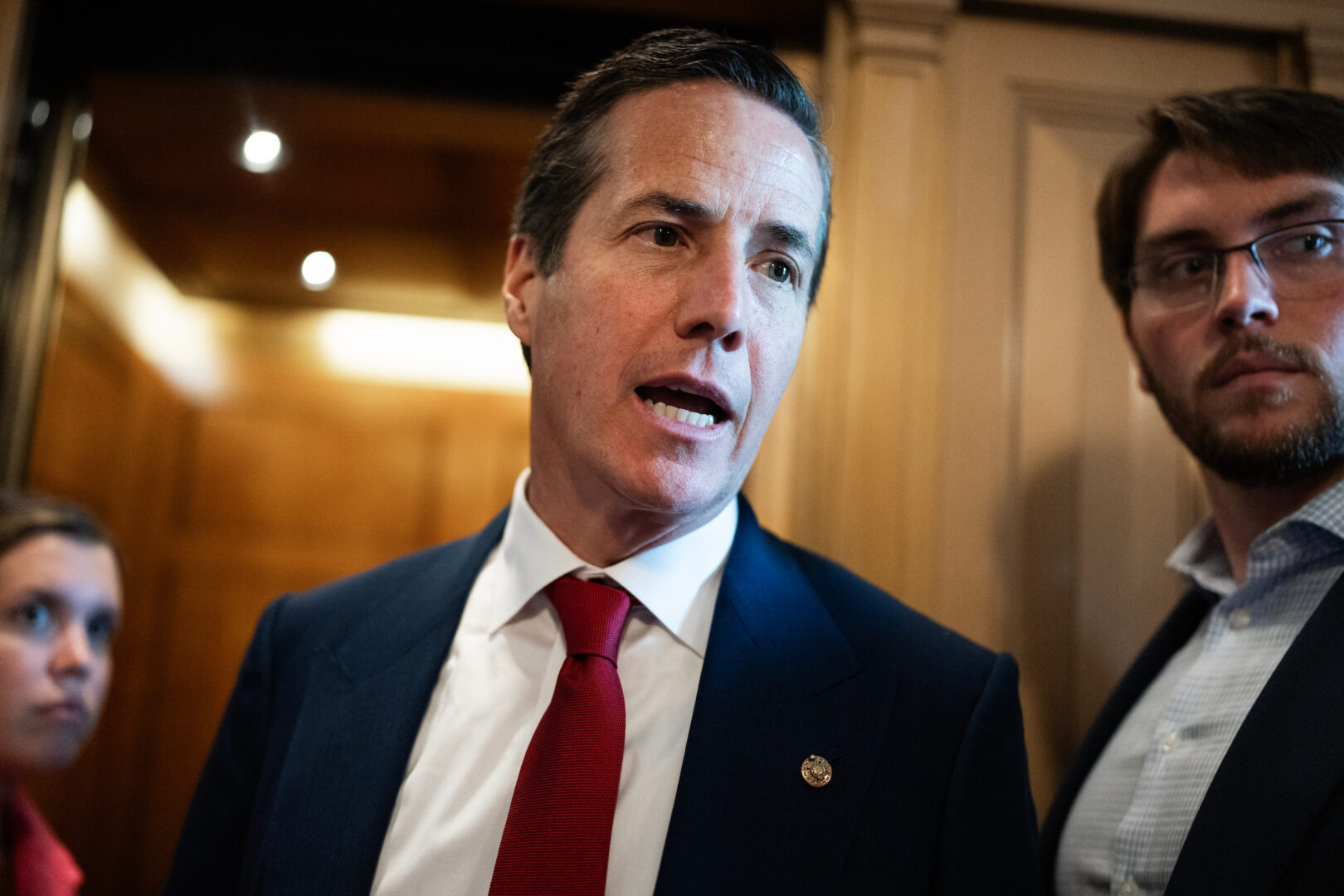
For e-commerce sellers, the automotive ban's targeting mechanism creates immediate tariff arbitrage risks. The legislation specifically restricts vehicles "manufactured by Chinese companies or containing significant Chinese components" (News 4), establishing a precedent for component-level tariff enforcement that could extend to electronics, batteries, consumer goods, and apparel categories where Chinese sourcing dominates. Sellers importing from China across all categories should anticipate that similar "origin-based" tariff structures could be applied to their product lines within 6-12 months. The Senate Republican clarification that Mercedes-Benz and non-Chinese manufacturers escape restrictions (News 4) signals lawmakers are developing sophisticated tariff differentiation frameworks—meaning sellers can no longer rely on generic "foreign import" classifications and must now track country-of-origin compliance at the component level.
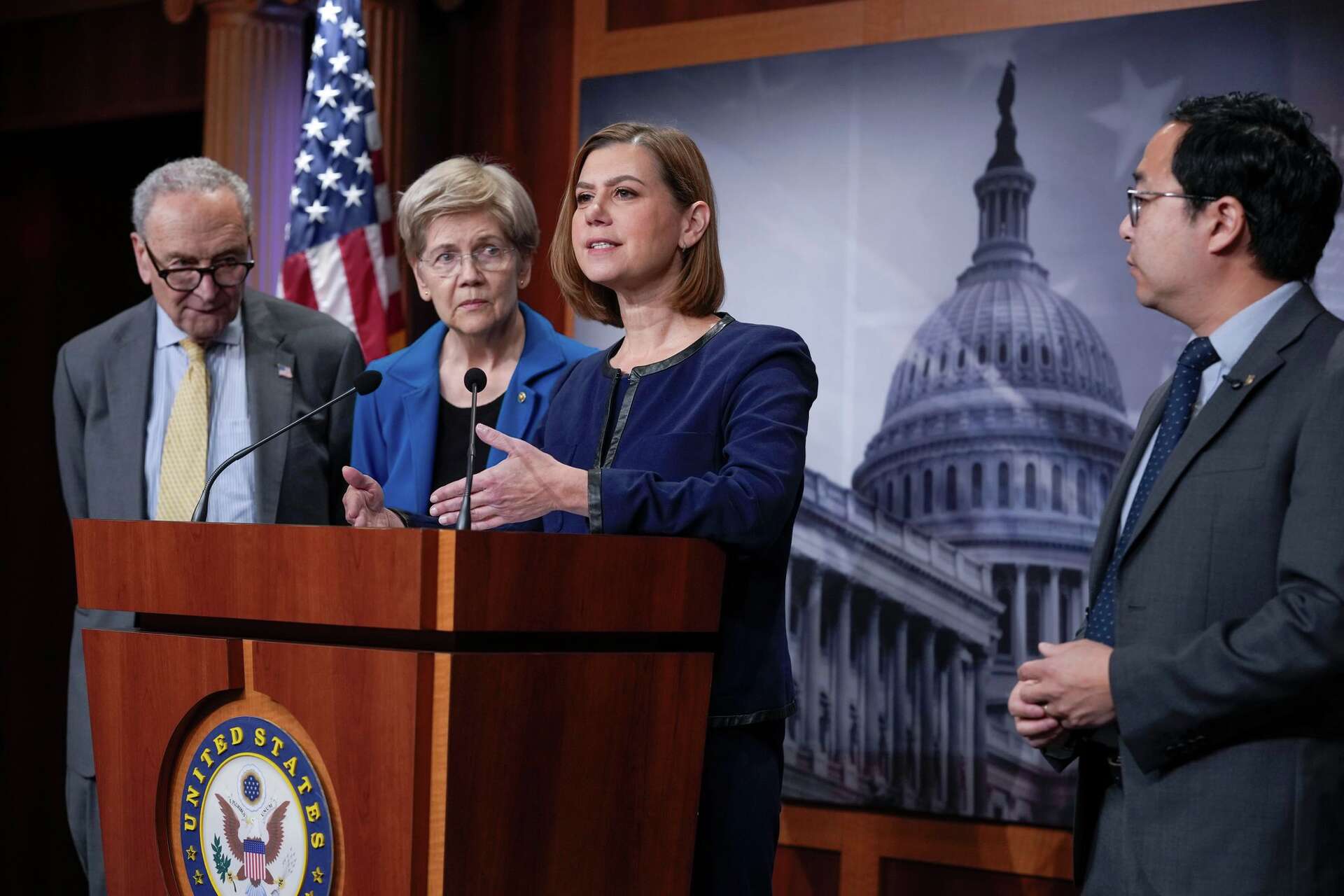
The political timeline creates a critical decision window for inventory and sourcing strategy. With November 2024 as the approval target and potential implementation within 90 days of passage, sellers have approximately 4-6 months to execute sourcing diversification before tariff structures potentially shift. Rep. Debbie Dingell's September 2026 opinion piece (News 3) emphasizing "vulnerabilities in American automotive manufacturing, employment, and supply chain security" reflects mainstream congressional sentiment that will likely drive expansion of protectionist measures beyond vehicles. Sellers currently sourcing 30-50% of inventory from China should model tariff scenarios of 15-25% increases on affected categories, which would compress margins by 8-12% for standard-margin products (15-20% gross margin). The "America First" policy alignment (News 2) suggests domestic manufacturing incentives and tariff penalties for Chinese sourcing will intensify, making Vietnam, India, and Mexico increasingly attractive sourcing alternatives despite current logistics cost premiums of 5-8%.
Strategic sourcing country shifts are now urgent. Sellers in electronics, batteries, consumer goods, and apparel should begin qualifying alternative suppliers in Vietnam (electronics assembly, apparel), India (pharmaceuticals, textiles), and Mexico (consumer goods, automotive parts) immediately. The tariff precedent established by automotive restrictions will likely cascade to HS codes 8471-8517 (electronics), 8507-8508 (batteries), 6204-6209 (apparel), and 7326-7326 (metal goods) within 12 months. Sellers with 50%+ China sourcing in these categories face margin compression of 10-15% if tariffs increase 20-25%, requiring either price increases (risking 5-8% volume loss) or supplier diversification (requiring 60-90 day qualification cycles).
Questions 8
How will the Chinese vehicle ban affect tariffs on non-automotive products I source from China?
The automotive ban establishes a dangerous precedent for component-level tariff enforcement that will likely extend to electronics, batteries, apparel, and consumer goods within 6-12 months. The Senate's focus on 'Chinese-manufactured or Chinese-component' vehicles (News 2, News 4) creates a template for similar restrictions across HS codes 8471-8517 (electronics), 8507-8508 (batteries), and 6204-6209 (apparel). Sellers currently sourcing 30-50% from China should model tariff increases of 15-25% on affected categories, compressing margins by 8-12%. The bipartisan support for the ban and 'America First' policy alignment suggest expansion is likely before Q4 2025. Begin qualifying alternative suppliers in Vietnam, India, and Mexico immediately to avoid margin compression when tariffs shift.
What is the timeline for the Chinese vehicle ban and when should I adjust my sourcing strategy?
The Senate is pursuing permanent ban approval in November 2024 (News 2), with potential implementation within 90 days of passage—creating a 4-6 month decision window before tariff structures likely shift. The initial postponement until after midterm elections (News 1) demonstrates how electoral cycles drive trade policy timing. Sellers have until approximately August 2024 to execute sourcing diversification before the November vote, and until February 2025 before potential implementation. This compressed timeline means you should begin supplier qualification in Vietnam, India, and Mexico immediately—qualification cycles typically require 60-90 days. Delaying beyond August 2024 risks being caught with high-cost China inventory when tariffs increase, forcing either price increases (risking 5-8% volume loss) or liquidation at reduced margins.