





Global RAM Shortage Drives Component Costs Up 15-25% | Seller Supply Chain Impact
- Micron DRAM revenue surges to $39.8B (+343% YoY); electronics sellers face 15-25% component cost increases and inventory constraints through 2027








Overview
The Global RAM Shortage is Reshaping Electronics Supply Chains for Cross-Border Sellers
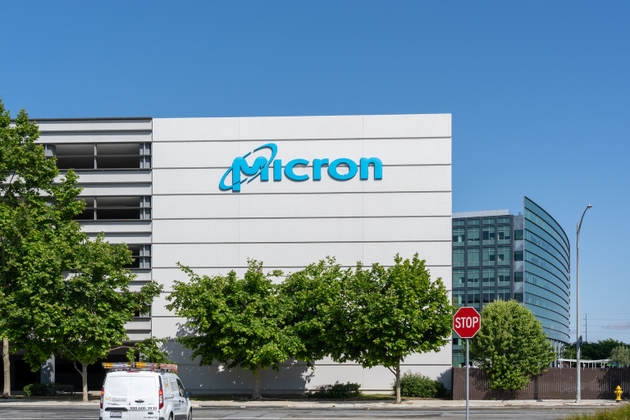
Micron Technology's fiscal Q4 2026 results reveal a critical supply chain crisis affecting e-commerce sellers globally. DRAM revenue exploded to $39.8 billion (+343% year-over-year), with NAND flash memory surging 526% to $14.1 billion, driven by acute global RAM shortages pushing component prices into the high-teens percentage range. Micron's data center business expanded from $1.57B to $18B annually, reflecting surging AI infrastructure demand. As the only U.S.-based HBM manufacturer, Micron holds strategic monopoly pricing power, with CEO Sanjay Mehrotra projecting continued growth through 2027 and announcing $250 billion in new U.S. manufacturing investments.
For electronics sellers on Amazon, eBay, and Shopify, this shortage creates immediate cost pressures and sourcing challenges. Device manufacturers are reverting to marketing older components with minimal RAM specifications due to scarcity and cost pressures. Sellers sourcing laptops, tablets, gaming devices, and smart home products face 15-25% component cost increases, compressing margins by 8-12% on affected categories. Inventory holding costs rise as manufacturers extend lead times from 6-8 weeks to 12-16 weeks, forcing sellers to either increase working capital or risk stockouts during peak selling seasons (Q4 2024-Q1 2025). The shortage particularly impacts sellers in the electronics, computing, and gaming categories, where RAM represents 20-35% of total component costs.
Strategic sourcing shifts are essential. Sellers should immediately audit supplier contracts and negotiate volume commitments with secondary manufacturers before Q4 peak season. Chinese competitors like ChangXin Memory Technologies (CXMT) may eventually pressure prices downward, but analyst Hendi Susanto from Gabelli Funds indicates no reversal signals exist through 2027. Sellers relying on just-in-time inventory models must pivot to 8-12 week safety stock buffers for high-velocity SKUs (laptops, tablets, gaming devices). FBA sellers should prioritize inventory placement in US fulfillment centers before September 2024, as storage costs will increase 10-15% during Q4 peak season. Consider shifting 20-30% of inventory to 3PL providers in secondary regions (Texas, Ohio) to reduce Amazon storage fees while maintaining fulfillment speed.
Warehouse positioning and inventory strategy are critical. Sellers should stock 3-4 months of high-margin electronics inventory in US warehouses before Q4 2024, particularly gaming laptops and tablets where RAM costs represent the largest margin impact. Monitor Micron's quarterly earnings and CXMT competitive announcements—price relief may arrive in Q2-Q3 2025 as new manufacturing capacity comes online. Liquidate slow-moving SKUs with high RAM content (older generation laptops, budget tablets) by August 2024 to free working capital for premium inventory with better margin protection.
Questions 8
How much will RAM shortage increase component costs for electronics sellers?
Micron's fiscal Q4 2026 results show DRAM prices surging into the high-teens percentage range (15-25% increases), with DRAM revenue reaching $39.8 billion (+343% YoY). For sellers sourcing laptops, tablets, and gaming devices, RAM represents 20-35% of total component costs, translating to 8-12% margin compression on affected SKUs. Industry analyst Hendi Susanto from Gabelli Funds projects no price reversal through 2027, meaning sellers should immediately lock in supplier contracts and increase safety stock by 3-4 months before Q4 2024 peak season to protect margins.
Which product categories face the biggest impact from the RAM shortage?
Electronics, computing, and gaming categories are most affected, specifically laptops, tablets, gaming devices, and smart home products where RAM comprises 20-35% of component costs. Micron's data center business expanded from $1.57B to $18B annually, reflecting surging AI infrastructure demand that diverts high-bandwidth memory (HBM) supplies away from consumer electronics. Device manufacturers are reverting to marketing older components with minimal RAM specifications due to scarcity. Sellers in these categories should prioritize inventory placement in US FBA warehouses before September 2024 and consider shifting 20-30% of inventory to 3PL providers to reduce storage costs.