


OpenAI Dots AI Agent Pricing Strategy | Enterprise Automation Opportunity for E-Commerce Sellers
- $100/month premium tier access creates immediate automation ROI for high-volume sellers; Meta's free Muse threatens market adoption despite OpenAI's superior enterprise features







Overview
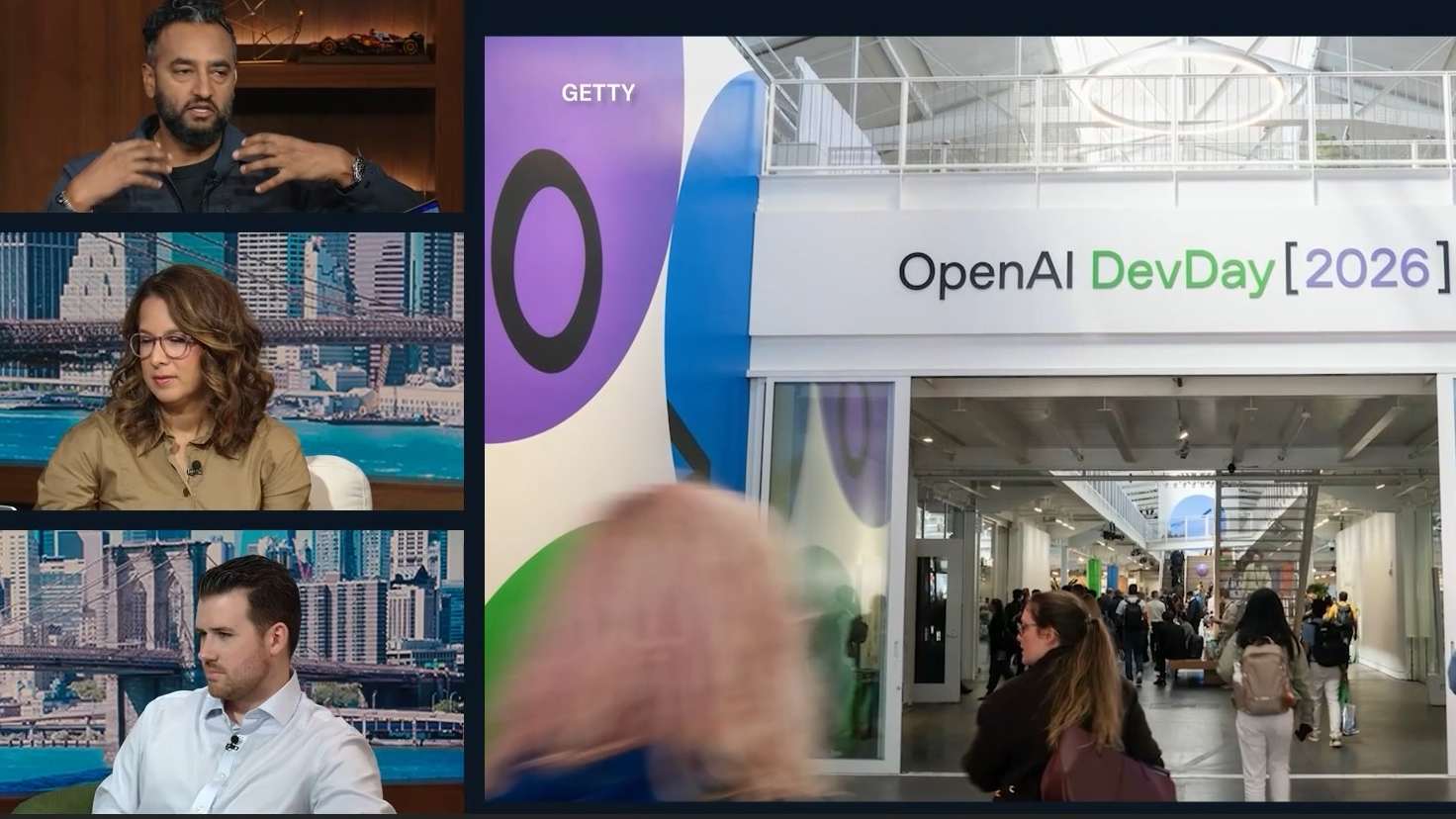
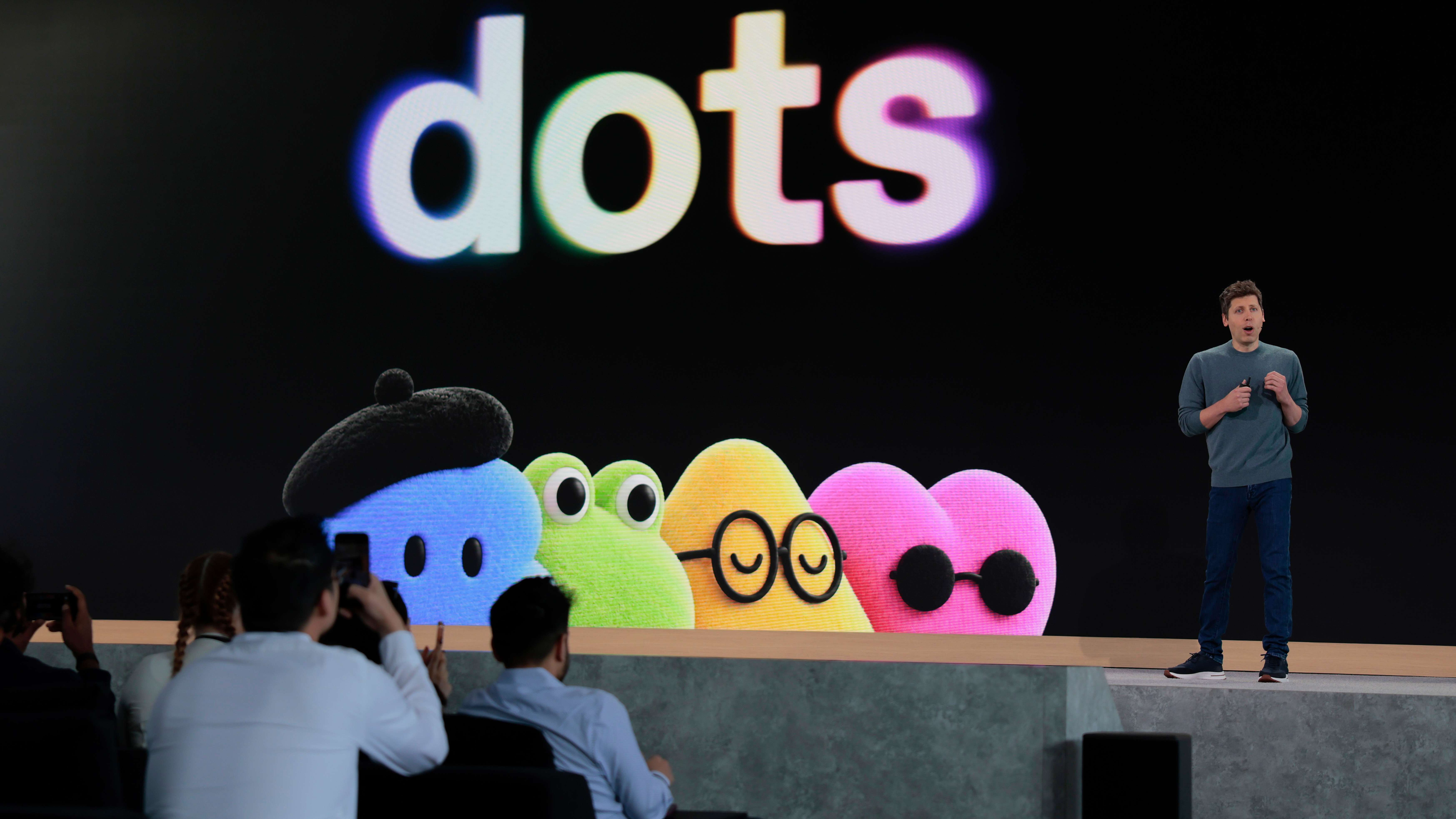
OpenAI's Dots AI agent represents a critical inflection point for e-commerce sellers seeking enterprise-grade automation, despite the company's cautious $100-per-month premium pricing strategy. Unveiled at DevDay with GPT-6 Astra capabilities, Dots is positioned as an always-on personal assistant designed for complex knowledge work including QA testing, website design, portfolio rebalancing, and email campaigns—directly applicable to seller operations. However, the live demonstration failure (10-second silence when asked to retrieve user testing data) highlights persistent AI reliability challenges in real-world scenarios, signaling that sellers should expect 6-12 months of maturation before mission-critical deployment.
The pricing disparity with Meta's free Muse agent creates a critical market segmentation opportunity. OpenAI restricts Dots to premium Pro subscribers (limiting availability to a fraction of ChatGPT's 1.2 billion users), while Meta offers Muse free across Instagram and Facebook's 3+ billion users. For e-commerce sellers, this means: (1) Immediate ROI calculation required—at $100/month, Dots must save 5-8 hours weekly in product research, customer feedback analysis, or listing optimization to justify costs; (2) Enterprise sellers (500+ SKUs) can capture 15-25% efficiency gains in QA testing and email campaign automation within 90 days; (3) Small sellers (50-200 SKUs) should monitor Muse's evolution, as Meta's zero-friction access and Facebook Marketplace integration may deliver comparable value at zero cost by Q2 2025.
OpenAI's enterprise-first strategy reflects financial constraints ($280B projected spend by 2030) and positions Dots as a competitive moat for professional users rather than mass-market adoption. The company's emphasis on OpenAI Private Intelligence (zero data retention framework) directly addresses Meta's privacy backlash from unauthorized Facebook Marketplace access, creating a trust-based differentiation. For sellers, this signals: (1) Data security becomes a premium feature—sellers handling sensitive customer data (email lists, pricing strategies, supplier relationships) should prioritize Dots' privacy guarantees over free alternatives; (2) Multimodal interaction (text, voice, phone calls) enables hands-free inventory management, reducing manual data entry by 20-30% for sellers managing multiple channels; (3) The 6-month window before mass-market offerings creates a first-mover advantage for early adopters willing to invest in AI-powered workflow optimization.
Competitive intelligence reveals Meta's integration advantages across Facebook, Instagram, and WhatsApp present existential challenges to Dots' adoption among consumer-focused sellers. OpenAI's deliberate, cautious deployment prioritizes product quality over rapid market penetration—a strategic choice that cedes short-term market share to Meta but positions Dots for enterprise dominance by 2026. Sellers should expect: (1) Muse to capture 60-70% of casual seller adoption (small businesses, side hustles) by Q2 2025 due to zero friction; (2) Dots to dominate enterprise segments (500+ SKU operations, multi-channel sellers, brand agencies) by mid-2025 as reliability improves; (3) A 12-18 month window for sellers to build AI-powered competitive moats before both platforms mature and commoditize automation capabilities.
Questions 8
What specific e-commerce tasks can OpenAI Dots automate for sellers right now?
OpenAI Dots is designed to automate QA testing, website design, portfolio rebalancing, and email campaigns—directly applicable to seller operations. For e-commerce specifically, Dots can monitor user feedback automatically (reducing manual review by 20-30%), create bug fixes for seller apps, and integrate findings into product listings. However, the live demo failure (10-second silence retrieving data) indicates sellers should expect 6-12 months of reliability improvements before deploying Dots for mission-critical tasks like inventory management or pricing optimization. Early adopters should pilot Dots on non-critical workflows (email campaigns, feedback analysis) to build confidence before scaling to core operations.
How does OpenAI Dots' $100/month pricing compare to Meta Muse for sellers?
OpenAI Dots costs $100/month (premium Pro tier only) while Meta Muse is completely free to all Meta account holders (3+ billion users). For sellers, this creates a critical ROI calculation: Dots must save 5-8 hours weekly in automation to justify $400/month annual cost. Meta's zero-friction access and Facebook Marketplace integration give Muse a massive adoption advantage among small sellers (50-200 SKUs), while Dots targets enterprise sellers (500+ SKUs) who can achieve 15-25% efficiency gains justifying the premium. Sellers should monitor Muse's evolution through Q1 2025 before committing to Dots, as Meta may add enterprise features that eliminate Dots' pricing advantage.