



GPT-Synopsys AI Model Accelerates Chip Design | Supply Chain Implications for E-Commerce Sellers
- Semiconductor design acceleration reduces component shortages affecting electronics supply chains; sellers in IoT, smart home, and consumer electronics categories face 6-12 month inventory planning shifts




































Overview
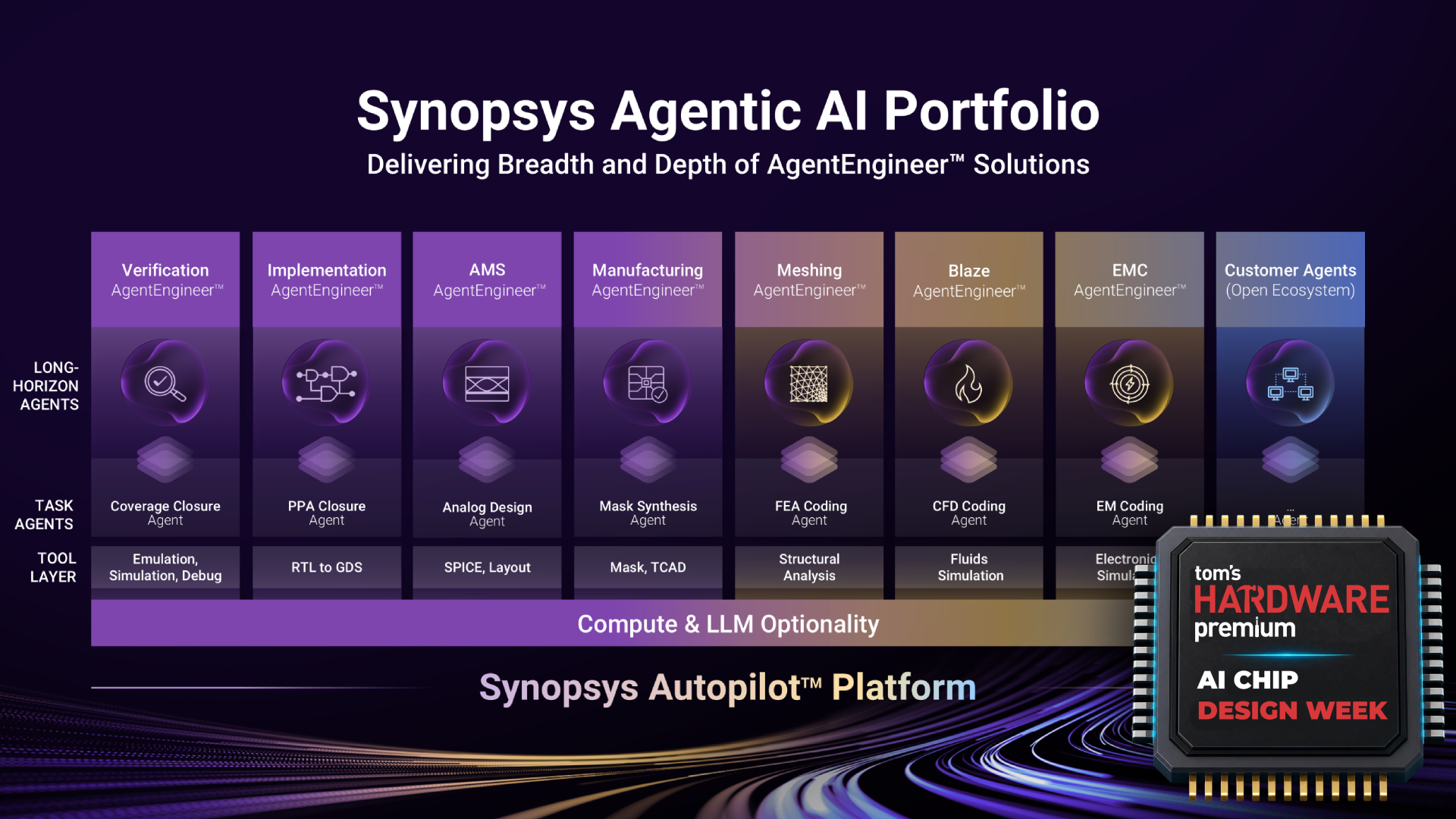
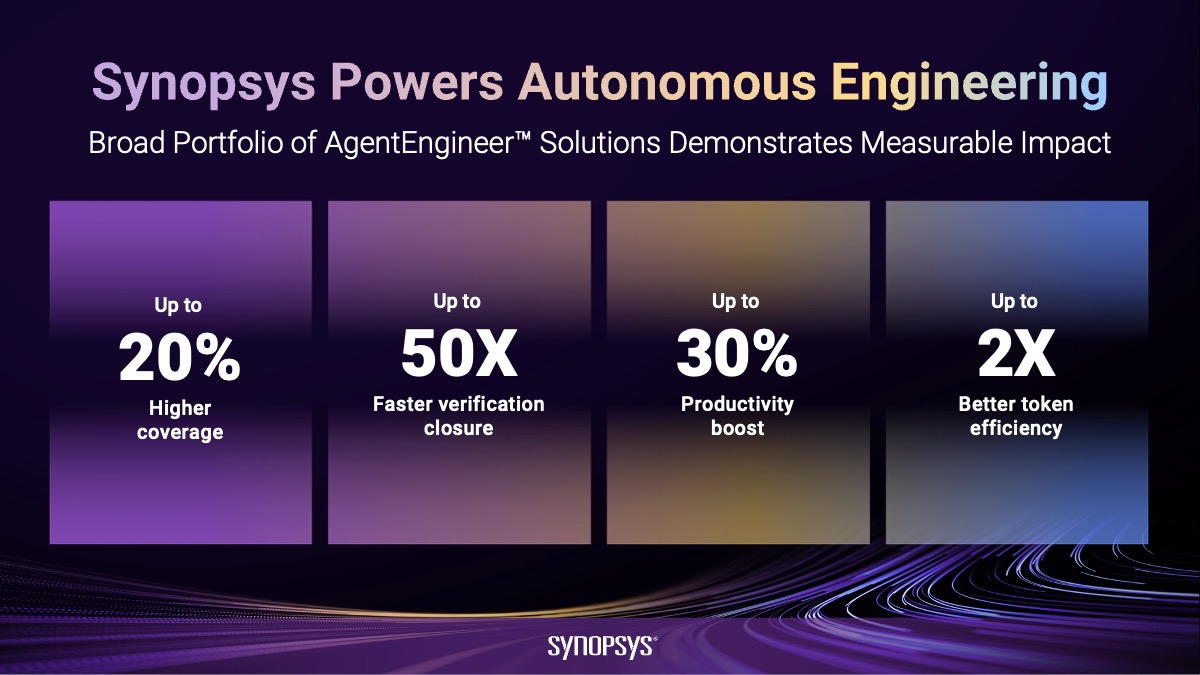
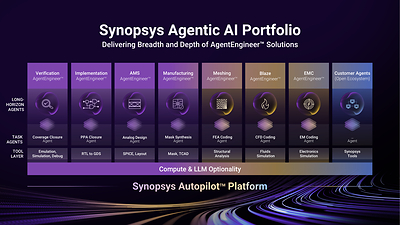
OpenAI and Synopsys have announced GPT-Synopsys, a specialized AI model that revolutionizes semiconductor chip design by combining frontier AI capabilities with industry-leading electronic design automation (EDA) tools. This multi-year partnership represents a critical convergence of generative AI and specialized engineering domains, with the model functioning as an expert user of Synopsys tools—learning to operate like experienced engineers while optimizing power, performance, and area (PPA) metrics. The service runs on OpenAI-hosted infrastructure, integrating with Synopsys.ai and Synopsys Autopilot platforms, with early technology engagements already underway with leading semiconductor customers.
For cross-border e-commerce sellers, this development has immediate and cascading supply chain implications. Improved chip design efficiency directly accelerates semiconductor production cycles, potentially reducing the component shortages that have historically constrained electronics supply chains since 2021-2023. Sellers in IoT devices, smart home products, consumer electronics, and data center infrastructure categories face a critical 6-12 month inventory planning window as chip availability improves. Faster chip development cycles enable creation of more advanced processors for data centers, edge computing devices, and consumer electronics—all foundational to e-commerce fulfillment infrastructure and seller operations. This acceleration could reduce lead times from 18-24 months to 12-15 months for custom semiconductor components, directly impacting product sourcing timelines for electronics sellers.
The partnership establishes a template for AI-powered domain specialization that sellers should monitor for competitive advantage. Unlike generic AI tools connecting general-purpose models to EDA software, GPT-Synopsys functions as a specialized expert system, demonstrating how sector-specific AI models create defensible competitive advantages. This pattern—combining frontier AI with deep domain expertise—is emerging across industries and signals that sellers leveraging specialized AI tools for product research, pricing optimization, and supply chain forecasting will gain measurable advantages over competitors using generic AI solutions. The enterprise-grade security model (customer data not used for training, encrypted at rest/in transit, configurable retention) establishes data protection standards that sellers should expect from AI tools handling proprietary business information.
Immediate seller implications include inventory optimization opportunities and competitive intelligence gathering. Sellers currently managing excess inventory due to historical component shortages can begin strategic rebalancing toward higher-margin products as supply stabilizes. Electronics category sellers should monitor semiconductor lead time improvements through supplier communications and adjust procurement strategies accordingly. The partnership's focus on "first-time-right silicon success" signals that custom chip development for private label products becomes more feasible and cost-effective, creating opportunities for sellers to differentiate through proprietary hardware solutions in smart home, wearables, and IoT categories.
Questions 8
What data security and compliance considerations apply to AI tools handling seller business data?
GPT-Synopsys establishes enterprise-grade security standards that sellers should expect from AI tools: customer design data is not used for model training, encrypted at rest and in transit, and managed through configurable retention, audit, and permission controls. When evaluating AI tools for product research, pricing, or supply chain forecasting, verify that proprietary business data (sales figures, supplier relationships, pricing strategies) receives equivalent protection. Ensure AI tools comply with GDPR (EU sellers), CCPA (California sellers), and industry-specific regulations. Request data processing agreements (DPAs) specifying data usage limitations, encryption standards, and audit rights. Sellers should avoid AI tools that use business data for model training or competitive intelligence, as this creates intellectual property risks.
How long until GPT-Synopsys improvements reach consumer electronics supply chains?
Early technology engagements with leading semiconductor customers are already underway, suggesting 6-12 month timelines for initial chip design improvements to reach production. Component availability improvements typically cascade through supply chains in 12-18 month cycles: chip design acceleration → semiconductor manufacturing → component distribution → OEM integration → consumer product launches. Sellers should expect initial improvements in high-volume commodity chips (processors, memory, power management) within 6-9 months, followed by specialized components (custom ASICs, RF chips) within 12-18 months. Monitor semiconductor industry reports and supplier communications quarterly to track actual lead time improvements, adjusting inventory and procurement strategies accordingly.