



Amazon Prime Day 2026 Early Sales Surge | Seller Pricing & Inventory Strategy
- Retailers launching 20-75% discounts before October 6-7 event, forcing sellers to adjust pricing strategies and accelerate inventory turnover across tech, home, beauty, and apparel categories




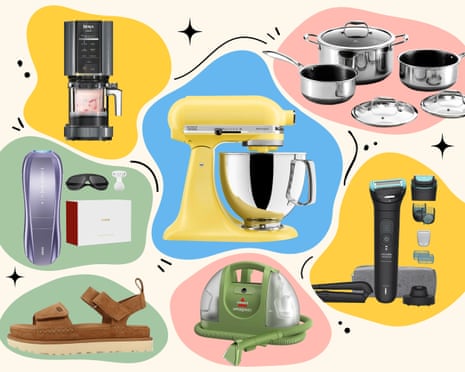











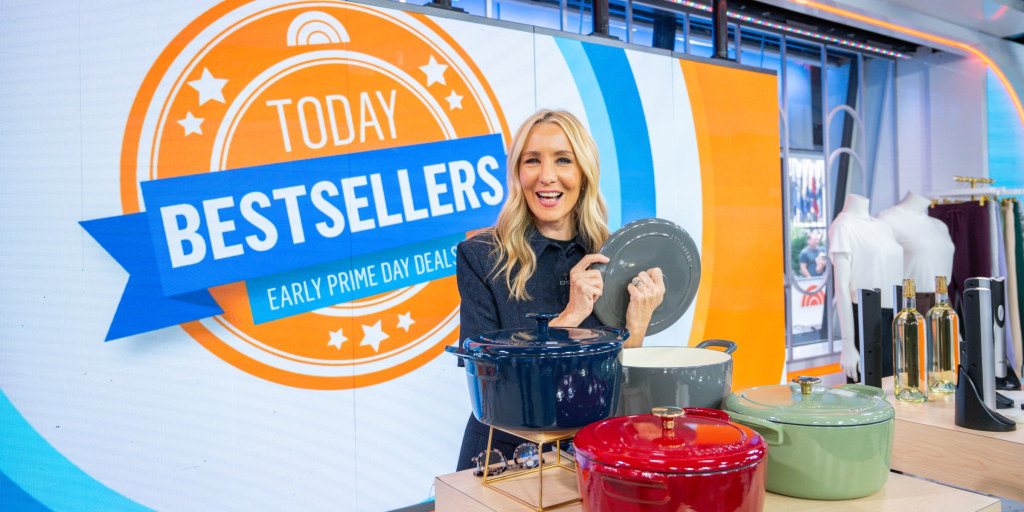








Overview
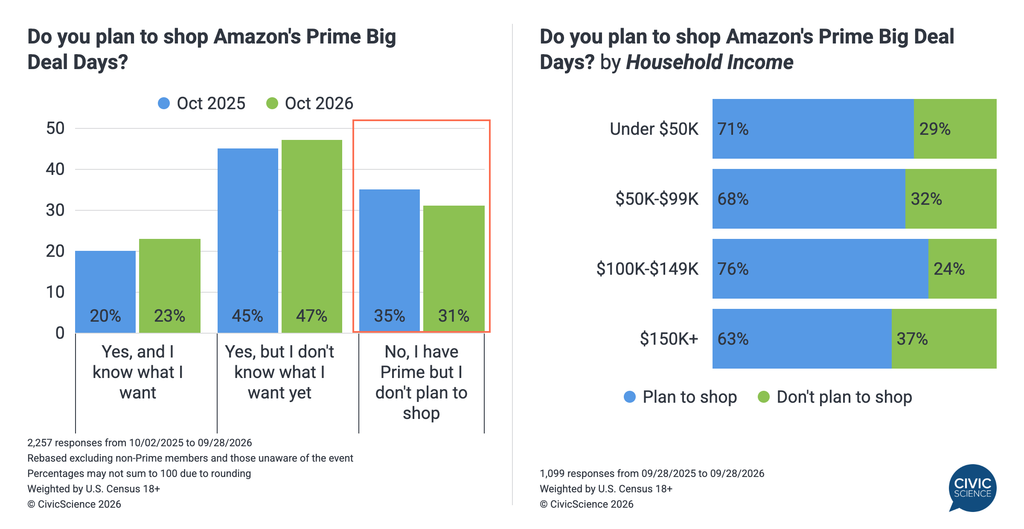
Amazon's October Prime Big Deal Days (October 6-7, 2026) is triggering unprecedented early promotional activity across major U.S. retailers, with Target, Walmart, Nordstrom, Sephora, and Best Buy launching aggressive pre-event sales offering 20-75% discounts. This represents a fundamental shift in Q4 2026 retail strategy, where traditional retailers are front-loading discounts to capture consumer spending before Amazon's official event, creating significant pricing pressure for third-party sellers on Amazon and competing platforms.
The competitive landscape has intensified dramatically. Major retailers are now offering flagship products at historically low prices: Apple AirPods 4 at $99.99 (23% off), Dyson V8 vacuums at 31% off, Fire TV Sticks at 60% off, and premium kitchen appliances like DeLonghi espresso machines at £200 below June pricing. This early promotional blitz signals retailers' recognition that Prime Day has become the dominant shopping event, forcing them to compete aggressively in the weeks leading up to October 6-7. For Amazon FBA sellers, this creates a critical pricing dilemma: maintaining margins while competing against retail giants offering loss-leader pricing, or accepting margin compression to maintain sales velocity and inventory turnover.
Category-specific impacts vary significantly. Kitchen appliances (Ninja Creami, Breville Sous Vide, DeLonghi espresso machines) show the deepest discounts (23-40% off), indicating high inventory levels and aggressive margin sacrifice by retailers. Home goods (vacuums, air purifiers, heated blankets at 38-46% off) and tech accessories (charging stations, routers at 40% off) follow similar patterns. Beauty products (Crest Whitestrips, Philips Sonicare at 24-47% off) and apparel (jeans, jackets, hoodies at 46-50% off) show moderate discounting. This tiered approach suggests retailers are using premium kitchen/home categories as traffic drivers while protecting margins on beauty and fashion. Third-party sellers in kitchen and home categories face the most acute pricing pressure, with potential margin compression of 15-25% to remain competitive on Amazon's Buy Box.
The timing creates operational urgency for sellers. With early sales beginning September 30 and the official Prime Day event on October 6-7, sellers have only 6-7 days to adjust pricing, rebalance inventory, and optimize listings. Sellers with high inventory levels in kitchen, home, and tech categories must decide whether to match retail pricing (accepting lower margins), maintain current pricing (risking lost sales volume), or accelerate clearance strategies. The news coverage from NBC, TODAY Show, Fox News, and The Guardian amplifies consumer awareness of early deals, driving traffic to retail sites and away from third-party sellers who haven't adjusted pricing. This media-driven demand shift could result in 20-30% sales velocity changes across affected categories during the critical pre-event window.
Questions 8
What regional differences exist in early Prime Day promotional activity and pricing?
The news shows significant regional variation in early Prime Day activity. U.S. retailers (Target, Walmart, Best Buy, Sephora) are launching aggressive early sales with discounts up to 75%, while UK retailers (The Guardian's coverage) are offering similar discounts but in British pounds (£). For example, the Ninja Creami is £170 (23% off) in the UK versus $139.99 (39% off) in the U.S., indicating different pricing strategies by region. U.S.-based sellers face the most intense competition from major retailers, while UK-based sellers may have slightly more pricing flexibility. Cross-border sellers shipping to both regions should implement region-specific pricing strategies: maintain competitive pricing in the U.S. market where retail competition is fiercest, while potentially maintaining higher margins in UK/EU markets where retail competition appears less aggressive. The news emphasizes that all featured products meet a minimum 20% discount threshold in the U.S., suggesting this is the baseline competitive pricing floor for American sellers. Sellers targeting EU markets should monitor local retailer pricing to identify regional pricing floors.
What are the profit margin implications of matching retail pricing during early Prime Day sales?
Matching retail pricing typically results in 15-25% margin compression for third-party sellers. The news shows specific examples: Apple AirPods 4 at $99.99 (down from $129.99, a 23% reduction), Dyson V8 vacuums at 31% off, and Fire TV Sticks at 60% off. For a seller with a typical 40% gross margin on electronics, matching a 30% retail discount reduces gross margin to approximately 10-15%, leaving minimal room for Amazon FBA fees (15-45% depending on category), advertising costs (10-20% of revenue), and operational expenses. Kitchen appliances show the deepest discounts (23-40% off), making profitability nearly impossible at retail pricing. Sellers should calculate their break-even pricing before committing to price reductions. For example, a $300 kitchen appliance with 40% margin ($120 gross profit) becomes a $180-210 product at retail pricing, reducing gross profit to $36-54 after a 30-40% discount. After Amazon FBA fees (typically 30-35% for kitchen appliances), sellers face losses or minimal profit. Strategic sellers should limit price reductions to 10-15% to maintain profitability while remaining competitive.