





High-Income Consumer Spending Pressure | Working Capital Financing Opportunity for Sellers
- Rising cost-of-living impacts $300K+ earners, signaling demand shift toward value-oriented products and financing solutions for sellers managing cash flow volatility






Overview
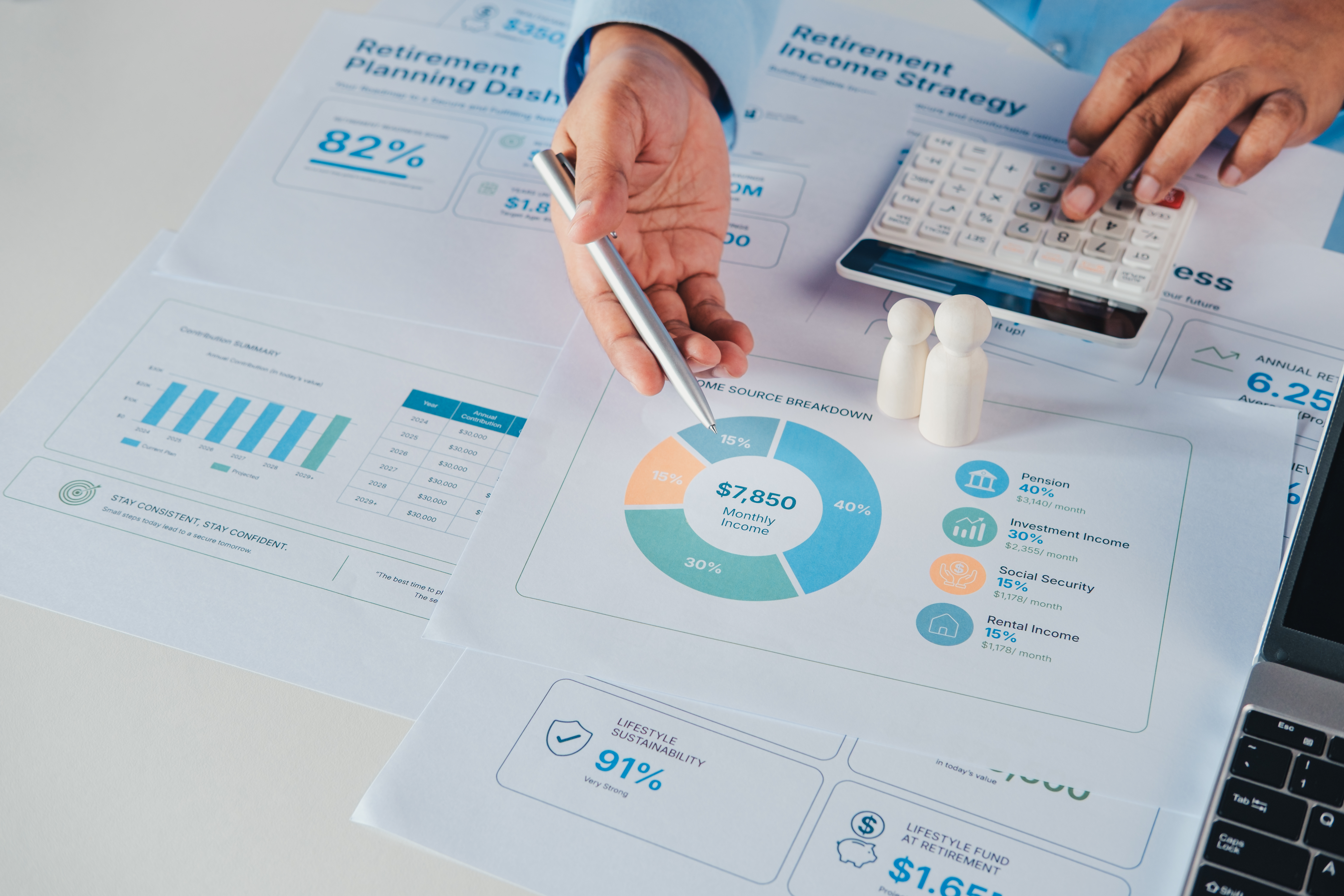
The trend of high-income earners ($300,000+) living paycheck-to-paycheck reveals a critical shift in consumer spending behavior that directly impacts cross-border e-commerce sellers. This phenomenon reflects rising costs across housing, healthcare, education, and taxes that compress discretionary spending even at premium income levels. For sellers, this signals a bifurcation in consumer demand: affluent buyers increasingly seek value-oriented products, subscription models, and financing options rather than premium-priced goods. The financial pressure on high earners creates immediate opportunities for sellers in three areas: (1) Product Category Shifts - Demand increases for value-oriented alternatives in electronics, home goods, and personal care, even among affluent demographics. Sellers offering quality products at competitive price points can capture market share from premium brands. (2) Payment Method Innovation - High-income consumers increasingly adopt buy-now-pay-later (BNPL) solutions, subscription services, and flexible payment options. Sellers integrating Klarna, Affirm, or regional BNPL providers (Clearpay in EU, Afterpay in APAC) can unlock higher conversion rates and average order values. (3) Working Capital Financing Demand - As consumer purchasing patterns become more volatile and payment cycles extend, sellers face increased working capital pressure. This creates demand for invoice financing, inventory loans, and supply chain finance products. Lenders are actively targeting e-commerce sellers with improved terms: 2-4% monthly rates on inventory financing (vs. 5-8% traditional), 30-45 day settlement on receivables (vs. 60+ days), and flexible PO financing for sellers managing demand uncertainty. The cash conversion cycle becomes critical—sellers can reduce days-to-cash by 15-25 days through strategic financing partnerships, unlocking $50K-$500K in working capital depending on monthly revenue. Regional payment optimization also matters: sellers shipping to US high-income markets (California, New York, Massachusetts) should prioritize BNPL integration; EU sellers should emphasize installment payment options compliant with PSD2 regulations; APAC sellers can leverage regional BNPL leaders like Atome and Grab Pay. The underlying consumer behavior shift—affluent buyers becoming price-conscious—represents a permanent market restructuring, not a temporary trend. Sellers who adapt product positioning, payment options, and financing strategies will capture disproportionate share of this high-income segment.
Questions 8
What are the cash flow risks if sellers don't adapt to this spending trend?
Sellers maintaining premium positioning face 20-35% demand decline in affluent segments as consumers shift to value alternatives. Extended payment cycles (60-90 days) from BNPL adoption increase working capital requirements by 30-50% without proper financing. Inventory turnover slows if product positioning misaligns with buyer expectations, tying up capital longer. Sellers without BNPL integration lose 15-25% conversion rate advantage to competitors offering flexible payments. Immediate actions: audit product positioning, integrate BNPL solutions within 30 days, secure inventory financing lines, and monitor cash conversion cycle weekly. Delay increases risk of cash flow stress and lost market share.
What cross-border payment corridors offer fee advantages during consumer spending contraction?
When US consumer spending contracts, cross-border sellers face reduced demand from high-value US buyers. However, **alternative payment corridors show fee advantages**: US-to-EU transfers via **Wise cost 0.5-1.5%** vs. traditional banks at 2-4%; US-to-Asia transfers via **Remitly or OFX cost 1-2%** vs. 3-5% for banks. For sellers with manufacturing in Asia and sales in US/EU, **optimizing payment corridors** can unlock 1-2% margin improvement. The strategic move: establish **regional banking entities** (HK, SG, or EU) to access lower-cost payment corridors. A seller with $500K monthly cross-border revenue can save $2,500-5,000 monthly by optimizing payment routing. During demand contraction, this margin improvement becomes critical—implement corridor optimization within 2-4 weeks to capture savings before broader market recognition drives fee increases.