
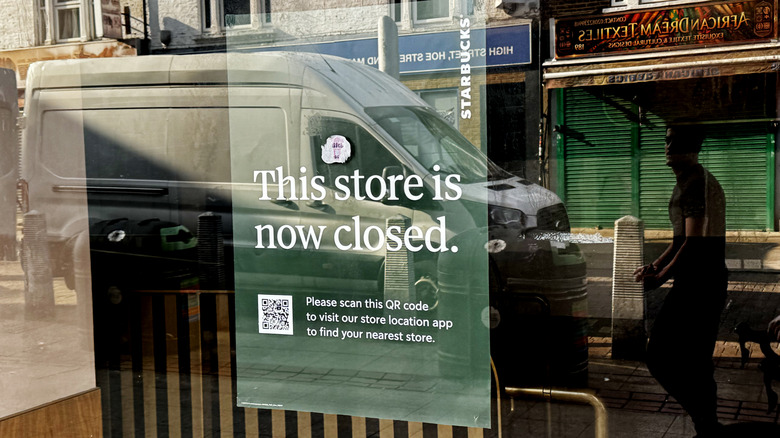


Starbucks Closes 4 Ohio Stores | QSR Restructuring Signals Retail Real Estate Shift for O2O Sellers
- 250+ North American closures reveal profitability crisis in physical retail; offline-first brands must pivot to pop-up/kiosk models to survive market consolidation






Overview
Starbucks' announcement of 4 Ohio store closures (Cleveland Heights, Columbus, Oakwood) as part of a 250+ North American shutdown represents a critical inflection point for retail operations strategy. The company's board approved these closures on September 22, 2026, with most stores expected to shutter by fiscal year-end—marking the second consecutive wave of major restructuring (following 250+ closures in September 2025). This signals a fundamental shift in how major QSR brands evaluate physical retail viability, with implications for cross-border sellers pursuing O2O (Online-to-Offline) strategies.
The Core Issue: Physical Retail Profitability Crisis Starbucks COO Mike Grams explicitly cited "poor performance" and inability to "deliver consistent customer and employee experience" as closure drivers. Stores were selected based on failure to meet performance standards or lack of "a path to acceptable financial performance." With Ohio operating 521 Starbucks locations, the 4 confirmed closures represent <1% of state footprint—but the company has not released a comprehensive closure list, suggesting additional locations may be at risk. This reflects broader QSR sector challenges where companies are reassessing store portfolios based on profitability metrics and operational efficiency.
Implications for O2O and Experiential Retail Sellers For cross-border sellers pursuing offline presence, this trend reveals critical vulnerabilities in traditional retail models: high fixed costs (rent, labor, utilities), inconsistent foot traffic, and difficulty maintaining brand experience across multiple locations. The closure pattern indicates that even mega-brands with 521+ locations in a single state cannot sustain unprofitable stores. This creates two strategic opportunities: (1) Pop-up/Kiosk Model Validation: Temporary retail presence (30-90 days) in high-traffic venues becomes more attractive than long-term leases; (2) Retail Partnership Consolidation: Remaining high-performing locations become premium real estate for co-branded experiences and product placement.
Market Consolidation Creates Seller Opportunities The timing of these closures—late fiscal 2026—suggests Starbucks is prioritizing financial optimization over market coverage. For sellers, this means: (1) Reduced competition for premium retail locations as major chains consolidate; (2) Increased availability of secondary retail spaces at lower rents; (3) Growing consumer acceptance of omnichannel fulfillment (delivery + limited physical touchpoints). Sellers should view this as validation that offline presence no longer requires dense store networks—strategic pop-ups in high-demand cities (Columbus, Cleveland) can drive brand awareness and online conversion more efficiently than permanent locations.
Questions 7
What does Starbucks' closure strategy mean for sellers pursuing O2O retail presence?
The closures validate a shift from permanent retail locations to temporary, high-ROI pop-up and kiosk models. Starbucks' inability to maintain profitability across 521 Ohio locations suggests that sellers should prioritize strategic pop-ups in high-foot-traffic cities (Columbus, Cleveland) over long-term leases. The consolidation also creates opportunities: (1) Secondary retail spaces become available at lower rents; (2) Remaining high-performing locations offer premium co-branding opportunities; (3) Consumers increasingly accept omnichannel fulfillment (online + limited offline touchpoints). Sellers can achieve brand awareness and conversion lift with 30-90 day pop-ups rather than permanent stores.
Which Ohio cities offer the highest ROI for pop-up retail following Starbucks closures?
Columbus and Cleveland represent the highest-opportunity markets. Starbucks is closing 2 Columbus locations (1014 N. High St., 4015 Easton Station) and 1 Cleveland Heights location (3093 Mayfield Road), indicating these areas face foot-traffic or profitability challenges. However, Columbus and Cleveland remain major urban centers with significant consumer density. Sellers should target: (1) High-traffic retail corridors vacated by Starbucks closures (lower rents, established foot-traffic patterns); (2) Complementary venues (food halls, shopping centers, transit hubs) where Starbucks' departure creates co-tenancy opportunities; (3) 60-90 day pop-ups during peak seasons (Q4 holiday, spring) to test market demand before committing to permanent locations.