
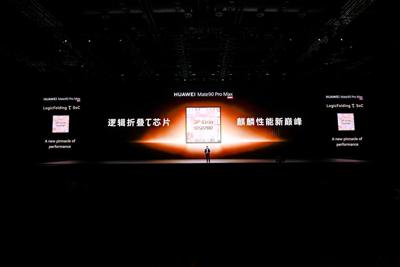

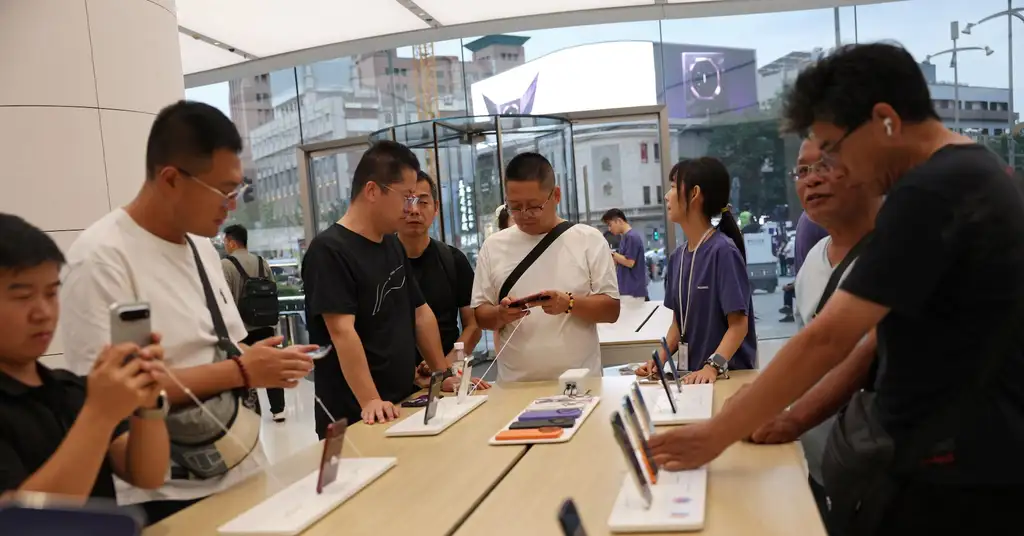


Huawei Mate 90 Homegrown Chips Signal Tech Decoupling | Supply Chain Shifts for Electronics Sellers
- US-China semiconductor sanctions accelerate vertical integration, creating sourcing volatility for 50K+ cross-border electronics sellers in Asia-Pacific markets





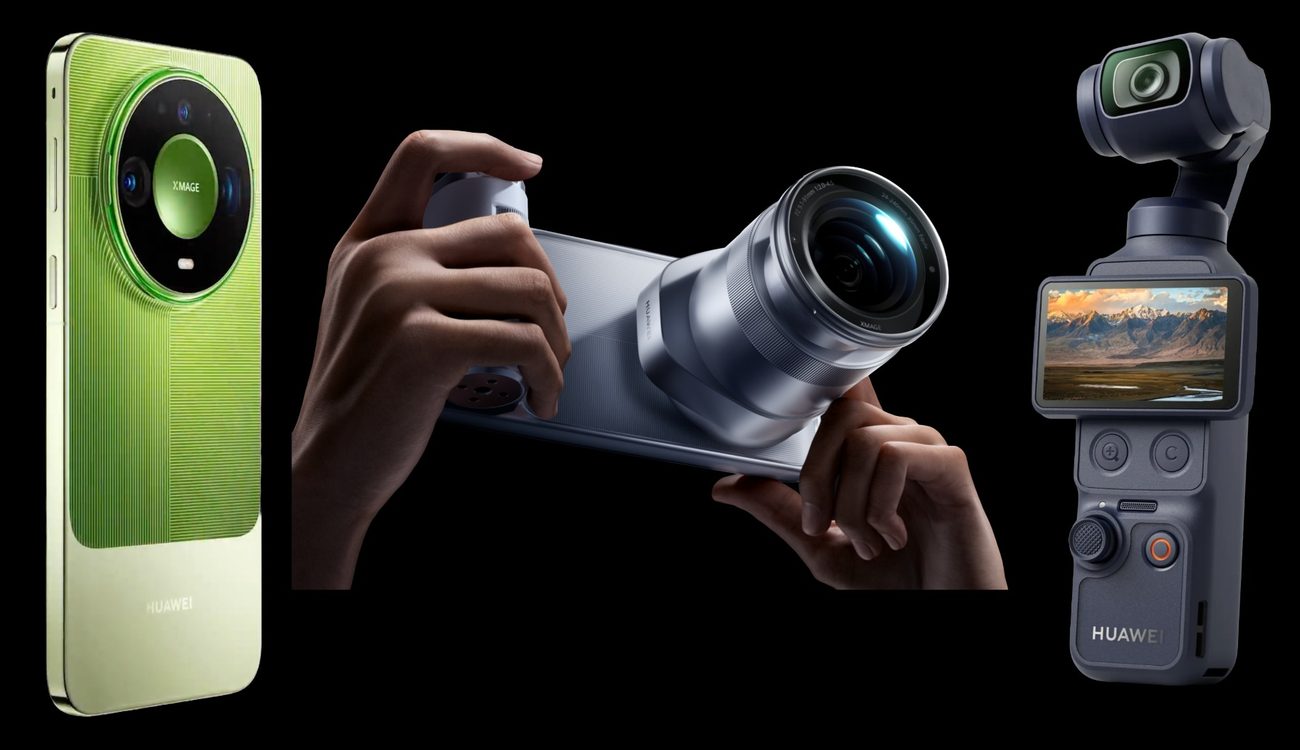
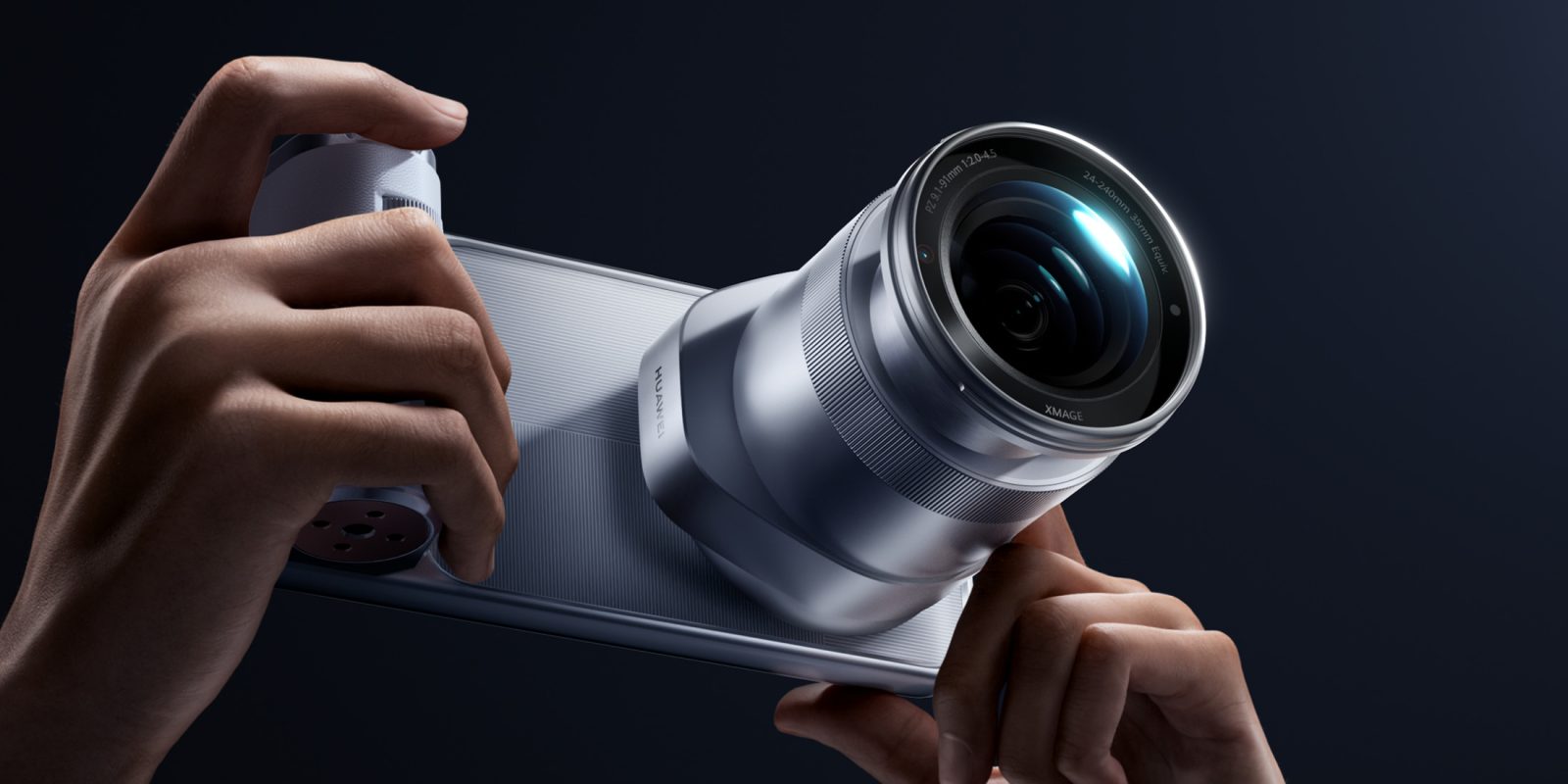
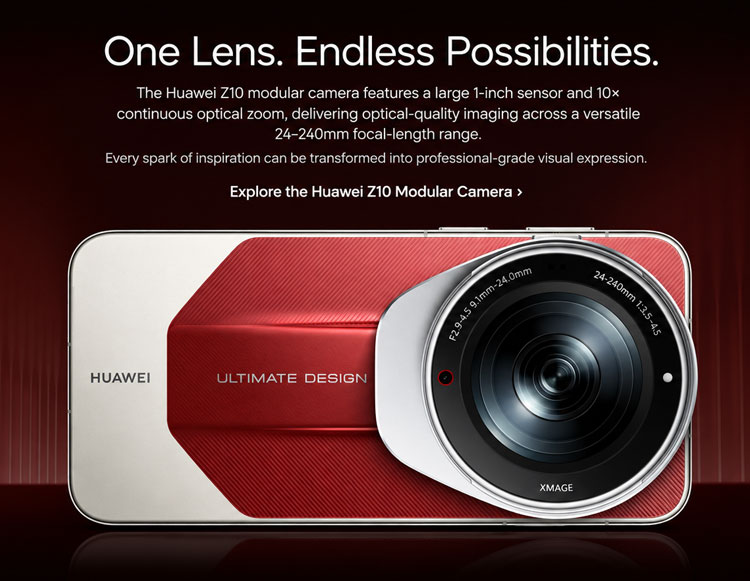



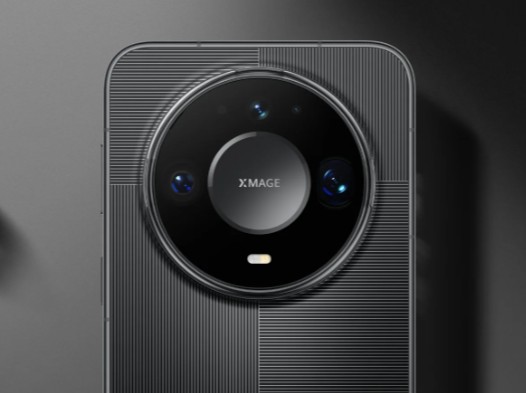
Overview
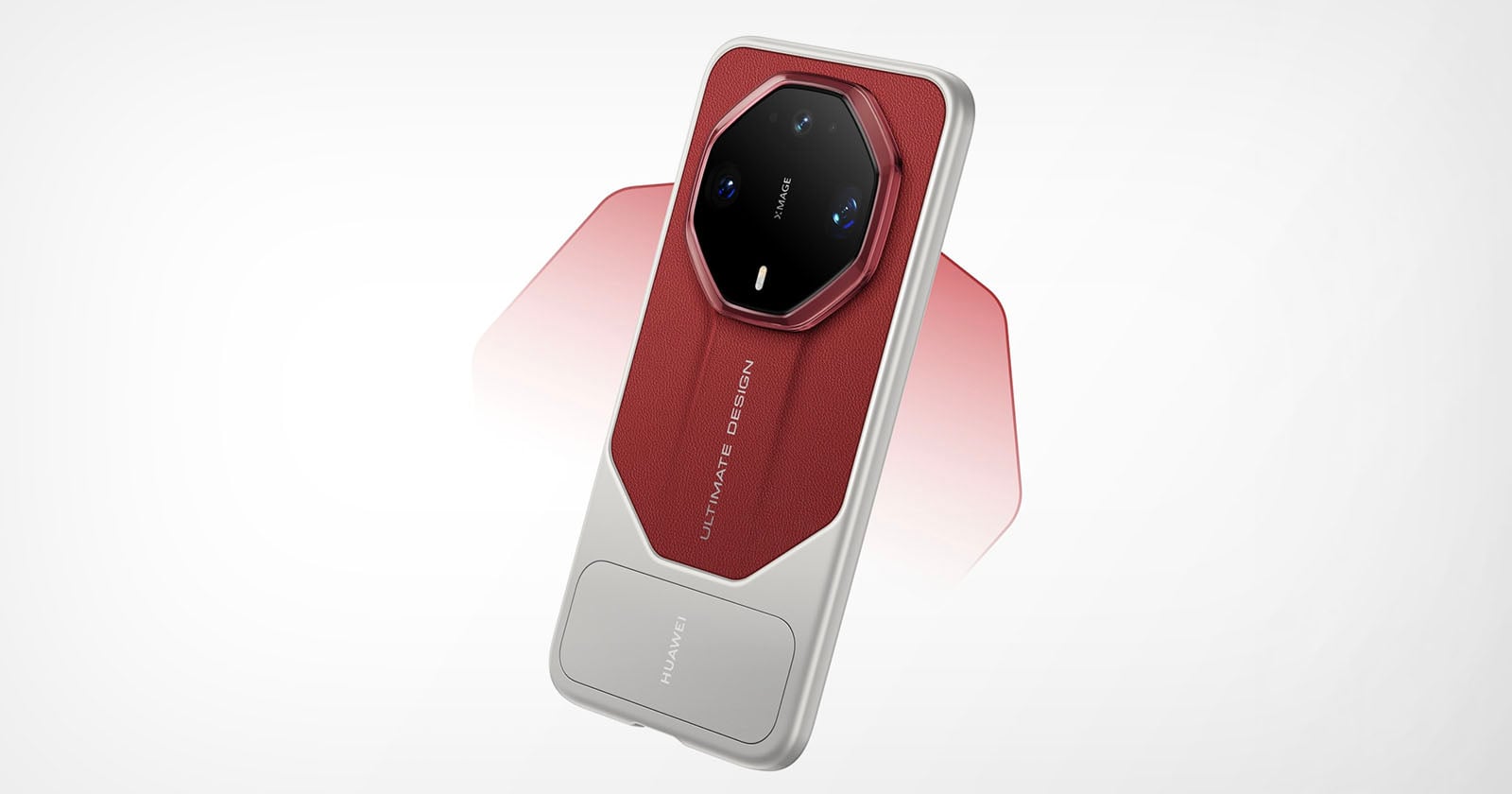
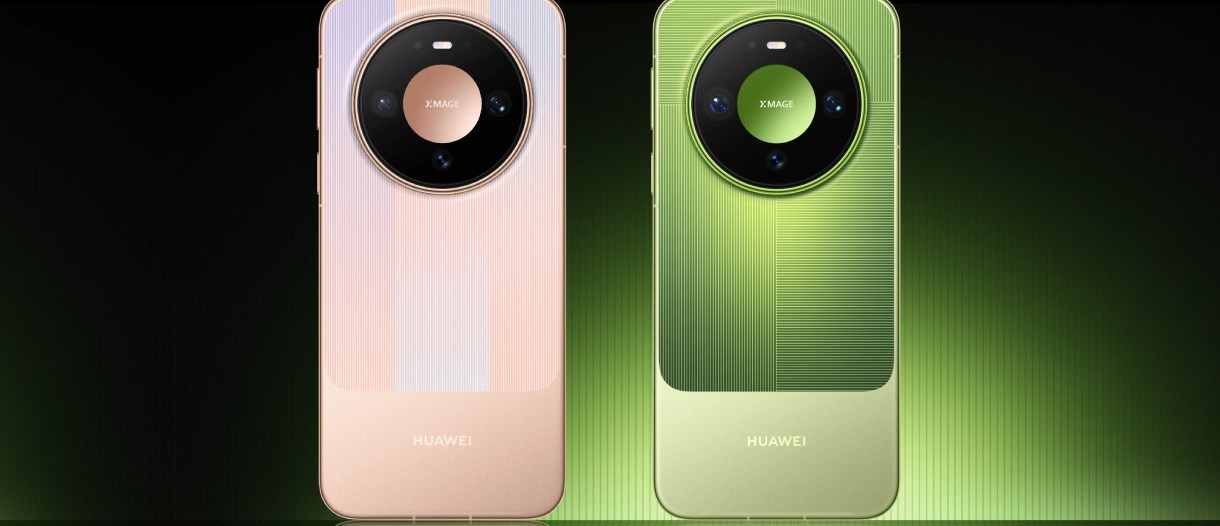
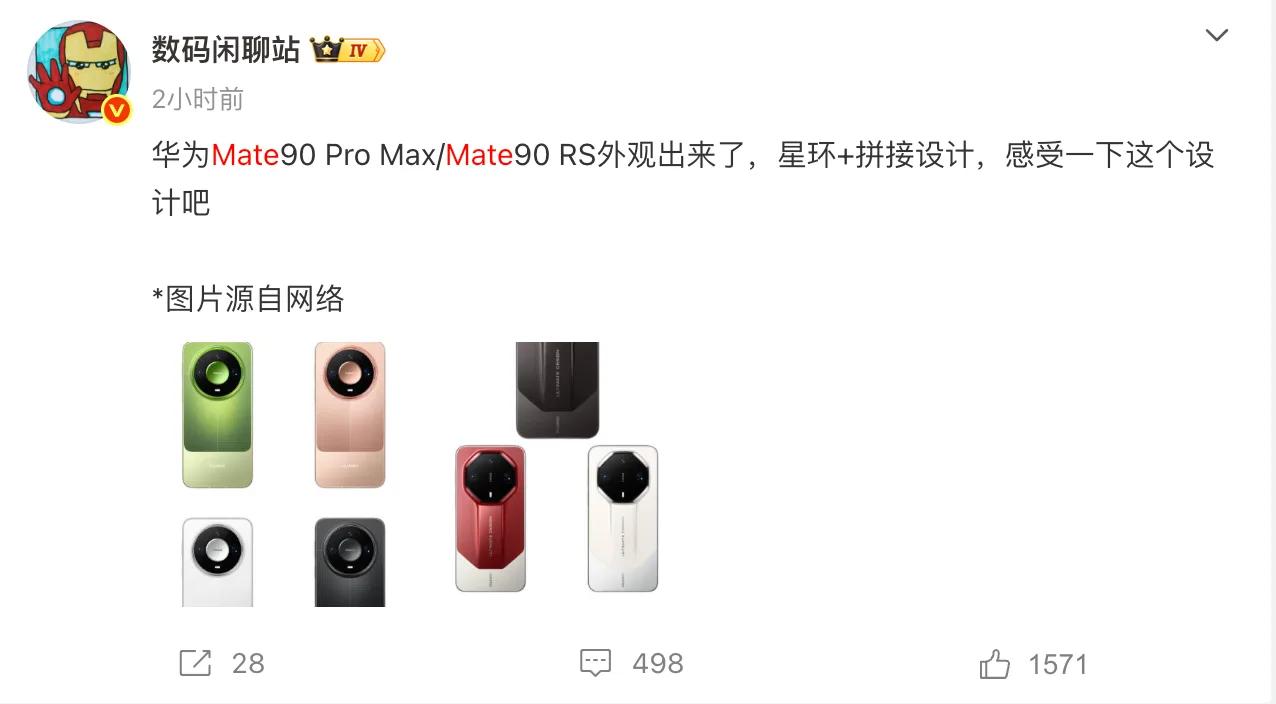
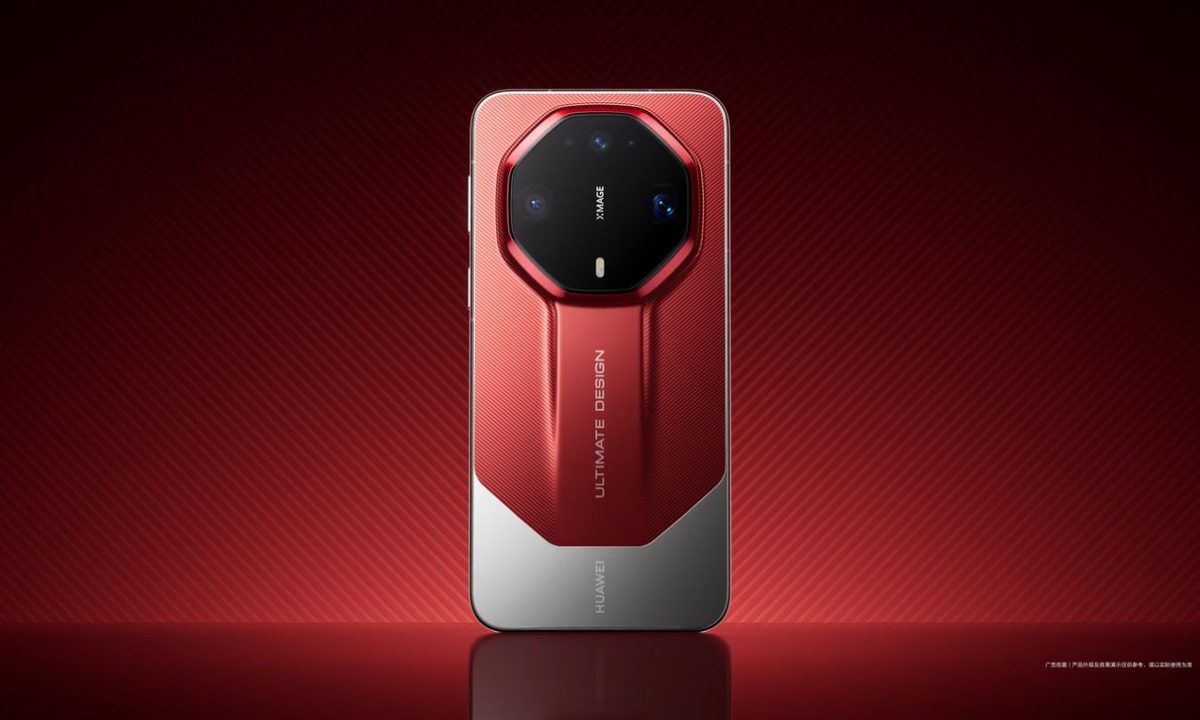
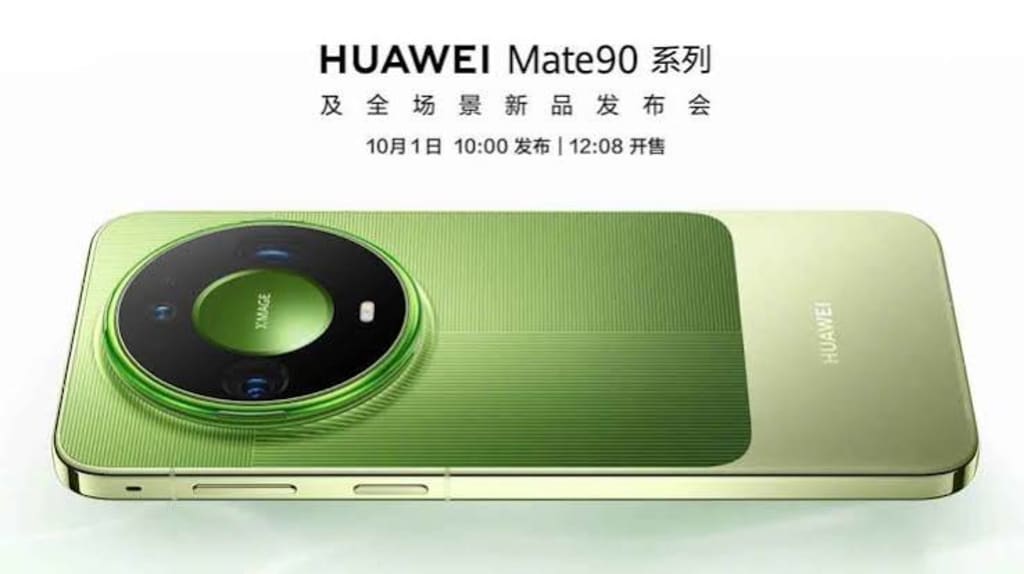
Huawei's Mate 90 announcement represents a critical inflection point in US-China tech decoupling that directly impacts cross-border e-commerce supply chains. The company's pivot to proprietary, domestically-developed processors—driven by ongoing US export controls restricting access to Qualcomm and TSMC chips—signals accelerating bifurcation in global semiconductor sourcing. This development carries immediate implications for sellers operating in consumer electronics, smartphone accessories, and component categories, particularly those sourcing from China or selling into Asian markets where Huawei maintains strong distribution networks.
The supply chain impact manifests across three critical dimensions for e-commerce sellers. First, component availability and pricing volatility: Chinese tech companies' forced investment in domestic semiconductor alternatives will likely increase production costs 8-15% for non-Huawei manufacturers competing in the same supply ecosystem, as domestic chip foundries scale production at higher unit costs than established international suppliers. Second, market segmentation by geography: Huawei's vertical integration strategy creates a two-tier smartphone market—Chinese domestic market increasingly served by Huawei's proprietary chips, while international markets face supply constraints as TSMC and Qualcomm capacity becomes more contested. Third, competitive dynamics in smartphone accessories: Sellers of phone cases, chargers, screen protectors, and repair components must now track two distinct hardware ecosystems (Huawei proprietary vs. international standard), requiring separate inventory management and product development strategies.
For sellers sourcing finished goods or components from China, the immediate risk window is 6-12 months. US sanctions have forced Chinese manufacturers to invest heavily in domestic alternatives, creating temporary supply chain friction as production transitions from proven international suppliers to newer domestic options. Sellers should expect 15-25% price increases on components sourced from China during this transition period, with potential 4-8 week lead time extensions as manufacturers optimize new supply chains. The geopolitical context—ongoing US export controls on advanced semiconductor manufacturing tools and design software—suggests these supply constraints will persist through 2025-2026, making early sourcing diversification critical.
Strategic opportunities exist for sellers willing to adapt quickly. Sellers can capitalize on Huawei's market expansion in Southeast Asia (Vietnam, Thailand, Indonesia) where the company is building distribution networks independent of US-controlled supply chains. Additionally, the performance trade-offs noted in industry analysis (Huawei's proprietary chips vs. leading international processors) create opportunities in the budget smartphone accessory segment, where consumers accept functional compromises for cost savings. Sellers should monitor Huawei's quarterly earnings reports and product roadmap announcements to anticipate market shifts 2-3 quarters ahead of mainstream adoption.
Questions 8
How does Huawei's Mate 90 chip strategy affect smartphone accessory sellers?
Huawei's shift to proprietary processors creates a bifurcated market requiring sellers to maintain separate product lines for Huawei devices versus international standard phones. Sellers of cases, chargers, and screen protectors must now develop Huawei-specific SKUs, increasing inventory complexity by 20-30%. The news indicates Huawei is expanding distribution in Asia-Pacific markets, creating immediate demand for compatible accessories in Vietnam, Thailand, and Indonesia. Sellers should begin sourcing Huawei-compatible products within 60 days to capture early market share before competitors recognize the opportunity.
How will US export controls on semiconductor tools affect component pricing?
US sanctions restrict Chinese access to advanced semiconductor design and manufacturing tools from companies like Qualcomm and TSMC, forcing domestic alternatives that operate at higher unit costs. The news indicates Chinese tech companies are investing heavily in domestic chip development, but these alternatives typically cost 8-15% more per unit than established international suppliers. Sellers sourcing components from China should budget for 10-20% price increases over the next 12 months. Compliance with US export control regulations (EAR/ITAR) becomes critical for sellers handling semiconductor-related products, requiring legal review before sourcing decisions.