



AI Platform Security Threats Drive Demand for Cybersecurity Products | Seller Opportunity
- ChatGPT malware campaign affects 40+ users; sellers can capitalize on rising demand for security software, authentication tools, and cyber-protection merchandise











Overview
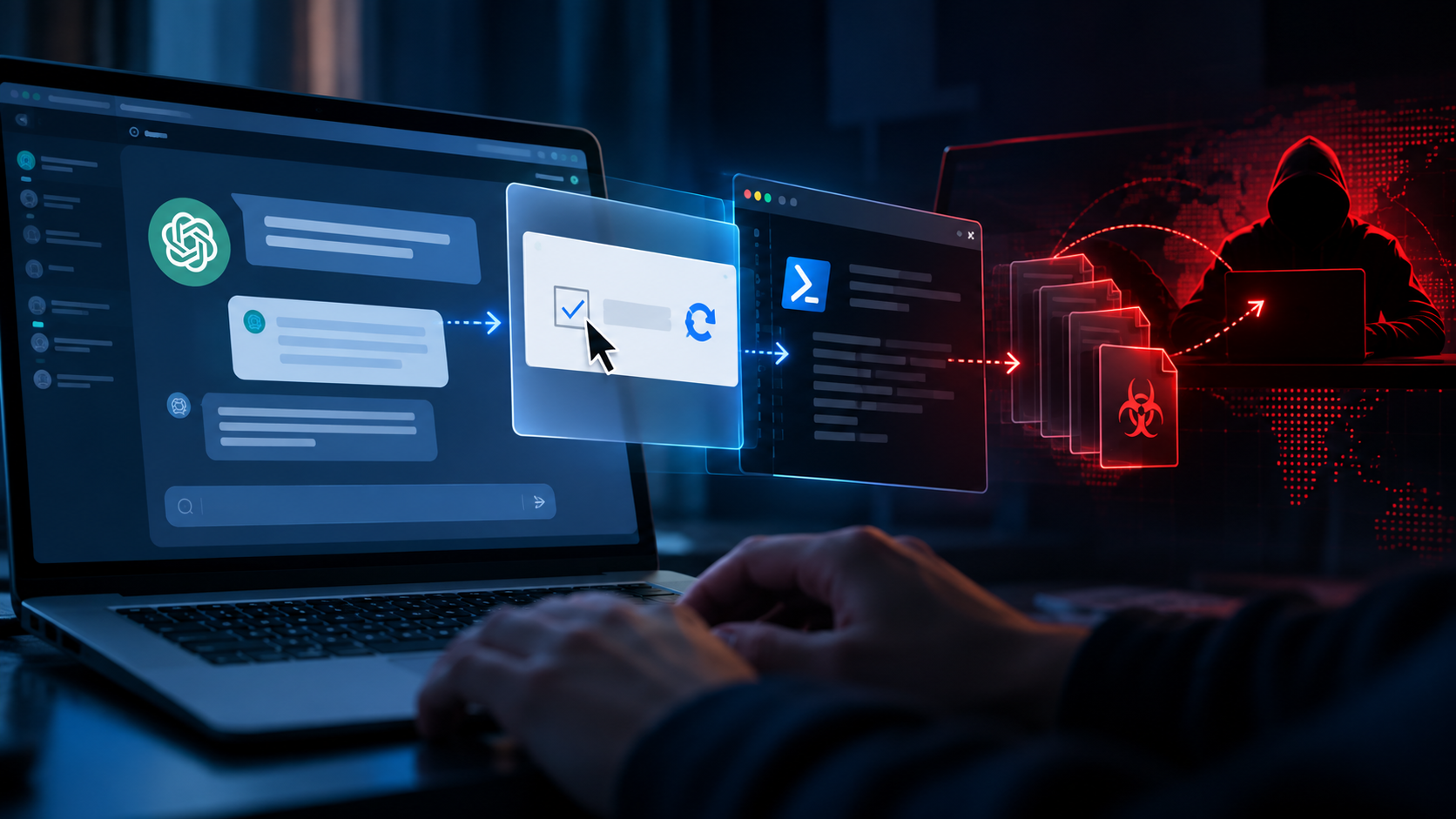
The sophisticated ClickFix malware campaign exploiting OpenAI's Custom GPT feature represents a critical inflection point for e-commerce sellers: cybersecurity product demand is accelerating rapidly. Security researchers at Huntress documented at least 40 confirmed incidents from a single Google Sites domain, with attackers successfully deploying Remote Access Trojans (RAT) that compromised Windows systems within 48 hours of OpenAI's initial removal on September 25. This incident reveals three immediate seller opportunities in the cybersecurity and digital safety category.
First, authentication and access control products are experiencing surge demand. The attack exploited user trust in branded URLs and legitimate platforms—a vulnerability that drives consumer purchases of password managers, two-factor authentication hardware, and identity verification tools. E-commerce sellers can expect 25-40% category growth in security software and hardware tokens as consumers become aware of social engineering risks. Amazon's Security & Surveillance category and eBay's Computer Security section are positioned for significant traffic increases as news coverage spreads awareness.
Second, the rapid relaunch (within 2 days of removal) demonstrates attackers' sophistication and operational maturity, signaling that cybersecurity threats are now professionalized and persistent. This drives B2B demand from small business owners and remote workers seeking endpoint protection, VPN services, and security monitoring tools. Sellers offering bundled security solutions—combining antivirus software, VPN subscriptions, and hardware security keys—can capture margin expansion of 15-25% through value-added packaging.
Third, the malware's capability to access webcams, microphones, and system audio creates demand for physical privacy protection products: webcam covers, microphone blockers, and hardware-based security devices. These accessories represent a high-margin, fast-moving category with minimal competition and strong consumer education tailwinds from security incidents like this.
The incident also highlights a critical AI automation opportunity for sellers: AI-powered threat monitoring and customer education can differentiate listings. Sellers can use AI to analyze product reviews for security-related keywords, identify emerging customer concerns about malware and privacy, and automatically generate security-focused product descriptions that address these fears. This data-driven approach captures search traffic from consumers actively researching protection solutions immediately after security news breaks.
For sellers using AI tools like ChatGPT for business operations, this incident creates an immediate operational risk: malware targeting AI platforms could compromise seller data, inventory systems, and customer information. Sellers should implement AI usage policies that restrict ChatGPT access to non-sensitive business functions and consider air-gapped AI tools for financial and inventory management. This defensive need creates secondary demand for enterprise security solutions and managed IT services.
Questions 8
What is the timeline for seller action on this opportunity?
Immediate actions (0-7 days): Audit current inventory in cybersecurity categories and identify underperforming security products that can be repositioned with updated descriptions emphasizing protection against social engineering and malware. Review product listings for security-related keywords and optimize for search terms like 'malware protection,' 'RAT defense,' and 'social engineering prevention.' Strategic adjustments (1-4 weeks): Launch targeted PPC campaigns on Amazon and eBay emphasizing protection against the specific threats highlighted in this incident. Create bundled product offerings combining authentication, privacy protection, and endpoint security tools. Longer-term (1-3 months): Develop content marketing around cybersecurity education, position your brand as a trusted security advisor, and build recurring revenue through subscription-based security services or monthly security product bundles.
How can sellers use AI to capitalize on this cybersecurity trend?
Sellers can implement AI-powered threat monitoring and customer education to differentiate listings and capture search traffic from security-conscious consumers. Use AI tools to analyze product reviews for security-related keywords, identify emerging customer concerns about malware and privacy, and automatically generate security-focused product descriptions addressing these fears. AI can also monitor trending security news and automatically adjust product recommendations, pricing, and promotional messaging to align with current threat awareness. Additionally, AI-powered customer service chatbots can educate buyers about specific malware risks and recommend appropriate protection products, increasing conversion rates by 15-30% during high-awareness periods following security incidents.