


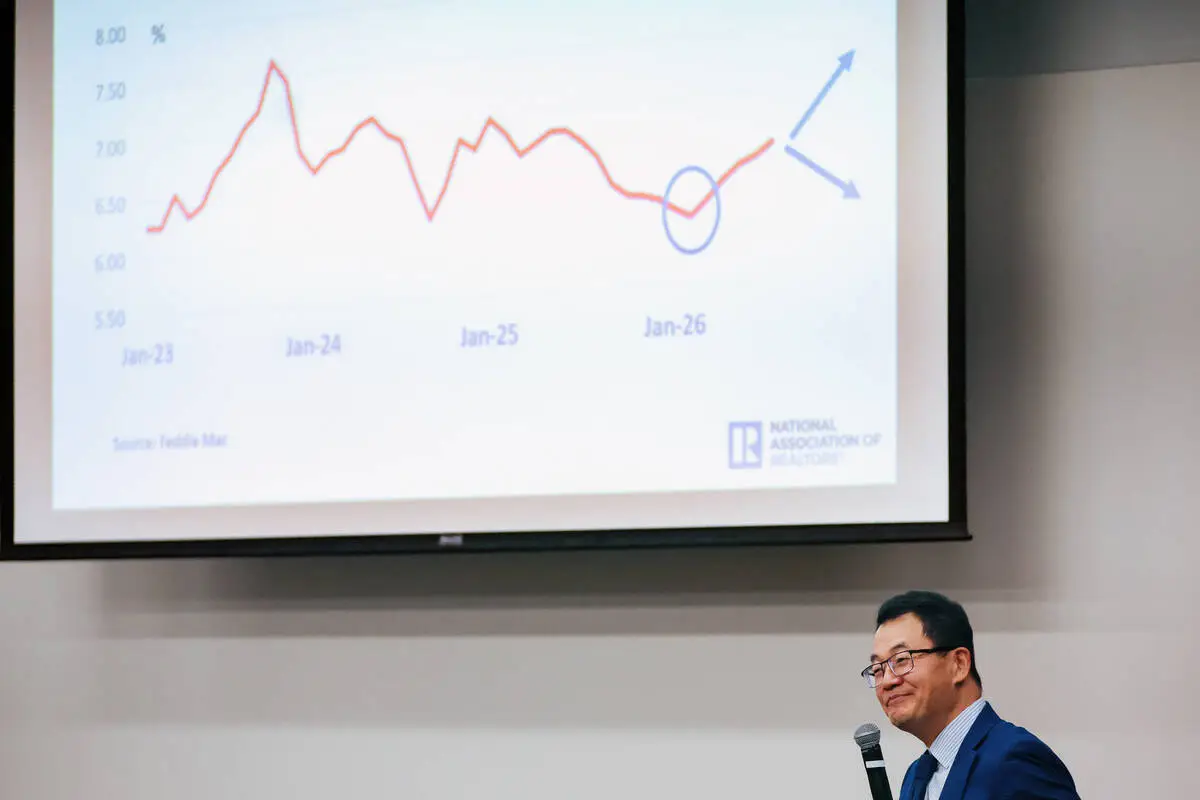


Mortgage Rates Hit 7.28% | Consumer Spending Pressure Reshapes E-Commerce Demand
- 70 basis points September surge reduces housing affordability, shifts discretionary spending patterns for e-commerce sellers targeting US homeowners and home improvement categories





















Overview
Rising mortgage rates to 7.28% (highest since November 2023) represent a critical macroeconomic headwind for e-commerce sellers targeting US consumer spending. According to Freddie Mac data, the 70 basis point increase in September alone—combined with the largest single-week jump in nearly four years—signals a fundamental shift in consumer purchasing power and discretionary spending patterns. Zillow economists note that "affordability and borrower demand have weakened in recent weeks," directly impacting the household budgets of 130+ million US homeowners and renters considering home purchases or refinancing.
For e-commerce sellers, this mortgage rate surge creates immediate demand compression in home-related categories while opening opportunities in budget-conscious product segments. Homebuyers facing 7.6% mortgage rates (vs. 6.5% six months prior) experience $200-400 monthly payment increases on $400K mortgages, reducing discretionary spending on furniture, home décor, appliances, and renovation supplies. The Mortgage Bankers Association reports that 66% of builders are now offering sales incentives (rate buydowns, closing-cost credits) to offset affordability challenges—indicating consumer resistance is intensifying. This directly correlates to reduced demand for home improvement products on Amazon, eBay, and Shopify stores. Conversely, sellers in budget categories (value home goods, DIY supplies, discount furniture) may see increased demand as consumers defer major purchases and focus on affordable upgrades.
The broader macroeconomic context—driven by global bond selloff, oil price concerns, and elevated government debt—suggests sustained higher rates through Q4 2026 and into 2027. The 10-year Treasury yield briefly spiked to its highest level since 2002, indicating investor concerns about inflation persistence and Federal Reserve policy. Zillow revised its year-end mortgage rate forecast upward to 7.1%, suggesting rates will remain elevated. For e-commerce sellers, this means: (1) sustained demand compression in premium home categories through holiday 2026, (2) increased price sensitivity among US consumers, (3) potential shift toward alternative financing options (ARMs now at 10.3% of applications—highest since October 2025), and (4) opportunity to capture budget-conscious shoppers with value positioning and financing options (Affirm, Klarna, PayPal Credit).
Payment and financing optimization becomes critical as consumer liquidity tightens. Sellers should prioritize payment methods offering installment options (Affirm, Klarna, PayPal Credit) to reduce purchase friction for mid-ticket items ($200-2,000). Cross-border sellers shipping to US markets should monitor currency exposure—the Fed's higher-for-longer stance strengthens the USD, improving margins for sellers with USD-denominated costs but compressing margins for those with foreign currency liabilities. Consider hedging strategies for Q4 2026 inventory purchases if sourcing from Asia or Europe.
Questions 8
How should cross-border sellers manage currency exposure during this rate environment?
The Federal Reserve's higher-for-longer stance strengthens the USD, creating divergent impacts: sellers with USD-denominated costs benefit from stronger margins, while those with foreign currency liabilities (EUR, GBP, CNY sourcing) face margin compression. If sourcing from Asia or Europe, implement FX hedging strategies for Q4 2026 inventory purchases—lock in forward rates 60-90 days ahead to protect margins. Monitor USD/EUR and USD/CNY pairs closely; a 5% USD appreciation could reduce margins by 3-5% for sellers with foreign supplier costs. Consider shifting sourcing to USD-denominated suppliers or implementing dynamic pricing to offset FX headwinds.
What payment methods should sellers prioritize as consumer liquidity tightens?
Installment payment options (Affirm, Klarna, PayPal Credit) become critical as consumers face reduced monthly budgets. These platforms reduce purchase friction for mid-ticket items ($200-2,000) by spreading payments over 3-12 months. Sellers offering installment options typically see 20-35% higher conversion rates on items $300+ during economic downturns. Enable these payment methods in your Shopify, Amazon, or eBay store settings immediately. Additionally, consider offering 'buy now, pay later' promotions during Q4 2026 to capture holiday spending despite affordability constraints.