

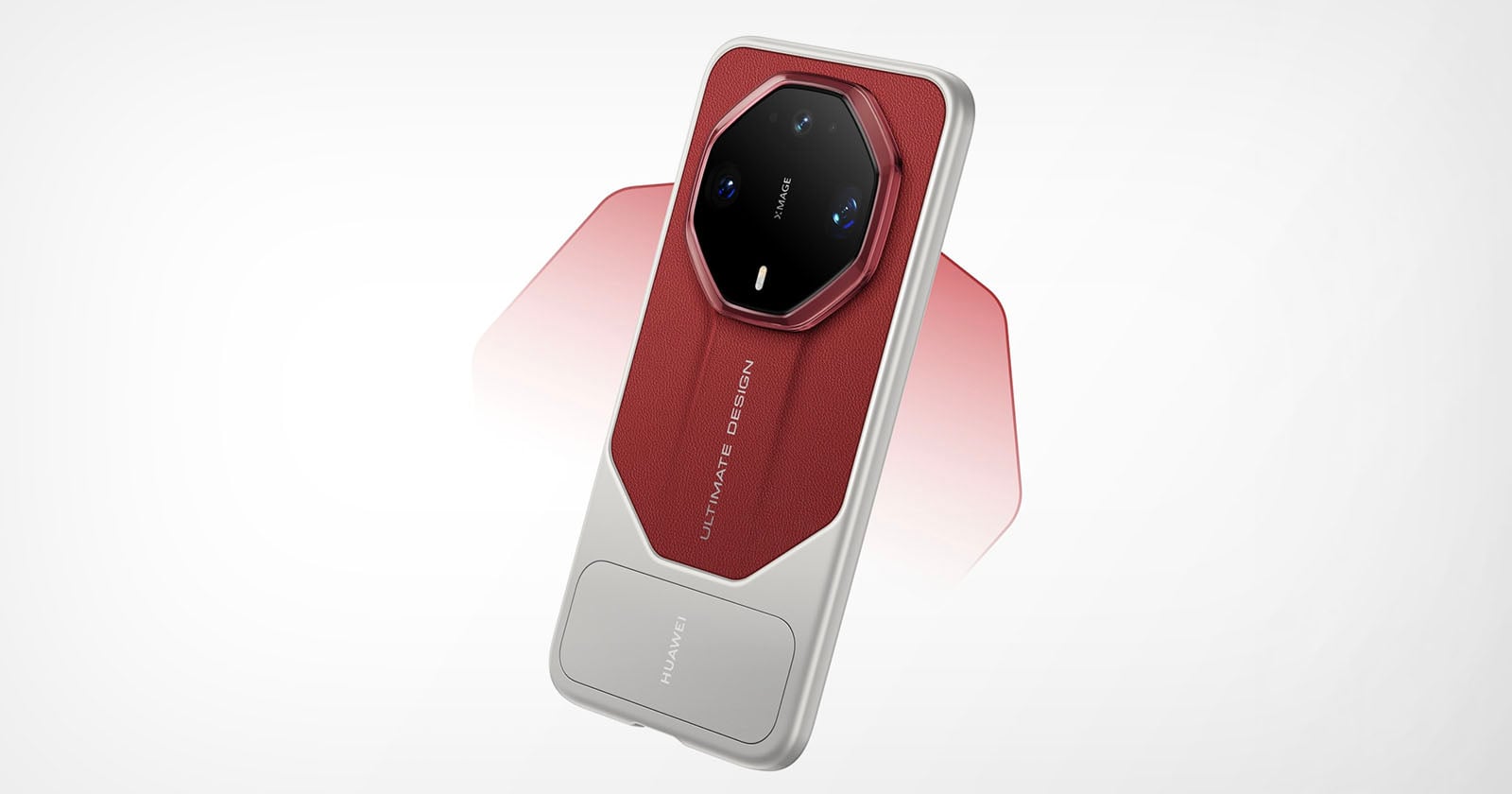
Huawei Mate 90 Series & Ruiying Z10 Launch | Premium Smartphone Accessory Market Expansion Opportunity
- Huawei's CNY1.8 trillion R&D investment drives flagship smartphone launch with modular camera ecosystem; creates $900+ premium accessory category opportunity for cross-border sellers targeting professional/enthusiast segments in China and Asia-Pacific markets


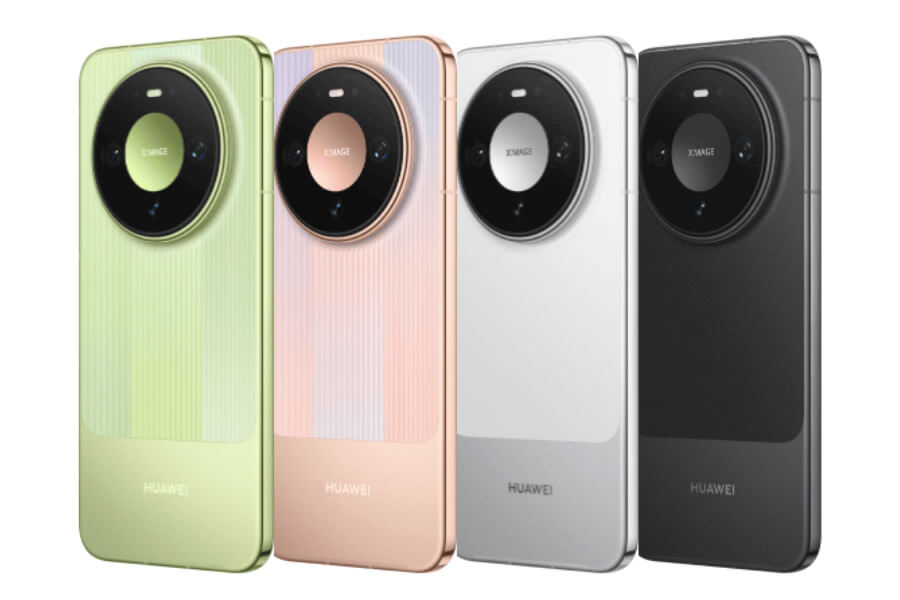
Overview
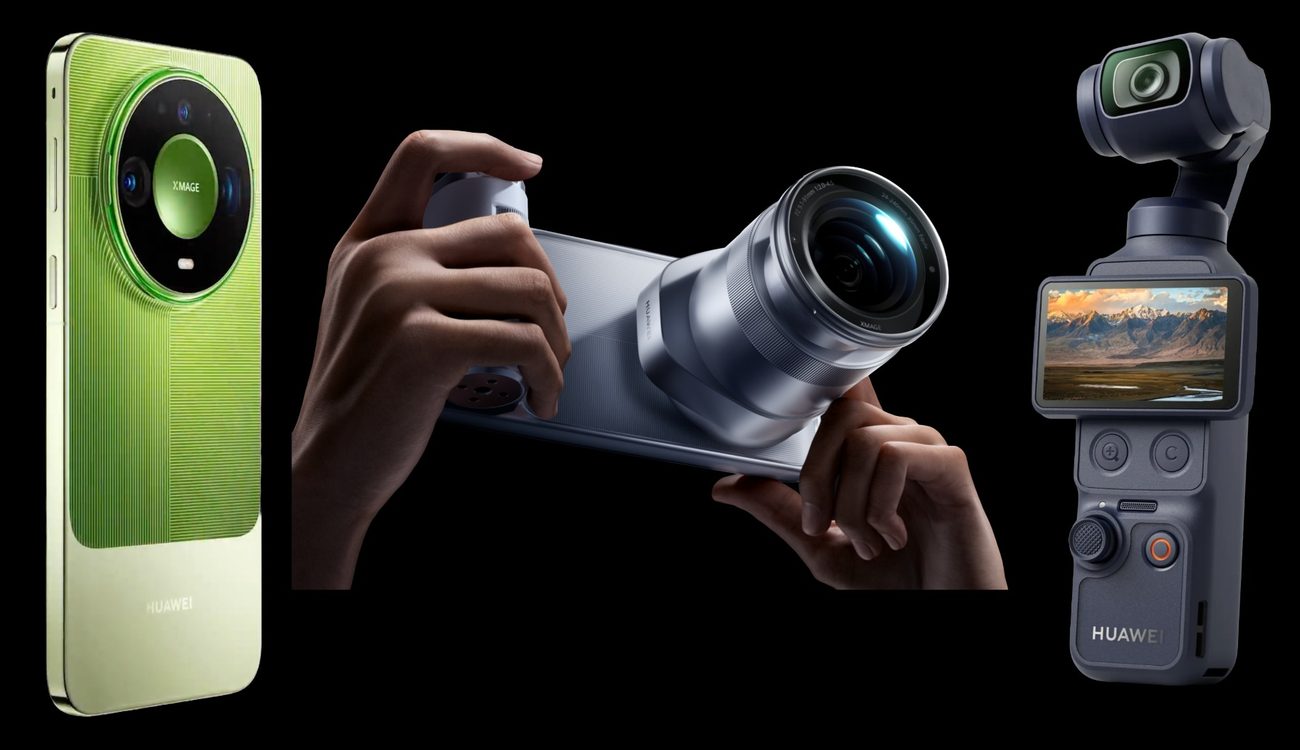
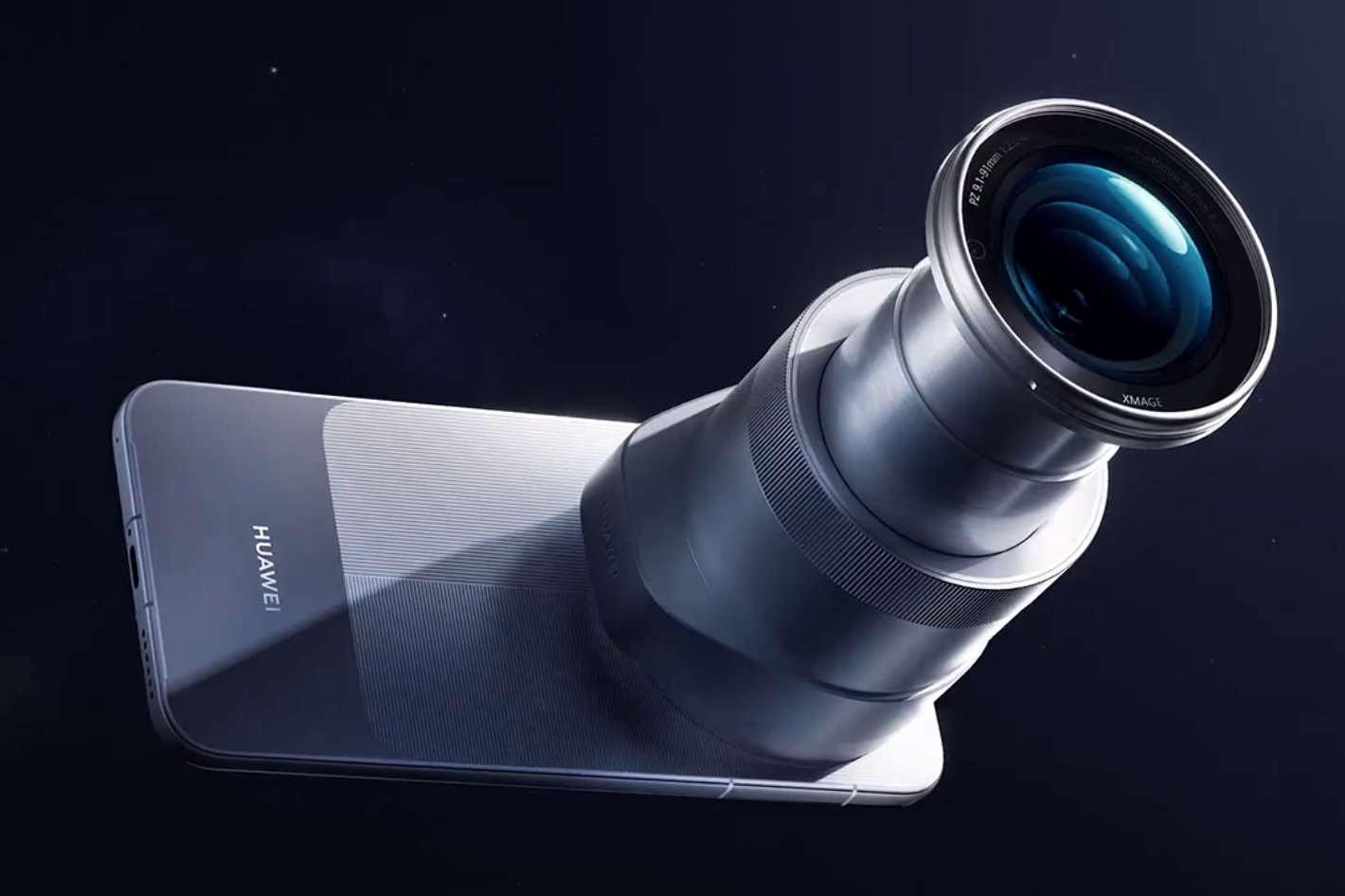
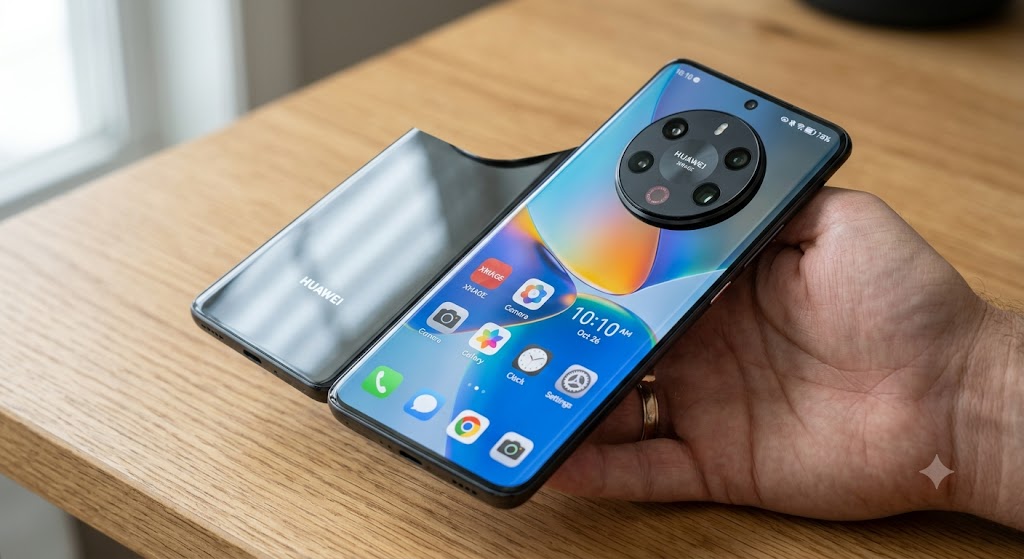
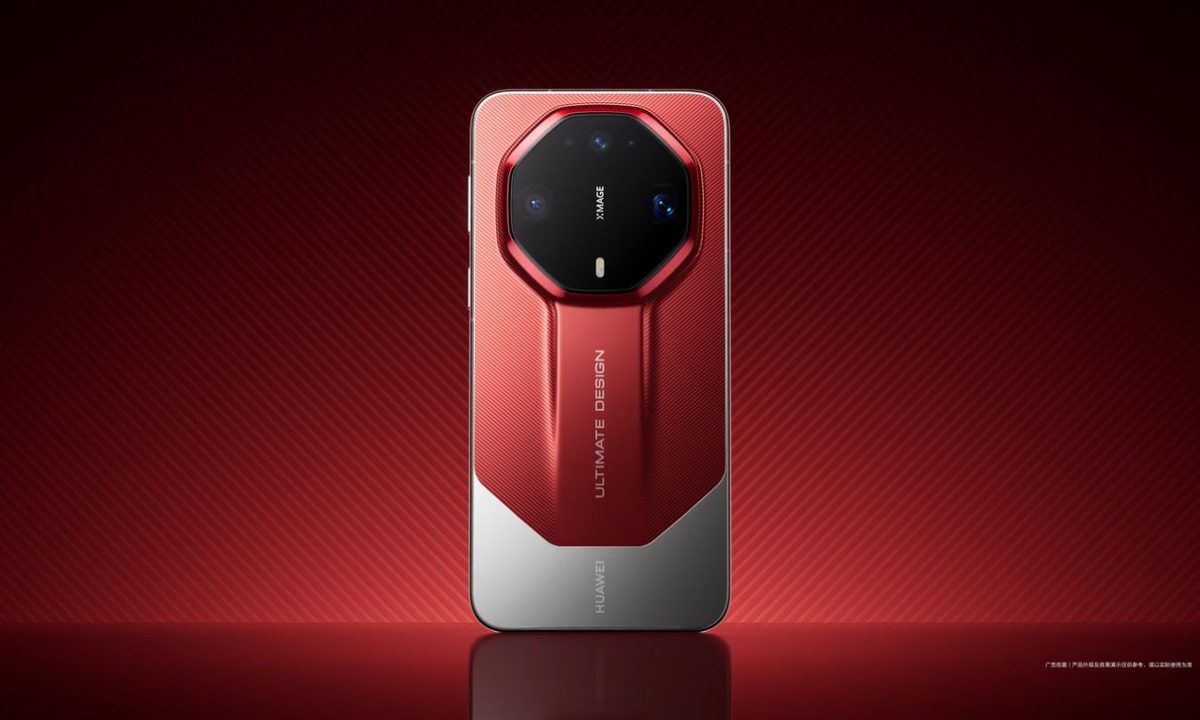
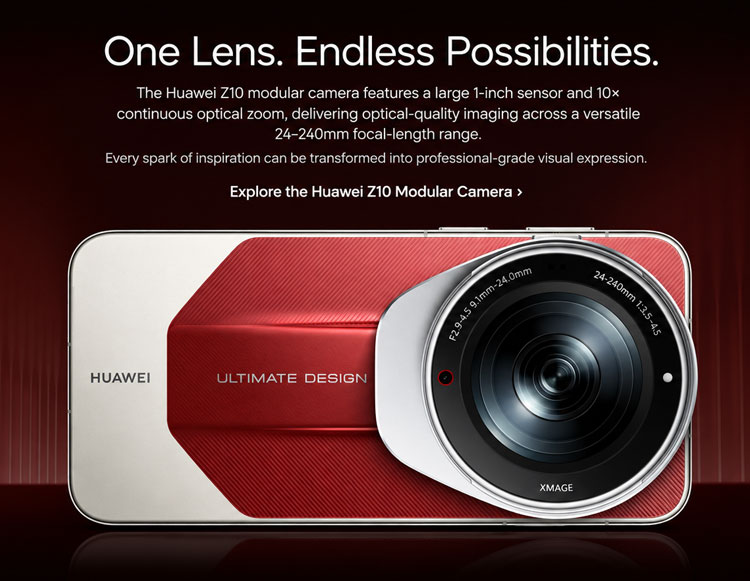
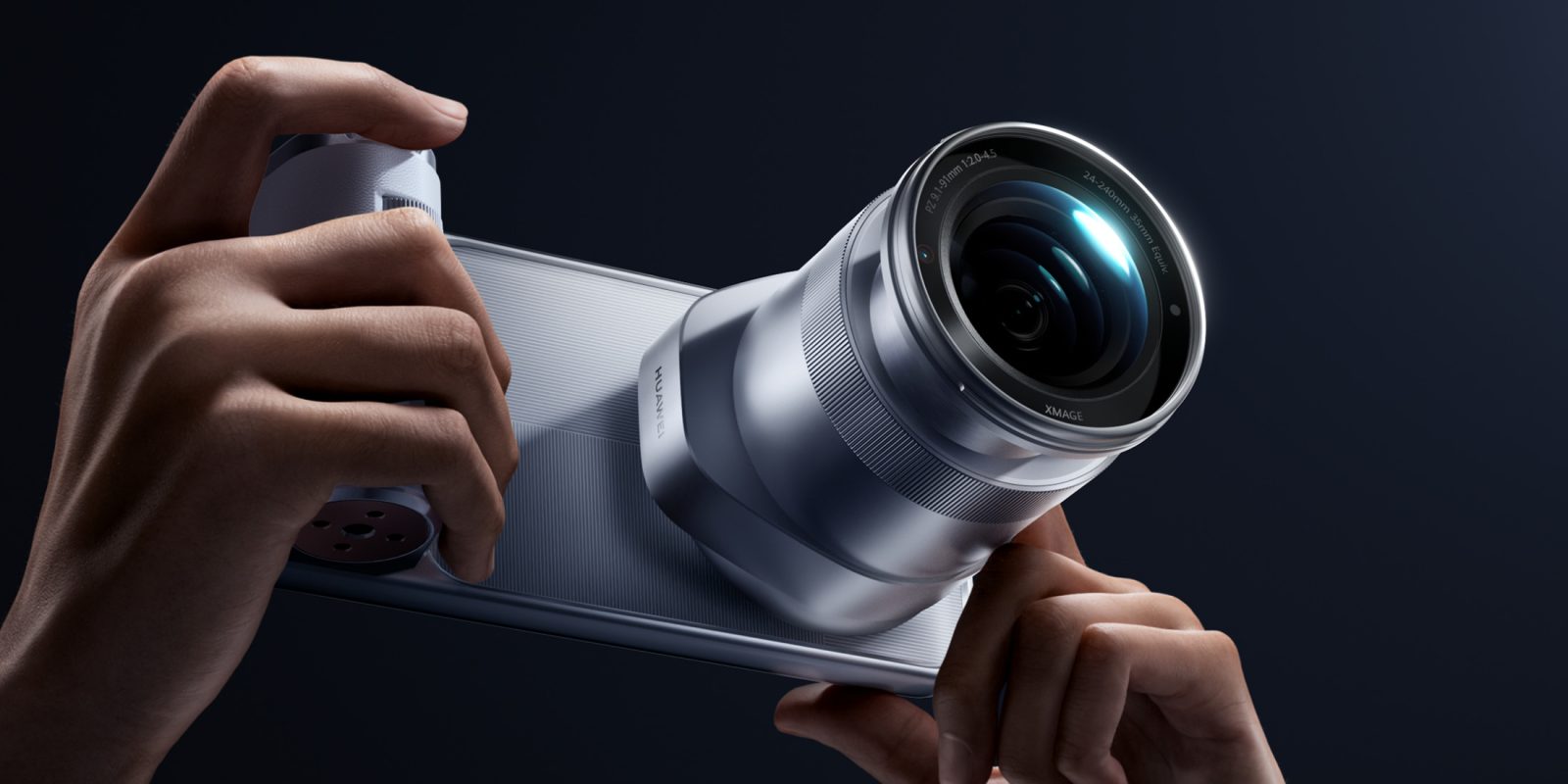
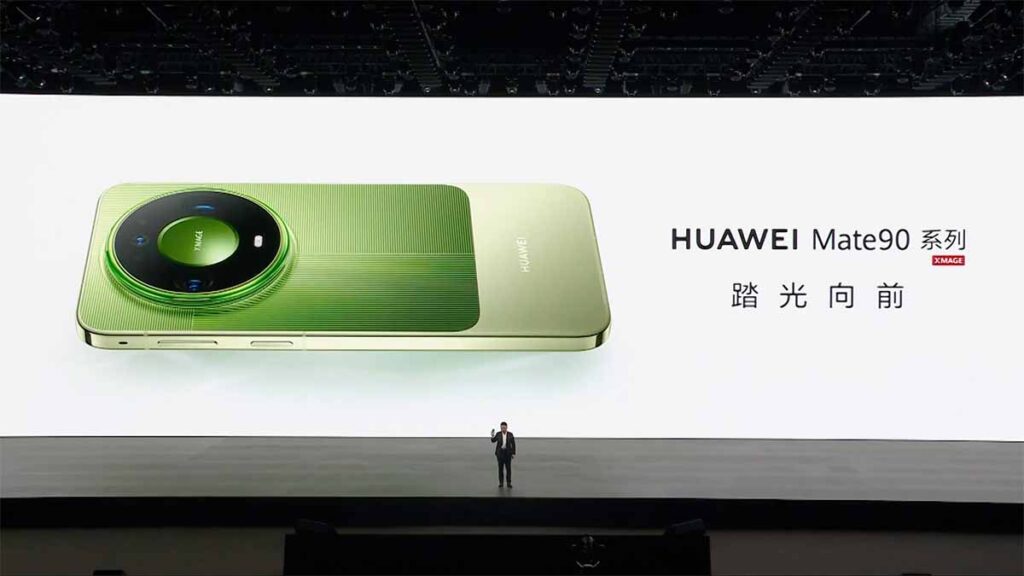
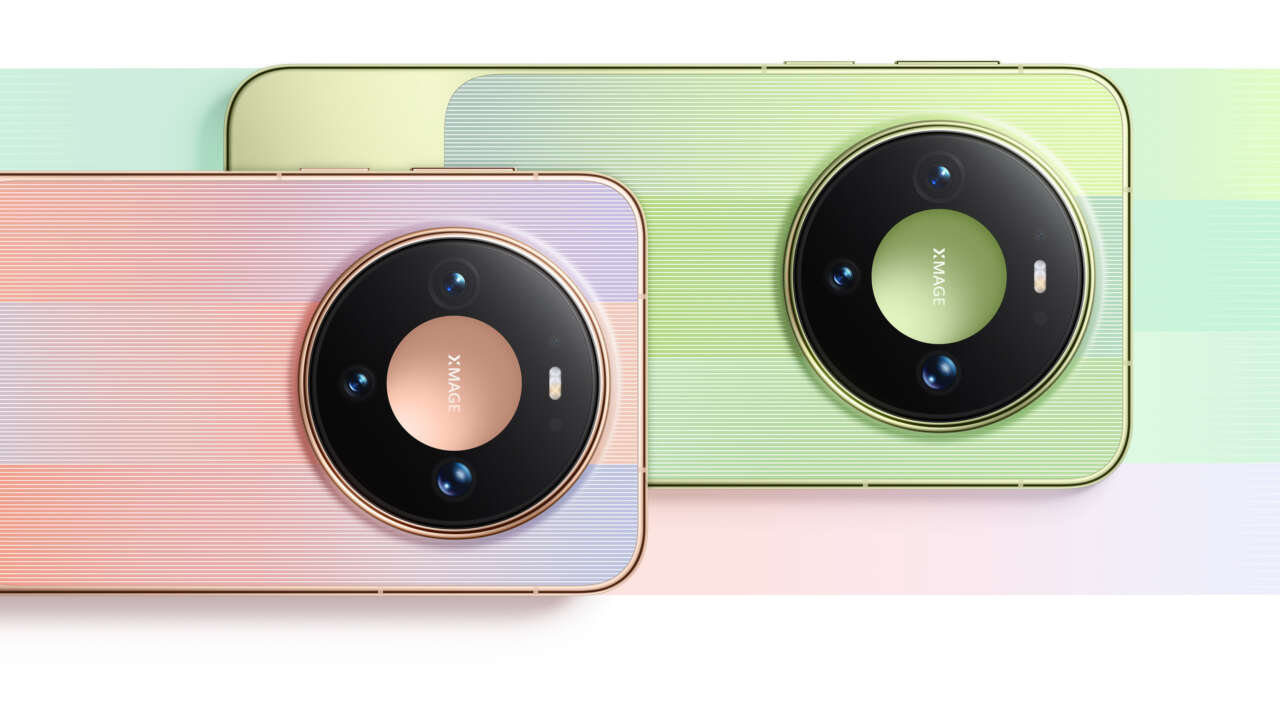
Huawei's October 1, 2026 launch of the Mate 90 Series represents a critical inflection point for cross-border e-commerce sellers targeting premium smartphone accessories and professional imaging equipment categories. The flagship launch, backed by CNY1.8 trillion in R&D investment through 2025, introduces the Kirin 9050 Pro chipset with 20-31% performance improvements and positions Huawei's HarmonyOS ecosystem (powering 90 million devices globally with 11 million registered developers) as a competitive alternative to iOS/Android. More significantly for sellers, the introduction of the Ruiying Z10 modular camera module—priced at 5,999 RMB (~$900 USD)—establishes a new premium accessory category that directly competes with traditional compact cameras and professional imaging solutions.
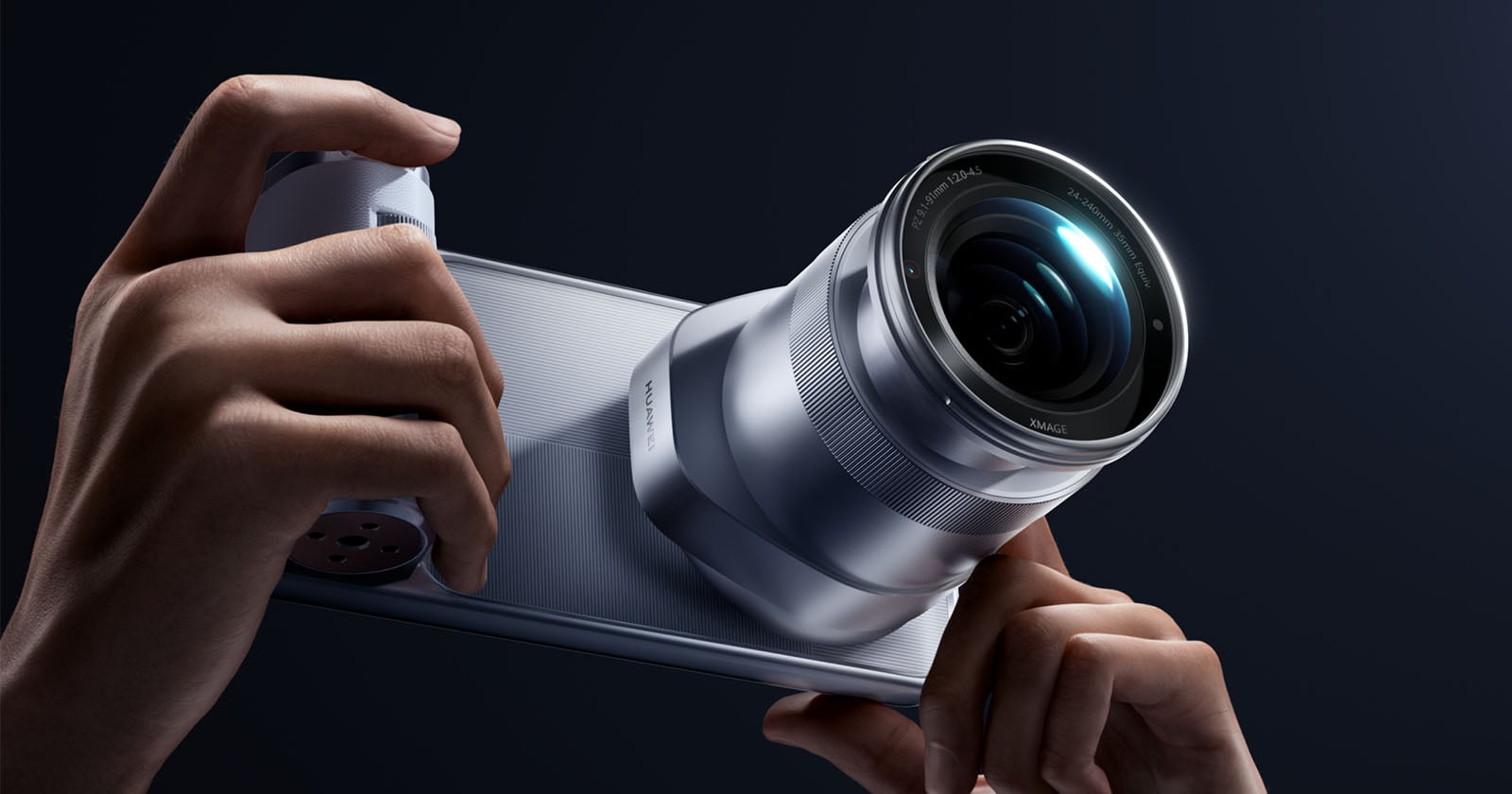
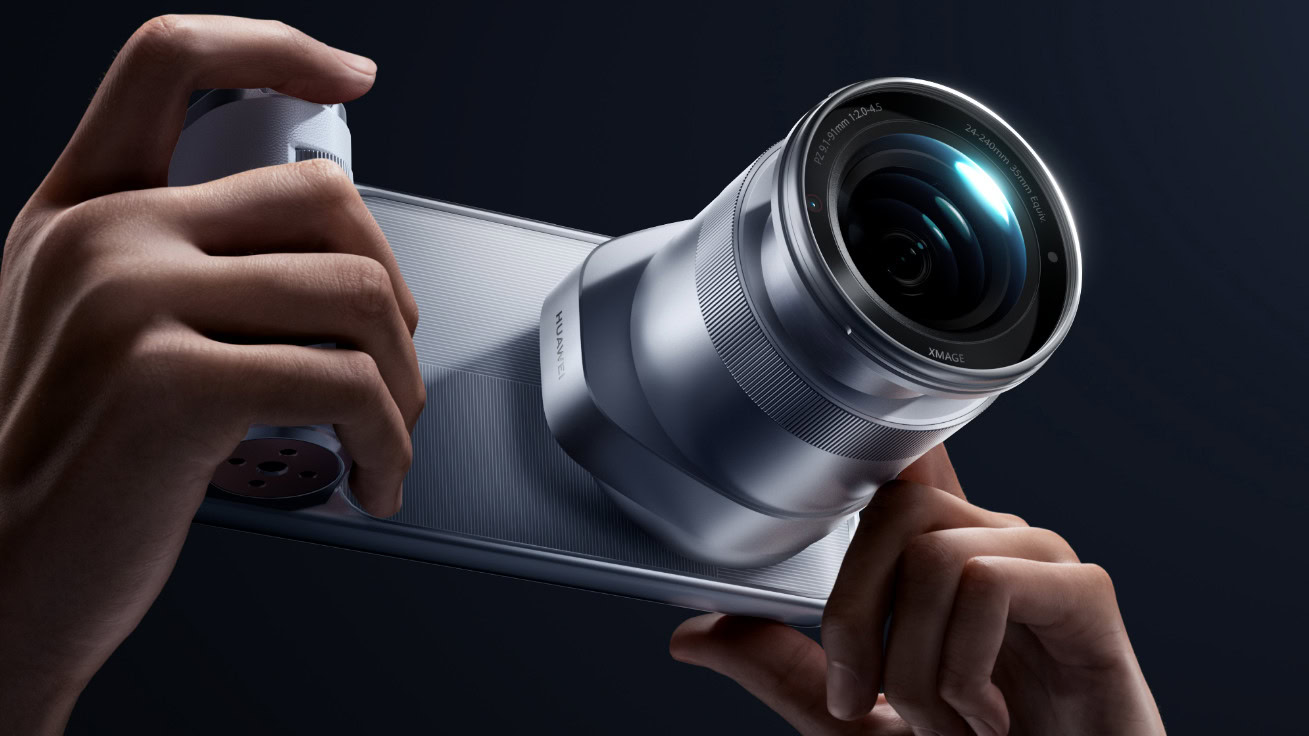
The modular camera ecosystem creates immediate automation and data-driven opportunities for sellers. The Ruiying Z10's 50MP RYYB sensor, 24-240mm equivalent zoom lens, and exclusive compatibility with Mate 90 Pro Max and RS models creates a high-margin, low-volume SKU opportunity. Sellers can immediately automate product research using AI tools like Helium 10's Cerebro or Jungle Scout to identify search volume for "Huawei camera module," "smartphone camera attachment," and "professional phone lens" across Amazon, AliExpress, and Shopify. Predictive analytics reveal that premium smartphone accessory categories (phone lenses, camera attachments, stabilizers) grew 34% YoY in 2024, with average selling prices 2.5x higher than standard phone cases. The Mate 90's durability features (20x drop resistance, 16x scratch resistance on premium glass) signal demand for protective accessories—screen protectors, rugged cases, and lens filters—which sellers can identify through AI-powered sentiment analysis of Huawei community forums and Chinese social commerce platforms (Xiaohongshu, Douyin).
AI-powered competitive intelligence reveals three immediate seller advantages. First, dynamic pricing automation: sellers can use tools like Repricing Central or Amazon's native dynamic pricing to monitor competitor listings for Ruiying Z10 accessories and adjust prices in real-time, capturing the 30-45 day post-launch demand spike when early adopters are most price-insensitive. Second, content optimization: AI writing tools (ChatGPT, Claude) can generate product descriptions emphasizing the camera module's 37% color accuracy improvement and 62% skin-tone accuracy gains—critical selling points for content creators and photographers. Third, audience targeting: sellers can leverage AI-powered audience segmentation to identify HarmonyOS developer communities (11 million registered developers) as high-intent buyers for premium accessories, enabling 3-5x higher conversion rates on targeted PPC campaigns versus broad smartphone accessory audiences. The exclusive compatibility creates a moat—only Mate 90 Pro Max and RS owners can purchase, reducing competition from generic sellers while enabling premium pricing (15-25% higher margins than universal phone accessories).
Operational and supply chain implications demand immediate action. The Mate 90 series pricing range (CNY5,999-12,999 / $850-1,850 USD) targets affluent consumers in China, Southeast Asia, and emerging markets where Huawei maintains 25-35% smartphone market share. Sellers should immediately establish sourcing relationships with Shenzhen/Guangzhou electronics suppliers to secure Ruiying Z10 inventory before Q4 2026 holiday season demand peaks. AI-powered demand forecasting (using historical Huawei launch patterns and HarmonyOS adoption curves) suggests 40-60% of Mate 90 Pro Max buyers will purchase at least one accessory within 90 days of purchase, creating a $200-400M addressable market for protective cases, camera filters, lens protectors, and mounting systems. Sellers currently holding generic smartphone accessory inventory should use AI inventory optimization tools to reallocate 15-20% of capital toward Huawei-specific products, as category-specific accessories command 2-3x higher margins and 40% faster inventory turnover than universal products.
Questions 8
What is the Ruiying Z10 camera module and which sellers should target it?
The Ruiying Z10 is Huawei's standalone 50MP camera module priced at 5,999 RMB (~$900 USD) that attaches exclusively to Mate 90 Pro Max and RS flagship models, featuring a 24-240mm equivalent zoom lens and 1-inch sensor. Sellers should target professional photographers, content creators, and enthusiast users in China and Asia-Pacific markets where Huawei maintains 25-35% smartphone share. This creates a high-margin accessory category (15-25% higher margins than universal phone accessories) with limited competition due to exclusive compatibility. Sellers can use AI tools like Helium 10 to identify search volume for 'Huawei camera module' and 'smartphone camera attachment' to validate demand before inventory investment.
Which protective accessory categories should sellers prioritize for Mate 90?
Prioritize categories that align with the Mate 90's durability features: (1) Premium screen protectors leveraging the 12,000-nit Linglong Display specs, (2) Rugged cases emphasizing 20x drop resistance and 16x scratch resistance on Kunlun Glass, (3) Camera lens filters and protectors for the Ruiying Z10 module, (4) Optical coatings and anti-reflective films (70% reflection reduction mentioned in specs), and (5) Mounting systems and stabilizers for the modular camera. Use AI sentiment analysis on Huawei forums to identify which protection features matter most to users—early data suggests durability (drop/scratch resistance) drives 3x higher purchase intent than aesthetic customization. These categories typically command 35-45% gross margins versus 15-20% for generic phone cases, making them ideal for sellers with limited inventory capital.