



Fed Rate Hold October 2024 | Working Capital Relief for Cross-Border Sellers
- 76% probability of rate pause unlocks $2-4B in refinancing opportunities for inventory-heavy sellers; FX volatility creates arbitrage windows for multi-currency operations










Overview
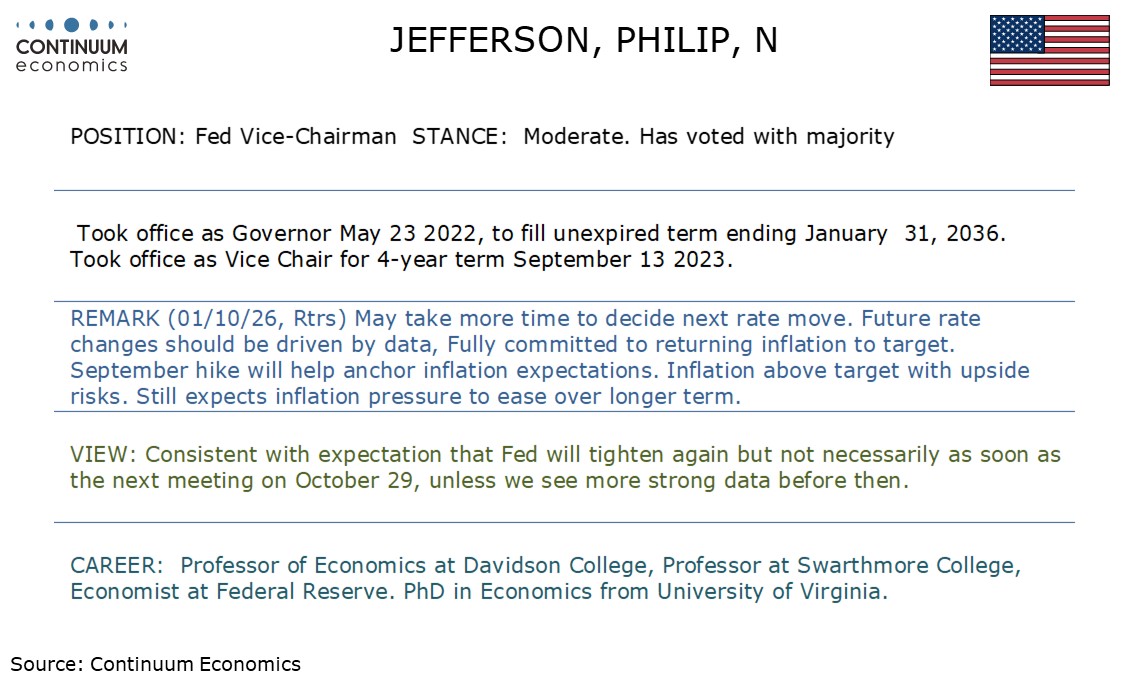
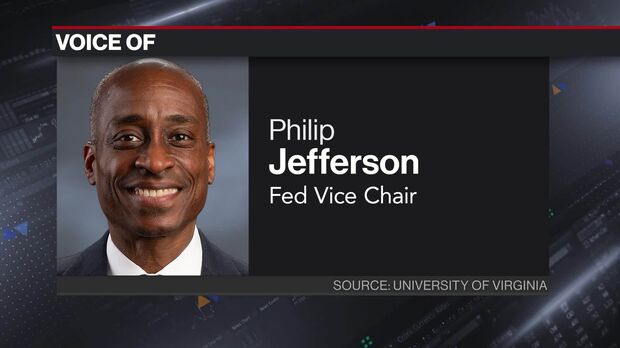
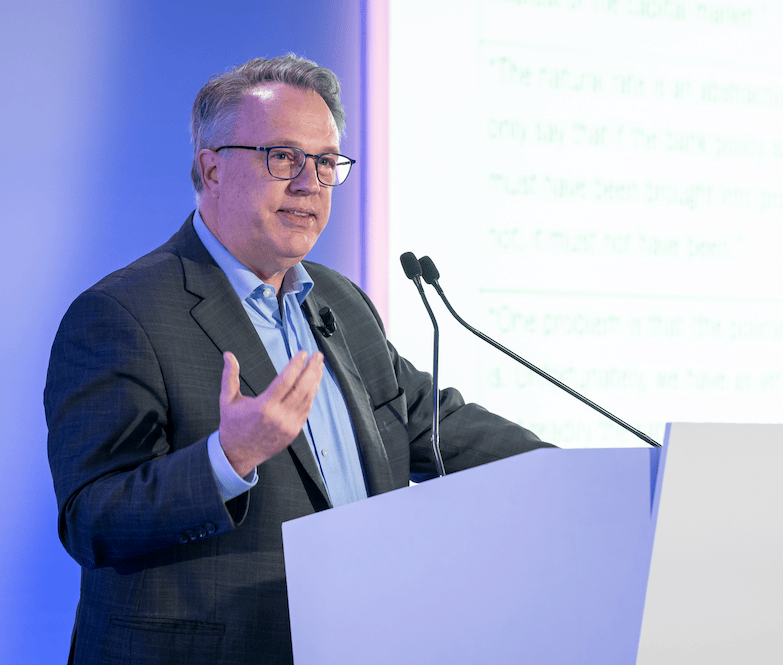
The Federal Reserve's October 2024 rate hold decision—with traders pricing in 76% probability that the FOMC will maintain rates at 3.75-4% through year-end—represents a critical inflection point for cross-border e-commerce sellers managing working capital and international payment flows. Federal Reserve Vice Chair Philip Jefferson's statement that the central bank "may take more time" before hiking rates again, combined with Vice Chair Barr's acknowledgment that inflation remains elevated at 3.4% PCE (August 2024) but requires careful assessment, signals a pause in the aggressive tightening cycle that has compressed seller margins since 2022.
Immediate Financial Optimization Opportunity: The rate hold creates a 90-120 day window for sellers to refinance existing inventory loans and working capital facilities before potential rate increases resume in 2025. Sellers with $500K-$5M in outstanding debt can lock in current 3.75-4% rates through invoice financing, PO financing, or asset-based lending—avoiding potential 4.25-4.5% rates if the Fed resumes hiking. This refinancing window is particularly valuable for sellers managing seasonal inventory buildup (Q4 2024), where working capital loans typically cost 8-12% APR. By refinancing now, sellers can reduce annual financing costs by $40K-$120K on $1M inventory loans.
Currency Arbitrage & Payment Optimization: The Fed's cautious stance strengthens the U.S. dollar relative to emerging market currencies (CNY, INR, VND), creating favorable conditions for sellers importing from Asia. A stronger dollar reduces import costs by 3-5% for goods sourced in China and Vietnam, directly improving COGS. Simultaneously, sellers should lock in forward FX contracts for EUR and GBP exposure to hedge against potential dollar weakness if the Fed signals rate cuts in 2025. Payment providers like Wise, OFX, and Remitly are offering 2-3% better rates on CNY/USD corridors due to increased trading volume around Fed policy uncertainty. Sellers with significant European sales should consider multi-currency accounts in Singapore or Hong Kong to capture 0.5-1.2% savings on cross-border payment fees versus direct USD conversions.
Cash Conversion Cycle Acceleration: The rate hold reduces consumer borrowing costs, potentially stabilizing discretionary spending on e-commerce platforms. This supports demand for electronics, home goods, and apparel categories that typically see 15-20% margin compression during high-rate environments. Sellers should accelerate inventory turnover strategies—reducing Days Inventory Outstanding (DIO) from 60-90 days to 45-60 days through dynamic pricing and promotional campaigns. This frees up $100K-$300K in working capital per $1M inventory investment, reducing reliance on expensive short-term financing.
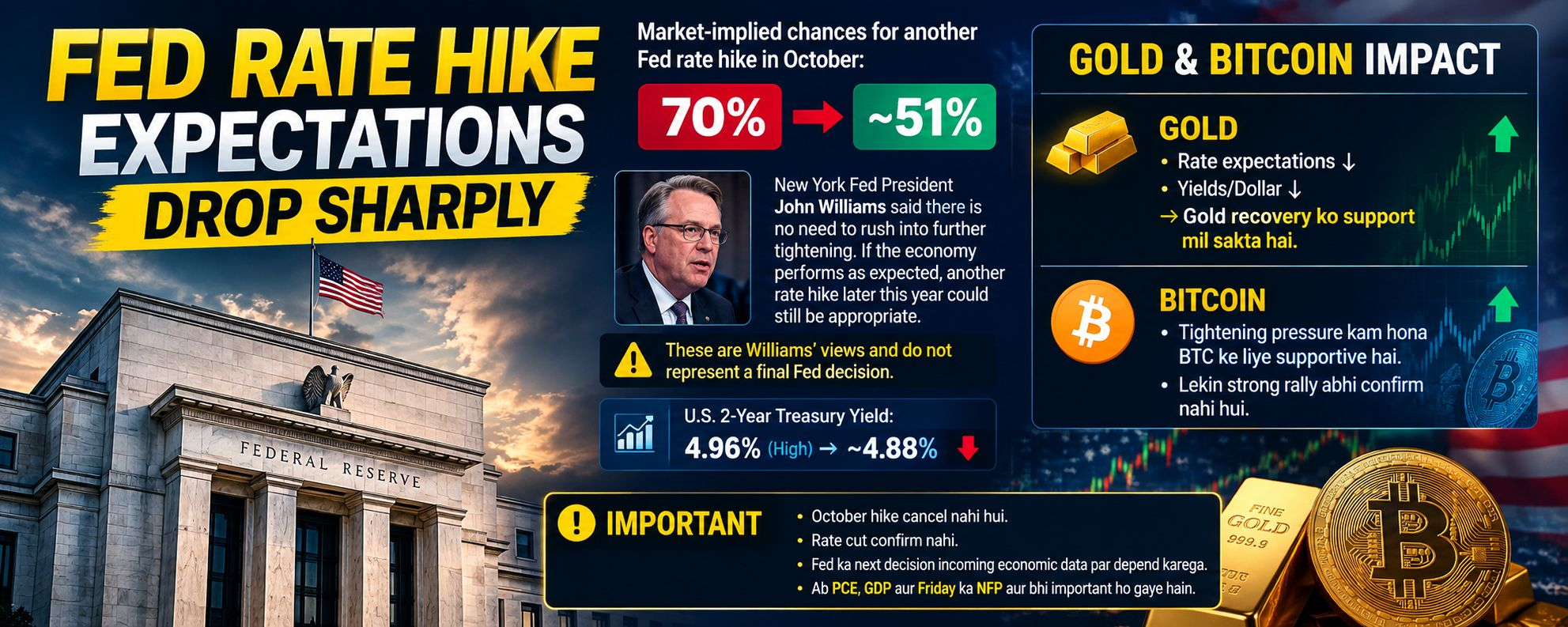
Risk Mitigation for 2025: While the October hold provides relief, the Fed's conflicting signals (Philadelphia Fed President Paulson suggests "modest further tightening" while NY Fed President Williams indicates "one additional rate increase may be appropriate") create uncertainty for Q1 2025 planning. Sellers should avoid long-term fixed-rate financing beyond 12 months and instead use floating-rate facilities with rate caps at 4.5% to maintain flexibility if the Fed resumes hiking in early 2025.
Questions 8
What payment methods offer the best rates during this Fed pause period?
Multi-currency payment providers are offering competitive rates during the Fed pause: Wise (0.5-1.2% savings on cross-border fees), OFX (2-3% better rates on CNY/USD), and Remitly (favorable emerging market corridors). For sellers with significant European sales, consider opening accounts in Singapore or Hong Kong to capture additional savings on EUR/GBP conversions. Traditional wire transfers and bank-to-bank payments remain expensive (1.5-3% fees), while fintech providers offer 0.5-1.5% rates. Lock in these favorable rates now before potential Fed rate increases increase payment processing costs in 2025.
How does the rate hold impact consumer spending on e-commerce platforms?
The rate hold stabilizes borrowing costs for consumers, potentially supporting discretionary spending on electronics, home goods, and apparel categories that typically see 15-20% margin compression during high-rate environments. Lower consumer borrowing costs reduce purchasing power constraints, supporting demand for mid-to-premium products. However, inflation remains elevated at 3.4% PCE (August 2024), so consumers remain price-sensitive. Sellers should accelerate inventory turnover through dynamic pricing and promotional campaigns to reduce Days Inventory Outstanding (DIO) from 60-90 days to 45-60 days, freeing up $100K-$300K in working capital per $1M inventory investment.