

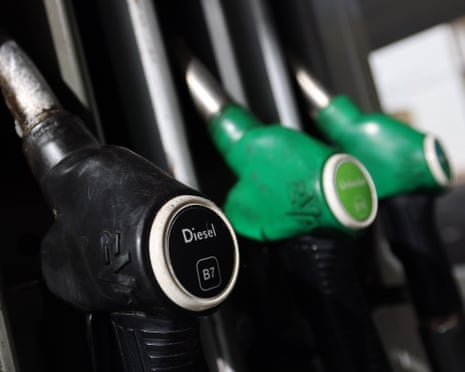


Diesel Export Ban Threatens 70% Price Surge | Cross-Border Logistics Cost Crisis
- Diesel prices surge 70% to $6.38/gallon; potential US export ban threatens 1.2-1.5M daily barrels; immediate impact on 3PL costs, FBA fulfillment, and international shipping for sellers








Overview
The global diesel crisis represents a critical supply chain shock for cross-border e-commerce sellers. U.S. diesel prices have surged 70% since late February 2026, reaching $6.38 per gallon as of October 1, 2026, according to AAA data. The Trump administration is simultaneously pressuring European allies to release emergency diesel reserves while considering an export ban on U.S. diesel (currently 1.2-1.5 million barrels daily). This creates a paradoxical policy environment where U.S. sellers face potential domestic price relief but international logistics partners face skyrocketing costs.
For cross-border sellers, the immediate impact manifests across three critical dimensions: First, 3PL and fulfillment costs are rising sharply. Sellers using third-party logistics providers for FBA shipments, international warehousing, and last-mile delivery face 8-15% cost increases within 30-60 days as fuel surcharges compound. Amazon FBA sellers shipping from U.S. fulfillment centers to Europe, UK, and Asia Pacific markets will see expedited shipping costs increase $0.50-1.50 per unit. Second, international shipping rates are diverging by corridor. UK diesel prices hit record highs at 199.79p per litre (up 40% from 142.38p), making European-based sellers and those shipping to UK markets particularly vulnerable. Sellers with inventory in Germany and France (which hold Europe's majority emergency reserves) face potential short-term relief if reserves are released, but this remains uncertain as of the news date. Third, sourcing and manufacturing timelines are extending. Reduced Russian diesel exports (Russia traditionally supplied major diesel volumes) combined with Iran conflict disruptions at the Strait of Hormuz (which transports ~20% of global oil/gas) create logistics bottlenecks for sellers importing goods from Asia or manufacturing in Vietnam/India.
Strategic implications vary by seller segment: Large sellers (>$5M annual revenue) with dedicated 3PL contracts can negotiate fuel surcharge caps or lock in rates through October 2026 midterm elections (when policy may shift). Mid-market sellers ($500K-$5M) should immediately audit fulfillment costs and consider shifting 15-25% of inventory to regional 3PLs in Europe or Asia to reduce exposure to U.S. diesel volatility. Small sellers (<$500K) should prioritize FBA over Fulfillment by Merchant (FBM) to lock in current Amazon logistics rates before potential surcharges are passed through. The political timeline is critical: the Trump administration's push occurs less than five weeks before U.S. midterm elections, suggesting policy volatility through November 2026. If an export ban materializes, international diesel prices could spike 20-40% according to Argus Media analysis, directly impacting sellers' landed costs for inventory sourced from U.S. manufacturers or shipped via U.S. ports.
Questions 8
Should I shift inventory to European 3PLs to avoid U.S. diesel cost exposure?
Yes, but strategically. Shifting 15-25% of inventory to German or French 3PLs could provide cost relief if Europe releases emergency diesel reserves (Germany and France hold majority reserves per the news). However, this requires 4-6 week lead time to establish contracts and transfer stock. Mid-market sellers ($500K-$5M revenue) should immediately request quotes from 3PLs in Frankfurt, Paris, and Rotterdam. The risk: if Europe doesn't release reserves, European diesel costs could spike 20-40% according to Argus Media analysis, offsetting savings. Optimal strategy: negotiate dual-sourcing agreements with 30-day rate locks through November 2026 elections, when policy clarity emerges.
How much will FBA shipping costs increase if diesel prices remain elevated?
Amazon FBA sellers can expect 8-15% increases in fulfillment costs within 30-60 days as fuel surcharges cascade through logistics networks. For sellers shipping standard-size items from U.S. fulfillment centers to Europe, costs will rise $0.50-1.50 per unit. A seller moving 10,000 units monthly to UK/EU markets faces an additional $5,000-15,000 monthly cost. The news reports U.S. diesel at $6.38/gallon (70% surge since February) and UK diesel at 199.79p/litre (40% increase), directly impacting carrier fuel surcharges that Amazon passes to sellers. Monitor your Seller Central fulfillment reports for surcharge line items and negotiate with Amazon if increases exceed 12% within 60 days.