


Cato Fashions 120-Store Closure | O2O Opportunity in Women's Fashion Liquidation
- 120 store closures by end of 2026 create inventory liquidation opportunities and retail real estate openings for online sellers in Texas, North Carolina, and Georgia women's fashion markets





Overview
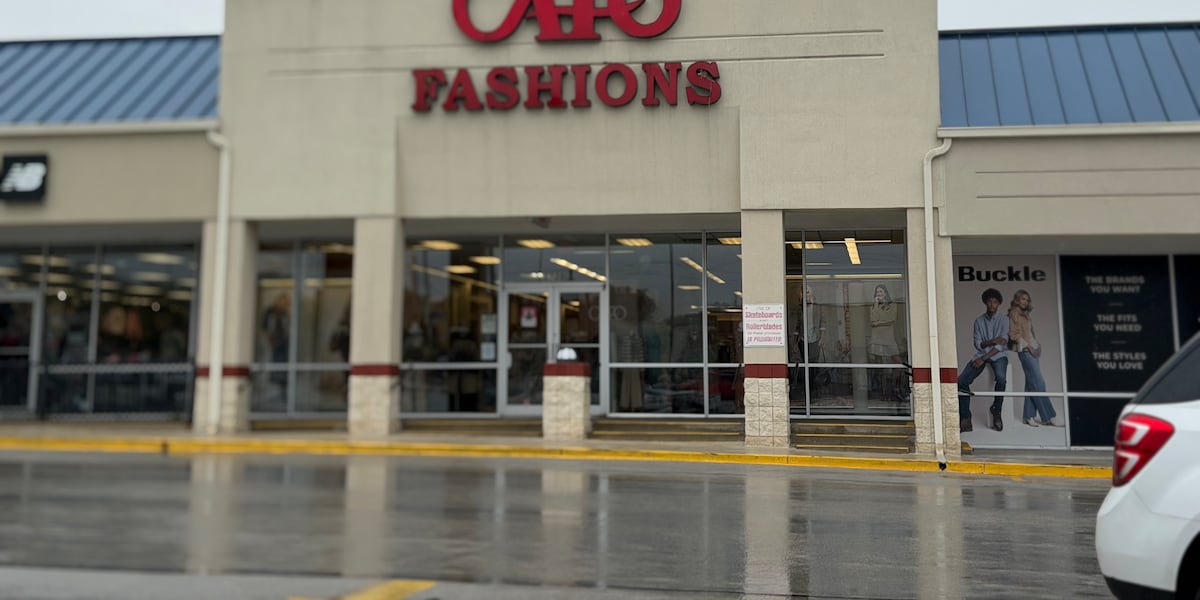
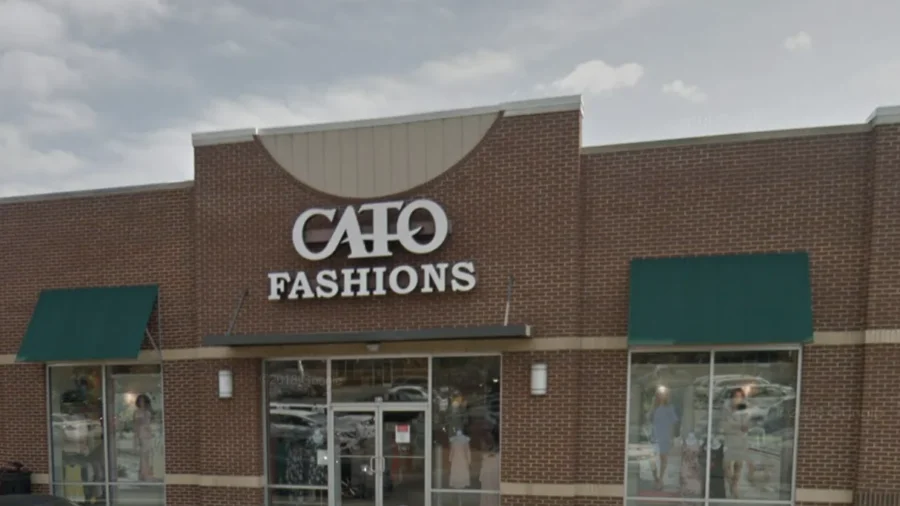
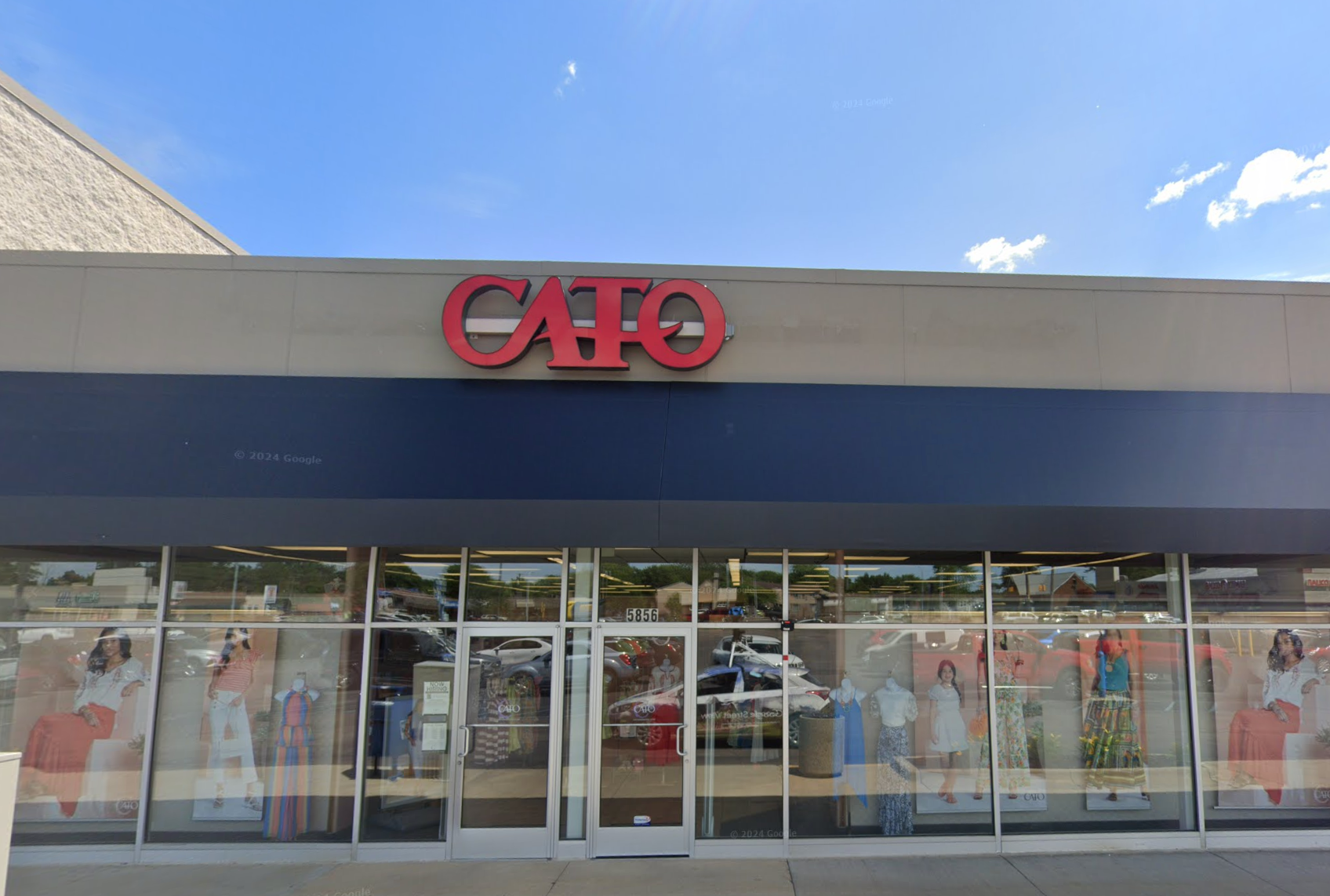
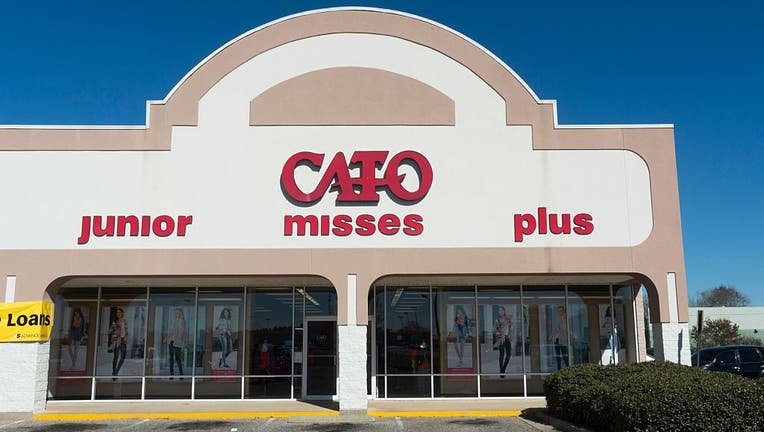
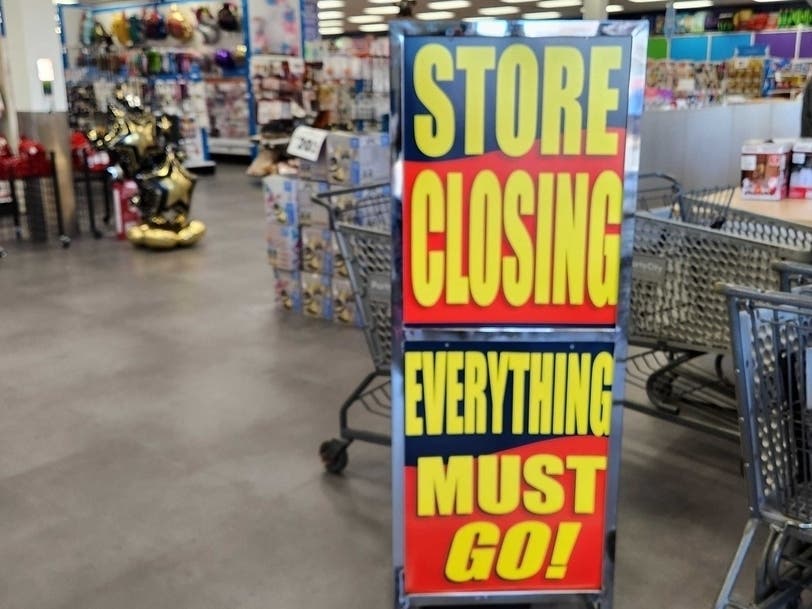
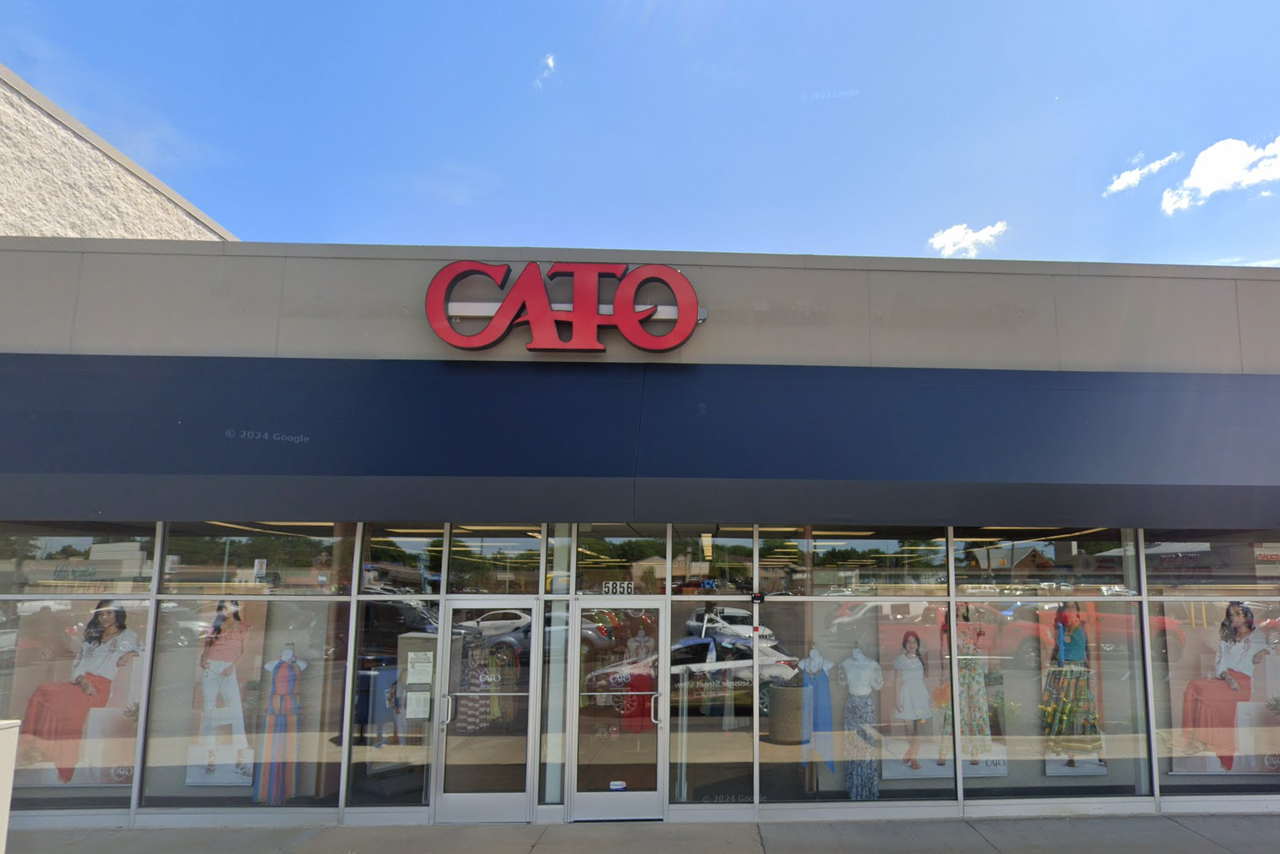
Cato Fashions' announcement of 120 store closures by end of 2026—exceeding initial projections of 40-50 closures—signals a critical inflection point in women's fashion retail that creates immediate opportunities for cross-border e-commerce sellers. The Charlotte-based retailer, which operated 1,069 stores at the start of 2025 and now maintains 850 locations across 31 states, cited reduced customer discretionary income and poor store performance as primary drivers. This represents a 20.5% reduction in store footprint within 24 months (48 closures in 2025, 12 by August 2026, plus 120 announced closures), indicating accelerating demand destruction in physical retail for mid-market women's apparel.
The O2O Opportunity: This closure cascade creates three distinct seller opportunities. First, inventory liquidation: Cato's closure costs of $1-1.3M per store suggest rapid asset sales, creating wholesale acquisition opportunities for online sellers seeking bulk women's apparel inventory (sizes 2-28) at 40-60% discounts. Second, retail real estate arbitrage: 120 closing locations across high-density markets (Texas: 140 stores, North Carolina: 81, Georgia: 67) represent prime pop-up and showroom locations with existing foot traffic patterns and negotiable short-term leases. Third, customer acquisition: Cato's 850 remaining stores still serve 31-state customer base with proven demand for women's fashion—sellers can target these geographic clusters with localized Amazon and Shopify campaigns.
Market Context: The accelerated closure timeline reflects broader discretionary spending contraction affecting mid-market apparel retailers. Cato's CEO noted that "marginal locations are no longer expected to improve given current economic pressures," indicating that even store-level optimization cannot overcome demand headwinds. This differs from category-specific challenges—it signals consumer wallet compression affecting the entire women's fashion segment. For sellers, this means: (1) reduced offline competition in closing markets, (2) available customer segments shifting online-first, (3) wholesale inventory availability at distressed pricing.
Seller Implications: Sellers specializing in women's apparel (casual wear, workwear, plus-size fashion) should prioritize Texas, North Carolina, and Georgia for targeted campaigns during Q4 2026-Q1 2027 when Cato's store closures peak. The company's focus on sizes 2-28 indicates a broad demographic reach—sellers can acquire Cato's customer email lists through liquidation auctions or target similar demographics via Amazon Advertising and Facebook/Instagram campaigns. Pop-up opportunities emerge in high-traffic Cato locations before lease termination, offering 3-6 month windows to test offline presence with minimal capital investment.
Questions 7
How should sellers adjust Amazon and Shopify strategies during Cato's closure period?
Sellers should implement geographic targeting strategies on Amazon Advertising and Shopify to capture Cato's customer base during Q4 2026-Q1 2027. Use location-based PPC campaigns targeting zip codes with closing Cato stores (Texas, North Carolina, Georgia) with messaging emphasizing online convenience and broader size/style selection. Increase inventory allocation for women's apparel categories where Cato competed (casual wear, workwear, plus-size fashion). On Shopify, create location-specific landing pages highlighting local pop-up events or showroom locations. Email marketing to acquired customer lists should emphasize 'new online alternative to Cato' positioning. Expected PPC cost-per-click increases of 10-15% during peak closure periods as competitors target same audiences.
What are the risks of acquiring Cato inventory for resale on Amazon?
Primary risks include: (1) Brand-new condition verification—liquidated inventory may include damaged, worn, or returned items requiring quality inspection; (2) Size/style mismatch—bulk purchases may include slow-moving SKUs with limited resale velocity; (3) Seasonal obsolescence—Q4 2026 closures may include off-season inventory with limited demand windows; (4) Amazon authenticity concerns—bulk purchases require documentation proving legitimate sourcing to avoid account suspension. Sellers should conduct 10-15% sample inspections before bulk purchases, negotiate return windows with liquidators, and maintain detailed acquisition documentation. Estimated acquisition costs of $3-6 per unit (after inspection/refurbishment) require 2-3x markup to achieve 30%+ margins on Amazon FBA after fees.